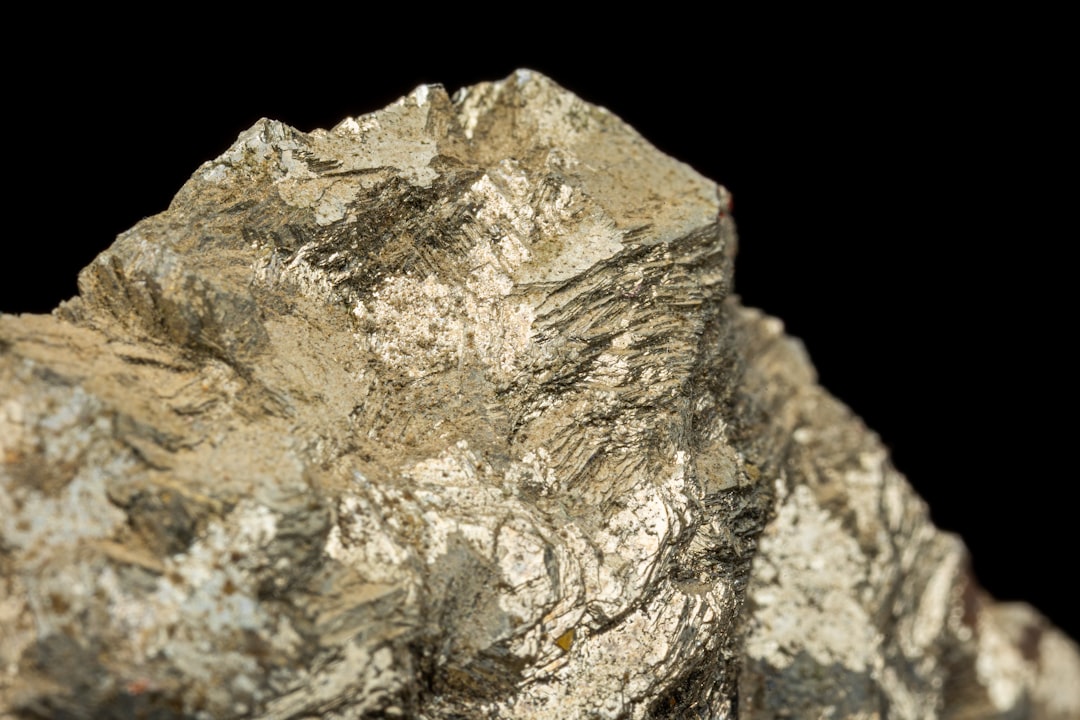
Heavy rare earth elements (HREEs) are a subset of the rare earth elements, which are a group of 17 chemically similar elements that play a crucial role in various high-tech applications. HREEs specifically include elements such as dysprosium, terbium, and europium, which are characterized by their higher atomic numbers and unique properties. These elements are not only rare in terms of their abundance in the Earth’s crust but also in their distribution, making them highly sought after for their specialized applications.
The growing demand for advanced technologies has brought HREEs into the spotlight, highlighting their significance in modern society. The unique properties of heavy rare earth elements, such as their magnetic, luminescent, and catalytic characteristics, make them indispensable in numerous applications. As industries continue to evolve and innovate, the reliance on HREEs is expected to increase.
This article delves into the importance of HREEs in technology, their geological distribution, extraction challenges, environmental impacts, and future prospects, providing a comprehensive overview of these critical materials.
Key Takeaways
- Heavy rare earth elements (HREEs) are a group of 17 elements that are essential for modern technology and industry.
- HREEs are crucial for the production of high-tech devices such as smartphones, electric vehicles, and renewable energy technologies.
- HREEs are primarily found in specific geological formations, including carbonatites, alkaline igneous rocks, and certain types of mineral deposits.
- Extracting and processing HREEs present significant challenges due to their low natural abundance and complex chemical properties.
- HREEs have diverse applications in industries such as electronics, aerospace, defense, and healthcare, driving the demand for these critical elements.
The Importance of Heavy Rare Earth Elements in Modern Technology
Heavy rare earth elements are integral to the development of cutting-edge technologies that define contemporary life. For instance, dysprosium and terbium are essential components in the production of high-performance magnets used in electric vehicles, wind turbines, and various electronic devices. These magnets are crucial for enhancing energy efficiency and performance, making HREEs vital for the transition to renewable energy sources.
As the world shifts towards sustainable energy solutions, the demand for HREEs is expected to surge. Moreover, HREEs play a significant role in the electronics industry. Europium, for example, is widely used in phosphors for LED lighting and display technologies.
As technology continues to advance at a rapid pace, the importance of HREEs in enabling these innovations cannot be overstated.
Understanding the Geological Distribution of Heavy Rare Earth Elements

The geological distribution of heavy rare earth elements is a complex subject that reflects their scarcity and the specific conditions required for their formation. HREEs are typically found in mineral deposits that are rich in other rare earth elements, often associated with specific geological formations such as carbonatites and alkaline igneous rocks. These deposits are not evenly distributed across the globe; instead, they are concentrated in certain regions, leading to geopolitical implications regarding access and control over these resources.
Countries like China have historically dominated the production of HREEs due to their extensive deposits and established mining infrastructure. However, other nations are beginning to explore their own potential reserves as the demand for these elements grows. Understanding the geological distribution of HREEs is crucial for developing effective mining strategies and ensuring a stable supply chain for industries reliant on these materials.
The Challenges of Extracting and Processing Heavy Rare Earth Elements
| Challenges | Impact |
|---|---|
| Complexity of ore processing | Increases production costs |
| Environmental concerns | Regulatory hurdles and public opposition |
| Limited availability of suitable deposits | Supply chain constraints |
| Highly specialized extraction techniques | Requires significant expertise and investment |
Extracting and processing heavy rare earth elements presents a myriad of challenges that can hinder production efficiency and increase costs. The mining process itself is often labor-intensive and requires significant investment in technology and infrastructure. Additionally, HREEs are typically found in low concentrations within ores, necessitating extensive processing to separate them from other minerals.
This complexity can lead to higher operational costs and longer timelines for bringing new mines online. Furthermore, the environmental implications of HREE extraction cannot be overlooked. The mining process can result in habitat destruction, soil erosion, and water contamination if not managed properly.
The processing of HREEs often involves the use of toxic chemicals, raising concerns about worker safety and environmental health. As industries push for more sustainable practices, addressing these challenges will be essential for the future of HREE production.
Applications of Heavy Rare Earth Elements in Various Industries
Heavy rare earth elements find applications across a diverse range of industries, underscoring their versatility and importance. In the automotive sector, HREEs are critical for manufacturing high-efficiency electric motors that power electric vehicles (EVs). As the automotive industry shifts towards electrification, the demand for HREEs is expected to rise significantly.
The use of dysprosium and neodymium in permanent magnets enhances the performance of EVs, making them more efficient and environmentally friendly. In addition to automotive applications, HREEs are also pivotal in the defense sector. They are used in advanced missile guidance systems, radar technology, and other military applications that require precision and reliability.
The strategic importance of HREEs in defense technologies has led many countries to prioritize securing their own supplies to ensure national security. This multifaceted demand across various industries highlights the critical role that heavy rare earth elements play in modern economies.
Environmental Impact of Heavy Rare Earth Element Mining and Processing

The environmental impact of heavy rare earth element mining and processing is a pressing concern that has garnered increasing attention from policymakers and environmentalists alike. The extraction process can lead to significant ecological disruption, including deforestation, soil degradation, and loss of biodiversity. Additionally, the chemicals used during processing can contaminate local water sources, posing risks to both human health and wildlife.
Efforts to mitigate these environmental impacts are underway, with many companies exploring more sustainable mining practices. Innovations such as closed-loop water systems and reduced chemical usage aim to minimize ecological footprints while maintaining production efficiency. However, achieving a balance between resource extraction and environmental stewardship remains a significant challenge that requires ongoing research and collaboration among stakeholders.
Innovations in Heavy Rare Earth Element Extraction and Recovery
As the demand for heavy rare earth elements continues to grow, so too does the need for innovative extraction and recovery methods that enhance efficiency while minimizing environmental impact. Researchers are exploring advanced techniques such as bioleaching, which utilizes microorganisms to extract metals from ores more sustainably than traditional methods. This approach not only reduces chemical usage but also has the potential to lower operational costs.
Additionally, advancements in recycling technologies are gaining traction as a means to recover HREEs from electronic waste. As consumer electronics become increasingly prevalent, recycling offers a viable solution to meet demand while reducing reliance on primary mining sources. By developing efficient recycling processes, industries can create a circular economy that conserves resources and minimizes waste.
The Economic Significance of Heavy Rare Earth Elements
The economic significance of heavy rare earth elements extends beyond their immediate applications; they also play a crucial role in global trade dynamics and national economies. Countries rich in HREE deposits have the potential to leverage these resources for economic growth through exports and job creation within the mining sector. As global demand increases, nations are recognizing the strategic importance of securing their own supplies to reduce dependence on foreign sources.
Moreover, fluctuations in HREE prices can have far-reaching implications for industries reliant on these materials. Price volatility can impact production costs for manufacturers, influencing market competitiveness and profitability. As such, understanding market trends and establishing stable supply chains will be essential for businesses operating within sectors that utilize heavy rare earth elements.
Future Prospects for Heavy Rare Earth Element Exploration and Mining
The future prospects for heavy rare earth element exploration and mining appear promising as technological advancements continue to evolve alongside increasing demand. New exploration techniques utilizing geophysical surveys and remote sensing technologies are enhancing the ability to identify potential deposits more efficiently than ever before. This innovation could lead to the discovery of previously untapped reserves, expanding the global supply of HREEs.
Furthermore, as countries prioritize energy independence and sustainability initiatives, investments in domestic mining operations are likely to increase. Governments may implement policies that encourage exploration while ensuring environmental protections are upheld. This dual focus on resource development and sustainability could pave the way for a more resilient supply chain for heavy rare earth elements.
International Trade and Market Trends of Heavy Rare Earth Elements
International trade dynamics surrounding heavy rare earth elements are influenced by geopolitical factors as well as market trends. China has long been a dominant player in the HREE market; however, other countries are beginning to emerge as potential competitors as they develop their own resources. This shift could lead to increased competition among nations seeking to secure their positions within the global supply chain.
Market trends indicate a growing interest in diversifying sources of HREEs due to concerns over supply chain vulnerabilities. Countries such as Australia, Canada, and the United States are investing in exploration projects aimed at reducing reliance on Chinese imports. As these nations ramp up production capabilities, international trade patterns may shift significantly over the coming years.
The Role of Heavy Rare Earth Elements in Shaping the Future
In conclusion, heavy rare earth elements play an indispensable role in shaping modern technology and driving economic growth across various sectors. Their unique properties enable advancements in renewable energy solutions, electronics, defense systems, and more. However, challenges related to extraction processes and environmental impacts must be addressed to ensure sustainable development.
As industries continue to innovate and explore new applications for HREEs, understanding their geological distribution and market dynamics will be crucial for securing stable supplies.
Ultimately, heavy rare earth elements will remain central to technological progress and economic resilience in an increasingly interconnected world.
Heavy rare earth elements (HREEs) are crucial components in various high-tech applications, including electronics, renewable energy technologies, and military equipment. These elements are less abundant and more challenging to extract than their light rare earth counterparts, making their sourcing a significant concern for industries reliant on them. An insightful article discussing the complexities and geopolitical implications of sourcing heavy rare earth elements can be found on Real Lore and Order. For a deeper understanding of the challenges and strategies involved in securing these critical resources, you can read more about it here.
WATCH THIS! They Can Shut Down Your World Overnight. This Is The Choke Point Controlling Everything!
FAQs
What are heavy rare earth elements (HREEs)?
Heavy rare earth elements (HREEs) are a group of rare earth elements that are less common and have higher atomic weights than the light rare earth elements (LREEs). They include elements such as europium, gadolinium, terbium, dysprosium, holmium, erbium, thulium, ytterbium, and lutetium.
What are the uses of heavy rare earth elements?
HREEs are used in a variety of high-tech applications, including in the production of permanent magnets for electric vehicle motors, wind turbines, and other renewable energy technologies. They are also used in the production of phosphors for lighting and display technologies, as well as in the manufacturing of electronic devices and medical equipment.
Where are heavy rare earth elements sourced from?
HREEs are primarily sourced from mineral deposits, with the majority of global production coming from countries such as China, Australia, the United States, and Russia. These elements are often found in association with other rare earth elements and are typically extracted through a combination of mining, crushing, and chemical processing.
Why is there a growing interest in sourcing heavy rare earth elements?
There is a growing interest in sourcing heavy rare earth elements due to their critical importance in the development of advanced technologies such as electric vehicles, renewable energy systems, and high-tech electronics. As demand for these technologies continues to rise, there is a need to secure a stable and diversified supply of HREEs to support their production.
What are the challenges associated with sourcing heavy rare earth elements?
Challenges associated with sourcing heavy rare earth elements include the limited availability of high-grade deposits, the environmental impact of mining and processing operations, and geopolitical concerns related to the concentration of production in a few key countries. Additionally, the complex and costly extraction and separation processes for HREEs present technical and economic challenges for producers.