Critical minerals are defined as those essential for the functioning of modern technologies and industries, yet are subject to supply risks due to geopolitical tensions, market fluctuations, or environmental concerns. These minerals include rare earth elements, lithium, cobalt, and others that play a pivotal role in the production of electronics, renewable energy systems, and advanced manufacturing processes. The classification of a mineral as “critical” often depends on its economic importance and the potential for supply disruptions.
The extraction and processing of critical minerals are complex and often involve intricate supply chains that span multiple countries. This complexity can lead to vulnerabilities, particularly when a significant portion of a mineral’s supply is concentrated in a few regions.
For instance, China dominates the production of rare earth elements, which has raised concerns among other nations about their reliance on a single source. Understanding the dynamics of critical minerals is essential for policymakers, businesses, and consumers alike, as it informs decisions related to resource management, trade policies, and technological innovation.
Key Takeaways
- Critical minerals are essential for modern technology and industry, but their supply is at risk due to geopolitical tensions and environmental concerns.
- The extraction of critical minerals has significant environmental implications, including habitat destruction and water pollution.
- The global economy is heavily reliant on critical minerals, and their supply chain disruptions can have far-reaching impacts.
- Innovation and research in critical mineral extraction and processing are crucial for ensuring a stable and sustainable supply.
- International cooperation is necessary to manage critical mineral resources and ensure their sustainable and responsible sourcing for the future.
The Role of Critical Minerals in Modern Society
In contemporary society, critical minerals serve as the backbone of numerous industries, from electronics to renewable energy. They are integral to the production of smartphones, electric vehicles, wind turbines, and solar panels. The demand for these technologies has surged in recent years, driven by a global push towards sustainability and digitalization.
As a result, critical minerals have become indispensable in achieving both economic growth and environmental goals. Moreover, the role of critical minerals extends beyond mere functionality; they are also catalysts for innovation. For instance, advancements in battery technology rely heavily on lithium and cobalt, which are crucial for developing efficient energy storage solutions.
As society transitions towards greener energy sources, the importance of these minerals will only increase. Their ability to enable cleaner technologies positions them at the forefront of the fight against climate change, making them vital for both current and future generations.
The Impact of Critical Minerals on Global Economy

The global economy is intricately linked to the availability and accessibility of critical minerals. Countries rich in these resources often experience significant economic benefits, including job creation and increased foreign investment. For example, nations like Australia and Chile have capitalized on their lithium reserves to become key players in the electric vehicle market.
This economic activity not only boosts local economies but also contributes to national GDP growth. Conversely, countries that lack access to critical minerals may find themselves at a disadvantage in the global market. The competition for these resources can lead to geopolitical tensions and trade disputes, as nations vie for control over supply chains.
The economic implications extend beyond individual countries; they can influence global trade patterns and impact international relations. As such, critical minerals are not just commodities; they are strategic assets that can shape the economic landscape on a global scale.
The Environmental Implications of Critical Mineral Extraction
| Mineral | Extraction Method | Environmental Implications |
|---|---|---|
| Lithium | Open-pit mining | Water pollution, habitat destruction |
| Cobalt | Artisanal mining | Child labor, deforestation |
| Rare Earth Elements | Strip mining | Soil erosion, radioactive waste |
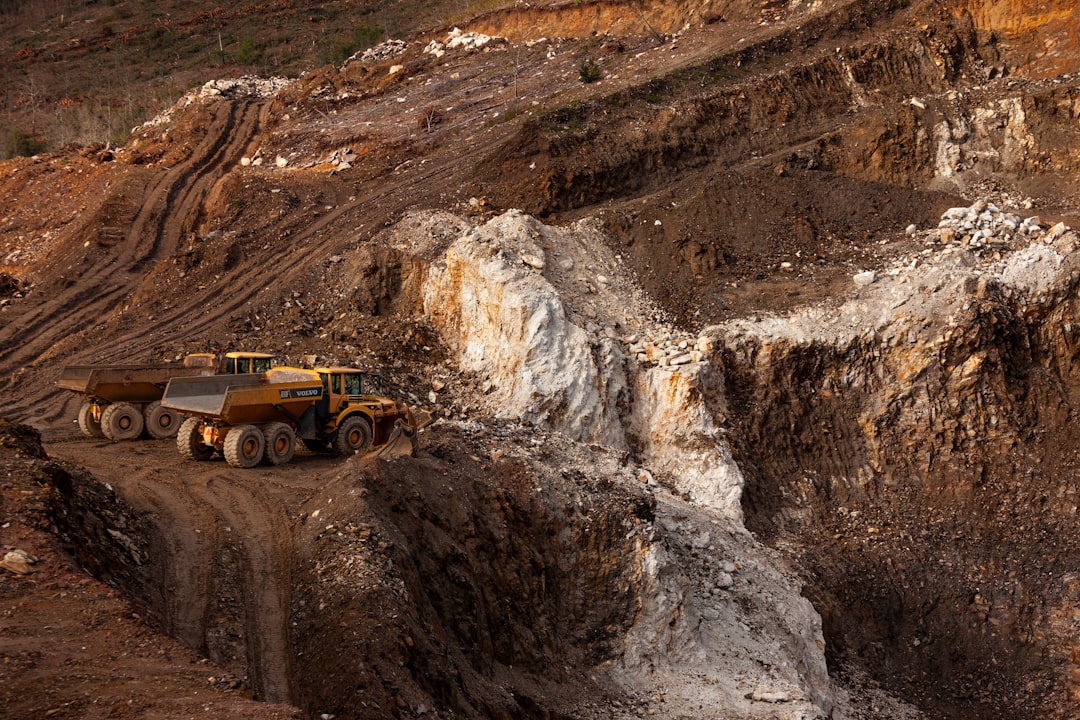
While critical minerals are essential for technological advancement and economic growth, their extraction poses significant environmental challenges. Mining operations can lead to habitat destruction, water pollution, and soil degradation. The processes involved in extracting these minerals often require substantial energy inputs and can generate considerable waste.
For instance, lithium extraction from brine can deplete local water resources, impacting ecosystems and communities that rely on these water sources. Furthermore, the environmental footprint of critical mineral extraction raises questions about sustainability. As demand for these minerals continues to rise, it is crucial to consider the long-term implications of their extraction on both the environment and local communities.
Striking a balance between resource development and environmental stewardship is essential for ensuring that future generations can benefit from these vital resources without compromising ecological integrity.
The Geopolitical Significance of Critical Minerals
The geopolitical landscape is increasingly influenced by the availability and control of critical minerals. Nations that possess significant reserves can leverage their resources as tools of power in international relations. For example, China’s dominance in rare earth elements has allowed it to exert influence over global supply chains, raising concerns among other countries about their dependence on Chinese exports.
This dynamic has prompted nations to reassess their own mineral strategies and seek alternative sources. Moreover, the competition for critical minerals can exacerbate existing geopolitical tensions. As countries strive for technological independence and security in their supply chains, they may engage in strategic partnerships or even conflicts over resource access.
The geopolitical significance of critical minerals underscores the need for comprehensive policies that address both national security concerns and international cooperation in resource management.
The Challenges of Securing a Stable Supply of Critical Minerals
Securing a stable supply of critical minerals presents numerous challenges that require coordinated efforts from governments, industries, and researchers. One major issue is the concentration of mineral production in specific regions, which creates vulnerabilities in global supply chains. For instance, disruptions caused by political instability or natural disasters in key producing countries can have far-reaching consequences for industries reliant on these resources.
Additionally, the increasing demand for critical minerals poses challenges related to sustainable extraction practices. As mining operations expand to meet this demand, there is a risk of overexploitation and environmental degradation. Ensuring a stable supply requires not only diversifying sources but also investing in sustainable mining practices that minimize ecological impact while maximizing resource recovery.
Innovation and Research in Critical Mineral Extraction and Processing
Innovation plays a crucial role in addressing the challenges associated with critical mineral extraction and processing. Researchers are exploring new technologies that enhance efficiency and reduce environmental impact in mining operations. For example, advancements in hydrometallurgy and biotechnological methods are being investigated as alternatives to traditional extraction techniques that often involve harmful chemicals.
Moreover, research into recycling critical minerals from electronic waste is gaining traction as a sustainable solution to resource scarcity. By developing efficient recycling processes, industries can reduce their reliance on newly mined materials while minimizing waste. This approach not only conserves resources but also mitigates some of the environmental impacts associated with mining activities.
The Role of Critical Minerals in Advancing Technology
Critical minerals are at the heart of technological advancement across various sectors. In the realm of renewable energy, for instance, they are essential for manufacturing components such as batteries and magnets used in wind turbines and electric vehicles. The transition to cleaner energy sources hinges on the availability of these materials, making them vital for achieving global climate goals.
Furthermore, critical minerals contribute to advancements in information technology and telecommunications. Elements like gallium and indium are crucial for producing semiconductors used in smartphones and computers. As technology continues to evolve rapidly, the demand for these minerals will only intensify, underscoring their importance in driving innovation and economic growth.
The Importance of Sustainable and Responsible Critical Mineral Sourcing
As awareness grows regarding the environmental and social implications of critical mineral extraction, there is an increasing emphasis on sustainable sourcing practices. Companies are being urged to adopt responsible mining practices that prioritize environmental protection and community engagement. This includes conducting thorough environmental impact assessments and ensuring that local communities benefit from mining activities through job creation and infrastructure development.
Sustainable sourcing also involves transparency in supply chains to prevent human rights abuses associated with mining operations. Initiatives aimed at certifying responsibly sourced minerals are gaining traction as consumers demand greater accountability from companies regarding their sourcing practices. By prioritizing sustainability and responsibility in critical mineral sourcing, industries can contribute to a more equitable and environmentally conscious future.
The Future of Critical Minerals in a Changing World
The future of critical minerals is poised to be shaped by several factors, including technological advancements, changing consumer preferences, and evolving geopolitical dynamics. As societies increasingly prioritize sustainability and digitalization, the demand for critical minerals is expected to rise significantly. This trend will necessitate innovative approaches to resource management that balance economic growth with environmental stewardship.
Moreover, as new technologies emerge—such as electric vehicles and renewable energy systems—the need for critical minerals will continue to evolve. Industries must remain agile in adapting to these changes while ensuring that their supply chains are resilient against potential disruptions. The future landscape of critical minerals will require collaboration among governments, businesses, and researchers to navigate challenges effectively.
The Need for International Cooperation in Managing Critical Mineral Resources
Given the global nature of critical mineral supply chains, international cooperation is essential for effective resource management. Countries must work together to establish frameworks that promote sustainable extraction practices while ensuring equitable access to resources. Collaborative efforts can help mitigate geopolitical tensions arising from competition over critical minerals by fostering dialogue and shared goals.
Additionally, international partnerships can facilitate knowledge sharing regarding best practices in mining and processing technologies. By pooling resources and expertise, nations can develop innovative solutions that address common challenges related to critical mineral sourcing while promoting environmental sustainability. Ultimately, fostering international cooperation will be key to ensuring a stable supply of critical minerals that supports both economic development and environmental protection on a global scale.
Critical minerals are essential components in the manufacturing of high-tech devices, renewable energy technologies, and various defense applications. These minerals, such as lithium, cobalt, and rare earth elements, are crucial for the development of batteries, magnets, and other advanced materials. Understanding the importance of these minerals is vital for ensuring a stable supply chain and supporting technological advancements.