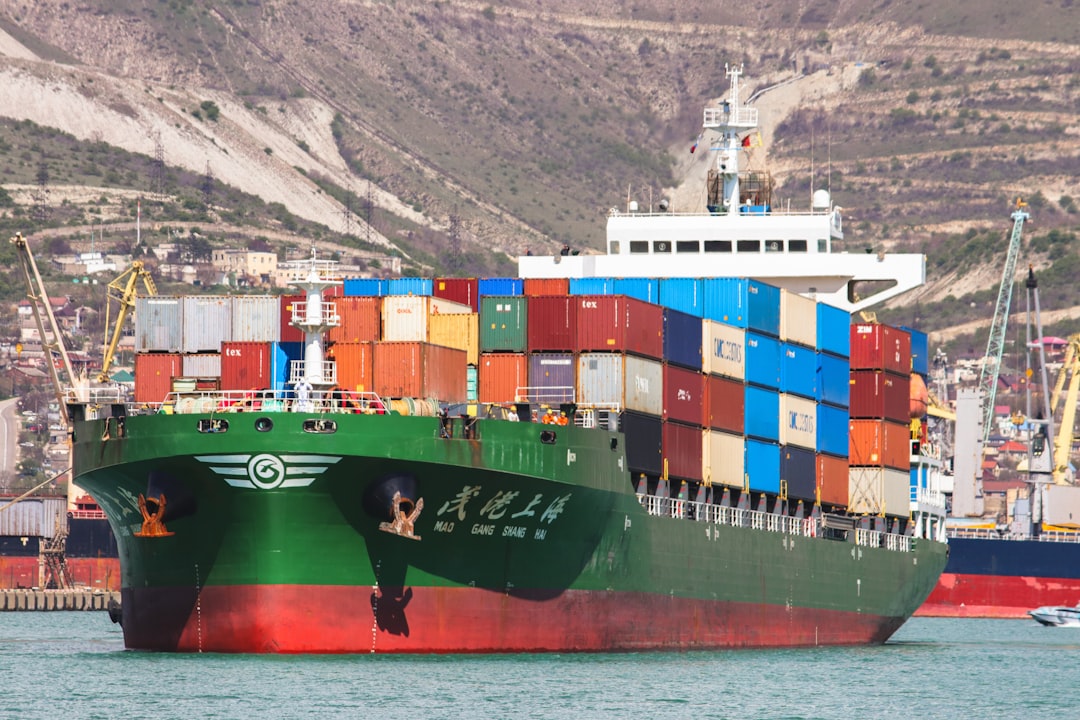
The Bab el Mandeb Strait, a chokepoint of immense strategic and economic significance, has become a focal point for rising shipping risk premiums. This narrow passage, connecting the Red Sea to the Gulf of Aden and the Indian Ocean, is a vital artery for global trade, particularly for energy and manufactured goods flowing between Asia, the Middle East, and Europe. However, escalating geopolitical tensions and security concerns have transformed it into a zone of increased peril, directly impacting the cost of maritime transportation. Understanding the dynamics of these shipping risk premiums requires a detailed examination of the factors contributing to instability and the mechanisms through which these risks are assessed and priced.
The primary driver behind heightened shipping risk premiums in the Bab el Mandeb is the persistent and evolving geopolitical instability in the surrounding regions. These tensions are not monolithic but rather a complex interplay of state-sponsored rivalries, proxy conflicts, and the emergent threat of non-state actors wielding significant disruptive capabilities. The strait’s proximity to conflict zones, coupled with the potential for these conflicts to spill over into maritime domains, creates a volatile environment for shipping.
The Yemen Conflict and its Maritime Ramifications
The ongoing civil war in Yemen has had a profound and cascading effect on maritime security in the Bab el Mandeb. Houthi rebels, in control of significant portions of the Yemeni coastline adjacent to the strait, have demonstrated a capacity and willingness to target commercial shipping.
Attacks on Vessels and Infrastructure
Reports of missile and drone attacks, as well as maritime mine deployments attributed to Houthi forces, have become increasingly frequent. These attacks, indiscriminate in their targeting, pose a direct threat to the physical safety of vessels and their crews, as well as the integrity of the maritime infrastructure. The psychological impact on seafarers is also a significant consideration.
Interdiction and Blockade Attempts
Beyond direct attacks, there have been instances of attempted interdiction and de facto blockade measures, which disrupt the free flow of commerce. These actions, often aimed at pressuring the opposing side in the conflict, have a tangible impact on shipping schedules and, consequently, on global supply chains. The declaration of certain areas as no-go zones by warring factions further complicates navigation and increases operational uncertainty.
Regional Power Dynamics and Proxy Warfare
The Bab el Mandeb is situated within a broader theatre of regional power competition, particularly between Saudi Arabia and Iran, and their respective allies. This broader geopolitical rivalry often plays out through proxy forces, including those in Yemen, amplifying the potential for conflict to escalate and destabilize maritime routes.
Iranian Influence and Support for Houthi Operations
The demonstrable or perceived support provided by Iran to the Houthi movement is a critical factor in the ongoing security challenges. This support can manifest in the form of advanced weaponry, training, and intelligence, thereby enhancing the operational capabilities of groups capable of threatening shipping. The perceived intent behind such support, whether for direct projection of power or for disruptive purposes, contributes to risk assessment.
Saudi-led Coalition Operations and Countermeasures
The Saudi-led coalition’s counter-operations in Yemen also introduce maritime risks, albeit of a different nature. Naval patrols, air strikes, and the potential for encounters with opposing naval forces create a complex operational environment. The coalition’s efforts to secure the strait also involve increased scrutiny and potential delays for vessels perceived as a security risk.
Instability in Somalia and the Horn of Africa
While the primary focus has often been on Yemen, the broader instability in Somalia and the Horn of Africa has historically contributed to maritime insecurity in the wider region, including areas adjacent to the Bab el Mandeb. Although large-scale piracy has been suppressed in recent years, the underlying conditions that fueled it, such as weak governance and resource scarcity, remain.
Lingering Piracy Threats and Organized Crime
The residual threat of piracy and the presence of organized maritime criminal networks cannot be entirely discounted. While less prevalent than in the early 2010s, opportunistic attacks or the resurgence of more sophisticated piracy operations remain a potential concern, especially in less patrolled areas or during periods of heightened naval redeployment to other hotspots.
Smuggling and Illicit Trafficking Networks
Beyond piracy, the strait is also a route for significant smuggling operations, including arms, drugs, and other illicit goods. These activities, often undertaken by armed groups, can lead to confrontational encounters with naval patrols or even commercial vessels inadvertently caught in the crossfire. The presence of such networks adds another layer of unpredictability to the maritime environment.
The Bab el Mandeb Strait, a crucial maritime chokepoint for global shipping, has seen an increase in shipping risk premiums due to rising geopolitical tensions and piracy threats in the region. This situation highlights the importance of understanding regional dynamics and their impact on international trade. For a deeper exploration of how regional autonomy can influence stability and security, you can read the article titled “Empowering Regions: The Case for Regional Autonomy” at this link: Empowering Regions: The Case for Regional Autonomy.
The Economics of Shipping Risk
The tangible manifestation of these geopolitical and security risks is the imposition of shipping risk premiums. These premiums are not abstract figures but reflect the calculated financial exposure incurred by shipping companies, insurers, and charterers due to the increased probability of loss, damage, or delay. The pricing of these premiums is a sophisticated process that draws on a range of data and analytical tools.
War Risk Insurance and Premium Adjustments
The most direct mechanism for pricing shipping risk is through war risk insurance. This specialized form of insurance covers perils and losses beyond those covered by standard marine insurance, specifically those arising from acts of war, terrorism, strikes, riots, and civil commotions, as well as piracy.
Increased Premiums in High-Risk Zones
When vessels operate in or transit through designated high-risk areas like the Bab el Mandeb, war risk insurance premiums increase significantly. Insurers assess the threat levels based on intelligence reports, historical incident data, and the prevailing geopolitical situation. These adjustments translate directly into higher operational costs for ship owners and operators.
War Risk Clauses and Exclusions
The terms and conditions of war risk policies are crucial. Specific clauses may be added or modified to reflect the unique risks of a particular area, and exclusions might be tightened to limit insurer liability. For instance, coverage might be denied for transits through certain declared war zones or if vessels deviate from agreed-upon routes without proper authorization.
Hull and Machinery (H&M) Insurance Impact
While war risk insurance specifically covers the “war” perils, the increased threat environment also influences standard Hull and Machinery (H&M) insurance rates. Insurers consider the propensity for damage to the vessel itself, whether from direct attack or collateral damage, when assessing overall risk for H&M coverage.
Higher Deductibles and Premiums
A heightened risk profile can lead to higher deductibles for H&M claims and an overall increase in the annual premiums for H&M insurance. The accumulation of potential claims stemming from the Bab el Mandeb region can lead to a reassessment of the entire maritime insurance market’s exposure.
Underwriter Scrutiny and Vessel Classification
Underwriters will scrutinize vessel details, crew experience, and operational procedures more rigorously when insuring ships intended for high-risk areas. The classification of a vessel and its security augmentation measures can also play a role in the insurability and cost of H&M coverage.
Deferment Rates and Charter Party Negotiations
Beyond insurance, the cost of shipping risk is embedded in other commercial arrangements, most notably through deferment rates and charter party negotiations.
Demurrage and Delay Costs
When vessels are delayed due to security concerns, rerouting, or waiting for safe passage, significant financial losses are incurred. These “demurrage” costs, representing lost revenue for the ship owner and potential penalties for the charterer, are indirectly factored into the overall economics of using the Bab el Mandeb route.
Charter Party Clauses and Risk Allocation
Charter parties are the contracts that govern the hire of a ship. Clauses related to deviate rights, off-hire periods due to security incidents, and who bears the cost of additional security measures are heavily negotiated in recognition of the Bab el Mandeb’s risks. The inclusion of specific risk allocation clauses can significantly impact the financial burden on either party.
Security Measures and Mitigation Strategies
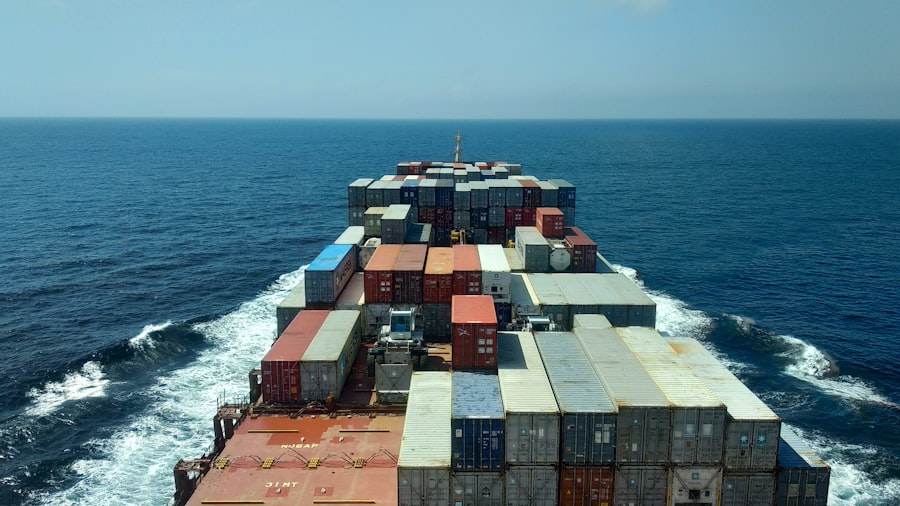
In response to the escalating risks, shipping companies, international organizations, and naval forces have deployed a range of security measures and mitigation strategies to safeguard vessels transiting the Bab el Mandeb. These efforts aim to deter attacks, protect assets, and ensure the continued flow of trade.
Naval Patrols and Escorts
International naval forces maintain a significant presence in and around the Bab el Mandeb as part of broader maritime security operations. These patrols serve as a deterrent and offer the possibility of escorts for vulnerable vessels.
Combined Task Forces and International Cooperation
Coalition task forces, comprising vessels from various nations, actively patrol the Red Sea and the Gulf of Aden. This international cooperation is crucial for covering the vast expanse of water and responding to threats effectively and efficiently.
Dedicated Escort Operations
In certain high-threat instances, naval vessels may provide direct escorts for commercial shipping. These operations require significant coordination and can be resource-intensive, but they provide a tangible layer of protection to individual vessels.
Vessel Hardening and Security Protocols
Shipping companies themselves implement a variety of measures to enhance vessel security and crew safety. These protocols are designed to make vessels less attractive targets and increase their resilience in the event of an attack.
Best Management Practices (BMP)
The maritime industry, through organizations like the International Maritime Organization (IMO) and industry bodies, promotes Best Management Practices (BMP) for piracy and armed robbery. These practices include physical security measures, onboard procedures, and crew training.
Onboard Security Personnel and Equipment
Some vessels operating in high-risk areas may employ private armed security personnel (PSPs). Compliance with international regulations regarding the use of PSPs is paramount. Additionally, vessels may be equipped with enhanced surveillance systems, communication equipment, and anti-boarding measures.
Route Optimization and Avoidance
While the Bab el Mandeb is a critical chokepoint, shipping companies also explore strategies to minimize exposure, including route optimization and, where feasible, avoidance.
Rerouting Options and Extended Transit Times
In periods of extreme volatility, some shipping lines may opt to reroute vessels around the Cape of Good Hope. This significantly increases transit times and fuel costs but can be deemed necessary to avoid the immediate dangers of the Bab el Mandeb. However, the economic implications of such rerouting are substantial, impacting global supply chains.
Real-time Threat Intelligence and Dynamic Routing
Effective navigation in high-risk areas relies on real-time threat intelligence. Shipping companies and vessel operators closely monitor updates from naval forces, intelligence agencies, and maritime security organizations to make dynamic routing decisions and adapt to changing threat landscapes.
The Impact on Global Supply Chains
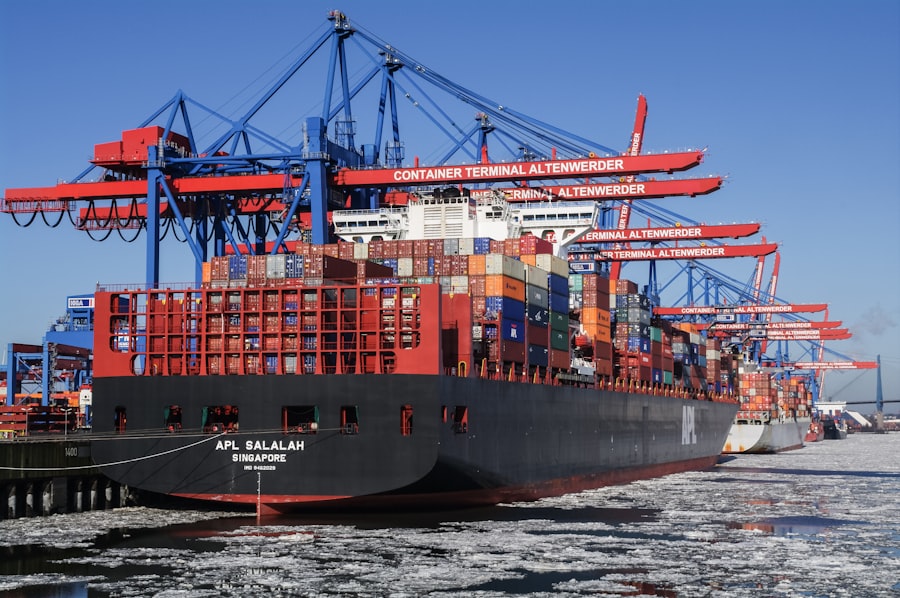
The increased shipping risk premiums associated with the Bab el Mandeb exert a significant ripple effect throughout global supply chains, affecting businesses and consumers worldwide. These impacts are multifaceted, influencing costs, lead times, and the overall resilience of international trade.
Increased Transportation Costs
The most immediate consequence of elevated risk premiums is the direct increase in transportation costs. Higher insurance premiums, potential for longer transit times due to rerouting or security delays, and the cost of implementing additional security measures are all passed on to the end consumer.
Inflationary Pressures
These increased shipping costs contribute to broader inflationary pressures. As the cost of moving goods rises, so too does the cost of the goods themselves, affecting everything from electronics and clothing to raw materials and finished products.
Competitiveness and Sourcing Decisions
For businesses, particularly those with tight margins, elevated shipping costs can impact their competitiveness. It may force them to reconsider sourcing decisions, explore alternative logistical routes, or absorb the increased costs, thereby reducing profitability.
Extended Lead Times and Inventory Management
Security concerns and potential disruptions in the Bab el Mandeb can lead to extended lead times for goods. This uncertainty impacts inventory management strategies for businesses.
Just-in-Time vs. Just-in-Case
The concept of “just-in-time” inventory management, which relies on predictable and efficient supply chains, becomes more challenging. Businesses may be forced to adopt a “just-in-case” approach, holding larger inventories to buffer against potential disruptions, which incurs additional storage and capital costs.
Production Scheduling and Planning
Extended lead times can also disrupt production schedules for manufacturing industries that rely on a steady flow of components and raw materials arriving via maritime routes that traverse the Bab el Mandeb.
Supply Chain Vulnerability and Resilience
The Bab el Mandeb’s strategic importance means that disruptions there expose the inherent vulnerabilities of global supply chains, which have become increasingly interconnected and complex.
Concentration Risk
The reliance on a few key chokepoints, such as the Bab el Mandeb, creates a concentration risk. If this single point is compromised, the impact on global trade can be severe, highlighting the need for diversification of trade routes and production facilities.
Reshoring and Nearshoring Considerations
The persistent threats in critical maritime passages may also prompt a reevaluation of global sourcing strategies, potentially leading to increased interest in reshoring (bringing production back to domestic markets) or nearshoring (relocating production to closer geographic locations) to reduce reliance on long and vulnerable supply lines.
The Bab el Mandeb Strait, a crucial maritime chokepoint, has seen an increase in shipping risk premiums due to geopolitical tensions and piracy threats. This situation is further complicated by environmental concerns, such as coastal erosion, which can impact the stability of shipping routes. For a deeper understanding of how these environmental factors affect coastal areas and potentially influence shipping dynamics, you can read more in this article on coastal erosion.
Future Outlook and Long-Term Implications
| Year | Shipping Risk Premium (%) |
|---|---|
| 2015 | 0.8 |
| 2016 | 1.2 |
| 2017 | 1.5 |
| 2018 | 1.3 |
| 2019 | 1.7 |
The situation in the Bab el Mandeb is a dynamic and evolving one. Predicting the precise trajectory of shipping risk premiums requires an ongoing assessment of geopolitical developments, the effectiveness of security measures, and the adaptability of the global maritime industry.
Geopolitical De-escalation vs. Persistent Instability
The future of shipping risk premiums in this critical strait hinges on whether the underlying geopolitical tensions can be de-escalated or contained. A sustained period of regional stability would likely lead to a reduction in premiums as perceived risk diminishes. Conversely, continued or escalating conflict would almost certainly maintain or increase these costs.
Diplomatic Efforts and Regional Security Dialogues
The success of diplomatic initiatives and the establishment of robust regional security dialogues will be pivotal. Efforts to resolve the conflicts in Yemen and address the broader regional power dynamics could significantly alter the risk calculus for shipping.
Evolving Threat Landscapes
The nature of threats is also likely to evolve. As defensive measures improve, adversaries may seek new ways to disrupt maritime traffic, requiring continuous adaptation of security strategies and risk assessment methodologies.
Technological Advancements in Maritime Security
Technological advancements are poised to play a crucial role in both mitigating risks and potentially introducing new ones.
Enhanced Surveillance and Threat Detection
Improvements in satellite surveillance, artificial intelligence for threat detection, and autonomous maritime systems could enhance the ability of naval forces and commercial operators to identify and respond to threats more effectively, potentially reducing the need for constant physical escorts.
Cyber Threats to Maritime Operations
Conversely, the increasing reliance on digital technologies within the maritime sector also opens up avenues for cyber-attacks, which could disrupt operations or compromise sensitive security information, adding a new dimension to risk assessment.
The Enduring Significance of Chokepoints
The Bab el Mandeb, alongside other maritime chokepoints globally, will undoubtedly remain a focal point for geopolitical and economic considerations. Its strategic importance guarantees continued attention from states, international organizations, and commercial actors.
Trade Diversification and Infrastructure Development
In the long term, the challenges presented by the Bab el Mandeb may spur greater investment in alternative trade routes and infrastructure development. This could include the expansion of land-based corridors or the exploration of less congested maritime passages, thereby reducing reliance on vulnerable chokepoints like the Bab el Mandeb.
The Economic Cost of Geopolitical Instability
Ultimately, the Bab el Mandeb serves as a stark reminder of the substantial economic cost of geopolitical instability. The shipping risk premiums observed there are a direct manifestation of the unpredictable and often dangerous environment that global trade must navigate in a complex world. The ongoing management of these risks will require a sustained commitment to security, a pragmatic approach to insurance and chartering, and a keen understanding of the interconnectedness of global commerce and international relations.
FAQs
What is the Bab el Mandeb strait?
The Bab el Mandeb strait is a narrow passage connecting the Red Sea to the Gulf of Aden and the Arabian Sea. It is a critical chokepoint for international shipping, particularly for vessels traveling to and from the Suez Canal.
Why are shipping risk premiums higher in the Bab el Mandeb strait?
Shipping risk premiums are higher in the Bab el Mandeb strait due to its strategic importance and the potential risks associated with piracy, political instability, and military conflict in the region. These factors increase the insurance costs for vessels passing through the strait.
How do shipping risk premiums impact maritime trade?
Higher shipping risk premiums can increase the overall cost of maritime trade, as shipping companies pass on the increased insurance costs to their customers. This can affect the pricing of goods and impact the profitability of shipping routes that pass through the Bab el Mandeb strait.
What measures are in place to mitigate risks in the Bab el Mandeb strait?
To mitigate risks in the Bab el Mandeb strait, international naval forces conduct patrols and provide escorts for commercial vessels. Additionally, shipping companies may implement security measures such as hiring private armed guards or altering their routes to avoid high-risk areas.
Are there any ongoing efforts to reduce shipping risk premiums in the Bab el Mandeb strait?
Efforts to reduce shipping risk premiums in the Bab el Mandeb strait include international cooperation to combat piracy, diplomatic initiatives to address political instability, and investments in infrastructure and security measures to improve the safety of maritime trade in the region.