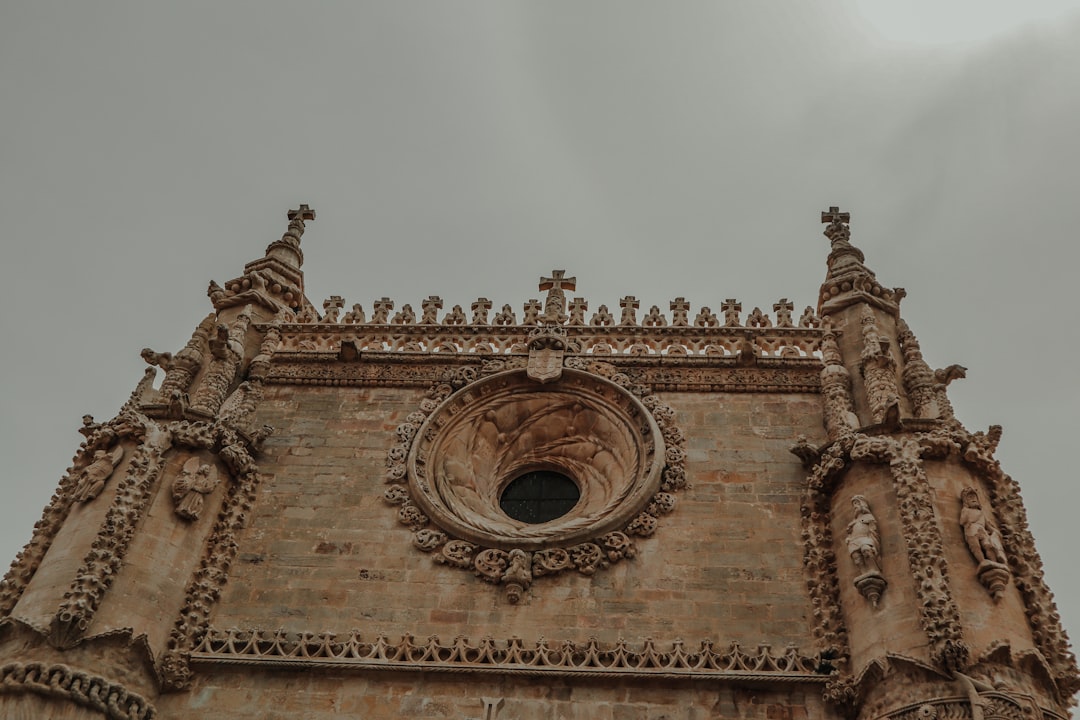
The Spanish Inquisition stands as one of the most notorious institutions in history, often evoking images of dark dungeons, relentless persecution, and a society gripped by fear. Established in the late 15th century, it was a judicial system that sought to maintain Catholic orthodoxy in Spain following the Reconquista, the centuries-long effort to reclaim the Iberian Peninsula from Muslim rule. The Inquisition’s legacy is complex, marked by both its role in shaping Spanish identity and its reputation for brutality.
As historians delve into its intricacies, they uncover a narrative that is as multifaceted as it is chilling. The Inquisition’s influence extended far beyond mere religious enforcement; it became a tool of political power and social control. The fear it instilled in the populace served to consolidate the authority of the monarchy and the Church, intertwining their fates in a manner that would leave an indelible mark on Spanish history.
Understanding the Spanish Inquisition requires not only an examination of its historical context but also an exploration of its lasting effects on culture, society, and religion.
Key Takeaways
- The Spanish Inquisition was a powerful institution established by the Catholic Monarchs in the late 15th century to maintain Catholic orthodoxy in Spain.
- The Spanish Inquisition used methods such as torture, imprisonment, and execution to enforce religious conformity and eliminate heresy.
- The Spanish Inquisition had a significant impact on Spanish society, leading to fear, suspicion, and the expulsion of non-Catholics from Spain.
- The Church played a central role in the Spanish Inquisition, providing theological justification and support for its activities.
- The legacy of the Spanish Inquisition continues to influence modern perceptions and understanding of religious intolerance and persecution.
Origins and Purpose of the Spanish Inquisition
The origins of the Spanish Inquisition can be traced back to the tumultuous period following the Reconquista, which culminated in 1492 with the fall of Granada.
This desire for religious homogeneity was fueled by a growing fear of conversos—Jews who had converted to Christianity but were suspected of secretly practicing their former faith.
The monarchs believed that these individuals posed a threat to the stability of their realm and sought to root out heresy. The primary purpose of the Inquisition was to identify and punish heretics, thereby ensuring the purity of the Catholic faith in Spain. It was not merely a religious endeavor; it also served political ends by reinforcing the power of the monarchy and the Church.
By establishing a centralized authority to investigate and prosecute heresy, Ferdinand and Isabella aimed to eliminate dissent and consolidate their rule. The Inquisition thus became a means of social control, instilling fear among the populace and discouraging any challenges to the established order.
Methods and Tactics Used by the Spanish Inquisition

The methods employed by the Spanish Inquisition were often brutal and unforgiving. The inquisitors wielded significant power, operating with little oversight and employing a range of tactics designed to extract confessions from suspected heretics. Torture was a common practice, with various instruments designed to inflict pain and induce compliance.
The infamous strappado, where victims were suspended by their arms, was just one of many techniques used to break down resistance.
The atmosphere of fear created by public trials and executions served as a deterrent to potential dissenters.
Accusations could be made anonymously, leading to a culture of suspicion where neighbors turned against one another. The inquisitors often relied on informants and testimonies from those seeking favor or leniency, further complicating the pursuit of justice. This combination of physical and psychological methods ensured that the Inquisition maintained its grip on society.
Impact of the Spanish Inquisition on Spanish Society
| Aspect | Impact |
|---|---|
| Religious Unity | Enforced religious conformity and led to the expulsion of non-Christians, creating a more homogeneous society. |
| Fear and Control | Instilled fear and control over the population, leading to self-censorship and a culture of suspicion. |
| Economic Impact | Contributed to the decline of Spain’s economy by driving out skilled workers and intellectuals. |
| Social Division | Created social divisions and tensions between different religious and ethnic groups. |
| Cultural Stagnation | Stifled intellectual and cultural development, leading to a period of stagnation in Spanish society. |
The impact of the Spanish Inquisition on society was profound and far-reaching. It instilled a pervasive sense of fear that permeated all levels of life in Spain. Communities were torn apart as individuals were accused and denounced, leading to a breakdown of trust among neighbors.
The Inquisition’s reach extended into every corner of society, affecting not only those accused of heresy but also those who lived in constant fear of being implicated. Moreover, the Inquisition stifled intellectual and cultural development. Scholars and thinkers who might have challenged prevailing norms faced persecution or exile.
The atmosphere of suspicion discouraged open discourse, leading to a stagnation in artistic and scientific progress during a time when Europe was experiencing significant advancements elsewhere. The legacy of this cultural repression would be felt for generations, as Spain lagged behind other European nations in various fields.
The Role of the Church in the Spanish Inquisition
The Catholic Church played a central role in the establishment and operation of the Spanish Inquisition. Initially sanctioned by Pope Sixtus IV in 1478, it became an instrument through which the Church sought to assert its authority over religious matters in Spain. The inquisitors were often members of religious orders, such as the Dominicans or Franciscans, who were tasked with rooting out heresy in accordance with Church doctrine.
The Church’s involvement lent an air of legitimacy to the Inquisition’s activities, framing them as necessary for the preservation of faith. However, this partnership between church and state also raised questions about moral authority. As inquisitors operated with impunity, their actions often contradicted the very tenets of compassion and forgiveness that Christianity espouses.
This duality highlights the complexities inherent in the relationship between religion and power during this tumultuous period.
The Myth of the Spanish Inquisition: Separating Fact from Fiction

Over time, the Spanish Inquisition has become shrouded in myth and exaggeration, often depicted as an unrelenting force of terror that indiscriminately persecuted countless innocents. While it is true that many suffered under its scrutiny, historical records indicate that the number of executions was significantly lower than popular belief suggests. Estimates vary widely, but some historians argue that only a few thousand were executed over several centuries, challenging the notion that it was an all-encompassing reign of terror.
This mythologizing has been fueled by literature, film, and popular culture, which often portray the Inquisition as an archetype of cruelty and oppression. Such representations can obscure the nuanced realities faced by those living under its jurisdiction. By examining primary sources and scholarly research, one can begin to disentangle fact from fiction, gaining a more accurate understanding of this complex institution.
Historical Lies and Misconceptions about the Spanish Inquisition
Numerous misconceptions about the Spanish Inquisition have persisted throughout history, often perpetuated by sensationalist narratives. One prevalent myth is that it was solely focused on targeting Jews; while conversos were indeed a primary concern, other groups—including Protestants and various sects deemed heretical—were also persecuted. This broader scope complicates the narrative surrounding religious intolerance during this period.
Another misconception is that all accused individuals faced execution or severe punishment. In reality, many cases resulted in lesser penalties such as fines or imprisonment. The inquisitorial process included opportunities for individuals to defend themselves or recant their beliefs, albeit under duress.
These nuances are often overlooked in favor of more dramatic portrayals that emphasize violence over legal proceedings.
The Legacy of the Spanish Inquisition in Modern Times
The legacy of the Spanish Inquisition continues to resonate in contemporary discussions about religious tolerance and human rights. Its history serves as a cautionary tale about the dangers of unchecked power and fanaticism. As societies grapple with issues related to freedom of belief and expression today, reflections on the Inquisition can provide valuable insights into how fear can be weaponized against marginalized groups.
Moreover, modern interpretations have led to a reevaluation of historical narratives surrounding religious persecution. Scholars increasingly emphasize the importance of context when examining events like the Inquisition, recognizing that they are often products of their time rather than isolated incidents. This shift encourages a more nuanced understanding of how societies navigate issues related to faith and identity.
Reevaluating the Spanish Inquisition: New Perspectives and Interpretations
Recent scholarship has sought to reevaluate traditional narratives surrounding the Spanish Inquisition by incorporating diverse perspectives and methodologies. Historians are increasingly examining not only the actions of inquisitors but also the experiences of those accused and their communities. This approach allows for a more comprehensive understanding of how individuals navigated their realities under such oppressive circumstances.
Additionally, interdisciplinary studies have emerged that connect historical events with broader themes such as colonialism, nationalism, and identity formation. By situating the Inquisition within these larger frameworks, scholars can better understand its implications for both historical and contemporary societies. This reevaluation underscores the importance of critical engagement with history as a means to foster empathy and understanding across cultural divides.
The Importance of Understanding the Truth about the Spanish Inquisition
Understanding the truth about the Spanish Inquisition is crucial for several reasons. First and foremost, it allows for an accurate portrayal of history that honors those who suffered under its regime while also acknowledging the complexities involved in such narratives. By confronting uncomfortable truths about past injustices, societies can work towards healing and reconciliation.
Furthermore, grappling with historical realities encourages critical thinking about contemporary issues related to intolerance and discrimination. As modern societies face challenges related to religious extremism and xenophobia, lessons drawn from events like the Inquisition can inform efforts to promote dialogue and understanding among diverse communities. Recognizing patterns from history can empower individuals to advocate for justice and equality in their own contexts.
Learning from the Past and Moving Forward
In conclusion, the Spanish Inquisition remains a powerful symbol of religious intolerance and state-sanctioned persecution. Its origins rooted in political ambition and societal fears reveal how easily power can be abused when left unchecked. By examining its methods, impact, and legacy through a critical lens, one can glean valuable lessons about human rights, empathy, and social responsibility.
As societies continue to navigate complex issues related to faith and identity today, understanding historical injustices like those perpetrated by the Spanish Inquisition becomes essential for fostering a more inclusive future. Learning from past mistakes allows individuals and communities alike to move forward with greater awareness and commitment to justice for all—ensuring that history does not repeat itself but instead serves as a guide toward a more compassionate world.
The Spanish Inquisition is often shrouded in myths and misconceptions, many of which have been perpetuated over the centuries. These historical inaccuracies have painted a picture of the Inquisition that is often more fiction than fact. For those interested in exploring the truth behind these myths, a related article on the topic can be found on Real Lore and Order. This article delves into the common misconceptions and provides a more nuanced understanding of the historical events. To read more about the historical lies surrounding the Spanish Inquisition, visit this article.
WATCH THIS! 50 Historical Lies You Believe Because of Movies
FAQs
What is the Spanish Inquisition?
The Spanish Inquisition was a judicial institution established in 1478 by Catholic Monarchs Ferdinand II of Aragon and Isabella I of Castile. Its purpose was to maintain Catholic orthodoxy in their kingdoms and to replace the medieval inquisition which was under papal control.
What were some of the historical lies about the Spanish Inquisition?
Some of the historical lies about the Spanish Inquisition include the belief that it was solely focused on torturing and executing people, that it was solely motivated by religious fanaticism, and that it was responsible for a large number of deaths.
What were the actual functions of the Spanish Inquisition?
The Spanish Inquisition was primarily concerned with enforcing Catholic orthodoxy and identifying heretics, conversos (Jews and Muslims who had converted to Christianity), and moriscos (Muslims who had converted to Christianity) who were secretly practicing their original faiths.
How were trials conducted during the Spanish Inquisition?
Trials during the Spanish Inquisition were conducted in secret and the accused were not allowed legal representation. The use of torture was permitted, but it was not as widespread as commonly believed.
What were the consequences of being found guilty by the Spanish Inquisition?
The consequences of being found guilty by the Spanish Inquisition could include imprisonment, fines, confiscation of property, or in extreme cases, execution. However, the majority of cases did not result in the death penalty.
What was the impact of the Spanish Inquisition on Spanish society?
The Spanish Inquisition had a significant impact on Spanish society, as it created an atmosphere of fear and suspicion, and led to the expulsion of Jews and Muslims from Spain in 1492. It also contributed to the consolidation of Catholicism as the dominant religion in Spain.