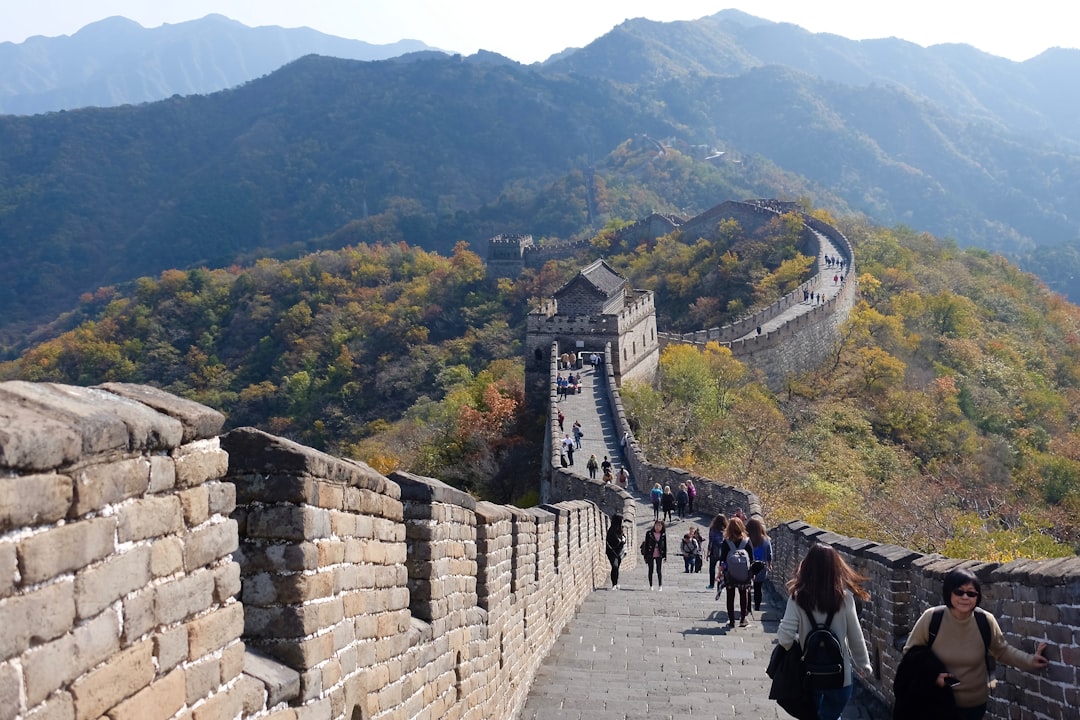
The Great Wall of China stands as one of the most iconic structures in the world, a testament to human ingenuity and perseverance. Stretching over 13,000 miles, this monumental edifice has captured the imagination of countless generations, inspiring tales of bravery, sacrifice, and mystery. It is not merely a wall; it is a symbol of China’s historical resilience and cultural identity.
This portrayal has contributed to a rich tapestry of myths and legends surrounding the wall, making it a subject of fascination for historians and tourists alike. However, the allure of the Great Wall extends beyond its physical presence.
It embodies the spirit of a nation that has endured through centuries of turmoil and change. The stories woven into its history reflect the values and beliefs of the people who built it, as well as those who have lived in its shadow. From tales of heroic soldiers defending their homeland to legends of mythical creatures guarding its stones, the Great Wall serves as a canvas for the collective memory of a civilization.
As one delves deeper into its history, it becomes evident that the Great Wall is not just a structure; it is a living narrative that continues to evolve with each passing generation.
Key Takeaways
- The Great Wall of China is a monumental structure steeped in myth and legend, capturing the imagination of people around the world.
- Common myths about the Great Wall, such as it being visible from space, are debunked through historical and scientific evidence.
- The true purpose of the Great Wall is explored, separating fact from fiction and shedding light on its role in Chinese history.
- Misconceptions about the construction of the Great Wall are dispelled, revealing the true labor and engineering behind this iconic structure.
- The Great Wall’s impact on Chinese history, culture, and modern China is examined, separating fact from fiction and highlighting its enduring significance.
Unraveling the Truth: Debunking Common Myths about the Great Wall
Despite its grandeur, many misconceptions about the Great Wall persist. One prevalent myth is that the wall is a single continuous structure. In reality, it comprises various sections built by different dynasties over centuries, each with its unique architectural style and purpose.
The most famous sections, such as those near Beijing, were constructed during the Ming Dynasty (1368-1644), but earlier walls date back to the 7th century BThis fragmented nature of the wall challenges the notion of a singular, unbroken barrier and highlights the complexity of its construction. Another common myth is that the Great Wall is visible from space. While it is an impressive feat of engineering, astronauts have confirmed that it is not easily distinguishable from orbit without aid.
The wall’s color and texture blend with the surrounding landscape, making it difficult to spot with the naked eye. This misconception has been perpetuated by popular culture and serves as a reminder of how myths can overshadow reality, transforming a remarkable achievement into an exaggerated tale.
The Great Wall’s True Purpose: Separating Fact from Fiction
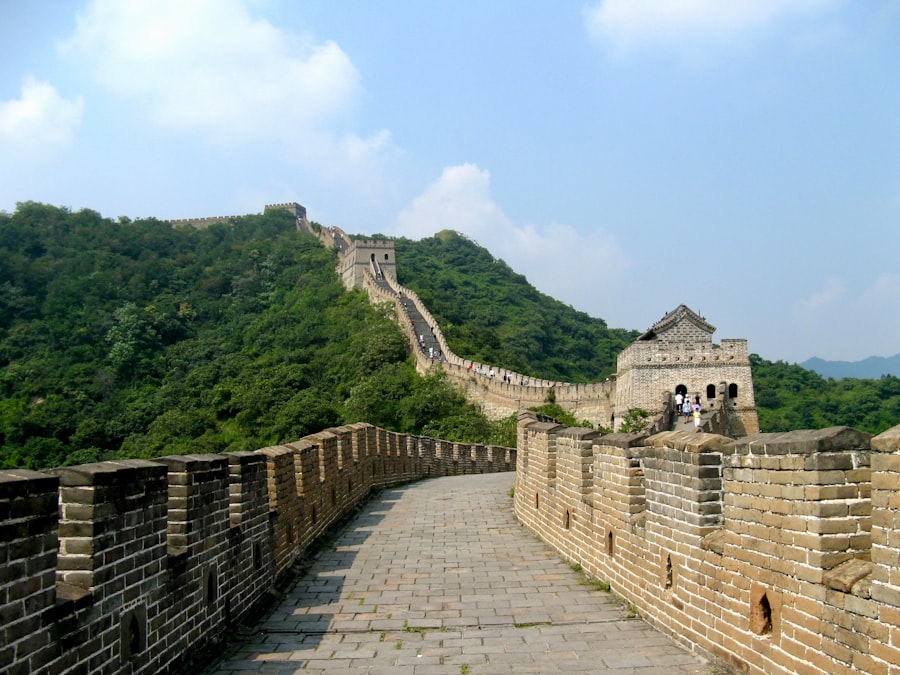
The primary purpose of the Great Wall was to serve as a defensive structure against invasions from nomadic tribes in the north. However, its role extended beyond mere military defense. The wall functioned as a means of border control, regulating trade and immigration along the Silk Road.
By monitoring movement across its expanse, the Chinese government could manage resources and maintain stability within its territories. This multifaceted purpose underscores the wall’s significance in shaping China’s historical landscape. Moreover, the Great Wall also served as a psychological barrier, instilling a sense of security among the Chinese populace.
Its imposing presence symbolized strength and unity, reinforcing national identity during times of conflict. While it was not entirely effective in preventing invasions—many breaches occurred throughout history—the wall’s existence played a crucial role in shaping perceptions of safety and sovereignty. Understanding these complexities allows for a more nuanced appreciation of the Great Wall’s significance in Chinese history.
The Construction of the Great Wall: Dispelling Misconceptions
| Metrics | Data |
|---|---|
| Length of the Great Wall | 21,196.18 miles |
| Construction Period | Several centuries |
| Myth: Visible from space | Debunked by astronauts |
| Myth: Built by slaves | Constructed by paid workers, soldiers, and local communities |
The construction of the Great Wall was an immense undertaking that spanned several dynasties and involved millions of laborers. Contrary to popular belief, it was not solely built by soldiers; peasants, prisoners, and even skilled artisans contributed to its construction. Many were conscripted into labor during times of war or famine, leading to harsh working conditions and significant loss of life.
This grim reality contrasts sharply with romanticized narratives that depict heroic builders laboring under noble causes. Additionally, misconceptions about the materials used in construction abound. While some sections were built using stone and brick, others were constructed from tamped earth and wood.
The choice of materials often depended on local resources and environmental conditions. For instance, in mountainous regions, stones were readily available, while in areas with fewer resources, earth was compacted to form sturdy walls. This diversity in construction techniques reflects not only the adaptability of ancient builders but also the varying challenges they faced across different terrains.
The Great Wall’s Role in Chinese History: Separating Fact from Fiction
Throughout Chinese history, the Great Wall has played a pivotal role in shaping political dynamics and cultural identity. It served as a physical manifestation of imperial power, marking territorial boundaries and asserting control over vast regions. However, its significance extends beyond mere defense; it also facilitated trade and cultural exchange along the Silk Road.
By providing protection for merchants and travelers, the wall contributed to economic prosperity and cultural diffusion between East and West. Moreover, the Great Wall has been a site of political symbolism throughout various dynasties. Emperors often commissioned repairs or expansions to demonstrate their strength and commitment to national security.
During times of peace, sections of the wall were repurposed for trade routes or agricultural development, showcasing its adaptability to changing political landscapes. This multifaceted role highlights how the Great Wall has been woven into the fabric of Chinese history, serving as both a protector and a facilitator of progress.
The Great Wall’s Impact on Chinese Culture: Separating Fact from Fiction
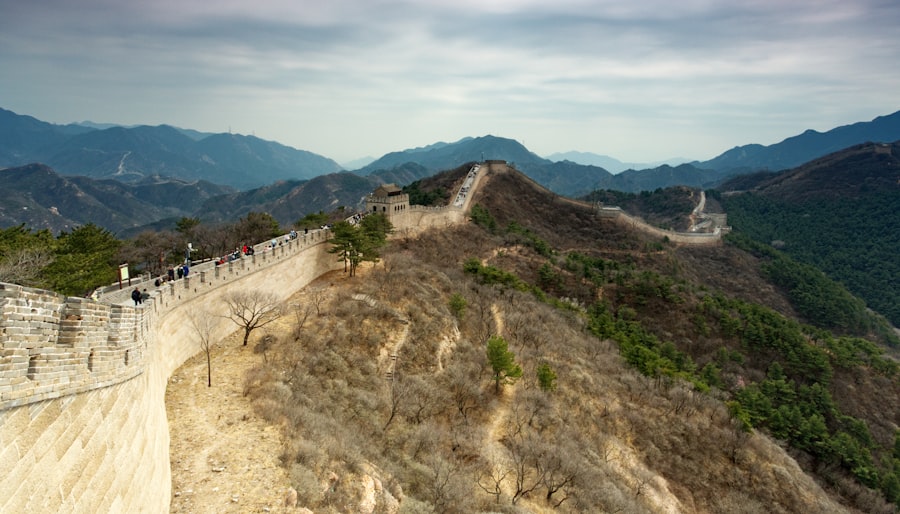
The cultural impact of the Great Wall extends far beyond its physical structure; it has become an enduring symbol of Chinese identity and resilience. Its image is often invoked in literature, art, and folklore, representing not only national pride but also themes of perseverance against adversity. The wall’s presence in popular culture reinforces its status as an emblematic feature of China, inspiring countless works that celebrate its grandeur and historical significance.
Furthermore, the Great Wall has influenced various aspects of Chinese philosophy and values. It embodies concepts such as unity, strength in diversity, and collective effort—principles deeply rooted in Chinese culture. The wall serves as a reminder of the sacrifices made by those who built it and those who defended it throughout history.
As such, it continues to resonate with contemporary audiences, fostering a sense of connection to China’s rich heritage.
The Great Wall’s Influence on Modern China: Separating Fact from Fiction
In modern times, the Great Wall has evolved into a symbol not only of historical significance but also of national pride for contemporary China. It attracts millions of tourists each year, contributing significantly to China’s economy through tourism revenue. This influx has led to increased efforts to preserve and restore various sections of the wall, ensuring that future generations can appreciate its grandeur.
However, this commercialization raises questions about authenticity and preservation. Some argue that excessive tourism can lead to degradation and loss of cultural integrity. Balancing economic benefits with conservation efforts presents a challenge for modern China as it navigates its relationship with this iconic monument.
The ongoing dialogue surrounding the Great Wall reflects broader themes in contemporary society regarding heritage preservation and national identity.
The Great Wall’s Connection to the Silk Road: Separating Fact from Fiction
The Great Wall’s connection to the Silk Road is often romanticized as a conduit for trade between East and West. While it did play a role in facilitating commerce along this ancient trade route, its primary function was not solely economic but also protective. The wall provided security for merchants traveling through potentially hostile territories, allowing for safer passage and fostering trade relationships between diverse cultures.
Moreover, the Silk Road was not just a physical route; it represented a complex network of cultural exchange that transcended geographical boundaries. The Great Wall’s presence along this route symbolizes China’s openness to external influences while simultaneously asserting its sovereignty. This duality reflects the intricate relationship between protectionism and globalization that has characterized China’s historical interactions with other civilizations.
The Great Wall’s Mythical Creatures: Separating Fact from Fiction
Legends surrounding mythical creatures associated with the Great Wall add another layer to its rich narrative tapestry. Folklore often speaks of dragons guarding its stones or spirits protecting travelers along its path. These mythical beings serve as metaphors for strength and vigilance, embodying cultural values deeply ingrained in Chinese society.
While these stories may not be rooted in historical fact, they highlight how mythology intertwines with reality to create a compelling narrative around the Great Wall. Such tales reflect humanity’s desire to find meaning in monumental structures and connect them to broader themes of protection and perseverance against adversity.
The Great Wall’s Legends and Folklore: Separating Fact from Fiction
The legends associated with the Great Wall are as diverse as they are captivating. Stories abound about lost souls wandering its length or heroic figures who sacrificed themselves for their country’s safety. These narratives serve not only as entertainment but also as moral lessons that resonate with audiences across generations.
One popular legend tells of Meng Jiangnu, a woman whose husband was conscripted to build the wall and died during construction. Heartbroken, she journeyed to find him only to discover his fate buried within the wall itself. Her tears are said to have caused a section of the wall to collapse, revealing her husband’s remains—a poignant tale that underscores themes of love, sacrifice, and loss intertwined with national identity.
The Great Wall’s Legacy: Separating Fact from Fiction
The legacy of the Great Wall extends far beyond its physical structure; it represents an enduring symbol of resilience and cultural pride for China. As one of humanity’s most remarkable achievements, it continues to inspire awe and admiration worldwide. Its status as a UNESCO World Heritage Site further solidifies its importance in global heritage conservation efforts.
In contemporary society, discussions surrounding the Great Wall often revolve around themes such as preservation versus commercialization or national identity versus globalization. These conversations reflect broader societal trends while highlighting how this ancient monument remains relevant today—a testament to human creativity that transcends time and space. In conclusion, while myths and legends may embellish aspects of the Great Wall’s story, they also enrich our understanding of its significance within Chinese culture and history.
By separating fact from fiction, one can appreciate not only its architectural grandeur but also its profound impact on shaping identities—both past and present—within China’s ever-evolving narrative landscape.
The Great Wall of China is often shrouded in myths and misconceptions, many of which have been perpetuated over the centuries. One common historical lie is that the wall is a single, continuous structure visible from space.
For those interested in exploring more about historical inaccuracies and myths surrounding famous landmarks, a related article can be found on the Real Lore and Order website. You can read more about these fascinating topics by visiting their