
The idyllic image of the happy peasantry in rural France has long been romanticized in literature and art, presenting a vision of pastoral bliss where farmers toil contentedly in sun-drenched fields. However, this portrayal often glosses over the harsh realities faced by the rural population during the late 18th century. In truth, many peasants lived under oppressive conditions, burdened by heavy taxation and feudal obligations that left them struggling to make ends meet.
The agrarian economy was fraught with challenges, including poor harvests, rising food prices, and a lack of access to resources, which contributed to widespread discontent among the peasant class.
This power dynamic fostered resentment and frustration among the peasantry, who often found themselves at the mercy of their landlords.
The myth of the happy peasant serves to obscure these realities, perpetuating a narrative that ignores the struggles and hardships faced by those who worked the land. As the French Revolution approached, these grievances would coalesce into a powerful force for change, as peasants sought to reclaim their rights and improve their living conditions.
Key Takeaways
- The reality of rural France challenges the myth of a happy peasantry, revealing economic struggles and social inequalities.
- Women played a significant role in the French Revolution, challenging traditional narratives that overlook their contributions to the movement.
- Enlightenment ideas had a substantial influence on the Revolution, separating fact from fiction and highlighting their impact on revolutionary ideals.
- Pre-Revolutionary France was not a prosperous society, debunking the myth of economic stability and revealing the economic hardships faced by the population.
- The Reign of Terror involved extensive violence and repression, prompting a reassessment of its extent and impact on the course of the Revolution.
The Role of Women in the French Revolution: Challenging Traditional Narratives
The traditional narratives surrounding the French Revolution often marginalize the contributions of women, portraying them as passive observers rather than active participants in the revolutionary fervor. However, women played a crucial role in shaping the course of events during this tumultuous period. From organizing political clubs to participating in protests and demonstrations, women were at the forefront of revolutionary activity.
Figures such as Olympe de Gouges and Théroigne de Méricourt emerged as vocal advocates for women’s rights, challenging societal norms and demanding equality. Despite their significant contributions, women’s roles in the revolution have frequently been downplayed or overlooked in historical accounts. This oversight reflects broader societal attitudes that have historically relegated women to the margins of political discourse.
By examining the actions and motivations of women during the revolution, it becomes clear that they were not merely passive victims but rather active agents of change who sought to redefine their place in society. Their involvement highlights the complexity of the revolution and underscores the need to reassess traditional narratives that have often excluded women’s voices.
The Influence of Enlightenment Ideas on the Revolution: Separating Fact from Fiction
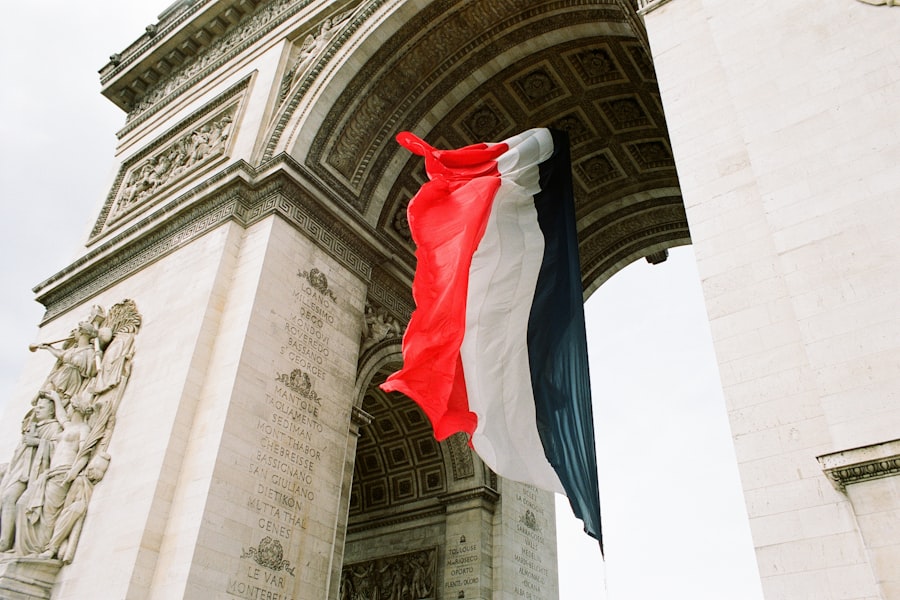
The Enlightenment era laid the intellectual groundwork for the French Revolution, with its emphasis on reason, individual rights, and social contract theory. Philosophers such as Voltaire, Rousseau, and Montesquieu inspired revolutionary thinkers to challenge the status quo and envision a society based on liberty and equality. However, while Enlightenment ideas undoubtedly influenced revolutionary ideology, it is essential to separate fact from fiction regarding their impact on the actual events of the revolution.
Many historians argue that while Enlightenment thought provided a framework for revolutionary ideals, it was not the sole catalyst for change. The revolution was also driven by practical concerns such as economic hardship, social inequality, and political corruption. The interplay between Enlightenment philosophy and these pressing realities created a unique environment that fueled revolutionary fervor.
Thus, while Enlightenment ideas were instrumental in shaping revolutionary discourse, they must be understood within the broader context of the socio-political landscape of late 18th-century France.
The Economic Realities of Pre-Revolutionary France: Debunking the Myth of Prosperity
| Metrics | Data |
|---|---|
| GDP per capita | Relatively low compared to other European countries |
| Income inequality | High, with a small wealthy elite and a large impoverished population |
| Food prices | High and volatile, leading to frequent food shortages |
| Debt levels | High national debt and heavy taxation on the lower classes |
| Unemployment | Widespread unemployment and underemployment |
Contrary to popular belief, pre-revolutionary France was not a land of prosperity and abundance. The economic realities faced by many citizens were dire, characterized by widespread poverty and inequality. The burden of taxation fell disproportionately on the lower classes, while the nobility enjoyed privileges that insulated them from economic hardship.
This disparity created a growing sense of frustration among the populace, who increasingly recognized that their plight was exacerbated by an unjust system. Additionally, France’s involvement in costly wars and extravagant spending by the monarchy further strained the economy. The financial crisis that ensued in the years leading up to the revolution highlighted the unsustainable nature of the existing social order.
As food prices soared and famine loomed, discontent simmered among the masses. The myth of prosperity served to obscure these harsh realities, masking the underlying tensions that would ultimately erupt into revolution.
The Reign of Terror: Reassessing the Extent of Violence and Repression
The Reign of Terror remains one of the most controversial periods in French revolutionary history, often characterized by its extreme violence and repression. While it is undeniable that thousands were executed during this time, it is essential to reassess the extent and motivations behind this brutality. The revolutionary government faced significant internal and external threats, leading leaders like Robespierre to justify harsh measures as necessary for preserving the revolution.
However, this justification raises important questions about the nature of revolutionary violence and its implications for democratic ideals. The Reign of Terror can be seen as both a response to genuine fears about counter-revolutionary forces and a manifestation of power struggles within revolutionary factions. By examining this complex interplay between fear and authority, historians can gain a deeper understanding of how violence became intertwined with revolutionary aspirations.
The Role of the Bourgeoisie in the Revolution: Examining their Motivations and Actions
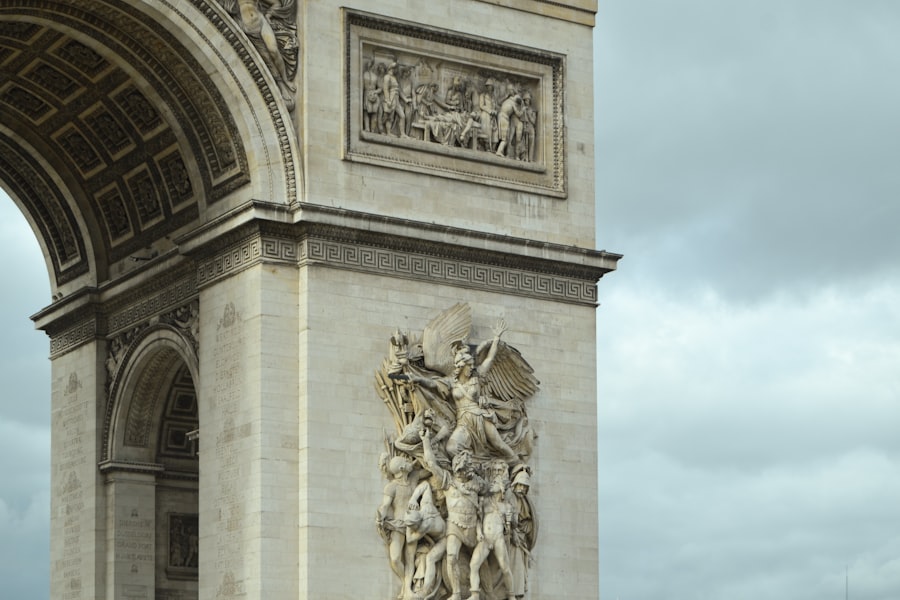
The bourgeoisie played a pivotal role in the French Revolution, acting as both instigators and beneficiaries of change. Comprising merchants, professionals, and educated elites, this class sought to challenge the privileges of the nobility and secure greater political representation. Their motivations were rooted in a desire for economic opportunity and social mobility, as well as a commitment to Enlightenment ideals that emphasized individual rights and civic participation.
However, while the bourgeoisie championed revolutionary principles, their actions often reflected self-interest rather than a genuine commitment to egalitarianism. As they ascended to positions of power following the revolution, they frequently prioritized their own interests over those of other social classes. This dynamic raises important questions about class struggle within the revolution and highlights how competing interests shaped its trajectory.
The Impact of the Revolution on the Global Stage: Reevaluating its Significance in World History
The French Revolution had far-reaching implications beyond its borders, inspiring movements for change across Europe and beyond. Its ideals of liberty, equality, and fraternity resonated with oppressed populations worldwide, sparking revolutions and reform efforts in various contexts. However, while it is often celebrated as a watershed moment in global history, it is crucial to reevaluate its significance within a broader framework.
The revolution’s impact was not uniformly positive; it also led to backlash against revolutionary ideals in some regions. Monarchies sought to suppress revolutionary fervor through military intervention or repression, illustrating how revolutionary movements can provoke counter-revolutionary responses. By examining these complexities, historians can better understand how the French Revolution shaped global political landscapes while also recognizing its limitations.
The Legacy of the Revolution: Uncovering its Long-Term Effects on French Society and Politics
The legacy of the French Revolution continues to shape contemporary French society and politics in profound ways. Its principles laid the groundwork for modern democratic governance and human rights discourse, influencing subsequent generations’ understanding of citizenship and civic responsibility. However, this legacy is not without contradictions; debates over national identity, secularism, and social justice remain deeply rooted in revolutionary ideals.
Moreover, the revolution’s aftermath saw a series of political upheavals that reflected ongoing tensions between competing visions for France’s future. From Napoleon’s rise to power to subsequent waves of revolutions throughout the 19th century, these developments underscore how deeply intertwined revolutionary ideals are with France’s political evolution. By exploring this legacy, one can appreciate how historical events continue to resonate within contemporary society.
The Role of Propaganda and Misinformation in Shaping Historical Narratives about the Revolution
Propaganda played a significant role in shaping public perceptions of the French Revolution both during its course and in subsequent historical narratives. Revolutionary leaders utilized various forms of media—pamphlets, newspapers, art—to disseminate their messages and rally support for their cause. However, this reliance on propaganda also raises questions about how historical narratives have been constructed over time.
Misinformation can distort public understanding of events and figures associated with the revolution. For instance, portrayals of key leaders may be influenced by political agendas or cultural biases that obscure their true motivations or actions. By critically examining these narratives, historians can uncover how propaganda has shaped collective memory surrounding the revolution while also recognizing its limitations.
The Influence of Social and Cultural Factors on the Revolution: Exploring the Interplay of Class, Religion, and Identity
The French Revolution was not solely a political upheaval; it was also deeply intertwined with social and cultural factors that shaped individuals’ identities and experiences. Class divisions played a crucial role in fueling revolutionary sentiments as different social groups grappled with their positions within an increasingly stratified society. Additionally, religious tensions further complicated these dynamics as secularism emerged as a central tenet of revolutionary ideology.
The interplay between class struggle and religious identity highlights how multifaceted motivations drove individuals’ participation in revolutionary activities. For many peasants and urban workers, their grievances were rooted not only in economic hardship but also in a desire for recognition within a society that had long marginalized them. By exploring these intersections between class, religion, and identity, historians can gain deeper insights into why certain groups mobilized during this transformative period.
The French Revolution in Modern Memory: Analyzing the Construction of Historical Myths and Misconceptions
The French Revolution occupies a prominent place in modern memory; however, its legacy is often clouded by myths and misconceptions that have emerged over time. These narratives are shaped by various factors—including political agendas, cultural representations, and educational frameworks—that influence how individuals understand this pivotal moment in history. As such, it is essential to critically analyze these constructions to uncover underlying truths about what transpired during this era.
Misconceptions surrounding key events or figures can perpetuate simplistic interpretations that fail to capture the complexity inherent in revolutionary dynamics. For instance, romanticized portrayals may overlook significant nuances regarding motivations or outcomes associated with specific actions taken during this period.
In conclusion, exploring these various facets surrounding the French Revolution reveals its complexity as both an event rooted in specific historical contexts and an enduring symbol for struggles against oppression worldwide. By examining myths alongside realities—whether regarding peasant life or women’s roles—historians can contribute meaningfully toward reshaping collective memory surrounding this transformative period while acknowledging its ongoing relevance today.
The French Revolution is often shrouded in myths and misconceptions, with many historical lies persisting over the centuries. These inaccuracies can skew our understanding of this pivotal period in history. For those interested in exploring the truth behind these myths, a related article on the topic can be found on Real Lore and Order. This article delves into the common misconceptions about the French Revolution and provides a clearer picture of the events that unfolded. To read more about these historical lies and gain a deeper insight into the revolution, visit the article on Real Lore and Order.
WATCH THIS! 50 Historical Lies You Believe Because of Movies
FAQs
What are some common historical lies about the French Revolution?
Some common historical lies about the French Revolution include the idea that it was solely a violent and chaotic period, that all French people supported the revolution, and that it was solely responsible for the rise of Napoleon Bonaparte.
Was the French Revolution solely a violent and chaotic period?
No, the French Revolution was a complex and multifaceted period that involved political, social, and cultural changes. While there were instances of violence and chaos, there were also significant reforms and advancements in areas such as law, education, and individual rights.
Did all French people support the revolution?
No, not all French people supported the revolution. There were divisions within French society, with some supporting the revolutionary ideals and others opposing them. Additionally, there were regions of France that were more resistant to revolutionary changes.
Was the French Revolution solely responsible for the rise of Napoleon Bonaparte?
While the French Revolution created the conditions that allowed Napoleon Bonaparte to rise to power, it was not solely responsible for his ascent. Napoleon’s rise was also influenced by his military successes, political maneuvering, and the weaknesses of the post-revolutionary government.