
The concept of the perfect family has long been a staple in American culture, often portrayed as a harmonious unit living in a picturesque suburban home. This idealized image, however, is more myth than reality. In the 1940s, the notion of the perfect family was heavily influenced by societal expectations and media representations.
Families were often depicted as nuclear units consisting of a father, mother, and children, living in blissful harmony. This portrayal created unrealistic standards that many families struggled to meet, leading to feelings of inadequacy and discontent. In truth, the dynamics of family life during this era were far more complex.
Economic pressures, particularly during and after World War II, strained relationships and challenged traditional roles. Many families faced hardships such as financial instability, loss of loved ones, and the emotional toll of war. The myth of the perfect family glossed over these struggles, presenting an unattainable ideal that left many feeling isolated in their experiences.
As families navigated the realities of life, they often found themselves at odds with the expectations set forth by society and media.
Hollywood in the 1940s was a beacon of glamour and allure, captivating audiences with its larger-than-life portrayals of love, success, and happiness. The silver screen offered an escape from the harsh realities of everyday life, presenting a world where problems could be solved in two hours and where beauty and wealth were easily attainable. However, this glamorous facade often masked the underlying struggles faced by those in the industry and society at large.
Behind the scenes, many actors and actresses grappled with personal demons, including substance abuse, mental health issues, and the pressures of fame. The glitzy image projected by Hollywood did not reflect the reality of their lives, which were often filled with turmoil and insecurity. Furthermore, the stories told on screen frequently ignored the complexities of real-life experiences, perpetuating stereotypes and unrealistic expectations.
The contrast between Hollywood glamour and reality served to deepen the disconnection between the lives portrayed in films and those lived by ordinary people.
Key Takeaways
- The idea of the perfect family in the 1940s was a myth, as many families faced challenges and struggles behind closed doors.
- Hollywood glamour portrayed an unrealistic image of life in the 1940s, often overshadowing the harsh realities faced by many Americans.
- Women in the 1940s played a crucial role in the workforce and in supporting the war effort, challenging traditional gender roles.
- The American Dream was a myth for many during this time, as economic and social disparities were prevalent.
- The reality of war had a profound impact on society, leading to changes in culture, economy, and social dynamics.
The Role of Women in the 1940s
The 1940s marked a significant turning point for women in America as they stepped into roles traditionally held by men during World War
With millions of men enlisted in the military, women took on jobs in factories, offices, and other sectors that were previously considered male domains. This shift not only challenged societal norms but also laid the groundwork for future movements advocating for gender equality. Women became symbols of resilience and capability, proving that they could contribute significantly to the workforce and society.
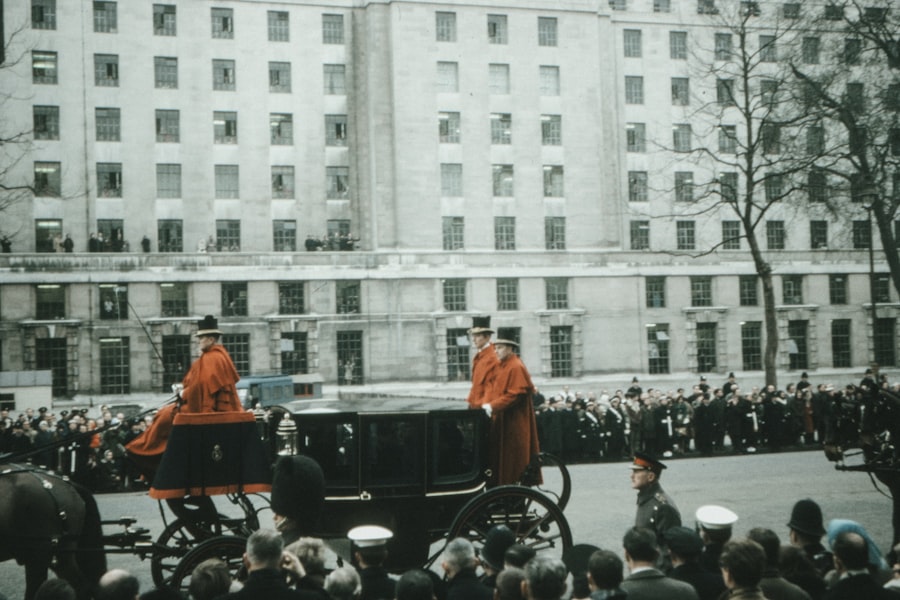
However, this newfound independence was often short-lived. As the war came to an end and men returned home, women were frequently encouraged to relinquish their jobs and return to domestic roles. The idealized image of women as homemakers was reinforced through media and advertising, which celebrated traditional femininity while downplaying the contributions women had made during the war.
The Myth of the American Dream
| Metrics | Data |
|---|---|
| Income Inequality | Widening wealth gap between the rich and the poor |
| Homeownership Rates | Declining rates, especially among younger generations |
| Education Attainment | Disparities in access to quality education and student debt crisis |
| Social Mobility | Limited upward mobility for individuals from lower-income backgrounds |
| Healthcare Access | Challenges in accessing affordable healthcare for all citizens |
The American Dream has long been characterized by the belief that anyone can achieve success through hard work and determination. In the 1940s, this ideal was particularly potent as the nation emerged from the Great Depression and entered a period of economic growth following World War
The reality was that systemic barriers often hindered individuals from achieving their aspirations. Economic disparities persisted, particularly among marginalized communities who faced discrimination in employment and housing opportunities. The myth of the American Dream painted a picture of equality and opportunity that did not reflect the lived experiences of all citizens.
As a result, many individuals found themselves disillusioned by the gap between the idealized vision of success and their own struggles to attain it.
The Reality of War and Its Impact on Society
World War II profoundly impacted American society in ways that extended far beyond the battlefield. The war effort mobilized millions of Americans, reshaping social structures and altering daily life. Rationing became a common practice as resources were diverted to support troops overseas.
Families learned to adapt to shortages while maintaining a sense of patriotism and resilience. However, this collective effort also revealed deep-seated tensions within society. The war brought issues such as gender roles and racial inequality to the forefront.
As women entered the workforce in unprecedented numbers, they challenged traditional notions of femininity and domesticity.
The contradiction between fighting for freedom overseas while facing discrimination at home sparked movements that would gain momentum in subsequent decades.
The reality of war thus served as a catalyst for social change, highlighting inequalities that could no longer be ignored.
Racial Segregation and Discrimination

The 1940s were marked by stark racial divisions that permeated every aspect of American life. Despite fighting against fascism abroad, many African Americans faced systemic racism at home through segregation laws that enforced discrimination in education, housing, and employment. The Jim Crow laws prevalent in Southern states institutionalized racial inequality, creating a society where opportunities were denied based solely on skin color.
This era also saw the emergence of civil rights activism as African Americans began to challenge these injustices more vocally. Organizations such as the NAACP worked tirelessly to combat discrimination and advocate for equal rights. The contradiction between America’s ideals of freedom and democracy and its treatment of minority populations became increasingly apparent during this time.
As awareness grew about these disparities, it laid the groundwork for future civil rights movements that would seek to dismantle systemic racism.
The Rise of Consumer Culture
The post-war era witnessed a significant shift towards consumer culture in America as returning soldiers reintegrated into civilian life. With economic prosperity on the rise, families began to embrace materialism as a means of achieving happiness and status. Suburbanization fueled this trend as people sought larger homes equipped with modern conveniences.
Advertisements promoted consumer goods as symbols of success, reinforcing the idea that happiness could be purchased. However, this burgeoning consumer culture also had its drawbacks. The emphasis on material possessions often overshadowed deeper values such as community and connection.
As families became more focused on acquiring goods, they risked losing sight of what truly mattered in life—relationships and shared experiences. This shift towards consumerism created a paradox where individuals sought fulfillment through possessions while grappling with feelings of emptiness and disconnection.
The Influence of Propaganda
Propaganda played a crucial role during the 1940s as governments sought to shape public opinion in favor of war efforts and national unity. In America, propaganda took various forms—from posters encouraging enlistment to films promoting patriotism and sacrifice. These messages aimed to galvanize support for military actions while fostering a sense of collective identity among citizens.
However, propaganda also served to manipulate perceptions about various groups within society. Racial stereotypes were often perpetuated through media representations that dehumanized certain populations while glorifying others. This selective portrayal contributed to societal divisions and reinforced existing prejudices.
As individuals consumed these messages, they internalized narratives that shaped their understanding of themselves and others—often with damaging consequences.
The Myth of Post-War Prosperity
While many Americans experienced economic growth in the years following World War II, this prosperity was not universal. The myth of post-war prosperity suggested that all citizens enjoyed newfound wealth and stability; however, this narrative overlooked significant disparities based on race, gender, and class. Many marginalized communities continued to face barriers that prevented them from fully participating in this economic boom.
The GI Bill provided educational benefits for returning veterans but often excluded African Americans from accessing these opportunities due to discriminatory practices in housing and education systems. As a result, while some families thrived during this period, others remained trapped in cycles of poverty and disenfranchisement. The myth of post-war prosperity thus served to obscure these inequalities, perpetuating a narrative that failed to acknowledge the struggles faced by many Americans.
The Dark Side of the 1940s
Beneath the surface of progress and prosperity lay a darker reality characterized by social unrest, discrimination, and disillusionment. The 1940s were marked by significant challenges that tested the fabric of American society. From racial tensions to economic disparities, these issues revealed deep-seated flaws within a nation striving for unity.
The aftermath of World War II also brought about existential questions regarding identity and purpose. Many veterans returned home grappling with trauma from their experiences abroad while civilians faced uncertainty about their roles in a rapidly changing world. This collective struggle highlighted the complexities of human experience—where triumphs were often accompanied by profound challenges that could not be ignored.
Revisiting History: Challenging the Myths of the 1940s
As society reflects on the 1940s today, it becomes essential to challenge prevailing myths that have shaped collective memory. By revisiting history with a critical lens, individuals can gain a deeper understanding of the complexities that defined this era. Acknowledging both triumphs and struggles allows for a more nuanced narrative that honors diverse experiences.
Engaging with history also provides an opportunity for growth and learning as society seeks to address ongoing issues related to inequality and injustice. By confronting uncomfortable truths about the past—such as systemic racism or gender discrimination—individuals can work towards creating a more equitable future. Ultimately, revisiting history serves not only as an act of remembrance but also as a catalyst for change in pursuit of a more just society for all.
The 1940s were a tumultuous decade marked by World War II and its aftermath, a period that has been subject to numerous historical misrepresentations and myths. An interesting article that delves into some of these historical inaccuracies is available on Real Lore and Order. This piece explores various misconceptions and fabrications that have persisted over the years, shedding light on the truth behind these stories. For a deeper understanding of the historical lies surrounding the 1940s, you can read more in the article available at Real Lore and Order.
WATCH THIS! 50 Historical Lies You Believe Because of Movies
FAQs
What are some common historical lies about the 1940s?
Some common historical lies about the 1940s include the idea that World War II was solely won by the United States, the belief that the Holocaust never happened, and the misconception that the 1940s were a time of universal prosperity and happiness.
How can we debunk these historical lies about the 1940s?
These historical lies can be debunked by examining primary sources, such as documents, photographs, and first-hand accounts from the time period. Additionally, historians and scholars have thoroughly researched and documented the events of the 1940s, providing ample evidence to refute these falsehoods.
Why is it important to debunk historical lies about the 1940s?
It is important to debunk historical lies about the 1940s in order to accurately understand and learn from the events of that time period. By acknowledging the truth, we can honor the experiences of those who lived through the 1940s and ensure that future generations have a factual understanding of history.
What are the consequences of perpetuating historical lies about the 1940s?
Perpetuating historical lies about the 1940s can lead to the distortion of historical events, the spread of misinformation, and the perpetuation of harmful stereotypes. It can also dishonor the memory of those who suffered during World War II and the Holocaust, and undermine the lessons that can be learned from that time period.