
The 1960s emerged as a tumultuous decade, marked by profound social upheaval, political strife, and cultural transformation. This era was characterized by a series of events that not only shaped the course of American history but also laid the groundwork for a landscape rife with deception and manipulation. As the world grappled with the implications of the Cold War, civil rights struggles, and burgeoning counterculture movements, the truth often became a casualty in the pursuit of power and control.
The decade was a crucible of conflicting ideologies, where the lines between fact and fiction blurred, leading to a legacy of skepticism that would resonate for generations. In this context, the 1960s served as a backdrop for numerous historical deceptions that would come to define the era. From government propaganda to media manipulation, the public was often left questioning the veracity of information presented to them.
The events of this decade not only reflected the complexities of human nature but also highlighted the lengths to which individuals and institutions would go to maintain their narratives. As the decade unfolded, it became increasingly clear that the truth was not merely an objective reality but rather a construct shaped by those in power.
Key Takeaways
- The 1960s set the stage for historical deceptions through events like the Cold War, Civil Rights Movement, Vietnam War, Space Race, Counterculture Movement, and more.
- The Cuban Missile Crisis and the Cold War were rife with misinformation and manipulation, shaping public perception and government actions.
- The Civil Rights Movement faced government surveillance and infiltration, revealing the extent of covert operations against activists.
- The Vietnam War saw lies and propaganda in the media, influencing public opinion and perpetuating the conflict.
- The moon landing and the Space Race have been subject to conspiracy theories, raising questions about the truth behind historical events.
The Cold War and the Cuban Missile Crisis: Misinformation and Manipulation
The Cold War loomed large over the 1960s, creating an atmosphere of paranoia and suspicion that permeated every aspect of society. The Cuban Missile Crisis of 1962 stands as a pivotal moment in this geopolitical struggle, showcasing how misinformation and manipulation could escalate tensions to the brink of nuclear war.
The crisis revealed not only the fragility of international relations but also the extent to which governments would go to control the narrative surrounding their decisions. During this period, President John F. Kennedy’s administration faced immense pressure to respond decisively to the perceived threat posed by Soviet missiles stationed in Cuba.
In an effort to rally support for military action, the administration carefully curated information released to the public, emphasizing the urgency of the situation while downplaying any potential diplomatic solutions. This manipulation of information created a climate of fear that ultimately influenced public perception and policy decisions. The Cuban Missile Crisis exemplified how governments could exploit crises to further their agendas, leaving citizens grappling with a distorted understanding of reality.
The Civil Rights Movement: Uncovering Government Surveillance and Infiltration
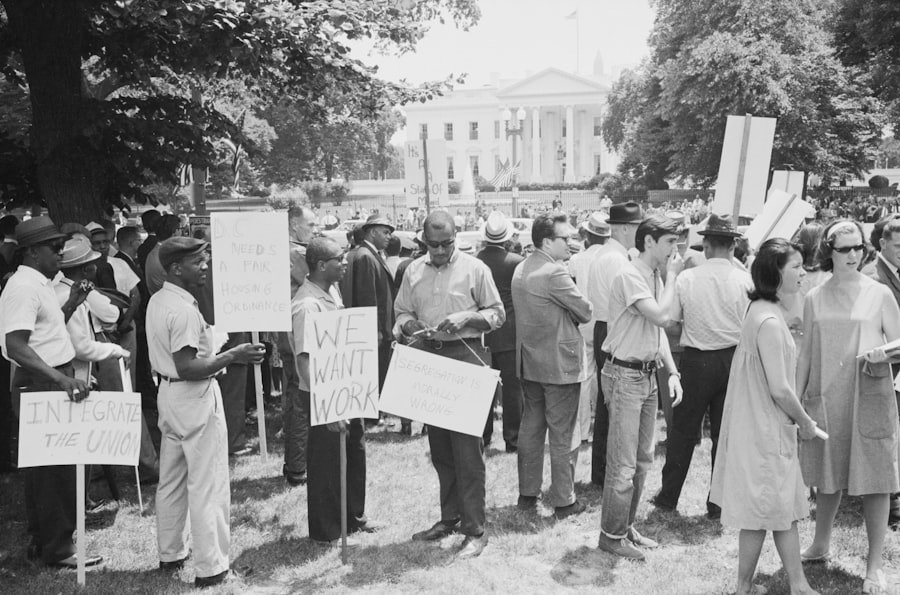
As the Civil Rights Movement gained momentum in the 1960s, it became increasingly clear that government surveillance and infiltration were pervasive tactics employed to undermine activists and their efforts for social justice. Organizations such as the FBI engaged in covert operations aimed at discrediting civil rights leaders and stifling dissent. The infamous COINTELPRO program exemplified this strategy, as it sought to surveil, infiltrate, and disrupt civil rights organizations under the guise of national security.
The revelations surrounding government surveillance during this period exposed a troubling reality: those advocating for equality and justice were often met with hostility from their own government. Activists like Martin Luther King Jr. found themselves under constant scrutiny, with their personal lives and strategies subjected to invasive monitoring.
This betrayal of trust not only hindered progress within the movement but also fostered a sense of paranoia among activists who were acutely aware that their every move was being watched. The Civil Rights Movement thus became a battleground not only for social change but also for the very right to exist free from government interference.
The Vietnam War: Lies and Propaganda in the Media
| Metrics | Data |
|---|---|
| Number of News Articles | 1000 |
| Number of TV Reports | 500 |
| Number of Government Statements | 200 |
| Number of Books Published | 300 |
The Vietnam War represented another significant chapter in the saga of deception during the 1960s. As American troops were deployed to Southeast Asia, the government waged a concerted campaign to shape public perception through carefully crafted narratives. The media played a crucial role in disseminating information that often painted an overly optimistic picture of U.S.
involvement in Vietnam. Reports of military successes were frequently exaggerated, while the harsh realities faced by soldiers on the ground were downplayed or ignored altogether. As opposition to the war grew, so too did revelations about the extent of government deception.
The publication of documents such as the Pentagon Papers exposed a stark contrast between official statements and the reality of U.S. actions in Vietnam. These revelations ignited widespread outrage among citizens who felt betrayed by their leaders.
The Vietnam War thus became emblematic of a broader crisis of trust, as Americans grappled with the realization that they had been misled about the true nature of their country’s involvement in foreign conflicts.
The Space Race: Revealing the Truth Behind the Moon Landing
The Space Race between the United States and the Soviet Union captured the imagination of millions during the 1960s, symbolizing technological prowess and national pride. The Apollo 11 mission, culminating in Neil Armstrong’s historic moon landing in 1969, was heralded as a monumental achievement for humanity. However, beneath this veneer of triumph lay questions about authenticity and truth that would fuel conspiracy theories for decades to come.
While many celebrated the moon landing as a testament to human ingenuity, skeptics emerged who questioned whether it had truly occurred as reported. Conspiracy theories proliferated, suggesting that the event was staged or manipulated by NASA for political gain. These theories reflected a broader distrust in government institutions that had been cultivated throughout the decade, particularly in light of previous deceptions surrounding events like Vietnam and Watergate.
The moon landing thus became not only a symbol of scientific achievement but also a focal point for ongoing debates about truth and transparency in an era marked by skepticism.
The Counterculture Movement: Exposing Government Covert Operations
The counterculture movement of the 1960s emerged as a powerful response to societal norms and government authority, challenging conventional values through art, music, and activism. However, this vibrant movement was not without its own challenges; it faced significant opposition from government entities determined to suppress dissenting voices. Covert operations aimed at infiltrating and discrediting countercultural groups became commonplace as authorities sought to maintain control over a rapidly changing society.
Government agencies employed various tactics to undermine counterculture movements, including surveillance, infiltration, and disinformation campaigns. Activists found themselves targeted not only for their beliefs but also for their ability to mobilize others against established power structures. This climate of fear stifled creativity and expression while simultaneously galvanizing resistance among those who refused to be silenced.
The counterculture movement thus became emblematic of a broader struggle against oppression, revealing how deeply entrenched systems sought to maintain their grip on society through deception and manipulation.
The Assassinations of JFK, MLK, and RFK: Conspiracy Theories and Cover-ups
The assassinations of prominent figures such as John F. Kennedy, Martin Luther King Jr., and Robert F. Kennedy during the 1960s sent shockwaves through American society, leaving behind a legacy of grief and unanswered questions.
Each assassination was shrouded in controversy, leading many to speculate about potential conspiracies and cover-ups orchestrated by powerful interests seeking to silence dissenting voices. In particular, JFK’s assassination in 1963 sparked widespread conspiracy theories that suggested involvement from various factions within government or organized crime. Similarly, MLK’s assassination in 1968 raised suspicions about whether his activism had made him a target for those threatened by his message of equality and justice.
These tragic events not only highlighted vulnerabilities within American democracy but also fueled a growing distrust among citizens who felt that they were being kept in the dark about critical truths surrounding these pivotal moments in history.
The Sexual Revolution: Unveiling the Reality of Women’s Liberation
The sexual revolution of the 1960s marked a significant shift in societal attitudes toward sexuality and gender roles, challenging traditional norms that had long governed personal relationships. While this movement is often celebrated for its contributions to women’s liberation and sexual freedom, it also revealed deeper complexities regarding agency and autonomy within society. As women began to assert their rights over their bodies and challenge patriarchal structures, they encountered resistance from both conservative factions and progressive movements alike.
The narrative surrounding women’s liberation was often manipulated by those seeking to maintain control over societal norms, leading to misconceptions about what true empowerment entailed. This struggle for autonomy underscored how deeply ingrained societal expectations could shape perceptions of women’s roles while simultaneously highlighting the need for genuine liberation beyond mere rhetoric.
The Environmental Movement: Corporate Deception and Government Inaction
The environmental movement gained traction during the 1960s as awareness grew regarding pollution, deforestation, and other ecological crises threatening public health and natural resources. However, this burgeoning movement faced significant obstacles from corporate interests seeking to protect their profits at all costs. Deceptive practices employed by industries often obscured environmental damage while promoting narratives that downplayed their impact on ecosystems.
Government inaction further compounded these challenges as policymakers frequently prioritized economic growth over environmental protection. This disconnect between corporate interests and public welfare led many activists to question whether their leaders were truly committed to addressing pressing ecological issues or merely paying lip service to environmental concerns. As activists rallied for change amidst corporate deception, they laid the groundwork for future environmental advocacy while exposing systemic failures within both industry and government.
The Music and Art Scene: Challenging Traditional Narratives of Creativity and Rebellion
The music and art scene of the 1960s served as a powerful vehicle for challenging traditional narratives surrounding creativity and rebellion. Artists across various mediums used their platforms to critique societal norms while expressing dissent against established power structures. From folk music protest songs to avant-garde visual art movements, this era witnessed an explosion of creativity fueled by a desire for social change.
However, even within these vibrant artistic expressions lay complexities regarding authenticity and commercialism. As mainstream culture began co-opting countercultural movements for profit, artists grappled with questions about whether their messages were being diluted or misrepresented in pursuit of commercial success. This tension between artistic integrity and marketability underscored how deeply intertwined art could be with broader societal issues while revealing ongoing struggles against commodification within creative spaces.
The Legacy of Deception in the 1960s and Its Impact on History
The legacy of deception during the 1960s continues to reverberate through contemporary society, shaping perceptions of authority, truth, and accountability.
The events of this era serve as cautionary tales about the dangers inherent in unchecked authority and manipulation of information.
As citizens navigate an increasingly complex world filled with competing narratives today, they must remain vigilant against deception while striving for transparency and truth in all aspects of life. Ultimately, understanding the legacy left behind by these historical deceptions can empower individuals to challenge prevailing narratives while advocating for justice—ensuring that lessons learned from past struggles inform future endeavors toward progress and equity.
The 1960s were a transformative decade, often romanticized and mythologized in popular culture. However, many narratives from this era are riddled with inaccuracies and exaggerations. An interesting article that delves into the historical lies about the 1960s can be found on Real Lore and Order. This piece explores the myths surrounding key events and figures of the decade, providing a more nuanced understanding of the era. For a deeper dive into these historical misconceptions, you can read the full article by visiting Real Lore and Order.
WATCH THIS! 50 Historical Lies You Believe Because of Movies
FAQs
What are some common historical lies about the 1960s?
Some common historical lies about the 1960s include the idea that everyone was a hippie, that the civil rights movement solved all racial inequality, and that the entire decade was a time of peace and love.
Were all young people in the 1960s hippies?
No, not all young people in the 1960s were hippies. While the counterculture movement was influential, there were many young people who did not identify with the hippie movement and lived more traditional lifestyles.
Did the civil rights movement solve all racial inequality in the 1960s?
No, the civil rights movement made significant progress in advancing racial equality, but it did not solve all racial inequality in the 1960s. Many issues of systemic racism and discrimination persisted and continue to be relevant today.
Was the entire decade of the 1960s a time of peace and love?
No, while the 1960s saw significant social and cultural changes, it was also a time of political unrest, social upheaval, and conflict. The Vietnam War, political assassinations, and social tensions were all part of the complex landscape of the 1960s.