
Tracing Human Footprints in the Last Ice Age
The Last Glacial Maximum, a period that spanned roughly from 26,500 to 19,000 years ago, represents a dramatic chapter in Earth’s history. Vast ice sheets, originating in the polar regions, extended far into continental interiors, reshaping landscapes and posing formidable challenges to life. For our species, Homo sapiens, this era was not an insurmountable obstacle but a crucible that forged resilience and adaptation. Tracing human footprints during this time involves delving into archaeological sites, analyzing genetic data, and reconstructing the environmental conditions that shaped early human migrations and survival strategies. It is a narrative of ingenuity, perseverance, and the remarkable ability of humans to thrive even in the most extreme environments.
The world during the Last Ice Age was a vastly different place. Global sea levels were significantly lower, exposing land bridges that facilitated movement between continents. The climate was colder and drier overall, leading to extensive tundras, steppes, and sparse woodlands. Megafauna, such as mammoths, woolly rhinoceroses, and saber-toothed cats, roamed these landscapes, forming a crucial part of the ecosystem and a vital resource for human populations.
Ice Sheets and Their Reach
The most prominent feature of the Last Ice Age was the presence of massive ice sheets. In the Northern Hemisphere, the Laurentide ice sheet covered much of North America, while the Fennoscandian ice sheet dominated northern Europe and northwestern Asia. These colossal masses of ice sculpted mountains, carved out valleys, and influenced weather patterns across the globe. Their sheer scale dictated the availability of habitable land and the routes available for migration.
Shifting Coastlines and Exposed Land Bridges
The significant drop in sea levels, estimated to be as much as 120 meters lower than today, had profound implications for human dispersal. Coastlines retreated, exposing vast continental shelves that are now submerged. The most notable of these newly accessible areas was Beringia, the land bridge connecting northeastern Asia and northwestern North America. This region, largely ice-free during the height of the glaciation, is considered a critical pathway for the peopling of the Americas. Similarly, Doggerland, a landmass in the North Sea, connected Britain to mainland Europe, offering a continuous land route.
The Megafaunal Assemblage
The ecological systems of the Last Ice Age were characterized by a diverse array of large mammals, often referred to as megafauna. These animals were adapted to the cold, open environments and played a central role in the food webs. Their presence provided a substantial source of protein, fat, hides, and bones for early human hunter-gatherer societies. Understanding the distribution and behavior of these animals is crucial for reconstructing human subsistence strategies.
Environmental Niches and Resource Availability
Despite the overarching cold and arid conditions, various environmental niches existed that supported human populations. Along the southern margins of the ice sheets, in regions like the Franco-Cantabrian refuge, more temperate conditions may have persisted, supporting diverse flora and fauna. Coastal areas, even in colder latitudes, could offer marine resources. Understanding the localized environmental conditions and the resources they provided is essential for pinpointing areas of human habitation.
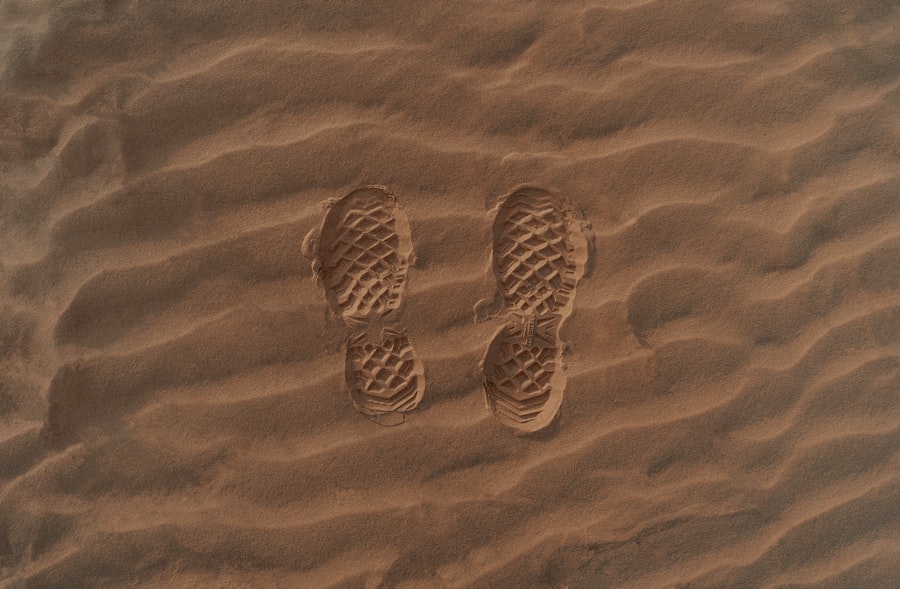
Recent discoveries of human footprints dating back to the last Ice Age have sparked significant interest among researchers, shedding light on the lives of our ancient ancestors. These footprints, found in various locations, provide valuable insights into human migration patterns and behaviors during a time when the Earth was undergoing dramatic climatic changes. For more information on the implications of historical events on modern economics, you can read a related article on the potential impacts of a dollar crash at this link.
Archaeological Evidence: Traces in Stone and Bone
The tangible remnants of human activity from the Last Ice Age are found in caves, open-air sites, and buried landscapes. These archaeological sites offer direct evidence of human presence, their tools, their food sources, and their artistic expressions. Artifacts, often made of stone, bone, and ivory, provide insights into the technological capabilities and daily lives of these ancient peoples.
Early Human Migration Routes
The question of when and how humans first populated the Americas is a central theme in paleoanthropology. Evidence suggests that human entry into the Americas occurred during the Last Glacial Maximum, likely through Beringia. Sites such as the Monte Verde site in Chile, with radiocarbon dates extending beyond 14,500 years ago, provide strong evidence for pre-Clovis populations. However, the exact timing and the precise route of entry are still subjects of ongoing research and debate.
Technological Adaptations
Survival in the harsh glacial environment demanded sophisticated technological skills. The inhabitants of the Last Ice Age developed finely crafted stone tools, including projectile points, scrapers, and burins, for hunting, butchering, and processing animal hides. The development of projectile technology, such as the spear thrower (atlatl), significantly increased hunting efficiency and enabled humans to target larger and more dangerous prey from a safer distance.
Habitation and Settlement Patterns
Archaeological evidence reveals diverse habitation strategies. In some regions, humans utilized natural shelters like caves and rock overhangs, as seen in the famous cave paintings of Lascaux and Chauvet in France. In other areas, they constructed temporary or semi-permanent shelters using readily available materials such as mammoth bones, animal hides, and wood. Understanding settlement patterns, including the size and duration of occupation, helps reconstruct social organization and mobility.
Subsistence Strategies and Hunting Techniques
The diet of Last Ice Age humans was heavily reliant on hunting. Evidence from faunal remains at archaeological sites indicates that they were adept at hunting large game, including mammoths and bison. The analysis of butchered bones, with their characteristic cut marks, reveals sophisticated butchering techniques. In some regions, particularly coastal areas, marine resources also played a significant role in their diet.
Artistic Expressions and Symbolic Behavior
The Upper Paleolithic period, which overlaps with the Last Ice Age, is renowned for its rich artistic traditions. The cave paintings, engravings, and small portable figurines found at numerous sites offer a glimpse into the symbolic worldview of these early humans. The detailed depictions of animals, coupled with abstract symbols, suggest complex cognitive abilities and a rich cultural life, even in the face of challenging environmental conditions.
Genetic Signatures: Unraveling Ancestral Journeys
In addition to archaeological records, genetic studies of ancient and modern human populations have provided invaluable insights into migration patterns and population dynamics during the Last Ice Age. By analyzing DNA extracted from fossil remains and comparing it with existing genetic diversity, scientists can trace ancestral lineages and reconstruct deep human history.
Mitochondrial DNA and Y-Chromosome Analysis
Mitochondrial DNA (mtDNA), inherited maternally, and Y-chromosome DNA, inherited paternally, are powerful tools for tracing human ancestry and migration. Studies of mtDNA haplogroups and Y-chromosome haplogroups have revealed distinct lineages that emerged and spread during the Last Ice Age. These genetic markers allow researchers to identify populations that likely persisted in refugia during the glacial maximum and subsequently repopulated wider areas.
Ancestral Beringian Populations
Genetic evidence strongly supports a link between ancient East Asian populations and the indigenous peoples of the Americas. Studies have identified a genetic signature that points to an ancestral Beringian population that likely existed in isolation for thousands of years before migrating into the Americas. This population served as the source for the diverse indigenous groups found across the Americas today.
European Refugia and Post-Glacial Expansion
In Europe, genetic studies have identified distinct population movements associated with the Last Ice Age. Evidence suggests that populations contracted into southern European refugia during the glacial maximum, such as the Franco-Cantabrian region. Following the retreat of the ice sheets, these populations expanded northward, repopulating Europe and contributing to the genetic landscape of modern Europeans.
Population Bottlenecks and Founder Effects
The extreme environmental pressures of the Last Ice Age likely led to significant population bottlenecks, where the number of individuals in a population was drastically reduced. These events can have a lasting impact on the genetic diversity of populations, leading to founder effects where a new population is established by a small number of individuals, carrying only a subset of the original genetic variation.
Interbreeding with Other Hominins
Recent genetic discoveries have revealed that Homo sapiens was not the only hominin species present during the Last Ice Age. Evidence of interbreeding with Neanderthals and Denisovans has been found in the genomes of modern humans. While Neanderthals largely disappeared before the peak of the Last Glacial Maximum, their genetic legacy persists in non-African populations. Denisovans, on the other hand, appear to have persisted longer in some regions and contributed to the genetic makeup of some Asian and Oceanian populations.
Survival Strategies in a Frozen World

The ability of Homo sapiens to not only survive but also thrive in the challenging conditions of the Last Ice Age points to a remarkable capacity for adaptation. Their survival was not a matter of chance but a testament to their ingenuity, social cooperation, and deep understanding of their environment.
Mastering Fire: Warmth and Protection
The controlled use of fire was a fundamental technology for survival during the Last Ice Age. Fire provided warmth in frigid temperatures, allowed for the cooking of food (making it more digestible and safer), and offered protection against predators. Archaeological evidence, such as hearths and ash deposits, indicates consistent and widespread use of fire by human groups.
Clothing and Shelter: Insulation from the Cold
Developing effective insulation from the extreme cold was paramount. Archaeological evidence, including bone needles and awls, suggests that humans were creating tailored clothing from animal skins and furs. These garments would have provided crucial protection against wind and temperatures that could drop well below freezing. The construction of insulated shelters, whether natural caves or constructed dwellings, further enhanced their ability to withstand the cold.
Toolmaking and Hunting Efficiency
As previously mentioned, the development of sophisticated lithic technologies was central to their survival. The creation of specialized tools for hunting, butchering, and preparing materials directly contributed to their ability to exploit the available resources effectively. The mastery of projectile technology, in particular, allowed for more efficient and safer hunting strategies.
Social Cooperation and Knowledge Transmission
The challenges of the Last Ice Age likely fostered strong social bonds and cooperation within human groups. Sharing resources, collaborative hunting efforts, and the communal protection of vulnerable individuals would have been essential for group survival. The transmission of essential knowledge, including hunting techniques, toolmaking skills, and environmental understanding, from one generation to the next was crucial for maintaining these adaptive strategies.
Diversification of Diet and Resourcefulness
While large game was a primary food source, human groups likely employed a diverse range of subsistence strategies, adapting to the specific environments they inhabited. This would have included exploiting smaller game, fishing, gathering edible plants, and utilizing all parts of the animals they hunted, minimizing waste and maximizing resource utilization.
Recent discoveries of human footprints dating back to the last Ice Age have provided fascinating insights into the lives of our ancient ancestors. These footprints, found in various locations, suggest that early humans were more adaptable and mobile than previously thought. For a deeper understanding of how ancient techniques and craftsmanship have evolved over time, you might find it interesting to explore the art of crafting Damascus steel, which showcases the ingenuity of human innovation throughout history. You can read more about it in this article on the art of crafting Damascus steel.
The Legacy of Glacial Survival
| Location | Number of footprints | Size of footprints | Depth of footprints |
|---|---|---|---|
| White Sands, New Mexico | Over 20,000 | Various sizes | Up to 3 inches deep |
| Willandra Lakes Region, Australia | Over 700 | Various sizes | Up to 2 inches deep |
| Chauvet Cave, France | Over 400 | Various sizes | N/A |
The Last Ice Age was not merely a period of hardship; it was a transformative era that shaped the trajectory of human evolution and dispersal. The challenges faced and overcome by our ancestors left an indelible mark on human genetics, culture, and our capacity for adaptation.
Shaping Human Genetics and Diversity
The periods of isolation in refugia, followed by post-glacial expansions, played a significant role in shaping the genetic diversity of human populations observed today. The genetic signatures of populations that endured the glacial epoch continue to be evident in modern gene pools, providing a testament to their resilience.
Cultural Innovations and Artistic Traditions
The artistic achievements of the Upper Paleolithic are a direct legacy of human ingenuity during the Last Ice Age. The development of complex symbolic thinking, evident in cave art and portable artifacts, reflects a sophisticated cognitive and cultural landscape that emerged even in the face of environmental adversity.
The Foundation for Global Expansion
The adaptations and technologies developed during the Last Ice Age provided the foundation for subsequent human migrations and the eventual colonization of almost every habitable region on Earth. The skills and knowledge honed in glacial environments equipped humans with the tools and resilience needed to explore and settle new territories.
Understanding Human Resilience and Adaptability
Studying the human experience during the Last Ice Age offers profound insights into the remarkable resilience and adaptability of our species. It underscores our capacity to overcome extreme environmental challenges through innovation, cooperation, and a deep evolutionary drive to survive and thrive. This historical perspective serves as a powerful reminder of what humanity is capable of when faced with adversity.
A Continuous Story of Adaptation and Exploration
The story of human footprints in the Last Ice Age is not a closed chapter but an ongoing narrative. Archaeological discoveries and genetic analyses continue to refine our understanding of this critical period. Each new find contributes to the intricate mosaic of our shared past, reminding us that the journey of Homo sapiens is one of continuous adaptation, exploration, and an enduring quest to understand our place in the world.
FAQs
What are human footprints from the last ice age?
Human footprints from the last ice age are fossilized footprints left by early humans during the Pleistocene epoch, which lasted from about 2.6 million to 11,700 years ago. These footprints provide valuable evidence of human activity and behavior during this time period.
Where have human footprints from the last ice age been found?
Human footprints from the last ice age have been found in various locations around the world, including in North and South America, Europe, Africa, and Australia. Some notable sites include White Sands National Park in New Mexico, USA, and the Willandra Lakes region in Australia.
What do human footprints from the last ice age tell us about early humans?
Human footprints from the last ice age provide insights into early human behavior, such as their movement patterns, social interactions, and use of tools and resources. They also offer clues about the physical characteristics and behaviors of these early humans.
How are human footprints from the last ice age preserved?
Human footprints from the last ice age are preserved through a process called fossilization, in which the footprints are buried and protected from erosion and other environmental factors. Over time, the footprints become fossilized and can be uncovered by researchers.
Why are human footprints from the last ice age important?
Human footprints from the last ice age are important because they provide direct evidence of human presence and behavior during this time period. They contribute to our understanding of early human history, migration patterns, and adaptation to changing environments. Additionally, they help to fill in gaps in the archaeological record and shed light on the development of human societies.