
Navigating Modern Collapse: Historical Protocols
The late 20th and early 21st centuries have witnessed a growing discourse surrounding the concept of societal collapse. While often framed in terms of futuristic cataclysms or unprecedented technological failures, the phenomenon of societal breakdown is far from a novel occurrence in human history. Studying historical precedents offers a pragmatic lens through which to understand the underlying mechanisms and potential responses to such events, providing a valuable framework for navigating the complexities of potential modern decline. The focus here is not on predicting doom, but on understanding the patterns, identifying the vulnerabilities, and extracting lessons from past societal upheavals that, while differing in their specific catalysts and forms, share common threads of systemic stress and eventual transformation.
Societal collapse is rarely a sudden implosion. Instead, it is typically a protracted process characterized by the gradual erosion of key societal structures and functions. Understanding these precursors is essential for identifying the warning signs and for developing more resilient systems.
Resource Depletion and Environmental Degradation
Throughout history, the unsustainable exploitation of natural resources has been a recurrent theme in the decline of civilizations. This can manifest in various forms, from the depletion of arable land and freshwater sources to the exhaustion of vital mineral deposits.
Agricultural Strain and Famine
Numerous societies have collapsed due to their inability to sustain their populations through agriculture. This often stemmed from overpopulation outstripping productive capacity, soil degradation through monoculture or poor land management, and natural climate shifts that rendered formerly fertile regions unproductive. The collapse of the Classic Maya civilization, for instance, is heavily linked to prolonged droughts and the environmental consequences of intensive agriculture.
Water Scarcity and Droughts
Access to reliable water sources is fundamental for any complex society. Historical periods of prolonged drought have demonstrably weakened or directly contributed to the downfall of civilizations. The decline of the Indus Valley Civilization, potentially exacerbated by changes in monsoon patterns and river courses, highlights this vulnerability.
Deforestation and Ecological Imbalance
The clearing of forests for fuel, agriculture, and construction has had devastating environmental consequences throughout history, leading to soil erosion, desertification, and loss of biodiversity, all of which undermine a society’s ability to support itself. Easter Island’s ecological catastrophe, driven by rapid deforestation, serves as a stark, though extreme, example.
Social and Political Instability
Internal fissures within a society, whether driven by inequality, corruption, or loss of legitimacy, can weaken its ability to respond to external or internal challenges.
Inequality and Social Stratification
Extreme disparities in wealth and power often breed resentment and instability. When a significant portion of the population feels disenfranchised or exploited, the social contract begins to fray, making the society more susceptible to unrest and internal conflict. The lead-up to the French Revolution, with its vast chasm between the aristocracy and the peasantry, is a potent illustration.
Corruption and Erosion of Trust
When governing institutions become corrupt, inefficient, or unresponsive, public trust erodes. This loss of faith in leadership and institutions can paralyze effective governance, making it difficult to implement necessary reforms or to rally collective action in times of crisis. The late Roman Empire, plagued by corruption and administrative decay, faced systemic weakening.
Internal Conflicts and Civil Strife
Civil wars and prolonged periods of internal conflict drain resources, disrupt social order, and can lead to the fragmentation of a society. The bloody Warring States period in ancient China, preceding the Qin unification, exemplifies how prolonged internal conflict can destabilize a region.
Economic Vulnerabilities and Trade Disruptions
The interconnectedness of economies, even in pre-modern times, meant that disruptions to trade or financial systems could have cascading effects.
Dependence on Single Economies or Commodities
Societies that rely heavily on a single export or are deeply entwined with a specific trading partner are vulnerable to shocks in those areas. The decline of many silk-producing regions when alternative trade routes emerged or production shifted elsewhere demonstrates this.
Monetary Instability and Inflation
Historical periods of hyperinflation or debasement of currency have often preceded or accompanied periods of social unrest and political upheaval. The economic turmoil in the Weimar Republic of Germany in the early 20th century is a prime example of how monetary instability can destabilize a society.
Disruption of Trade Routes and Supply Chains
The flow of essential goods and resources is critical. The disruption of established trade routes, whether through conflict, piracy, or political shifts, could cripple economies and lead to shortages. The disruption of Roman trade routes in the Mediterranean due to barbarian incursions had a significant impact on the Western Empire.
In exploring the themes of modern collapse and historical protocols, one can draw intriguing parallels with the article titled “The Antarctic Conspiracy: Uncovering the Mystery of the Piri Reis Map.” This piece delves into the enigmatic aspects of historical cartography and the implications of ancient knowledge on contemporary understanding. The Piri Reis map, which depicts parts of the world with remarkable accuracy for its time, raises questions about lost civilizations and their potential insights into sustainability and societal resilience. For further reading, you can access the article here: The Antarctic Conspiracy: Uncovering the Mystery of the Piri Reis Map.
Echoes of the Past: Learning from Historical Collapse Protocols
While the specifics of past collapses vary, certain recurring patterns in how societies responded, or failed to respond, offer valuable insights. These can be loosely categorized as “protocols” – the established methods, albeit often flawed, that societies employed to manage crises.
Resource Management and Adaptation Strategies
Societies that endured or adapted to environmental or resource pressures often developed specific strategies.
Sustainable Land Use and Agroecology
Some historical societies, particularly in agrarian contexts, developed sophisticated, albeit localized, systems of sustainable agriculture. These included crop rotation, water conservation techniques, and respect for ecological limits. The terraced farming systems developed in various mountainous regions, like the Inca empire, exemplify this.
Resource Diversification and Resilience
Cultures that did not place all their reliance on a single resource or economic activity tended to be more resilient. This involved developing multiple food sources, diverse industries, and varied trade relationships. Regions with diverse agricultural output and artisanal crafts often weathered agricultural or trade shocks better.
Planned Retreat and Migration
In extreme cases, successful societies or groups within them demonstrably managed resource depletion or environmental shifts by undertaking planned migrations or strategic retreats from untenable territories. While not always a “protocol” in a formal sense, it was a survival mechanism employed by various nomadic groups and even settled populations facing insurmountable odds.
Governance and Social Cohesion Mechanisms
The ability of a society to maintain order and collective action during stressful periods is paramount.
Fostering Social Cohesion and Collective Identity
Societies with strong shared values, rituals, and a sense of common purpose often found it easier to mobilize for collective action during crises. This could be fostered through religious institutions, cultural traditions, or shared historical narratives. The communal efforts undertaken in many pre-industrial villages to survive winters or agricultural failures highlight this.
Adaptive Governance and Legal Frameworks
Societies that could adapt their governance structures and legal systems to changing circumstances were more likely to survive. This could involve delegating authority, adjusting tax burdens, or responding to popular grievances. The evolution of Roman law, though eventually strained, was a testament to its adaptive capacity.
Crisis Management and Emergency Response
While formal emergency services are a modern concept, historical societies had their own methods for dealing with immediate threats. This could include stockpiling grain, organizing militias for defense, or instituting public works projects to alleviate unemployment and unrest. The construction of granaries and defensive walls in ancient cities served this purpose.
Economic and Trade Restructuring
When economic systems faltered, successful adaptations often involved economic restructuring.
Localized Production and Self-Sufficiency
When long-distance trade became unreliable, many societies turned towards greater local production and self-sufficiency. This involved reviving traditional crafts, developing local manufacturing, and reducing reliance on imported goods. The economic shifts in post-Roman Europe saw a greater emphasis on localized manorial economies.
Diversification of Economic Activities
Moving away from over-reliance on a single industry or export and developing a more diverse economic base, even on a regional level, offered greater resilience against market fluctuations or external pressures.
Managed Fiscal Policy and Debt Management
While less sophisticated than modern tools, historical rulers and societies did engage in forms of fiscal management, including managing debt, adjusting taxation, and, in some cases, defaulting or restructuring debt. The efforts of some ancient city-states to manage their treasuries and public debt, however rudimentary, illustrate this.
Modern Collapse Dynamics: Amplified Vulnerabilities, Familiar Patterns
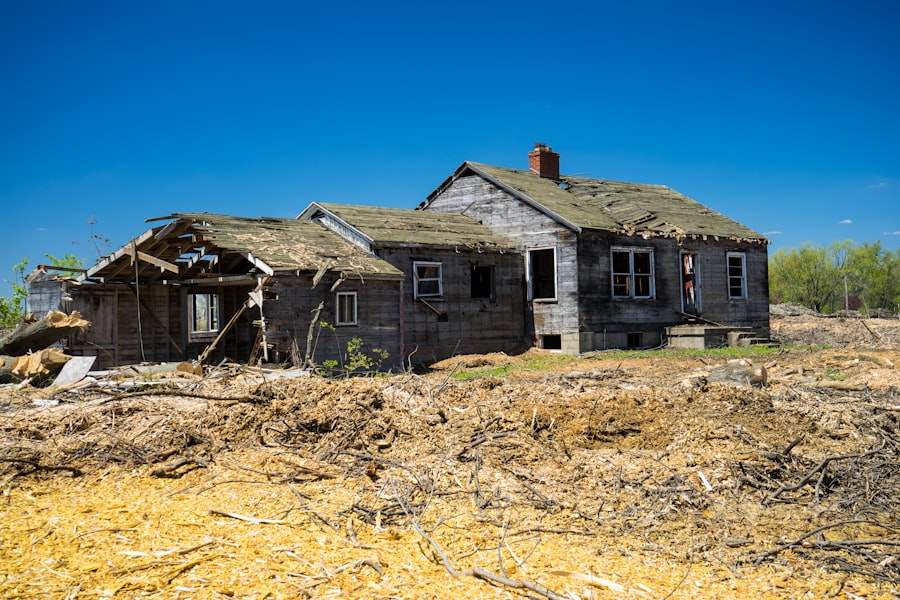
The fundamental drivers of historical collapse – resource depletion, social inequality, political instability, and economic vulnerability – are still relevant today. However, modern technological advancement and globalization introduce new dynamics and amplify certain vulnerabilities.
The Double-Edged Sword of Technology
Modern technology offers unprecedented solutions but also creates new dependencies and risks.
Over-reliance on Complex Infrastructure
Modern societies are heavily dependent on intricate technological systems, from power grids and communication networks to global supply chains for food and medicine. A systemic failure in one of these critical areas could have cascading and catastrophic consequences, far exceeding the impact of disruptions in pre-industrial societies.
The Digital Divide and Information Warfare
While information access is unprecedented, the digital divide can exacerbate inequalities. Furthermore, the potential for misinformation campaigns and cyberattacks poses a significant threat to social cohesion and governmental stability, creating vulnerabilities that historical societies did not face in the same way.
Automation and Employment Disruption
While automation offers efficiency, widespread job displacement due to advanced AI and robotics could lead to significant social and economic dislocation, mirroring historical periods of societal unrest driven by economic hardship, but with a potentially far greater scale and speed.
Globalization and Interconnectedness
The interconnected nature of the modern world can be a strength but also a profound vulnerability.
Globalized Supply Chain Fragility
The intricate web of global supply chains, while enabling efficiency, also means that disruptions in one part of the world can rapidly impact others. A pandemic, a major geopolitical conflict, or a natural disaster in a key production hub can lead to widespread shortages of essential goods.
Financial System Interdependence and Contagion
The global financial system is highly interconnected. A collapse in one major market or financial institution can trigger a domino effect, leading to widespread economic instability and, potentially, social unrest. The 2008 financial crisis served as a stark reminder of this interconnectedness.
Climate Change as a Systemic Threat Multiplier
Climate change is not merely an environmental issue; it is a systemic threat multiplier that exacerbates existing vulnerabilities. Rising sea levels, extreme weather events, and agricultural disruptions due to changing climates can lead to mass displacement, resource conflicts, and increased social and political instability on a global scale.
Preparing for Uncertainty: Proactive Strategies for Resilience

Rather than solely focusing on the inevitable, historical protocols suggest a proactive approach to building resilience. This involves not just responding to crises, but fundamentally strengthening societal structures to withstand shocks.
Fostering Decentralization and Redundancy
A highly centralized system is often more vulnerable to single points of failure.
Localized Food and Energy Systems
Investing in and encouraging the development of localized food production and renewable energy sources can reduce reliance on fragile, long-distance supply chains. Community gardens, urban farming initiatives, and microgrid energy systems represent steps in this direction.
Diversified Economic Bases within Regions
Encouraging a mix of industries and economic activities within regions can make them less susceptible to sector-specific downturns. This promotes a more robust and adaptable local economy.
Redundant Infrastructure and Communication Channels
Ensuring backup systems for critical infrastructure, such as power and communication networks, can provide a buffer against disruptions. Having multiple, independent communication channels would be invaluable.
Strengthening Social Capital and Community Bonds
The strength of a society lies not only in its infrastructure but also in the bonds between its people.
Investing in Education and Critical Thinking Skills
A well-informed and critically thinking populace is better equipped to discern information, resist manipulation, and participate constructively in problem-solving.
Promoting Social Cohesion and Civic Engagement
Encouraging community involvement, volunteerism, and cross-cultural understanding can build strong social networks that are vital during times of stress. Building robust community support systems can provide a safety net.
Restoring Trust in Institutions through Transparency and Accountability
Governmental and institutional transparency, coupled with genuine accountability for actions, is crucial for rebuilding and maintaining public trust, which is a bedrock of societal stability.
Developing Adaptive Governance and Flexible Systems
Rigid systems are prone to breaking under pressure. Flexibility and adaptability are key.
Empowering Local Governance and Decision-Making
Allowing local communities greater autonomy to address their specific needs and challenges can foster more responsive and effective governance.
Utilizing Scenario Planning and Risk Assessment
Regularly engaging in scenario planning and comprehensive risk assessments can help anticipate potential threats and develop contingency plans before crises occur.
Embracing Iterative Policy-Making and Learning from Failures
Societies that are willing to adapt policies based on evidence and learn from past mistakes, rather than adhering rigidly to outdated approaches, will be more resilient.
In exploring the themes of modern collapse and historical protocols, one can gain valuable insights from the article on lunar base defense strategies. This piece delves into the complexities of securing extraterrestrial settlements, paralleling the lessons learned from past societal collapses and the protocols that emerged in response. Understanding these connections can enhance our approach to contemporary challenges. For a deeper look into the strategies and systems that could shape our future, you can read the full article here.
A Pragmatic Outlook: Navigating the Present with Historical Wisdom
| Protocol | Modern Collapse | Historical Protocols |
|---|---|---|
| Communication | Instant messaging, video calls | Letters, messengers |
| Transportation | Cars, airplanes | Horses, carriages |
| Healthcare | Telemedicine, advanced surgeries | Herbal remedies, basic surgeries |
The study of historical collapse is not an exercise in morbid fascination or an endorsement of fatalism. Instead, it offers a vital perspective for evaluating our present trajectory. The patterns of resource strain, social fragmentation, and institutional decay are discernible in contemporary society, albeit often masked by the veneer of technological progress and global interconnectedness. By understanding the precursors and the responses observed in past eras, humanity can move beyond a passive acceptance of potential decline and engage in proactive measures to foster resilience. The “protocols” of history, understood not as rigid blueprints but as lessons learned, provide a pragmatic toolkit for navigating the complexities of the modern world and for building a more sustainable and robust future. The emphasis must be on strengthening foundational elements: our relationship with the environment, the health of our social fabric, and the integrity of our governance structures. This requires a shift from short-term solutions to long-term preparedness, drawing strength from the enduring wisdom of those who have faced similar challenges throughout the long arc of human history.
FAQs
What is the modern collapse?
The modern collapse refers to the potential breakdown of societal systems, such as economic, political, or environmental, that could lead to widespread disruption and instability.
What are historical protocols?
Historical protocols are established procedures or guidelines based on past events or experiences that are used to address or mitigate potential crises or challenges.
What are some examples of modern collapse scenarios?
Examples of modern collapse scenarios include economic recessions or depressions, political unrest or upheaval, environmental disasters, and technological breakdowns.
How can historical protocols help in addressing modern collapse?
Historical protocols can provide valuable insights and lessons from past crises, which can be used to develop strategies and responses to mitigate the impact of modern collapse scenarios.
What are some key considerations for developing historical protocols for modern collapse?
Key considerations for developing historical protocols for modern collapse include understanding the root causes of past collapses, identifying potential warning signs, and creating adaptable and flexible response plans.