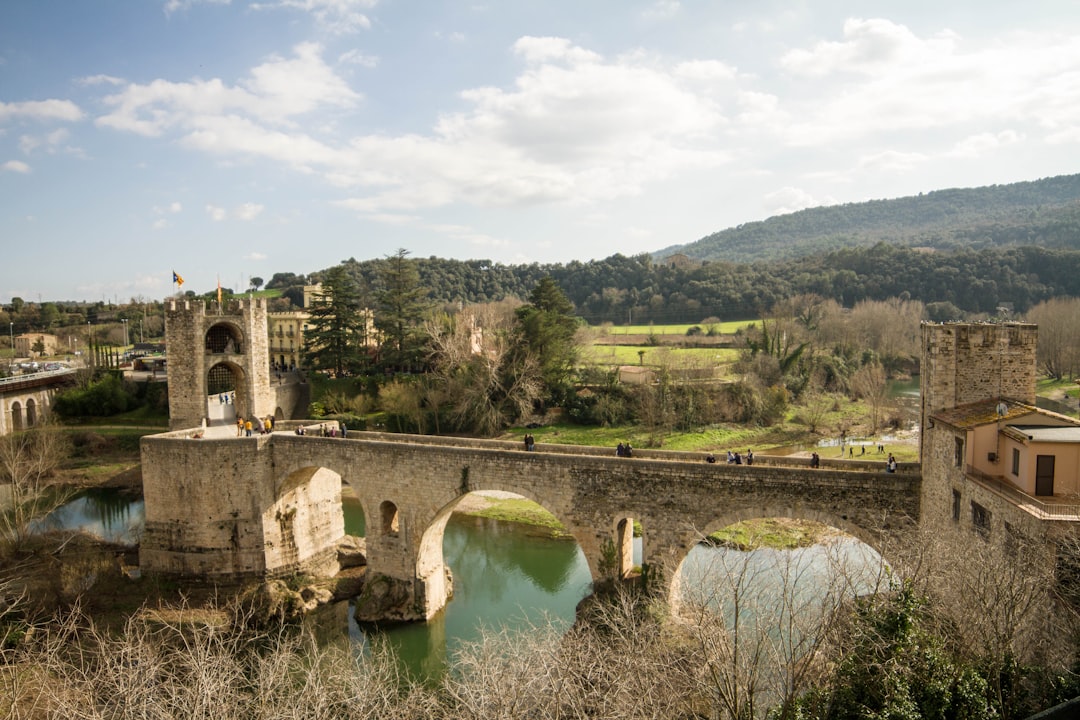
The term “Dark Ages” has long been used to describe a period in European history that followed the fall of the Roman Empire, roughly spanning from the 5th to the 10th centuries. This era is often characterized by a perceived decline in cultural, economic, and intellectual activity. Historians and scholars have traditionally painted this time as one of chaos and barbarism, where the achievements of the classical world were lost amidst the turmoil of invasions, migrations, and societal upheaval.
However, this characterization is increasingly being challenged as new research sheds light on the complexities of this period. The notion of the Dark Ages evokes images of a bleak landscape devoid of progress, where ignorance reigned supreme. Yet, this simplistic view fails to capture the nuances of a time that was marked by significant transformation and adaptation.
As Europe transitioned from the remnants of Roman civilization to a new social order, various factors contributed to both continuity and change. Understanding this era requires a more nuanced approach that recognizes the interplay of various cultural, religious, and political forces that shaped the medieval world.
Key Takeaways
- The term “Dark Ages” refers to the period in European history from the fall of the Roman Empire to the beginning of the Renaissance.
- The misconception of a “dark” era overlooks the cultural and intellectual advancements that took place during this time, including the preservation of knowledge and the rise of feudalism.
- Christianity played a significant role in the Dark Ages, influencing both cultural and intellectual developments.
- The fall of the Roman Empire had a profound impact on the development of Europe, leading to the rise of feudalism and the preservation of knowledge.
- The influence of Islamic civilization on the Dark Ages is often overlooked, but it played a crucial role in preserving and advancing knowledge during this time.
The Misconception of a “Dark” Era
The label “Dark Ages” suggests a complete absence of light—an era devoid of enlightenment or advancement. However, this characterization is misleading. While it is true that certain aspects of life in early medieval Europe were tumultuous, it is essential to recognize that many regions experienced growth and development during this time.
The term itself originated during the Renaissance, when scholars sought to distinguish their own achievements from what they perceived as a stagnant past. This retrospective judgment has led to a skewed understanding of the period. In reality, the so-called Dark Ages were marked by resilience and adaptation.
Communities across Europe were not merely surviving; they were evolving. Local leaders emerged, new forms of governance took shape, and trade networks began to re-establish themselves. The idea that this era was entirely devoid of progress overlooks the fact that many innovations and cultural exchanges occurred during these centuries, laying the groundwork for future advancements.
Cultural and Intellectual Advancements
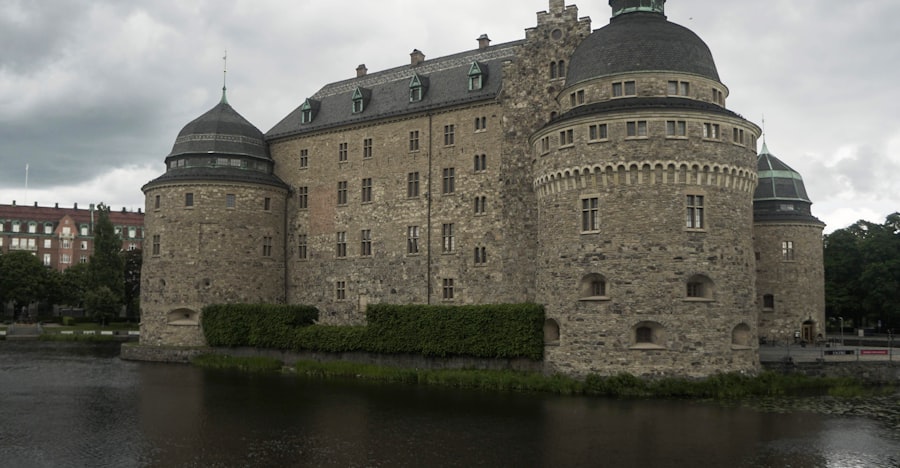
Contrary to popular belief, the Dark Ages were not entirely devoid of cultural and intellectual advancements. In fact, this period saw the emergence of new artistic styles and literary forms that would influence generations to come. The fusion of Roman traditions with local customs gave rise to unique expressions in art and architecture.
The construction of churches and monasteries during this time reflected both religious devotion and artistic innovation, showcasing intricate designs that would later define medieval architecture.
Monastic communities played a crucial role in safeguarding classical texts and religious manuscripts.
Monks diligently copied works from antiquity, ensuring that important philosophical and scientific ideas were not lost to time. This dedication to learning laid the foundation for the intellectual revival that would occur in later centuries, demonstrating that the Dark Ages were not as intellectually barren as once thought.
The Role of Christianity in the Dark Ages
| Aspect | Impact |
|---|---|
| Preservation of knowledge | Christian monasteries preserved ancient texts and knowledge during the Dark Ages |
| Education | Christian monasteries served as centers of education and literacy |
| Art and architecture | Christianity influenced the development of art and architecture during the Dark Ages |
| Social structure | Christianity played a significant role in shaping the social structure of medieval Europe |
Christianity emerged as a unifying force during the Dark Ages, profoundly influencing the social and cultural landscape of Europe. As the Roman Empire crumbled, the Church provided stability and continuity in a time of uncertainty. It became a central institution that offered not only spiritual guidance but also social services, education, and a sense of community.
The spread of Christianity facilitated communication and interaction among diverse groups, fostering a shared identity across regions. The Church also played a pivotal role in preserving knowledge and promoting literacy. Monasteries became centers of learning where monks studied theology, philosophy, and classical texts.
The establishment of cathedral schools further contributed to educational advancements, allowing for the training of clergy and laypeople alike. Through these efforts, Christianity not only shaped moral and ethical frameworks but also acted as a catalyst for intellectual growth during the Dark Ages.
The Fall of the Roman Empire and its Impact
The fall of the Roman Empire in the 5th century marked a significant turning point in European history. This event led to widespread political fragmentation and social upheaval as various tribes and groups vied for control over former Roman territories. The collapse created a power vacuum that resulted in localized governance and a shift away from centralized authority.
While this transition was often chaotic, it also allowed for new forms of leadership to emerge. The impact of Rome’s fall extended beyond politics; it also influenced trade, infrastructure, and cultural exchange. As urban centers declined, rural communities began to flourish, leading to a more agrarian-based society.
This shift necessitated adaptations in agricultural practices and local economies. While some may view this as regression, it was also an opportunity for innovation as communities sought to sustain themselves in a changing world.
The Preservation of Knowledge

One of the most significant contributions of the Dark Ages was the preservation of knowledge from antiquity. Monastic communities played an essential role in this endeavor by meticulously copying texts from classical authors such as Aristotle, Plato, and Virgil. These efforts ensured that vital philosophical and literary works survived through centuries of turmoil.
The dedication of monks to preserving these texts cannot be overstated; their labor laid the groundwork for future intellectual movements. In addition to preserving classical works, monasteries also produced original scholarship during this time. Monks engaged in theological debates, wrote commentaries on scripture, and developed new ideas that would influence medieval thought.
The synthesis of Christian doctrine with classical philosophy created a rich intellectual tradition that would flourish in later centuries. Thus, rather than being an era devoid of knowledge, the Dark Ages served as a crucial period for safeguarding and nurturing intellectual heritage.
The Rise of Feudalism
As Europe transitioned from the remnants of Roman authority to localized power structures, feudalism emerged as a dominant social system. This hierarchical arrangement was characterized by land ownership and reciprocal obligations between lords and vassals. In exchange for protection and land use, vassals pledged loyalty and military service to their lords.
Feudalism also had profound implications for social organization and economic activity. It fostered a sense of community among local populations as people relied on one another for security and sustenance.
Manorial estates became centers of agricultural production, where peasants worked the land in exchange for protection from their lords. While feudalism is often viewed through a lens of oppression, it also facilitated social mobility and local governance in an era marked by uncertainty.
The Influence of Islamic Civilization
During the Dark Ages, Islamic civilization experienced remarkable advancements that would later influence Europe profoundly. The rise of Islam in the 7th century led to significant developments in science, mathematics, medicine, and philosophy across the Islamic world. Scholars such as Al-Khwarizmi made groundbreaking contributions to algebra while others preserved ancient Greek texts that had been lost to Western Europe.
The interactions between Islamic civilization and Europe during this period were crucial for cultural exchange. Trade routes facilitated not only commerce but also the transfer of knowledge between cultures. As European scholars began to engage with Arabic texts, they encountered new ideas that would challenge existing paradigms and inspire further inquiry.
This cross-cultural dialogue played an essential role in shaping the intellectual landscape of medieval Europe.
The Myth of Scientific Stagnation
The idea that the Dark Ages were characterized by scientific stagnation is another misconception that requires reevaluation. While it is true that certain scientific pursuits may have waned following the fall of Rome, this period was not entirely devoid of inquiry or innovation. Various fields such as agriculture saw significant advancements through new techniques and tools developed by local communities.
Additionally, scholars within monastic institutions engaged with scientific ideas from antiquity while also contributing original thought to fields such as astronomy and medicine. The establishment of universities in later centuries can be traced back to these early intellectual endeavors during the Dark Ages. Thus, rather than being an era marked by scientific dormancy, it was one where foundational ideas were laid for future exploration.
Reevaluating the Dark Ages
As historians continue to explore the complexities of the Dark Ages, there is a growing consensus that this period should not be viewed solely through a lens of darkness or decline. Instead, it is essential to recognize the resilience and adaptability exhibited by societies during these centuries. The interplay between various cultural influences—Christianity, feudalism, Islamic scholarship—shaped a dynamic landscape that fostered both continuity and change.
Reevaluating this era allows for a more nuanced understanding of history that acknowledges both challenges and achievements. By moving beyond simplistic narratives, scholars can appreciate how communities navigated adversity while laying the groundwork for future developments in art, science, governance, and culture.
Revising Our Understanding of History
In conclusion, revising our understanding of the Dark Ages is crucial for appreciating the complexities of European history during this time. Rather than being an era defined by ignorance and stagnation, it was one marked by resilience, adaptation, and cultural exchange. The contributions made by monastic communities in preserving knowledge, the emergence of feudalism as a social structure, and the influence of Islamic civilization all played significant roles in shaping medieval Europe.
As historians continue to uncover new evidence and perspectives on this period, it becomes increasingly clear that the Dark Ages were not as dark as once believed. By embracing a more nuanced view of history, society can gain valuable insights into how past challenges were met with innovation and creativity—lessons that remain relevant today as communities navigate their own complexities in an ever-changing world.
The Dark Ages have long been shrouded in myths and misconceptions, often portrayed as a period of cultural and intellectual stagnation. However, recent scholarship has begun to challenge these historical lies, revealing a more nuanced understanding of this era. For those interested in exploring this topic further, an insightful article on the misconceptions surrounding the Dark Ages can be found on Real Lore and Order. This piece delves into the common myths and provides a clearer picture of the advancements and cultural developments that occurred during this time. You can read more about it by visiting this article.
WATCH THIS! 50 Historical Lies You Believe Because of Movies
FAQs
What are some common historical lies about the Dark Ages?
Some common historical lies about the Dark Ages include the belief that it was a period of intellectual stagnation, that it was a time of widespread violence and chaos, and that it was a period of complete cultural and technological regression.
Was the Dark Ages really a period of intellectual stagnation?
Contrary to popular belief, the Dark Ages were not a period of intellectual stagnation. While there were certainly challenges and setbacks, there were also significant advancements in areas such as art, architecture, and philosophy during this time.
Was the Dark Ages a time of widespread violence and chaos?
While there were certainly instances of violence and instability during the Dark Ages, it was not a time of widespread chaos. Many regions experienced relative peace and stability, and there were also periods of cultural and economic growth.
Did the Dark Ages represent a complete cultural and technological regression?
The idea that the Dark Ages represented a complete cultural and technological regression is a historical misconception. While there were certainly challenges and setbacks, there were also significant advancements in areas such as agriculture, medicine, and technology during this time.