The concept of “Tartarian bloodline” has gained traction within certain online communities, positing the existence of a lineage descended from a lost, advanced civilization known as Tartaria. This narrative, often intertwined with conspiracy theories about suppressed history, suggests that individuals carrying this bloodline possess unique traits or exhibit specific characteristics. Examining these purported signs requires an approach grounded in critical analysis, disentangling speculative claims from verifiable historical or scientific understanding. This article aims to explore these alleged indicators, not to validate them as factual, but to understand the nature of the belief and the types of evidence that proponents cite.
Architectural Anomalies as Markers of Ancient Lineage
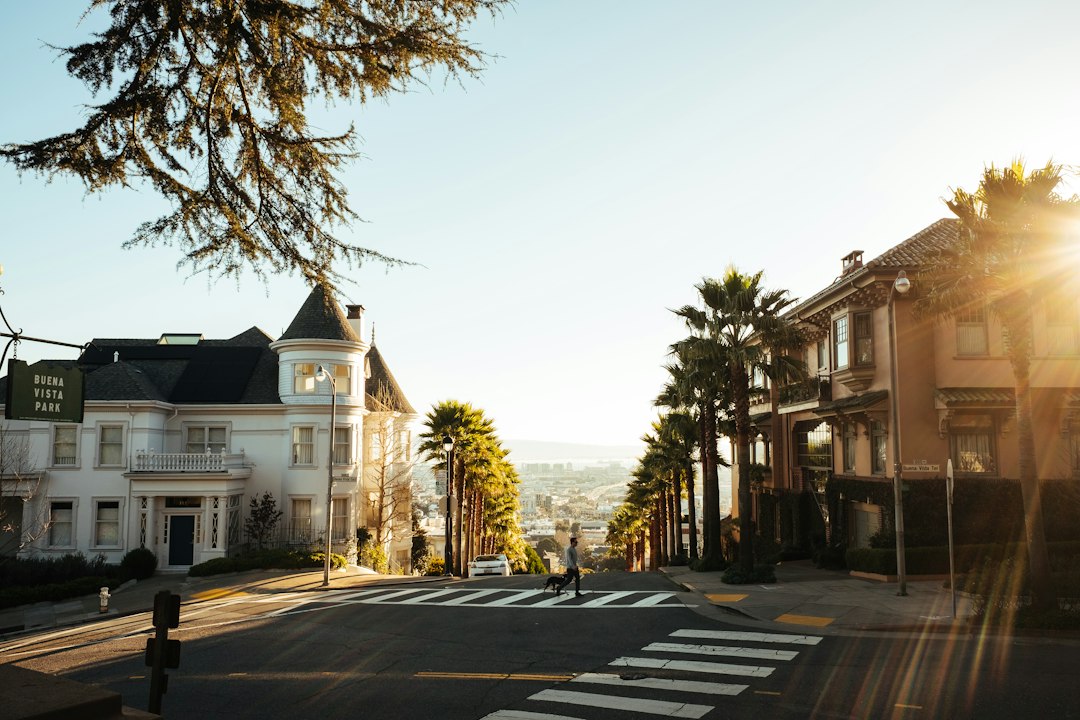
A cornerstone of the Tartarian theory rests on the interpretation of monumental architecture found across the globe. Proponents argue that the sheer scale, intricate design, and technological sophistication of many historical buildings far exceed the capabilities of the eras in which they are conventionally dated. This perceived anachronism leads to the conclusion that a more advanced, earlier civilization, Tartaria, was responsible for their construction.
The Great Resets and Suppressed Technologies
Central to the architectural argument is the idea of “Great Resets” – cyclical events, often theorized as cataclysmic, that periodically wiped out advanced civilizations and reset societal progress. The surviving remnants of these erased histories, it is argued, are the grand structures we see today. These buildings, from ornate city halls and opera houses to seemingly impossible underground cities, are presented not as products of their documented builders, but as mere appropriations or repurposing of pre-existing Tartarian constructions. The advanced engineering, the precise stonework, and the complex hydrological systems allegedly embedded within these structures are then considered evidence of a lost Tartarian technology, a legacy that might be passed down through certain bloodlines.
Identifying Common Architectural Motifs
Within the vast array of global architecture, proponents of the Tartarian bloodline theory often point to recurring motifs as potential identifiers. These can include:
- Advanced Masonry and Stone Cutting: The precise fitting of massive stones without visible mortar, the seamless incorporation of varied stone types, and the often elaborate carving and ornamentation are cited as evidence of a lost art of stonework. Examples commonly referenced include Inca stonework in South America, ancient Egyptian pyramids, as well as European classical and Baroque structures.
- Dome Structures and Astronomical Alignments: The prevalence of large domes, often seen in civic and religious buildings, is interpreted as reflecting an advanced understanding of geometry and possibly astronomical observation. The precise alignment of these structures with celestial bodies, even when not explicitly acknowledged by conventional historians, is presented as further evidence of Tartarian influence and knowledge.
- Ornate Flourishes and Symbolic Imagery: Intricate carvings, elaborate sculptures, and the repetition of specific symbolic imagery across disparate geographical locations are scrutinized for clues. These can range from depictions of mythical creatures and celestial bodies to geometric patterns and what are perceived as universal symbols of power or knowledge.
The “Mud Flood” Hypothesis and Buried Cities
Another significant aspect of the architectural argument is the “mud flood” hypothesis. This theory suggests that a massive, global mud inundation occurred at some point in history, burying the lower levels of existing cities and civilizations. Buildings that appear to have doors and windows at ground level, or even below it, are often presented as evidence. The removal of this accumulated mud, proponents claim, would reveal the true extent of Tartarian cities and their architectural grandeur. The presence of such buried structures is then extrapolated to suggest that those who inhabited the original, pre-mud-flood Tartarian civilization, or their descendants who survived and re-populated, might carry this ancestral connection.
The concept of the Tartarian bloodline has intrigued many, leading to various theories and discussions about its historical significance and implications. For those interested in exploring the broader context of financial systems and their impact on society, a related article can provide valuable insights. You can read more about how the Dodd-Frank Act affects deposits and its relevance to modern financial structures by visiting this link: Dodd-Frank Act Overview.
Physiological and Energetic Characteristics
Beyond architecture, theories surrounding the Tartarian bloodline often delve into purportedly subtle physiological or energetic characteristics attributed to those who might carry this lineage. These are generally more subjective and less empirically verifiable than architectural observations, relying on interpretation of energetic fields, physical attributes, and even psychological predispositions.
Enhanced Sensory Perception and Intuition
A recurring theme is the idea that individuals with Tartarian blood possess heightened sensory perception or an innate, stronger intuition. This is often linked to a more direct connection with natural energies or a residual energetic imprint from their ancestral civilization.
Subtle Energetic Signatures
Within alternative healing and energetic practices, proponents sometimes speak of identifying specific energetic signatures. While not scientifically recognized, these interpretations might form part of the belief system for some claiming Tartarian lineage.
- Aura Reading and Energy Fields: In communities discussing esoteric topics, the concept of auras and personal energy fields is prevalent. Some might claim to be able to perceive distinct energy patterns or colors associated with individuals they believe possess a Tartarian connection.
- Vibrational Frequencies: The idea that living beings, objects, and even places have distinct vibrational frequencies is another common concept. Those who believe in Tartarian bloodlines might posit that individuals with this lineage possess naturally higher or more harmonious vibrational frequencies.
Physical Resemblances and Genetic Markers (Unsubstantiated)
While highly speculative and lacking any scientific basis, some proponents suggest potential physical resemblances or even unsubstantiated genetic markers that might indicate Tartarian ancestry. These often manifest as anecdotal observations.
Noteworthy Physical Traits
These are typically anecdotal and lack any scientific validation, originating from subjective interpretations of physical appearance:
- Unusual Eye Colors or Patterns: Certain rare or striking eye colors, or unique patterns within the iris, have been cited by some as potential indicators.
- Exceptional Health or Vitality: Anecdotal claims often arise about individuals exhibiting remarkable overall health, resilience, or a youthful appearance beyond their chronological age, which is then attributed to their “superior” ancestral genetics.
- Specific Facial Structures or Bone Density: Again, highly subjective, certain individuals might point to specific facial features, bone structure, or even unusually dense bone mass as suggestive of a different ancestral origin.
Historical Narrative Reinterpretation
The Tartarian bloodline narrative is intrinsically linked to a radical reinterpretation of recorded history. Conventional historical accounts are dismissed as manufactured or incomplete, with Tartaria being presented as a vastly advanced global civilization deliberately erased from collective memory to maintain control by subsequent powers.
The Suppression of Tartarian Knowledge
A central tenet of the Tartarian theory is that an organized effort has been undertaken to suppress knowledge of Tartaria and its achievements. This suppression, it is argued, has been ongoing for centuries, with the goal of obscuring the true origins of humanity and its potential.
The Role of Elites and Secret Societies
Within these theories, powerful elites and secret societies are often accused of orchestrating this historical revisionism. Their alleged motivations range from maintaining social order and power to hoarding advanced knowledge and technologies for their own benefit.
- Control of Information and Education: The dissemination of skewed historical narratives through educational institutions, media, and academic circles is seen as a primary tool of this suppression.
- Destruction of Evidence: The deliberate destruction or alteration of historical records, artifacts, and architectural remnants are also purported mechanisms employed to erase Tartarian existence.
The “Founding Fathers” and Inherited Legacy
Some theories extend the concept of the Tartarian bloodline to influential figures throughout history, suggesting that many “founding fathers” of nations or leaders who shaped significant historical movements were either direct descendants or indirect inheritors of Tartarian legacy and knowledge.
Connections to Prominent Historical Figures
This aspect often involves drawing tenuous connections between historical figures and supposed Tartarian traits or influences:
- Architectural Patronage: Proponents might point to historical figures who commissioned grand architectural projects as evidence of their connection to Tartarian building traditions, even if conventional history attributes this to Renaissance or Baroque influences.
- Philosophical and Scientific Innovations: Individuals credited with significant philosophical or scientific breakthroughs are sometimes posited to have drawn upon suppressed Tartarian knowledge, their innovations being seen as echoes of a greater, older wisdom.
Symbolism and Esoteric Interpretations
The exploration of Tartarian bloodline often delves into the realm of symbolism and esoteric understanding, seeking hidden meanings in ancient texts, cultural practices, and seemingly mundane objects.
Universal Symbols and Their Alleged Origins
Proponents often identify recurring symbols across diverse cultures and time periods, claiming these are not independent inventions but rather remnants of a universal Tartarian language or symbolic system.
Decoding Ancient Iconography
This involves reinterpreting well-known symbols through a Tartarian lens:
- The Sun and Celestial Motifs: The widespread veneration of the sun and celestial bodies is often interpreted as a direct link to Tartarian astronomical knowledge and their alleged worship of cosmic energies.
- Geometric Patterns and Sacred Geometry: The prevalence of specific geometric shapes, such as the circle, square, and triangle, and their combinations, are seen as fundamental building blocks of Tartarian knowledge and design principles.
- The “All-Seeing Eye” and Other Emblems: Symbols like the “All-Seeing Eye” are frequently recontextualized as remnants of a Tartarian oversight or knowledge-guarding mechanism.
Language and Etymology
Reinterpreting linguistic origins and tracing the etymology of words is another avenue explored by those seeking clues to a Tartarian bloodline. This often involves finding supposed connections between modern languages and a presumed ancient Tartarian root language.
Linguistic Reconstructions (Non-Academic)
This is a highly speculative area, often diverging from established linguistic principles:
- Finding Proto-Tartarian Roots: Proponents might attempt to trace common words or root sounds across various languages, claiming they originate from a singular, ancient Tartarian tongue.
- Alleged “Hidden Meanings” in Words: Certain words are deconstructed to reveal purported deeper, hidden meanings that are then linked to Tartarian concepts or history.
The concept of a Tartarian bloodline has intrigued many researchers and enthusiasts alike, often leading to discussions about ancient civilizations and their hidden histories. For those interested in exploring the connections between ancient cultures and their societal structures, a fascinating article on rationing systems in the ancient world can provide valuable insights. You can read more about it here, which delves into how these systems may have influenced the development of various societies, potentially shedding light on the enigmatic Tartarian narrative.
Modern Manifestations and Future Implications
The belief in a Tartarian bloodline is not solely a historical curiosity for its proponents; it is often seen as having contemporary relevance and future implications for individuals and society.
The Reawakening of Tartarian Consciousness
A significant aspect of the belief system is the idea of a “reawakening” among those who carry this lineage. This reawakening is often described as a gradual unfolding of awareness, a recognition of a deeper connection to lost knowledge and a greater purpose.
Experiential Manifestations
These are framed as personal, often internal, shifts in perception or understanding:
- Intuitive Knowledge and “Remembering”: Individuals may report sudden flashes of insight, an innate understanding of complex concepts, or a feeling of “remembering” things they have never learned.
- A Call to Uncover Truth: A strong, often compelling drive to question established narratives, seek out hidden information, and expose what is perceived as historical deception.
The Role of Tartarian Descendants in the Present Day
Those who believe in the Tartarian bloodline often assign a crucial role to its supposed modern-day descendants. They are seen as vital in the process of bringing suppressed knowledge back to light and potentially guiding humanity toward a more enlightened future.
Guardians of Ancient Wisdom
This perspective casts individuals with alleged Tartarian ancestry in a protective or leading role:
- Preserving and Disseminating Lost Knowledge: The belief is that these individuals possess an inherent understanding or connection that allows them to access and share the truths about Tartaria.
- Facilitating a “Great Awakening”: They are seen as catalysts or key figures in a broader societal shift away from what is perceived as illusion and toward a more authentic understanding of history and human potential.
The Future of Tartarian Legacy
The interpretation of what the Tartarian legacy means for the future varies. For some, it is about reclaiming a lost spiritual heritage; for others, it involves the potential rediscovery of advanced technologies. The implications for societal structures and human evolution are often discussed.
- Restoring a Lost Golden Age: A common aspiration is the restoration of a perceived “Golden Age” of knowledge and harmony, referencing the supposed achievements of Tartaria.
- Technological Renaissance: The potential rediscovery of Tartarian technologies is often linked to solving modern-day challenges, from energy production to advanced forms of healing.
It is essential to reiterate that the concepts discussed within the framework of a “Tartarian bloodline” are predominantly found in fringe theories and lack substantiation from mainstream historical, archaeological, or scientific communities. This article aims to explore the nature of these claims and the types of reasoning employed by their proponents, rather than presenting them as factual assertions. The examination of these purported signs offers a glimpse into the appeal of alternative narratives and the human desire to find deeper, more profound explanations for the world and our place within it.
FAQs
What are the signs of the Tartarian bloodline?
Some signs of the Tartarian bloodline include a strong connection to ancient Tartarian culture and history, physical characteristics such as distinctive facial features, and a predisposition towards certain talents or abilities.
Can DNA testing determine if someone has Tartarian bloodline?
DNA testing can provide some insight into a person’s ancestry, but it cannot specifically identify Tartarian bloodline. Tartarian ancestry would likely be traced through historical records and genealogical research.
Are there any specific physical traits associated with the Tartarian bloodline?
While there are no universally recognized physical traits associated with the Tartarian bloodline, some individuals may have distinctive facial features or other physical characteristics that are commonly associated with the Tartarian lineage.
What talents or abilities are commonly associated with the Tartarian bloodline?
Some individuals with Tartarian ancestry may have a predisposition towards certain talents or abilities, such as a strong connection to ancient knowledge and wisdom, artistic or creative talents, or a natural affinity for spiritual practices.
How can someone explore their potential Tartarian ancestry?
Exploring potential Tartarian ancestry may involve genealogical research, historical investigation, and connecting with others who share similar interests in Tartarian culture and history. Additionally, individuals can explore their own talents and abilities to see if they align with commonly associated traits of the Tartarian bloodline.