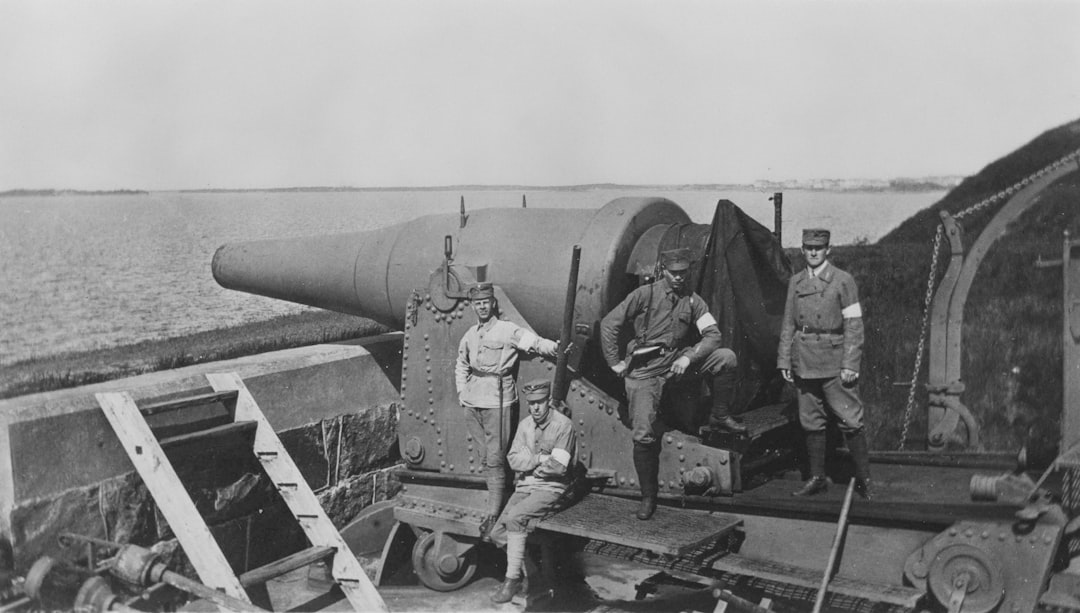
The notion of a “Clean Wehrmacht” has long been a contentious topic in discussions surrounding World War
This myth suggests that the German military operated independently of the Nazi regime’s atrocities, portraying its soldiers as honorable warriors who were merely following orders. This narrative has been perpetuated in various forms, often romanticizing the Wehrmacht while downplaying or ignoring its complicity in war crimes and the Holocaust. Many historians argue that this portrayal serves to absolve the military of its moral responsibilities, creating a sanitized image that is far removed from the brutal realities of the war.
In reality, extensive evidence reveals that the Wehrmacht was deeply involved in the Nazi regime’s genocidal policies. Soldiers participated in mass executions, facilitated the deportation of Jews, and engaged in numerous acts of violence against civilians in occupied territories. The myth of the Clean Wehrmacht not only distorts historical facts but also undermines the experiences of those who suffered at the hands of German forces.
By acknowledging the Wehrmacht’s role in these atrocities, historians can provide a more nuanced understanding of the complexities of war and the moral implications of military service during this dark chapter in history.
Key Takeaways
- The myth of the clean Wehrmacht: The idea that the German army was not involved in war crimes is a dangerous myth that needs to be debunked.
- The falsehood of the “Polish Cavalry Charge”: The popular belief that Polish cavalry charged at German tanks is a complete falsehood and needs to be corrected.
- The misrepresentation of the “Great Escape”: The Hollywood version of the Great Escape is not an accurate portrayal of the event and needs to be reexamined.
- The fabrication of the “Kamikaze Spirit”: The idea of the kamikaze spirit as a noble sacrifice is a fabrication that needs to be challenged.
- The exaggeration of the “French Resistance”: While the French Resistance was important, its role has been exaggerated and needs to be reevaluated.
The Falsehood of the “Polish Cavalry Charge”

One of the most enduring myths from the early days of World War II is the so-called “Polish Cavalry Charge” against German tanks during the invasion of Poland in 1939. This narrative paints a picture of Polish cavalrymen bravely charging into battle against overwhelming odds, armed only with swords and lances. However, this depiction is not only misleading but also fundamentally inaccurate.
In truth, Polish cavalry units were equipped with modern firearms and were not engaged in any such charge against German armored divisions. The myth likely arose from a combination of propaganda and a misunderstanding of military tactics at the time. Polish cavalry did engage in skirmishes with German forces, but these encounters were characterized by strategic maneuvers rather than reckless charges.
The romanticized image of horse-mounted soldiers gallantly facing tanks serves to reinforce stereotypes about Polish military ineptitude while obscuring the realities of their tactical capabilities and the overwhelming force they faced from the German blitzkrieg. By debunking this myth, one can better appreciate the complexities of warfare and the challenges faced by nations during this tumultuous period.
The Misrepresentation of the “Great Escape”
| Aspect | Details |
|---|---|
| Title | The Misrepresentation of the “Great Escape” |
| Topic | Historical event |
| Key Players | Allied prisoners, German captors |
| Location | Stalag Luft III, Sagan, Germany |
| Year | 1944 |
| Outcome | Most escapees were recaptured and 50 were executed |
The “Great Escape,” a dramatic event involving Allied prisoners of war escaping from a German camp during World War II, has been immortalized in popular culture through films and literature. While it is true that a significant escape took place from Stalag Luft III in 1944, the narrative surrounding it has often been embellished and romanticized. The popular portrayal tends to focus on heroism and adventure, overshadowing the grim realities faced by prisoners and the tragic consequences that followed.
In reality, the escape was fraught with peril and resulted in severe repercussions for those involved. Of the 76 men who successfully escaped, only three ultimately reached safety; the rest were recaptured, and many were executed on Hitler’s orders as a warning to other prisoners. This darker aspect of the Great Escape is frequently glossed over in favor of a more heroic narrative, which can lead to misconceptions about the nature of wartime escapes and their outcomes.
By examining the true events behind this legendary tale, one can gain a deeper understanding of the desperation and courage exhibited by those who sought freedom amidst unimaginable circumstances.
The Fabrication of the “Kamikaze Spirit”
The concept of the “Kamikaze Spirit” has been romanticized in various narratives surrounding Japan’s military actions during World War
In reality, many Kamikaze pilots were young men coerced into participating in these suicide missions due to societal pressures and a lack of alternatives.
Furthermore, this narrative can perpetuate harmful stereotypes about Japanese culture and its values, reducing a multifaceted society to a single trope.
By critically examining the motivations behind Kamikaze attacks, one can better understand the human experiences that shaped this aspect of wartime history.
The Exaggeration of the “French Resistance”

The French Resistance has often been portrayed as a unified and heroic movement that played a crucial role in undermining Nazi occupation during World War
Moreover, many French citizens did not actively participate in resistance activities; instead, they sought to survive under occupation while navigating a difficult political landscape. The exaggeration of resistance efforts can create an oversimplified narrative that overlooks the complexities of collaboration, survival, and dissent within occupied France. By acknowledging these nuances, historians can provide a more accurate portrayal of life under occupation and the varied responses to Nazi rule.
The Distortion of the “Battle of Stalingrad”
The Battle of Stalingrad is often heralded as a turning point in World War II, symbolizing Soviet resilience against Nazi aggression. However, popular narratives surrounding this battle can sometimes distort its complexities and significance. While it is true that Stalingrad marked a significant defeat for German forces, reducing it to a simple tale of good versus evil overlooks the brutal realities faced by both sides during this protracted conflict.
The battle was characterized by immense suffering, with millions of soldiers and civilians caught in its devastating grip. The harsh winter conditions, combined with relentless fighting, led to staggering casualties on both sides. Furthermore, while Soviet forces ultimately emerged victorious, this victory came at an enormous cost, raising questions about the human toll of such military engagements.
By exploring these complexities, one can gain a deeper appreciation for the sacrifices made during Stalingrad and understand its place within the broader context of World War
The Inaccuracy of the “Pearl Harbor Surprise Attack”
The attack on Pearl Harbor on December 7, 1941, is often depicted as a sudden and unprovoked assault by Japanese forces that caught American military personnel completely off guard. While it is true that the attack had devastating consequences for the U.S. Pacific Fleet, this narrative oversimplifies the geopolitical tensions leading up to that fateful day.
The failure to adequately prepare for an attack was not solely due to a lack of foresight but also stemmed from complex diplomatic relations between Japan and the United States. The portrayal of Pearl Harbor as an unexpected surprise can obscure these underlying tensions and misrepresent the broader context in which this pivotal event occurred.
By examining the factors that contributed to Pearl Harbor, historians can provide a more nuanced understanding of how miscalculations and misunderstandings shaped wartime dynamics.
The Misconception of the “Hollywood Version” of D-Day
D-Day, or the Normandy landings on June 6, 1944, is often depicted in Hollywood films as a heroic and straightforward assault against German defenses. While it was indeed a monumental operation that marked a significant turning point in World War II, popular portrayals frequently gloss over the complexities and challenges faced by Allied forces during this massive undertaking. The cinematic representation tends to focus on individual heroism while neglecting the extensive planning, coordination, and sacrifices made by countless soldiers.
In reality, D-Day was fraught with difficulties from logistical challenges to fierce German resistance. The landings involved meticulous planning over several years and required cooperation among multiple Allied nations. Additionally, many soldiers faced harrowing conditions upon landing on French shores, with high casualty rates reflecting the brutal nature of warfare.
By critically examining both historical accounts and cinematic portrayals, one can appreciate not only the heroism displayed on D-Day but also recognize the multifaceted nature of this pivotal moment in history.
The Misrepresentation of the “Atomic Bombings of Hiroshima and Nagasaki”
The atomic bombings of Hiroshima and Nagasaki have been subjects of intense debate since they occurred in August 1945. Often framed as necessary actions to bring about Japan’s surrender and end World War II swiftly, this narrative can oversimplify complex ethical considerations surrounding nuclear warfare. While proponents argue that these bombings saved lives by preventing a protracted ground invasion, critics contend that they inflicted unimaginable suffering on civilian populations without just cause.
The bombings resulted in immediate devastation and long-term health consequences for survivors, raising profound moral questions about targeting civilians in warfare. Furthermore, discussions surrounding these events often overlook alternative strategies that could have been pursued to achieve peace without resorting to nuclear weapons. By engaging with diverse perspectives on this topic, historians can foster a more comprehensive understanding of the implications surrounding atomic warfare and its lasting impact on international relations.
The Falsification of the “Nazi-Soviet Non-Aggression Pact”
The Nazi-Soviet Non-Aggression Pact signed in August 1939 is frequently misrepresented as an alliance between two ideologically opposed regimes—Nazi Germany and Stalinist Russia—united solely by mutual self-interest. While it is true that both nations sought to avoid conflict at that moment, this portrayal can obscure deeper motivations behind their agreement and its subsequent implications for Europe. The pact allowed Germany to invade Poland without fear of Soviet intervention while simultaneously granting Stalin time to consolidate power within Eastern Europe.
This agreement ultimately facilitated further aggression from both regimes as they sought territorial expansion at the expense of neighboring countries. By examining these dynamics more closely, historians can provide insight into how this pact shaped early wartime strategies and contributed to broader geopolitical tensions leading up to World War
The Misleading Narrative of the “Holocaust Denial”
Holocaust denial represents one of history’s most egregious distortions—a deliberate attempt to undermine or negate established facts about one of humanity’s darkest chapters. This narrative often relies on pseudoscience or selective interpretations aimed at casting doubt on overwhelming evidence regarding Nazi atrocities against Jews during World War
By challenging established historical facts through misinformation or revisionist claims, Holocaust deniers seek to reshape public perception while erasing collective memory surrounding genocide. Engaging with these narratives critically is essential for preserving historical accuracy and combating hate-driven ideologies that continue to persist today. Through education and awareness-raising efforts, society can work towards ensuring that such atrocities are never forgotten or repeated again.
In conclusion, understanding these myths and misconceptions surrounding World War II is crucial for fostering an accurate historical narrative that honors those who lived through it while providing valuable lessons for future generations. By critically examining popular narratives alongside established historical facts, one can gain deeper insights into complex events that shaped our world today.
World War II, a pivotal event in global history, has been the subject of numerous myths and misconceptions that have persisted over the decades. These historical inaccuracies often stem from propaganda, misinterpretations, or deliberate distortions of facts. An interesting article that delves into some of these historical lies can be found on Real Lore and Order. This piece explores various myths surrounding the war, providing insights into how these falsehoods have shaped public perception over time. For a deeper understanding, you can read more about these historical lies by visiting the article on Real Lore and Order.
WATCH THIS! 50 Historical Lies You Believe Because of Movies
FAQs
What are some common historical lies about World War Two?
Some common historical lies about World War Two include the denial of the Holocaust, the belief that the war was solely caused by Hitler, and the misconception that the United States was solely responsible for the defeat of the Axis powers.
How do these historical lies impact our understanding of World War Two?
These historical lies can distort our understanding of World War Two by minimizing the roles of other countries and individuals in the conflict, and by downplaying the atrocities committed during the war.
What are some examples of historical truths about World War Two that are often overlooked?
Some overlooked historical truths about World War Two include the significant contributions of the Soviet Union in defeating the Nazis, the role of women in the war effort, and the experiences of non-European countries and soldiers in the conflict.
How can we combat historical lies about World War Two?
We can combat historical lies about World War Two by promoting education and awareness of the true historical events, acknowledging the diverse contributions and experiences of individuals and countries during the war, and critically examining and challenging false narratives.