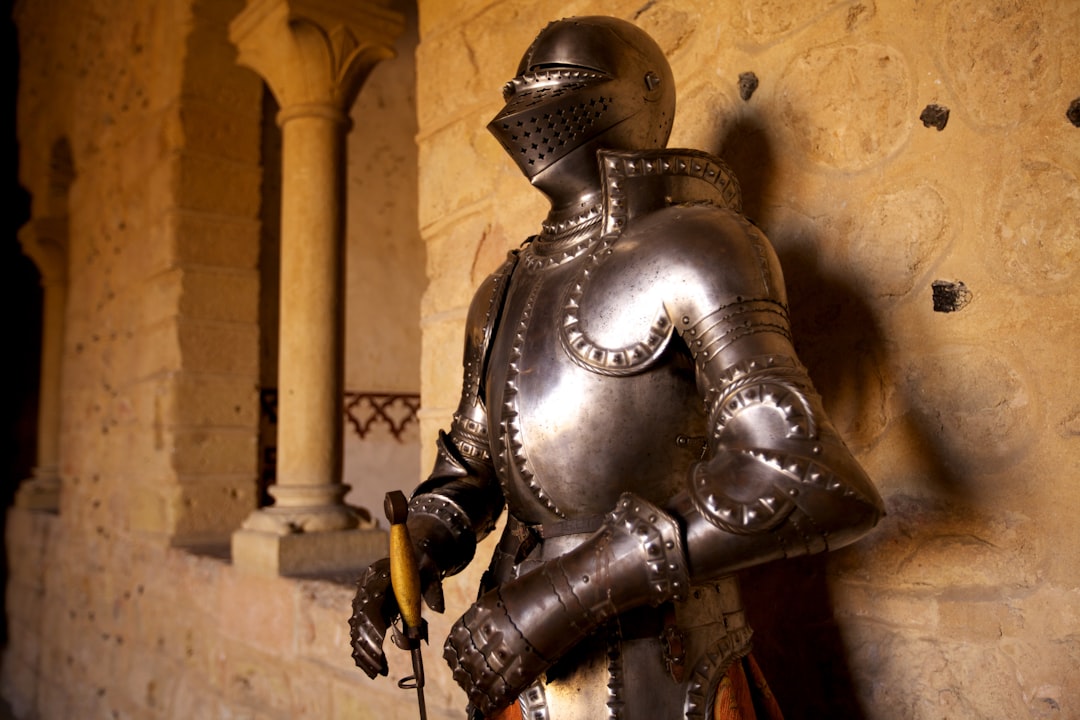
The Middle Ages, often referred to as the medieval period, spanned roughly from the 5th to the late 15th century, marking a significant chapter in European history. This era is characterized by a complex tapestry of cultural, social, and political developments that shaped the continent’s trajectory. Following the fall of the Western Roman Empire, Europe entered a phase of transformation that would lay the groundwork for the Renaissance and the modern age.
The Middle Ages were not merely a time of stagnation; rather, they were a period of profound change, innovation, and resilience. During this time, Europe witnessed the rise of feudalism, the establishment of powerful kingdoms, and the flourishing of art and literature. The medieval period was also marked by significant religious influence, particularly from the Catholic Church, which played a pivotal role in shaping societal norms and values.
As historians delve deeper into this era, they uncover a rich and nuanced narrative that challenges many preconceived notions about the Middle Ages. This article aims to explore various aspects of medieval life, dispelling myths and shedding light on the realities of this fascinating period.
Key Takeaways
- The Middle Ages were a complex and diverse period in history, characterized by significant advancements in science, technology, and societal structures.
- The idea of the “Dark Ages” is a myth, as the Middle Ages were a time of great innovation and progress in various fields.
- Medieval science and technology were far more advanced than commonly believed, with significant contributions to fields such as medicine, engineering, and agriculture.
- The medieval society was not barbaric, but rather had complex social structures and cultural achievements that are often overlooked.
- Women played important roles in the Middle Ages, contributing to various aspects of society including art, literature, and healthcare.
- Medieval medicine and healthcare were more advanced than commonly thought, with significant developments in surgery, herbal remedies, and public health practices.
- Feudalism was not as oppressive as often portrayed, with a complex system of rights and responsibilities for both lords and peasants.
- The Church had a significant influence on medieval society, shaping cultural, political, and intellectual developments during this period.
- Knights and chivalry were not as romanticized as commonly believed, with a complex reality of warfare, social status, and codes of conduct.
- Peasant life in the Middle Ages was challenging, but also included elements of community, culture, and resilience that are often overlooked.
- Revisiting the Middle Ages reveals a period of rich complexity and diversity, with significant contributions to science, technology, and societal structures that continue to influence the modern world.
The Myth of the Dark Ages
The term “Dark Ages” has long been used to describe the early medieval period, suggesting a time of cultural and intellectual decline following the fall of Rome. This characterization implies that Europe was plunged into ignorance and barbarism, with little progress in art, science, or philosophy.
In reality, while there were certainly challenges during this period—such as invasions, political instability, and economic difficulties—there were also significant developments. Monasteries became centers of learning and preservation of knowledge, where monks meticulously copied ancient texts and contributed to the intellectual life of Europe. The Carolingian Renaissance, initiated by Charlemagne in the 8th century, saw a revival of art and culture that laid the foundation for future advancements.
Thus, the notion of a uniformly dark and stagnant age fails to capture the complexity and dynamism of medieval society.
The Truth about Medieval Science and Technology
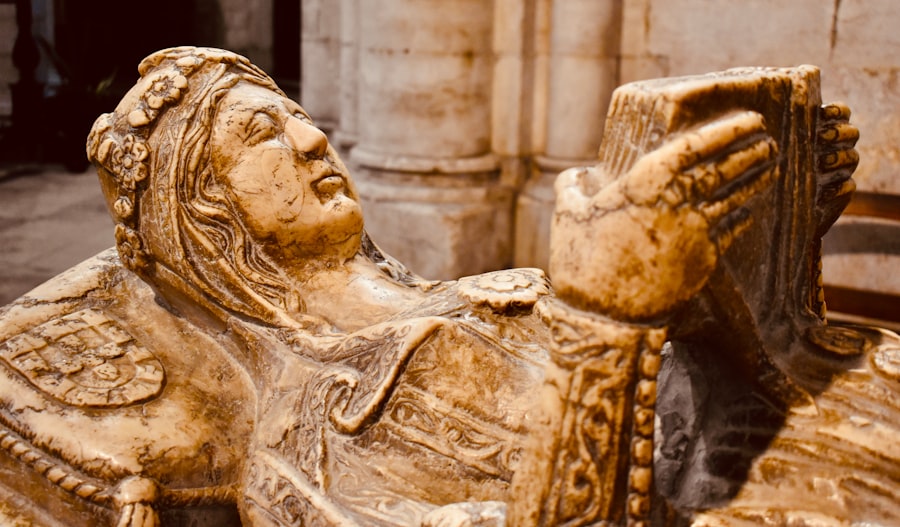
Contrary to popular belief, medieval science and technology were not stagnant or regressive. In fact, this period saw remarkable advancements in various fields, including agriculture, engineering, and medicine. Innovations such as the heavy plow and the three-field system revolutionized farming practices, leading to increased productivity and population growth.
These agricultural advancements laid the groundwork for urbanization and economic development in later centuries. Moreover, medieval scholars made significant contributions to science and philosophy. Figures like Roger Bacon and Thomas Aquinas sought to reconcile faith with reason, paving the way for future scientific inquiry.
The establishment of universities in the 12th century further facilitated the exchange of ideas and knowledge. While it is true that some scientific progress was hindered by dogmatic beliefs, many medieval thinkers were dedicated to exploring the natural world through observation and experimentation. Thus, the narrative of a scientifically barren Middle Ages is a misconception that overlooks the era’s genuine contributions to human knowledge.
Debunking the Myth of the Barbaric Medieval Society
| Myth | Reality |
|---|---|
| Barbaric medieval society | Advancements in art, architecture, and science |
| Violent and lawless | Had legal systems and codes of conduct |
| Ignorant and uneducated | Universities and centers of learning existed |
| Primitive medical practices | Medical knowledge and advancements were made |
The stereotype of medieval society as barbaric is deeply entrenched in popular culture, often perpetuated by literature and film that emphasize violence and chaos. However, this portrayal oversimplifies a complex social structure characterized by various forms of governance, community organization, and cultural expression. While warfare was indeed a part of life during this time, it was not the sole defining feature of medieval existence.
Medieval society was marked by a rich tapestry of cultural achievements, including literature, art, and architecture. The construction of cathedrals and castles showcased remarkable engineering skills and artistic vision. Additionally, chivalric codes governed the behavior of knights and nobles, promoting ideals such as honor, loyalty, and protection of the weak.
These codes contributed to a sense of order and morality within society. Therefore, labeling the entire medieval period as barbaric fails to acknowledge the nuanced realities of life during this time.
The Role of Women in the Middle Ages
The role of women in the Middle Ages is often misunderstood, with many assuming that they were universally oppressed and relegated to domestic spheres. While it is true that societal norms often limited women’s rights and opportunities compared to men, women in medieval society held diverse roles that varied significantly based on their social class and geographic location. Noblewomen could wield considerable influence within their households and even participate in political affairs through marriage alliances or regency.
In addition to noblewomen, peasant women played crucial roles in agricultural production and family economies. They were responsible for managing households, tending to livestock, and participating in local markets. Some women even became skilled artisans or merchants in their own right.
Furthermore, religious institutions provided women with opportunities for education and leadership; many became nuns or abbesses who held significant power within their communities. Thus, while challenges existed for women during this period, their contributions were vital to the fabric of medieval society.
The Reality of Medieval Medicine and Healthcare
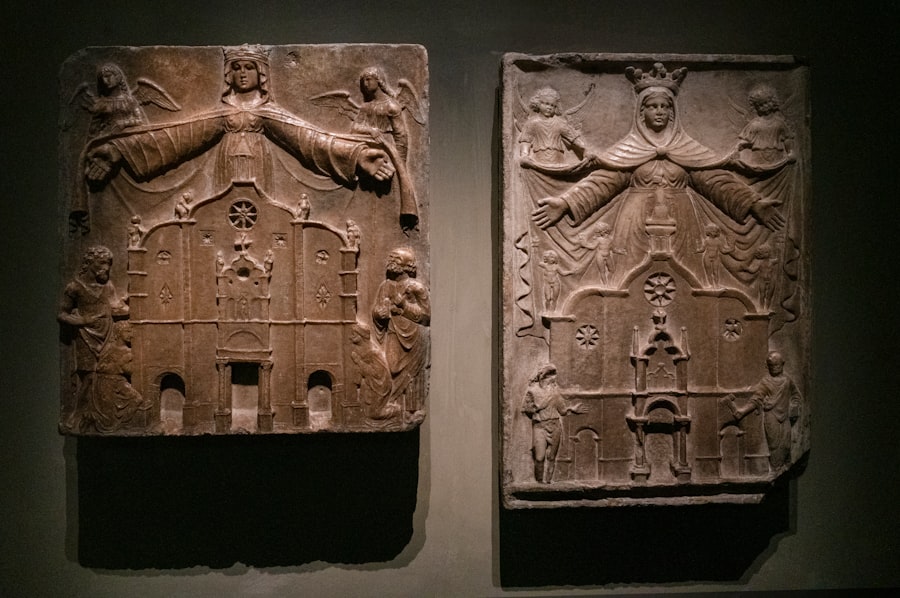
Medieval medicine is often viewed through a lens of superstition and ignorance; however, this perspective overlooks the complexities of healthcare practices during this time. While it is true that medical knowledge was limited compared to modern standards, medieval practitioners employed various methods based on observation and experience. Herbal remedies were commonly used, with many physicians drawing from ancient texts to inform their treatments.
These institutions provided care for the sick and poor, often run by religious orders dedicated to serving their communities. Additionally, medical schools began to emerge in major cities, where students could learn from experienced practitioners.
Although medieval medicine was not without its flaws—such as reliance on bloodletting or humoral theory—it was a period marked by genuine efforts to understand health and disease.
The Misconceptions about Feudalism
Feudalism is often portrayed as a rigid hierarchical system characterized by oppression and exploitation; however, this oversimplification fails to capture its complexities. While it is true that feudal relationships involved obligations between lords and vassals—wherein vassals provided military service in exchange for land—these relationships were often more nuanced than mere exploitation. Loyalty and mutual obligation were central tenets of feudalism, fostering bonds between different social classes.
Moreover, feudalism varied significantly across regions and evolved over time. In some areas, local customs influenced how feudal obligations were enacted, leading to diverse interpretations of loyalty and service. Additionally, as towns began to grow in prominence during the later Middle Ages, new economic systems emerged that challenged traditional feudal structures.
Thus, while feudalism played a significant role in shaping medieval society, it was not an unchanging or universally oppressive system.
The Influence of the Church in the Middle Ages
The Catholic Church wielded immense power during the Middle Ages, influencing nearly every aspect of life from politics to education. While some may view this influence as oppressive or authoritarian, it is essential to recognize that the Church also served as a unifying force in a fragmented Europe. It provided stability during times of turmoil and offered a shared moral framework that guided societal norms.
Furthermore, monasteries became centers of learning and preservation of knowledge during this period. Monks not only copied ancient texts but also contributed original works in theology, philosophy, and science. The Church played a crucial role in fostering education through cathedral schools and universities that emerged in major cities.
While there were certainly instances of corruption within the Church hierarchy, its overall impact on medieval society was multifaceted—both constraining and enabling various forms of cultural expression.
The Misrepresentation of Knights and Chivalry
The romanticized image of knights as noble warriors bound by chivalric codes often overshadows the reality of their lives during the Middle Ages. While chivalry did promote ideals such as bravery, honor, and protection of the weak, it was also deeply intertwined with social status and power dynamics. Knights were primarily motivated by personal gain—whether through land acquisition or prestige—rather than purely altruistic ideals.
Moreover, the practice of chivalry varied widely across regions and periods. While some knights adhered closely to chivalric codes in their conduct on the battlefield or courtly love affairs, others engaged in brutal warfare without regard for these ideals. The concept of chivalry evolved over time; what began as a code for military conduct gradually transformed into a broader cultural ethos encompassing manners and social behavior.
Thus, while knights played an essential role in medieval society, their lives were far more complex than mere embodiments of chivalric virtue.
The Realities of Peasant Life in the Middle Ages
Peasant life during the Middle Ages is often romanticized or overlooked entirely in favor of tales about nobility or knights. In truth, peasants constituted the majority of the population and faced numerous challenges daily. They worked tirelessly on farms under often harsh conditions while navigating obligations to their lords through labor or rent payments.
Despite these hardships, peasant communities exhibited resilience through cooperation and mutual support. Life for peasants varied significantly based on region and local customs; some enjoyed relative stability while others faced constant threats from famine or war. Festivals marked important moments in their agricultural calendar—providing opportunities for communal celebration amidst their laborious lives.
Additionally, peasants possessed their own cultural traditions that contributed to local identity; oral storytelling, music-making, and craftsmanship flourished within these communities despite external pressures from feudal lords or changing political landscapes.
Revisiting the Middle Ages
As historians continue to explore the complexities of medieval life, it becomes increasingly clear that simplistic narratives do not do justice to this multifaceted period. The Middle Ages were marked by significant achievements in various fields—science, art, literature—and shaped by intricate social structures that defy easy categorization as “dark” or “barbaric.” By revisiting this era with an open mind and a willingness to engage with its complexities, one can appreciate how it laid essential foundations for modern European society. In conclusion, understanding the realities of life during the Middle Ages requires moving beyond myths and stereotypes that have long persisted in popular culture.
By acknowledging both its challenges and achievements—whether through advancements in agriculture or contributions from women—we can gain a more nuanced perspective on this pivotal chapter in history. The Middle Ages may have been a time of transformation rather than stagnation; thus revisiting this era offers valuable insights into humanity’s enduring quest for knowledge, community cohesion, and cultural expression.
The Middle Ages, often shrouded in myths and misconceptions, have been the subject of numerous historical inaccuracies that continue to persist today. From the belief that people thought the Earth was flat to the notion that the era was a time of unrelenting darkness and ignorance, these falsehoods have skewed our understanding of this complex period. For a deeper dive into the myths and truths of the Middle Ages, you can explore a related article on the topic by visiting Real Lore and Order. This resource provides insightful analysis and debunks common misconceptions, offering a clearer picture of medieval life and culture.
WATCH THIS! 50 Historical Lies You Believe Because of Movies
FAQs
What are some common historical lies about the Middle Ages?
Some common historical lies about the Middle Ages include the belief that it was a period of widespread ignorance and superstition, that people did not bathe or practice personal hygiene, and that the era was devoid of cultural and intellectual advancements.
Were people in the Middle Ages really ignorant and superstitious?
Contrary to popular belief, people in the Middle Ages were not universally ignorant and superstitious. There were significant advancements in fields such as architecture, art, and philosophy during this time.
Did people in the Middle Ages not bathe or practice personal hygiene?
While it is true that bathing practices were different from modern standards, people in the Middle Ages did bathe and practice personal hygiene. Public bathhouses were common in many medieval cities, and people used various methods to keep themselves clean.
Was the Middle Ages devoid of cultural and intellectual advancements?
The Middle Ages saw significant cultural and intellectual advancements, including the development of Gothic architecture, the preservation and translation of ancient texts, and the establishment of universities. The era also saw advancements in fields such as medicine, astronomy, and engineering.
Did the Middle Ages have no impact on the modern world?
The Middle Ages had a profound impact on the modern world. Many aspects of modern society, including legal systems, political structures, and cultural traditions, have roots in the Middle Ages. Additionally, the era laid the groundwork for the Renaissance and the Age of Discovery.