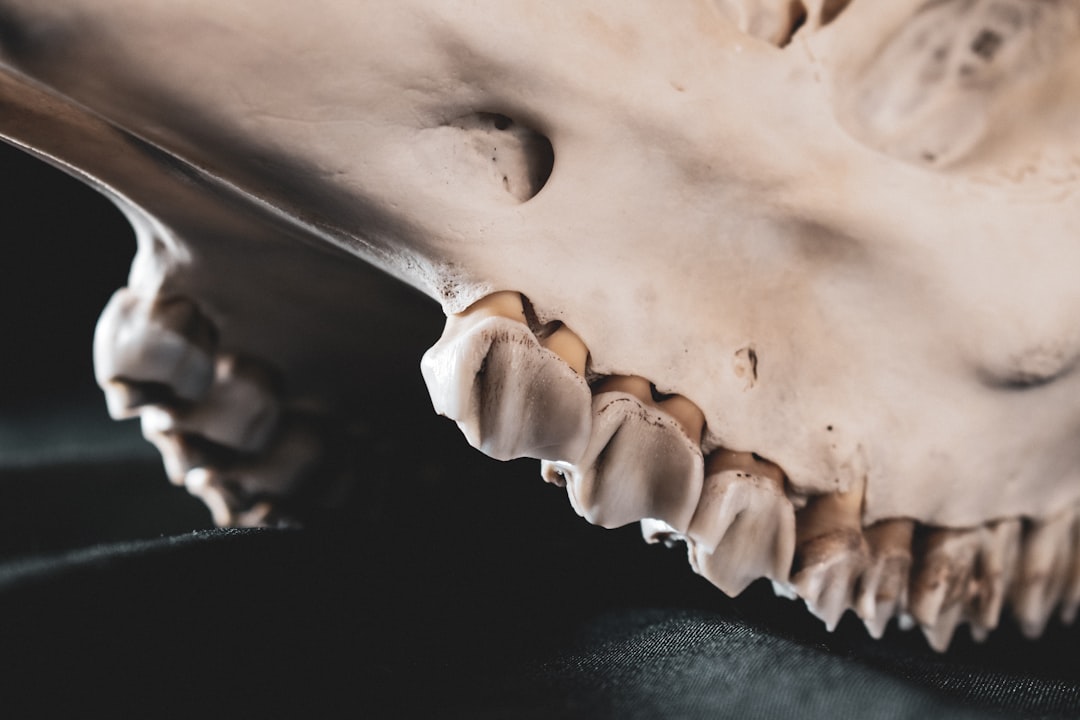
George Washington, the first President of the United States and a pivotal figure in American history, is often remembered for his leadership and vision. However, a lesser-known aspect of his life is the significant dental issues he faced throughout his adulthood. Washington’s oral health was a source of considerable discomfort and embarrassment for him, leading to a series of dental problems that would ultimately require multiple sets of dentures.
His struggles with his teeth not only affected his personal life but also had implications for his public image and presidency. The story of Washington’s dental woes is a fascinating intersection of history, health, and the evolving practices of dental care in the 18th century.
By the time he became president, he had lost most of his natural teeth, which led to a reliance on dentures that were often uncomfortable and ill-fitting. The state of his oral health was not merely a personal concern; it was a reflection of the medical practices of his time and the societal attitudes towards dental care. As Washington navigated the challenges of leadership, his dental issues served as a reminder of his humanity, revealing the vulnerabilities that even the most powerful individuals can face.
Key Takeaways
- George Washington suffered from severe dental issues throughout his life, leading to significant pain and discomfort.
- Contrary to popular belief, Washington did not have wooden teeth, but rather dentures made from a combination of materials including ivory, human teeth, and metal.
- Ivory was a commonly used material in dentures during the 18th century due to its durability and resemblance to natural teeth.
- Creating dentures from ivory and human teeth involved a complex and time-consuming process, often requiring the expertise of skilled craftsmen.
- Washington’s dental problems had a significant impact on his presidency, influencing his appearance, speech, and overall well-being.
The myth of wooden teeth
One of the most enduring myths surrounding George Washington’s dental health is the belief that he wore wooden teeth.
However, this notion is far from the truth.
While it is true that Washington’s dentures were made from various materials, wood was not one of them. The myth likely arose from the fact that Washington’s dentures were often discolored and had a rough appearance, which may have led some to mistakenly assume they were crafted from wood. The idea of wooden teeth has been romanticized in American history, painting a picture of Washington as a rugged pioneer who faced adversity with stoicism.
However, this portrayal oversimplifies the reality of his dental struggles. In truth, Washington’s dentures were made from a combination of materials that included ivory, metal, and even human teeth. The myth of wooden teeth serves as a reminder of how historical narratives can be distorted over time, often overshadowing the more complex truths behind iconic figures.
The truth about Washington’s dentures

The reality of George Washington’s dentures is far more intricate than the myth of wooden teeth suggests. Throughout his life, Washington had several sets of dentures made from various materials, reflecting the limited dental technology available during the 18th century. His first set was crafted in 1754 by a dentist named John Greenwood, who used materials such as ivory and human teeth to create a functional prosthetic.
These early dentures were not only uncomfortable but also required frequent adjustments to fit properly. As Washington’s dental health continued to decline, he sought out new solutions to address his ongoing issues. By the time he became president, he had lost nearly all of his natural teeth and relied heavily on his dentures for daily functions such as eating and speaking.
The discomfort caused by these prosthetics was often exacerbated by their poor fit, leading to further complications in his oral health. Despite these challenges, Washington maintained a public persona that emphasized strength and resilience, even as he grappled with the physical limitations imposed by his dental problems.
The use of ivory in dentures during the 18th century
| Year | Amount of ivory used (in kg) | Number of dentures made |
|---|---|---|
| 1700 | 50 | 100 |
| 1720 | 75 | 150 |
| 1740 | 100 | 200 |
| 1760 | 125 | 250 |
| 1780 | 150 | 300 |
During the 18th century, ivory was one of the most popular materials used in the creation of dentures. Sourced primarily from elephant tusks or walrus ivory, this material was favored for its durability and aesthetic appeal. Dentists like John Greenwood utilized ivory to craft dentures that could mimic the appearance of natural teeth while providing some level of functionality.
However, working with ivory was not without its challenges; it required skilled craftsmanship to shape and fit properly. The use of ivory in dentures also reflected broader societal attitudes towards dental care during this period. Dental hygiene was not well understood, and many individuals suffered from tooth decay and loss due to poor oral health practices.
As a result, the demand for dentures made from materials like ivory grew significantly. While these prosthetics offered a solution for those suffering from tooth loss, they also highlighted the limitations of 18th-century dentistry and the need for advancements in oral health care.
The process of creating dentures from ivory and human teeth
The process of creating dentures in the 18th century was labor-intensive and required considerable skill. Dentists would begin by taking impressions of a patient’s mouth to ensure a proper fit for the prosthetic. Once an impression was made, they would carve the denture from blocks of ivory or other materials, shaping it to resemble natural teeth as closely as possible.
In some cases, human teeth extracted from other individuals were incorporated into the dentures to enhance their appearance and functionality. The use of human teeth in denture construction raises ethical questions about consent and ownership during this period. Many individuals who lost their teeth due to decay or injury may have had their extracted teeth sold or traded for use in prosthetics.
This practice underscores the complexities surrounding dental care in the 18th century and highlights how societal norms regarding health and hygiene have evolved over time. For Washington, who relied on these methods for his own dental solutions, the process was both a necessity and a reflection of the medical practices available during his lifetime.
The impact of Washington’s dental problems on his presidency
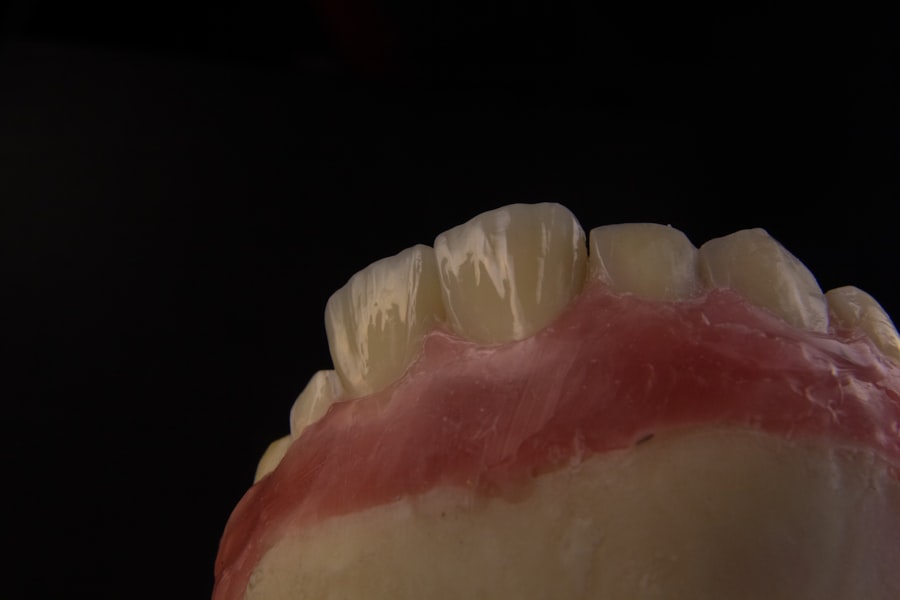
George Washington’s dental issues had a notable impact on his presidency, influencing both his personal life and public image. The discomfort caused by ill-fitting dentures often affected his ability to speak clearly and eat comfortably during important events and meetings. This struggle with oral health added an additional layer of stress to an already demanding role as the nation’s leader.
Despite these challenges, Washington managed to maintain an air of dignity and composure that endeared him to many Americans. Moreover, Washington’s dental problems served as a reminder that even great leaders are not immune to personal struggles. His willingness to confront these challenges head-on resonated with many citizens who admired his perseverance in the face of adversity.
In this way, Washington’s dental issues became intertwined with his legacy as a leader who embodied resilience and determination, qualities that continue to inspire generations.
The evolution of dental care in the 18th century
The 18th century marked a period of significant change in dental care practices, driven by advancements in medical knowledge and technology. While many individuals still relied on rudimentary methods for addressing dental issues, there was a growing awareness of oral hygiene and its importance for overall health. Dentists began to emerge as specialized practitioners, offering services that ranged from tooth extraction to denture creation.
Despite these advancements, dental care remained largely inaccessible to many people due to cost and availability. The wealthy could afford more sophisticated treatments and custom-made dentures, while lower-income individuals often suffered from untreated dental problems. This disparity highlights the social inequalities present in 18th-century America and underscores how access to healthcare has evolved over time.
The role of African American slaves in providing teeth for dentures
The practice of using human teeth in denture construction during the 18th century raises important ethical considerations regarding consent and exploitation. Many African American slaves were forced into labor under brutal conditions, and some were subjected to having their teeth extracted for use in dentures without their consent or compensation. This grim reality reflects broader societal attitudes towards race and human rights during this period.
Washington himself owned slaves who may have been impacted by this practice, further complicating his legacy as a leader who championed freedom and independence. The use of enslaved individuals’ teeth in denture construction serves as a stark reminder of the injustices faced by marginalized communities throughout history. It also highlights how personal health issues can intersect with broader social dynamics, revealing uncomfortable truths about power and exploitation.
The lasting legacy of Washington’s dental struggles
George Washington’s struggles with dental health have left an indelible mark on both historical narratives and popular culture. His reliance on dentures has become emblematic of perseverance in overcoming personal challenges while fulfilling public duties. As stories about Washington’s wooden teeth continue to circulate, they serve as a reminder that even revered figures are not immune to human frailty.
Moreover, Washington’s experiences with dental care have contributed to ongoing discussions about oral health practices throughout history. His story highlights how advancements in dentistry have evolved over time while also emphasizing the importance of access to quality healthcare for all individuals. In this way, Washington’s legacy extends beyond his political achievements; it encompasses broader themes related to health equity and social justice.
Modern perspectives on Washington’s dental history
In contemporary discussions about George Washington’s dental history, there is an increasing recognition of the complexities surrounding his oral health struggles. Historians and scholars are reevaluating narratives that have long been accepted as fact, seeking to uncover deeper truths about Washington’s life and times. This modern perspective encourages a more nuanced understanding of historical figures by acknowledging their imperfections alongside their accomplishments.
Additionally, advancements in dental care today stand in stark contrast to the practices available during Washington’s lifetime. Modern dentistry emphasizes preventive care and patient-centered approaches that prioritize individual needs and preferences. As society continues to grapple with issues related to healthcare access and equity, Washington’s story serves as both a cautionary tale and an inspiration for ongoing progress in oral health.
George Washington’s teeth as a symbol of perseverance and innovation
George Washington’s struggles with dental health offer valuable insights into both his character and the historical context in which he lived. His reliance on dentures made from various materials reflects not only the limitations of 18th-century dentistry but also the resilience required to navigate personal challenges while serving as a national leader. The myths surrounding his wooden teeth may obscure some truths about his experiences; however, they also highlight how narratives can evolve over time.
Ultimately, Washington’s dental issues symbolize more than just personal hardship; they represent broader themes related to perseverance, innovation, and social justice within healthcare practices throughout history. As society continues to advance in understanding oral health care, Washington’s legacy serves as a reminder that even great leaders face obstacles—and it is how they confront those challenges that defines their true character.
George Washington’s teeth have long been a subject of fascination and myth, often mistakenly believed to be made of wood. In reality, his dentures were crafted from a combination of materials, including human teeth, animal teeth, and ivory. This intriguing aspect of Washington’s life is explored in various historical articles and discussions. For those interested in delving deeper into the myths and truths surrounding George Washington’s dental history, a related article can be found on the Real Lore and Order website. You can read more about it by visiting this link.
WATCH THIS! 50 Historical Lies You Believe Because of Movies
FAQs
What were George Washington’s teeth made of?
George Washington’s teeth were not made of wood, as is commonly believed. In fact, they were made of a variety of materials including human teeth, animal teeth, ivory, and even lead.
Did George Washington have wooden teeth?
Contrary to popular belief, George Washington did not have wooden teeth. His dentures were made from a combination of human teeth, animal teeth, ivory, and lead.
Why is it believed that George Washington had wooden teeth?
The misconception that George Washington had wooden teeth likely stems from the fact that his dentures appeared to be a dull gray color, which may have been mistaken for wood. Additionally, the materials used in his dentures, such as ivory and lead, may have contributed to the misconception.
What were the problems with George Washington’s teeth?
George Washington suffered from dental issues throughout his life, including toothaches, decay, and tooth loss. These issues led to the eventual use of dentures made from various materials.
What is the current status of George Washington’s dentures?
Some of George Washington’s dentures are preserved and on display at museums, including the National Museum of Dentistry in Baltimore, Maryland. These dentures provide insight into the dental health and practices of the time.