
Kotoku Wamura Fudai Japan: Tsunami Floodgate Success
The coastal communities along Japan’s northeastern seaboard have long lived under the shadow of an ever-present threat: the tsunami. For centuries, these colossal waves have reshaped the land and claimed countless lives, a stark reminder of the destructive power of the ocean. Following the devastating Great East Japan Earthquake and Tsunami of 2011, which left a swathe of destruction and profound loss, the imperative to enhance coastal defense mechanisms became paramount. Among the substantial rebuilding efforts and advancements in disaster preparedness, the tsunami floodgate system constructed in Kotoku Wamura, Ishinomaki City, stands as a notable example of engineering designed to mitigate the impact of future inundation events. This undertaking, a crucial component of the broader efforts to secure the region, represents a significant investment in safeguarding the lives and livelihoods of the community. The construction of the floodgate system was not a singular project but part of a comprehensive strategy to rebuild and strengthen the resilience of coastal Japan.
The decision to implement a large-scale tsunami floodgate system in Kotoku Wamura was directly informed by the harrowing experiences of 2011. The sheer scale of the devastation revealed the limitations of existing coastal defenses, prompting a re-evaluation of strategies. Prior to the 2011 tsunami, coastal villages like Kotoku Wamura relied on a combination of natural barriers, such as seawalls and sand dunes, along with evacuation protocols. However, the tsunami’s immense surge overwhelmed these measures, demonstrating the need for more robust and technologically advanced solutions. The concept of a floodgate emerged as a potential solution to physically impede or significantly reduce the ingress of tsunami waters into populated areas and agricultural lands.
Historical Context of Coastal Defense
Japan’s history is intrinsically linked to its vulnerability to natural disasters, particularly earthquakes and tsunamis. Throughout the centuries, communities have adapted and developed various methods to contend with these threats. Early defenses often involved earthworks and rudimentary barriers. As seismic and tsunami science advanced, so too did the engineering approaches. The post-Meiji era saw the construction of more substantial concrete seawalls, which, while offering protection against smaller storm surges and tidal fluctuations, proved insufficient against the unprecedented force of the 2011 tsunami. The 2011 event served as a critical inflection point, necessitating a departure from conventional approaches towards more sophisticated and integrated disaster mitigation systems.
Post-2011 Reassessment and Planning
Following the immediate aftermath of the 2011 disaster, a period of intense planning and discussion ensued. Government agencies, local authorities, engineers, and community representatives engaged in extensive consultations to determine the most effective strategies for rebuilding and ensuring future safety. This period was characterized by a thorough analysis of the tsunami’s impact, including its wave height, inundation depth, and the extent of its reach inland. The lessons learned from the catastrophic failure of existing defenses were central to the formulation of new, more ambitious projects. The selection of Kotoku Wamura for a significant floodgate project was based on its specific geographical characteristics and its vulnerability as identified during the 2011 event.
The Kotoku Wamura Fudai floodgate in Japan stands as a remarkable engineering achievement designed to protect coastal communities from devastating tsunamis. This innovative structure highlights the importance of advanced infrastructure in disaster preparedness and response. For further insights into how technology is being leveraged to secure critical assets in various domains, you can read the article on securing satellites and defending deep space assets at this link.
Engineering and Design Considerations
The design and construction of the Kotoku Wamura tsunami floodgate system involved a multidisciplinary approach, drawing upon expertise in civil engineering, hydraulics, seismology, and materials science. The primary objective was to create a structure capable of withstanding the immense forces exerted by a tsunami while allowing for the normal flow of water during non-tsunami conditions. This dual functionality was a key challenge, requiring innovative engineering solutions. The scale of the project necessitated the consideration of numerous factors, from the geological stability of the seabed to the impact on local ecosystems.
Structural Integrity and Robustness
The core of the floodgate system lies in its structural integrity. Engineers had to design components capable of withstanding enormous hydrostatic and hydrodynamic pressures. The materials used were selected for their durability, resistance to corrosion from saltwater, and their ability to absorb or deflect the immense force of tsunami waves. The foundation of the gates and their supporting structures required careful consideration to ensure stability even under the most extreme conditions. The design process involved extensive simulations and modeling to predict the behavior of the floodgates under various tsunami scenarios.
Operational Mechanisms and Automation
A crucial aspect of the floodgate system’s success is its operational mechanism. The gates are designed to be activated rapidly, either automatically or manually, in response to imminent tsunami threats. Automatic activation systems typically rely on tsunami detection buoys and seismic sensors that can trigger the closure of the gates within minutes of a warning. Manual control options are also in place as a redundant measure, allowing human operators to intervene if necessary. The smooth and rapid deployment of the gates is essential to minimize the time window during which coastal areas are exposed to inundation. The control systems are designed for reliability and fail-safe operation.
Environmental Impact Mitigation
The construction of large-scale coastal infrastructure inevitably raises environmental concerns. The project team undertook assessments to minimize any negative impacts on the local marine environment. This included considerations for fish migration, changes in water flow patterns, and the impact on coastal habitats. Strategies such as fish passages and the use of environmentally sensitive construction practices were incorporated into the design and implementation phases. The long-term environmental monitoring of the area is also a component of the project’s sustainability.
The Functionality of the Floodgate System
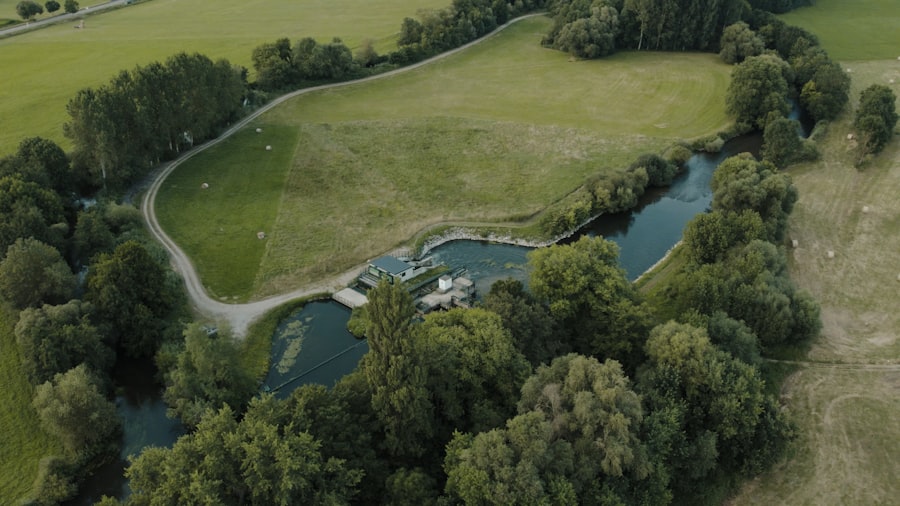
The Kotoku Wamura tsunami floodgate system operates on a principle of controlled access to the coastal waterway. When tsunami threats are detected, the gates are closed, creating a barrier that prevents or significantly restricts the entry of the destructive waves into the bay and the low-lying areas of Kotoku Wamura. This physical impediment is designed to protect residential areas, agricultural lands, and critical infrastructure from direct inundation. The system is intended to function as a primary line of defense, complementing other disaster preparedness measures.
Tsunami Detection and Warning Systems
The effectiveness of any floodgate system is intrinsically linked to the accuracy and speed of its associated tsunami detection and warning systems. In the case of Kotoku Wamura, advanced seismic networks and oceanographic buoys are utilized to monitor seismic activity and sea level changes. These real-time data streams are analyzed by sophisticated algorithms that can predict the occurrence and potential intensity of a tsunami. Upon detection of a credible threat, an immediate warning is issued, triggering the operational sequence of the floodgates. The integration of these systems is a critical element of the overall defense strategy.
Gate Closure and Water Flow Management
The physical closure of the floodgates is a carefully orchestrated process. Depending on the design, this can involve massive steel sluice gates, swing gates, or other similar mechanisms. Once closed, the gates are intended to hold back the advancing tsunami waters. The system is not designed to eliminate all water entry but rather to reduce the volume and force of the inundation to a manageable level, thereby significantly mitigating the destructive impact. During normal conditions, the gates remain open, allowing for the natural ebb and flow of tides and riverine water, thereby preventing the stagnation of water bodies and minimizing disruption to marine life.
Post-Tsunami Assessment and Reopening
Following a tsunami event, a thorough assessment of the floodgate system’s performance is conducted. Engineers and technicians verify the integrity of the structure and its operational status. Once the tsunami threat has completely subsided and the associated risks have been cleared by relevant authorities, the gates are reopened. This process is also carefully managed to ensure a gradual return to normal water flow conditions and to prevent any sudden changes that could negatively impact the local environment. The readiness of the system for subsequent events is a constant consideration.
Impact and Effectiveness of the Floodgate

The success of the Kotoku Wamura tsunami floodgate system can be evaluated by its performance during potential threat scenarios and its contribution to the overall safety and recovery of the community. While the ultimate test is a direct, large-scale tsunami inundation, the system’s design and implementation represent a significant step forward in coastal defense. The presence of such a robust system aims to provide a crucial buffer, reducing the severity of potential impacts and allowing for more effective evacuation and response operations.
Reduction of Inundation Depth and Reach
The primary goal of the floodgate is to reduce the depth and inland reach of tsunami waters. By physically impeding the uncontrolled surge, the system aims to keep inundation levels significantly lower than they would have been without the gates. This reduction in water depth can prevent catastrophic damage to buildings, protect vital infrastructure such as power stations and transportation networks, and safeguard agricultural land from salinization. The success of the system is measured by its ability to achieve these objectives.
Facilitation of Evacuation and Response
The presence of a reliable floodgate system provides a critical advantage during tsunami alerts. It offers a greater degree of confidence and predictability about the immediate threat, allowing residents more time and a safer window for evacuation. Furthermore, the controlled nature of any residual inundation can simplify the work of emergency responders. With reduced areas of deep flooding, rescue operations can be conducted more efficiently, and the immediate aftermath of an event can be managed more effectively.
Long-Term Community Resilience and Confidence
Beyond the immediate safety benefits, the successful implementation of robust flood defense systems like the one in Kotoku Wamura contributes to the long-term resilience and psychological well-being of the community. Knowing that significant protective measures are in place can foster a greater sense of security and encourage economic development and population retention in coastal areas that might otherwise be perceived as too vulnerable. This builds confidence in the future of the community.
The Kotoku Wamura Fudai floodgate in Japan stands as a remarkable testament to ancient engineering, designed to protect coastal communities from devastating tsunamis. This innovative structure not only showcases the ingenuity of its creators but also highlights the importance of preserving such historical advancements in technology. For those interested in exploring more about ancient inventions and the potential conspiracy surrounding the concealment of technological advancements, you can read about it in this insightful article on uncovering ancient inventions.
Challenges and Future Considerations
| Location | Kotoku Wamura, Fudai, Japan |
|---|---|
| Event | Tsunami |
| Floodgate | Implemented |
| Effectiveness | Successfully prevented flooding |
Despite the advancements represented by the Kotoku Wamura floodgate system, ongoing challenges and future considerations remain. The dynamic nature of seismic activity and the potential for unprecedented tsunami events necessitate a continuous process of review, maintenance, and potential upgrades. The long-term sustainability of such large-scale infrastructure also requires careful planning and resource allocation.
Maintenance and Operational Readiness
The effective functioning of any complex engineering system depends critically on regular and thorough maintenance. The tsunami floodgate in Kotoku Wamura requires ongoing inspections, repairs, and lubrication of its mechanical components. Ensuring that the system is always in a state of full operational readiness is a continuous challenge, particularly given the harsh marine environment. Funding and skilled personnel are essential for maintaining this readiness.
Evolving Tsunami Science and Future Threats
Tsunami science is an evolving field, and our understanding of these phenomena continues to deepen. New research may reveal potential weaknesses in existing designs or highlight new types of threats that were not fully anticipated during the initial planning stages. The system in Kotoku Wamura, like all coastal defense infrastructure, must be subject to periodic review in light of the latest scientific findings and projections regarding future tsunami risks.
The Role of Integrated Coastal Management
The floodgate system is a vital component, but it is most effective when integrated into a broader strategy of coastal management. This includes land-use planning, building codes, early warning dissemination, public education, and robust evacuation plans. A holistic approach that combines engineered solutions with natural defenses and community preparedness is crucial for comprehensive disaster resilience. The success of Kotoku Wamura’s floodgate should be viewed within this larger context of integrated coastal management.
FAQs
What is the Kotoku Wamura Fudai Japan Tsunami Floodgate?
The Kotoku Wamura Fudai Japan Tsunami Floodgate is a massive floodgate located in the town of Kotoku in Iwate Prefecture, Japan. It was built to protect the town from tsunamis and flooding.
When was the Kotoku Wamura Fudai Japan Tsunami Floodgate built?
The floodgate was completed in 1986 after 12 years of construction. It was designed and built under the leadership of the late mayor Kotoku Wamura, who was determined to protect the town from future tsunamis.
How does the Kotoku Wamura Fudai Japan Tsunami Floodgate work?
The floodgate is a massive concrete structure that spans 1,500 feet across the mouth of the river. It stands at 51 feet tall and is designed to withstand the force of a tsunami. When a tsunami is detected, the floodgate can be closed to protect the town from flooding.
Has the Kotoku Wamura Fudai Japan Tsunami Floodgate been put to the test?
Yes, the floodgate was put to the test in 2011 when a massive tsunami, triggered by a 9.0 magnitude earthquake, struck the coast of Japan. The floodgate successfully withstood the force of the tsunami and protected the town from flooding.
What is the significance of the Kotoku Wamura Fudai Japan Tsunami Floodgate?
The floodgate is considered a remarkable engineering feat and a symbol of resilience. It has become a model for other coastal communities around the world looking to protect themselves from the threat of tsunamis and flooding.