Humanity’s capacity for innovation is a defining characteristic, one that stretches back to the very dawn of our existence. The narrative of ancient human ingenuity is often painted with broad strokes of wonder and awe, suggesting a near-magical leap in cognitive abilities. However, a more nuanced examination reveals a complex interplay of environmental pressures, gradual accumulation of knowledge, and a pragmatic drive for survival and efficiency that fueled our ancestors’ remarkable achievements. Understanding this truth requires moving beyond romanticized notions and appreciating the meticulous, often slow, and deeply practical nature of ancient innovation.
The story of ingenuity begins not with grand architecture, but with the humble, yet revolutionary, creation of tools. These early artifacts represent the first tangible evidence of abstract thought and problem-solving.
The Oldowan Revolution: The Dawn of Purposeful Shaping
The Oldowan tool industry, dating back over two million years, marks a pivotal moment. These were not merely naturally occurring stones broken by chance. Archaeological evidence demonstrates deliberate flake removal from a core stone, creating sharp edges for cutting, scraping, and butchering. This required foresight – understanding that a specific action could yield a desired result.
Understanding Fracture Mechanics
The creation of Oldowan tools relied on an implicit understanding of lithic fracture mechanics. Hominins learned that striking one stone (a hammerstone) against another (a core) at specific angles and with sufficient force would produce predictable fractures, yielding sharp cutting edges. This knowledge was likely acquired through repeated experimentation and observation.
The Advantage of Sharpness
The introduction of sharp edges provided a significant advantage. It allowed for more efficient processing of carcasses, enabling hominins to access marrow and meat previously unavailable or difficult to obtain. This dietary expansion contributed to increased energy intake, potentially supporting larger brain sizes and further cognitive development.
The Acheulean Handaxe: Standardization and Complexity
The Acheulean industry, emerging around 1.7 million years ago, introduced more sophisticated tools, most notably the bifacial handaxe. These tools were shaped on both sides, requiring a more advanced level of skill and planning.
The Significance of Bifacial Shaping
Shaping a tool on both sides demanded a consistent understanding of symmetry and form. It implied a mental template or a learned model for what a “good” handaxe should look like, indicative of a developing capacity for abstract representation.
Multipurpose Utility
The handaxe was a versatile tool, used for a variety of tasks including chopping, digging, scraping, and woodworking. Its adaptability made it an indispensable component of the Acheulean toolkit, reflecting a practical approach to resource utilization.
The exploration of ancient human ingenuity reveals remarkable advancements in technology and craftsmanship that have often been overlooked. One fascinating aspect of this ingenuity is the development of metallurgy techniques by ancient civilizations. For a deeper understanding of this topic, you can read the article on lost ancient metallurgy techniques, which highlights the innovative methods used by our ancestors to manipulate metals for various purposes. To learn more, visit this article.
Adapting to Changing Environments
The ingenuity of ancient humans was profoundly shaped by the dynamic environmental conditions they faced. Periods of climatic instability and resource scarcity often spurred innovation as survival strategies needed to adapt.
The Impact of Climatic Fluctuations
The Pleistocene epoch, often referred to as the Ice Age, was characterized by significant glacial cycles. These shifts altered landscapes, vegetation patterns, and animal distributions, necessitating new ways of life.
Migration and Resource Exploitation
As environments changed, hominin populations migrated, encountering new ecological niches and challenges. This required the development of novel hunting techniques, foraging strategies, and shelter construction to exploit available resources effectively.
The Development of Fire Control
The mastery of fire represents a monumental leap in human ingenuity. While the exact timeline of fire control is debated, its widespread use appears to have become more common with Homo erectus and Homo heidelbergensis. Fire provided warmth, protection from predators, a means to cook food (increasing digestibility and nutritional value), and a focal point for social interaction.
The Practical Applications of Fire
Beyond basic survival, fire enabled the modification of materials. Wood could be hardened or shaped, and later, with the development of metallurgy, metals could be smelted. This opened up entirely new technological possibilities.
Social and Cognitive Benefits of Fire
Gathering around a fire likely fostered social bonding and communication. The shared experience and the ability to process food communally may have contributed to the development of more complex social structures and cognitive abilities related to language and planning.
The Social and Cultural Dimensions of Innovation

Ingenuity was not solely an individual pursuit; it was deeply embedded within social and cultural contexts. The transmission of knowledge and the development of shared practices played crucial roles in the accumulation and refinement of human capabilities.
The Transmission of Skills and Knowledge
The development of complex technologies, from elaborate projectile points to early forms of art, required the transmission of skills and knowledge across generations. This transmission was likely facilitated by observation, imitation, and verbal instruction.
The Role of Apprenticeship and Learning by Doing
Younger individuals would have learned by observing skilled elders, gradually acquiring the technical expertise through practice. This iterative process allowed for the refinement of techniques and the perpetuation of successful innovations.
The Emergence of Abstract Symbolism
The creation of symbolic art, such as cave paintings and carved figurines, suggests a significant cognitive leap beyond purely utilitarian concerns. These artifacts indicate the capacity for abstract thought, representation, and the communication of ideas and beliefs.
The Meaning Behind the Markings
The precise meaning of ancient art remains a subject of scholarly debate, but its existence demonstrates a capacity for symbolic representation, storytelling, and the creation of shared cultural narratives.
The Cognitive Shift Toward Abstraction
The ability to create and interpret symbols is a hallmark of human cognition. It underpins language, complex social organization, and the capacity for innovation by allowing us to think about things that are not immediately present.
Engineering and Construction in the Ancient World
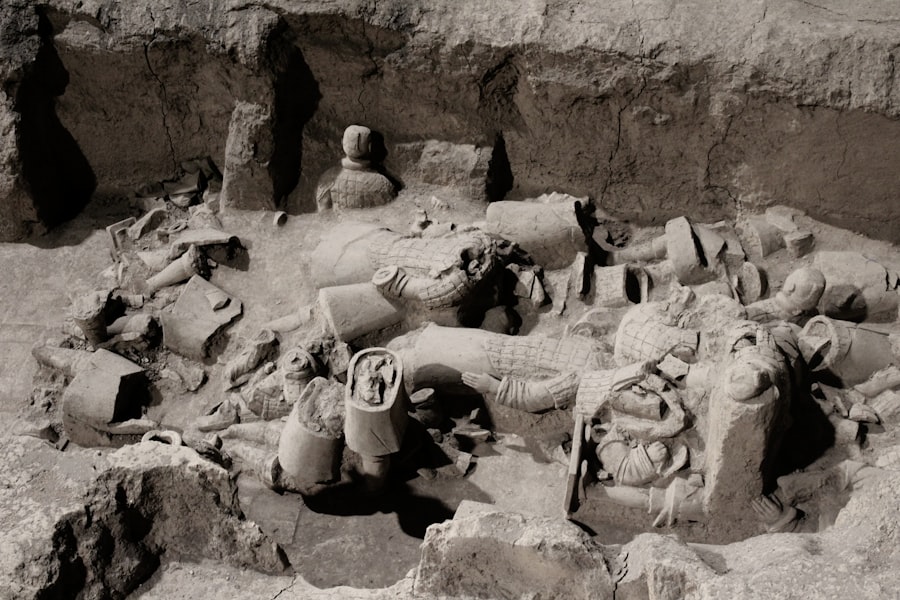
While the image of ancient ingenuity often conjures images of monumental structures, the reality is that early engineering and construction were driven by pragmatic needs for shelter, defense, and resource management.
Early Forms of Shelter and Habitation
The earliest forms of human habitation were likely natural shelters like caves. However, as humans became more mobile and established more permanent settlements, they began to construct their own dwellings.
The Use of Natural Materials
Early shelters were built using readily available natural materials such as wood, animal hides, stone, and mud. The construction techniques varied widely depending on the local environment and available resources.
Adaptation to Climate and Ecology
Shelter construction reflected a deep understanding of local climate and ecological conditions. Dwellings were designed to provide protection from the elements, regulate temperature, and offer security.
The Development of Water Management and Agriculture
The transition to agriculture, beginning around 10,000 years ago, necessitated a new level of ingenuity in managing water resources and manipulating the environment for food production.
Irrigation Techniques
Early agricultural societies developed rudimentary irrigation systems to channel water to crops, particularly in arid or semi-arid regions. This involved the construction of canals, dams, and reservoirs.
Domestication and Selective Breeding
The process of domesticating plants and animals involved a long period of observation and selection. Humans learned to identify desirable traits and actively select for them, leading to significant changes in the characteristics of both crops and livestock. This represents a form of applied biological engineering.
The Slow Pace of Domestication
The domestication of species was not an instantaneous event. It was a gradual process that unfolded over millennia, involving repeated interactions and selective pressures applied by humans.
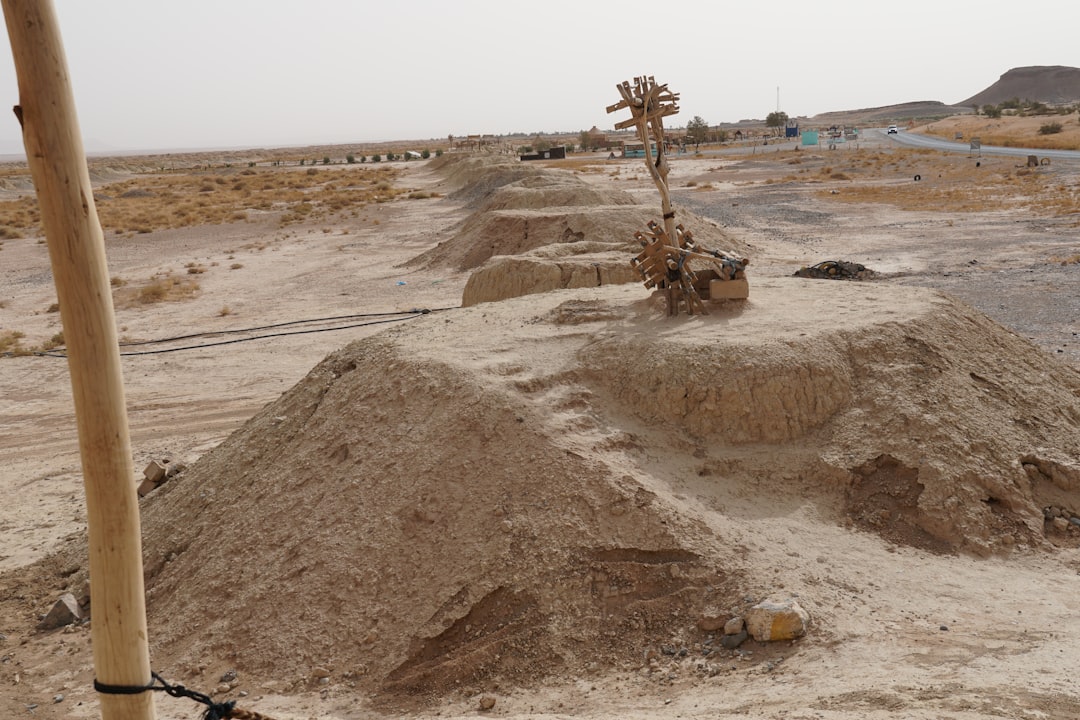
The exploration of ancient human ingenuity reveals remarkable achievements in various fields, including engineering and resource management. One fascinating example is the ancient Persian qanat system, which showcases how early civilizations effectively harnessed water resources to support agriculture and urban life. For a deeper understanding of this innovative water management marvel, you can read more about it in this insightful article on the topic. Discover the intricacies of this ancient technology by visiting the ancient Persian qanat system.
The Enduring Legacy of Ancient Ingenuity
| Aspect | Metric |
|---|---|
| Inventions | Development of agriculture, wheel, writing, and metalworking |
| Architecture | Construction of pyramids, aqueducts, and temples |
| Artifacts | Tools, pottery, jewelry, and weapons |
| Navigation | Early seafaring and exploration |
The ingenuity displayed by ancient humans was not a fleeting phenomenon but a continuous process that laid the groundwork for all subsequent technological and cultural developments.
The Foundation for Future Advancement
The innovations of our ancestors, from the sharpened stone tool to the control of fire, provided the essential building blocks for later advancements. Each new discovery or technique expanded the possibilities for what humans could achieve.
The Cycle of Problem and Solution
Ancient ingenuity was fundamentally a response to challenges. Environmental pressures, resource limitations, and the need for greater efficiency drove a perpetual cycle of problem identification and the development of novel solutions.
The Cumulative Nature of Knowledge
Knowledge and skills were not lost but accumulated over generations. This cumulative inheritance allowed for increasingly complex innovations as each generation could build upon the successes and learn from the failures of its predecessors.
Rethinking the Narrative of Progress
Understanding ancient ingenuity requires a shift away from a teleological view of history, which assumes a predetermined march towards modern complexity. Instead, it emphasizes the adaptive, often incremental, and context-dependent nature of innovation.
Innovation as Adaptation, Not Destined Evolution
Human ingenuity was driven by the imperative to survive and thrive in diverse and often challenging environments. While this led to remarkable achievements, it was not an inevitable trajectory towards a specific technological endpoint.
The Pragmatic Heart of Ingenuity
At its core, ancient human ingenuity was about problem-solving. It was about finding practical ways to meet basic needs, improve efficiency, and navigate the complexities of the natural world. The marvel lies not in some inherent genius, but in the persistent and often ingenious application of intelligence to the challenges of existence.
FAQs
What is ancient human ingenuity?
Ancient human ingenuity refers to the creative and innovative abilities of early human societies to develop tools, technologies, and solutions to adapt to their environment and improve their quality of life.
What are some examples of ancient human ingenuity?
Examples of ancient human ingenuity include the development of tools such as the hand axe, the invention of agriculture, the construction of complex architectural structures like the pyramids, and the creation of early forms of writing and communication.
How did ancient humans demonstrate ingenuity in their daily lives?
Ancient humans demonstrated ingenuity in their daily lives by creating tools and techniques for hunting, gathering, farming, and building shelters. They also developed methods for preserving food, creating art, and establishing social and cultural systems.
What impact did ancient human ingenuity have on the development of modern society?
The ingenuity of ancient humans laid the foundation for the development of modern society by establishing the groundwork for agriculture, architecture, language, and technology. Many of the innovations and inventions of ancient humans have influenced and shaped the way we live today.
How do archaeologists and researchers study ancient human ingenuity?
Archaeologists and researchers study ancient human ingenuity through the analysis of artifacts, structures, and ancient texts, as well as through experimental archaeology, which involves recreating and testing ancient techniques and technologies to better understand how they were developed and used.