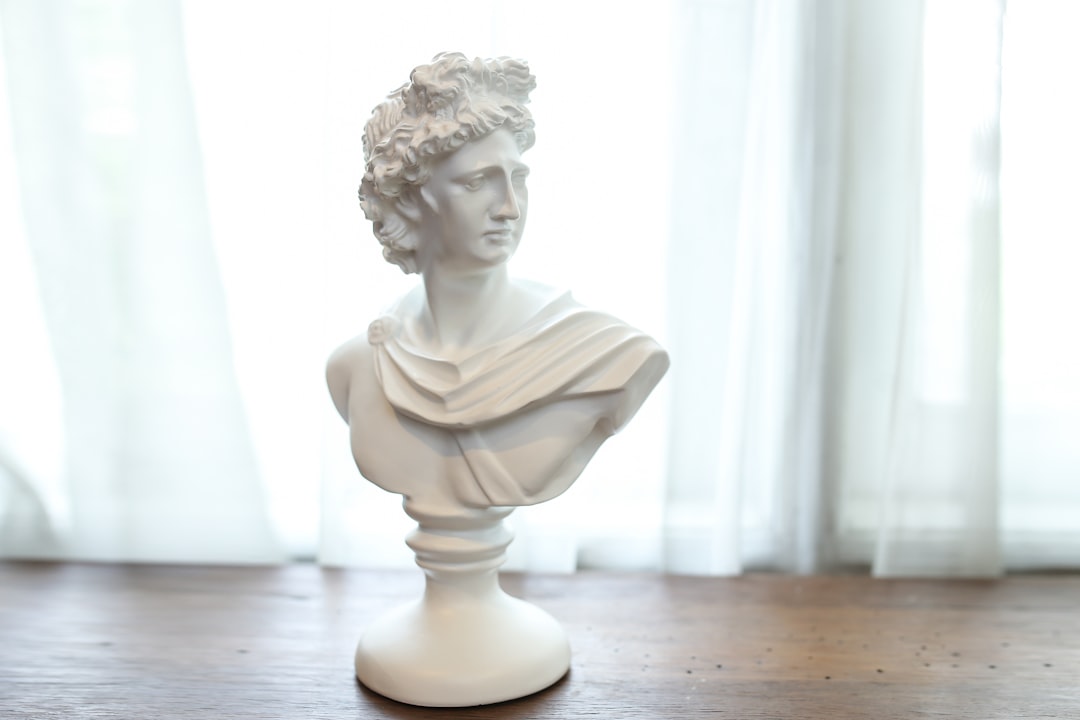
The myth surrounding Napoleon Bonaparte’s height has persisted for centuries, often overshadowing his remarkable military and political achievements. Commonly depicted as a short man, this perception has become a staple of popular culture, leading to the term “Napoleon complex,” which describes individuals who exhibit aggressive behavior due to feelings of inadequacy related to their height. However, the origins of this myth are rooted in a complex interplay of historical context, cultural perceptions, and political propaganda.
As historians delve deeper into the life of this iconic figure, they uncover a narrative that challenges the simplistic caricature of a diminutive dictator. The fascination with Napoleon’s height is not merely a trivial detail; it reflects broader societal attitudes towards stature and power. The enduring image of Napoleon as a short man has been perpetuated through various mediums, from literature to film, often serving as a metaphor for his ambitious nature and relentless pursuit of dominance.
This article aims to explore the historical context of height perception during Napoleon’s era, examine the truth about his actual height, and analyze how propaganda and artistic portrayals have shaped public perception over time.
Key Takeaways
- The myth of Napoleon’s height has been a subject of fascination and debate for centuries.
- In Napoleon’s era, height was associated with power and authority, leading to a heightened sensitivity about one’s stature.
- Contrary to popular belief, Napoleon was of average height for his time, standing at around 5 feet 6 inches.
- When compared to the average height of men in the early 19th century, Napoleon’s height was not significantly different.
- Napoleon’s height was often exaggerated or downplayed by his political opponents and used as a tool for propaganda.
Historical context of height perception in Napoleon’s era
During the late 18th and early 19th centuries, societal attitudes towards height were significantly influenced by prevailing notions of masculinity and authority. In an era where physical stature was often equated with strength and leadership, shorter individuals faced societal biases that could undermine their perceived capabilities. This cultural backdrop set the stage for the emergence of myths surrounding figures like Napoleon, whose rise to power challenged traditional norms.
In France, the Revolution had already altered perceptions of authority and leadership. The ideals of liberty and equality clashed with the established hierarchies that had long dictated social standing. As a result, Napoleon’s ascent as a military leader and later as Emperor was both celebrated and scrutinized.
His height became a focal point for critics who sought to undermine his authority by portraying him as physically inferior. This historical context highlights how perceptions of height were intertwined with broader themes of power dynamics and societal expectations.
The truth about Napoleon’s actual height
Contrary to popular belief, Napoleon Bonaparte was not the short figure that history has often painted him to be. Historical records indicate that he stood at approximately 5 feet 6 inches tall, which was around average height for a Frenchman during his time. The confusion surrounding his height can be attributed to several factors, including differences in measurement systems between France and England.
The French inch was longer than the British inch, leading to discrepancies in reported heights. Moreover, contemporary accounts from those who knew him often described Napoleon as being of average stature. His height was frequently exaggerated by political opponents who sought to diminish his image.
This distortion not only contributed to the myth but also reflected the broader societal tendency to associate physical attributes with personal worth and capability. By examining these historical records, it becomes clear that the narrative of Napoleon as a short man is more fiction than fact.
Comparison of Napoleon’s height to average heights of his time
| Height | Average Height of His Time |
|---|---|
| Napoleon | 5 feet 6.5 inches (169 cm) |
| Average Height | 5 feet 7 inches (170 cm) |
To fully understand the implications of Napoleon’s height, it is essential to compare it with the average heights of men during the early 19th century. At approximately 5 feet 6 inches, Napoleon was indeed within the range of average height for French men of his era, who typically measured around 5 feet 5 inches to 5 feet 7 inches. This comparison underscores the absurdity of labeling him as short when he was, in fact, quite representative of his contemporaries.
Additionally, when considering the broader European context, Napoleon’s height was not out of place among other prominent leaders of his time. Many historical figures who are celebrated for their leadership qualities were also of similar stature. This raises questions about why Napoleon’s height became such a focal point for ridicule and derision.
The answer lies in the intersection of politics and public perception, where physical attributes were weaponized in the battle for influence and control.
Influence of propaganda and political opponents on Napoleon’s height
The role of propaganda in shaping public perception cannot be overstated when discussing Napoleon’s height. His political opponents were quick to exploit any perceived weaknesses in his character or appearance to undermine his authority. The portrayal of Napoleon as a short man served as an effective tool for ridicule, allowing detractors to frame him as less formidable than he truly was.
This tactic was particularly effective in an era where visual representation played a crucial role in shaping public opinion. Caricatures and satirical illustrations became popular means of disseminating this narrative. Artists would depict Napoleon as a diminutive figure standing next to towering soldiers or other leaders, reinforcing the idea that he was physically inferior.
These images not only contributed to the myth but also reflected broader societal anxieties about power dynamics and masculinity. By portraying him as small and petty, opponents sought to diminish his accomplishments and present him as an illegitimate ruler.
Portrayal of Napoleon’s height in art and literature
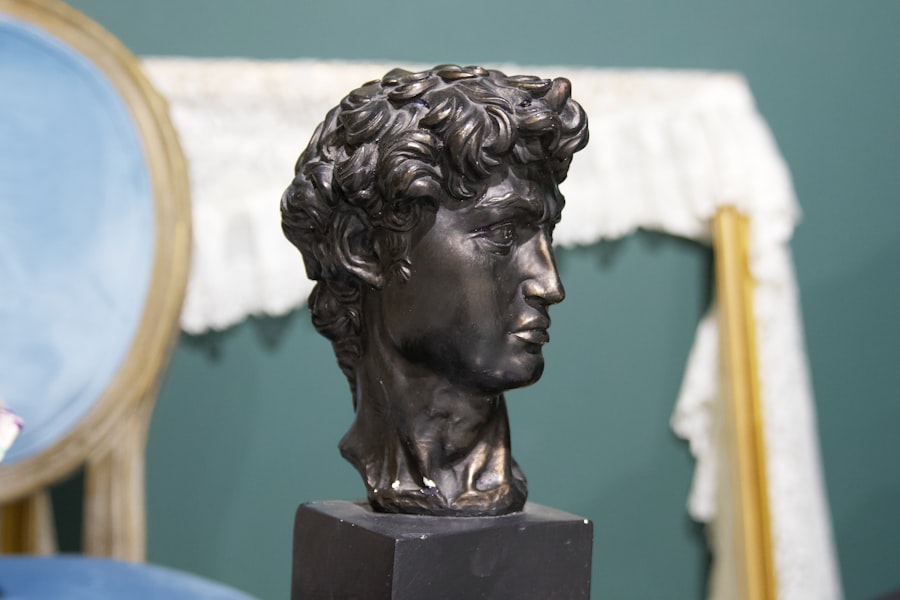
The artistic portrayal of Napoleon further solidified the myth surrounding his height. In paintings and sculptures, artists often emphasized his stature in ways that aligned with prevailing narratives about power and authority. While some works depicted him heroically on horseback or in commanding poses, others took liberties with scale to exaggerate his size relative to others.
This manipulation of visual representation served to reinforce existing stereotypes about his character. Literature also played a significant role in perpetuating the myth of Napoleon’s height. Writers often described him in ways that emphasized his supposed smallness, using it as a metaphor for his ambition and desire for dominance.
These literary portrayals contributed to a cultural narrative that framed him as a figure driven by insecurity, further entrenching the idea that his height was emblematic of deeper psychological issues. As such, art and literature became powerful vehicles for shaping public perception, often at odds with historical reality.
Examination of Napoleon’s complex about his height
The notion that Napoleon harbored insecurities about his height has been widely discussed among historians and psychologists alike. While there is no definitive evidence to suggest that he suffered from a “Napoleon complex” in the modern sense, it is clear that he was acutely aware of how he was perceived by others. His efforts to project an image of strength and authority may have been influenced by societal expectations regarding masculinity and leadership.
Napoleon’s self-presentation often included grandiose displays of power, from elaborate military campaigns to opulent court ceremonies. These actions can be interpreted as attempts to counteract any negative perceptions related to his stature. Furthermore, his insistence on being addressed as “Your Majesty” rather than “General” or “Emperor” reflects a desire to assert dominance over how he was perceived by both allies and adversaries alike.
This complex interplay between self-image and public perception adds depth to the understanding of Napoleon as a historical figure.
Modern perspectives on Napoleon’s height
In contemporary discussions about historical figures like Napoleon Bonaparte, there is a growing recognition of the importance of separating fact from fiction. Modern historians emphasize the need for critical analysis when examining myths that have persisted over time. The narrative surrounding Napoleon’s height serves as a case study in how misinformation can shape public perception and influence historical legacy.
Today, scholars are more inclined to contextualize Napoleon’s life within broader themes such as power dynamics, societal expectations, and cultural representations rather than focusing solely on physical attributes. This shift reflects an evolving understanding of history that prioritizes nuance over simplification.
Debunking common misconceptions about Napoleon’s height
Numerous misconceptions about Napoleon’s height continue to circulate in popular culture, often perpetuated by media portrayals and anecdotal evidence. One common myth is that he stood at an abnormally low height—often cited as 5 feet 2 inches—when in reality this figure likely stems from confusion between French and English measurements. By clarifying these discrepancies, historians can debunk this myth and provide a more accurate representation of his stature.
Another misconception is that Napoleon’s supposed shortness directly influenced his aggressive behavior or military strategies.
By examining these misconceptions critically, one can appreciate the multifaceted nature of historical figures without reducing them to mere stereotypes.
The impact of Napoleon’s height on his legacy
The enduring myth surrounding Napoleon’s height has had significant implications for his legacy. While he is remembered as one of history’s most influential military leaders and statesmen, the caricature of him as a short man has overshadowed many aspects of his life and achievements. This distortion has contributed to a simplified understanding of his character, reducing him to a figure defined by physical attributes rather than intellectual prowess or strategic acumen.
Moreover, the myth has influenced how subsequent generations perceive leadership qualities in general. The association between height and authority persists in contemporary society, where taller individuals are often viewed as more competent or charismatic leaders. By examining how Napoleon’s height has been mythologized over time, one can gain insights into broader societal attitudes towards power dynamics and physicality.
separating fact from fiction about Napoleon’s height
In conclusion, the myth surrounding Napoleon Bonaparte’s height serves as a fascinating lens through which to explore broader themes of power, perception, and legacy. While he was not the short figure that history has often portrayed him as, the narrative surrounding his stature reflects deeper societal anxieties about authority and masculinity during his time. By critically examining these myths and separating fact from fiction, historians can provide a more nuanced understanding of this complex figure.
As modern perspectives continue to evolve, there is an opportunity to reassess how historical narratives are constructed and disseminated. The story of Napoleon’s height reminds us that history is often shaped by cultural perceptions rather than objective truths. By acknowledging these complexities, one can appreciate not only the life of Napoleon Bonaparte but also the intricate interplay between history, culture, and human behavior that continues to resonate today.
In exploring the historical debate surrounding Napoleon’s height, it’s intriguing to consider how perceptions of his stature have been shaped by cultural narratives and historical documentation. While many believe Napoleon was short, this misconception largely stems from differences in French and English measurement systems of the time. For a deeper dive into how historical figures are often misrepresented, you might find the article on Real Lore and Order particularly enlightening. This piece delves into various myths and truths about historical personalities, offering a broader context to the discussion about Napoleon’s height.
WATCH THIS! 50 Historical Lies You Believe Because of Movies
FAQs
What was Napoleon’s actual height?
Napoleon Bonaparte was actually of average height for his time, standing at around 5 feet 6 inches (1.68 meters) tall.
Why is Napoleon often depicted as short?
The misconception that Napoleon was short can be attributed to a combination of factors, including propaganda spread by his enemies, confusion between French and English measurement systems, and the fact that the average height of men in the early 19th century was shorter than it is today.
Was Napoleon’s height a disadvantage in his military career?
Napoleon’s height did not hinder his military career. He was known for his strategic brilliance, leadership skills, and charisma, which contributed to his success as a military commander and ruler.
Did Napoleon have a complex about his height?
There is no historical evidence to suggest that Napoleon had a complex about his height. The idea that he had a “Napoleon complex” or felt inferior due to his height is a modern psychological concept and not supported by historical accounts.
How does Napoleon’s height compare to the average height of men today?
Napoleon’s height of 5 feet 6 inches (1.68 meters) was close to the average height of men in the early 19th century. However, the average height of men has increased over time, and today, the average height is taller than it was during Napoleon’s era.