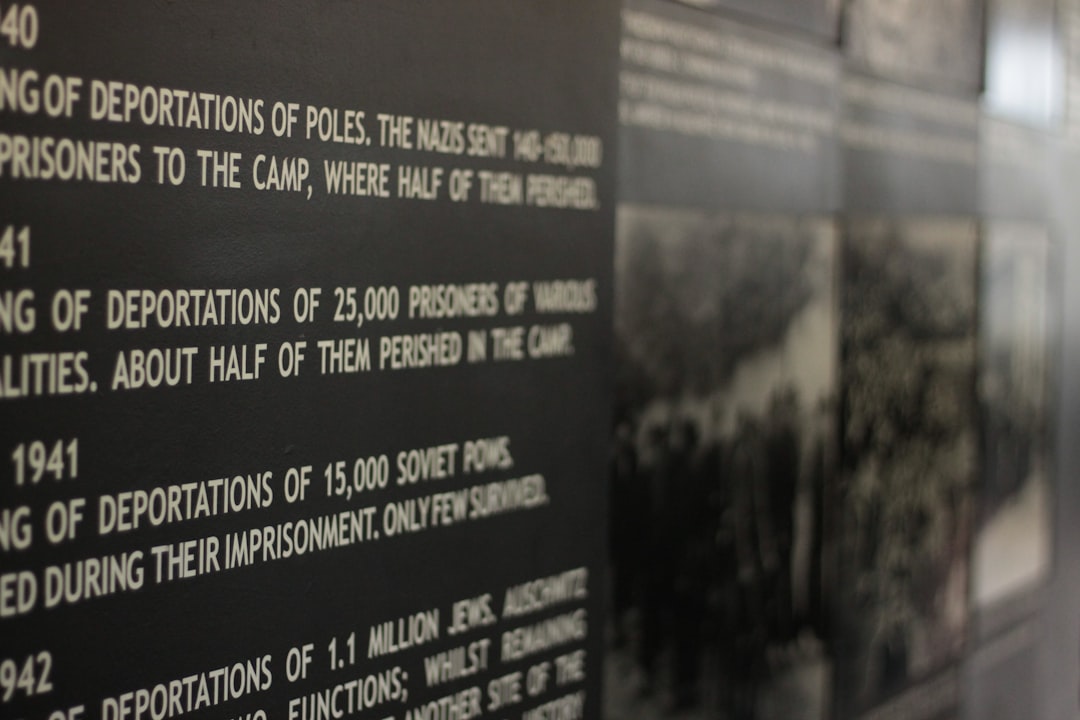
Throughout history, myths and misconceptions have shaped societal beliefs, influenced cultural narratives, and even altered the course of events. These stories, often passed down through generations, can create a distorted view of the past, leading to misunderstandings that persist into modern times. The impact of these historical inaccuracies is profound, as they can affect everything from education to public policy, and even personal identity.
By critically examining these myths, society can gain a clearer understanding of its history and the lessons it holds. The exploration of historical myths serves not only to debunk falsehoods but also to illuminate the complexities of human thought and belief. As individuals and communities grapple with their past, they often cling to simplified narratives that provide comfort or a sense of identity.
However, these narratives can obscure the truth, leading to a collective amnesia about the nuances of history. By delving into specific examples of widely held misconceptions, one can appreciate the importance of a more nuanced understanding of history and its implications for contemporary society.
Key Takeaways
- Historical myths and misconceptions have a significant impact on society, shaping our understanding of the past and influencing cultural beliefs.
- The widely held belief that people in the past thought the Earth was flat is a myth that has been debunked by historical evidence and scholarly research.
- Challenging the idea of the Dark Ages as a period of intellectual stagnation and backwardness reveals the complexity and richness of medieval history.
- Examining the misconceptions surrounding the Salem Witch Trials in colonial America sheds light on the social and cultural factors that contributed to the hysteria.
- Separating fact from fiction in the ancient Greek epic of the Trojan War highlights the enduring power of mythology and its influence on popular culture.
The Myth of the Flat Earth: Debunking the widely held belief that people in the past thought the Earth was flat
One of the most enduring myths in popular culture is the belief that people in the Middle Ages universally accepted a flat Earth model. This misconception paints a picture of a time when ignorance reigned supreme, and humanity was blissfully unaware of the true shape of their world. However, historical evidence suggests that educated individuals in ancient Greece and Rome had already established a spherical model of the Earth long before the Middle Ages.
Figures such as Pythagoras and Aristotle provided early arguments for a round Earth based on observations of celestial bodies and the horizon.
This narrative has been perpetuated in literature and popular media, leading many to believe that ignorance was the norm during this time.
In reality, scholars in medieval Europe were engaged in significant intellectual pursuits, including astronomy and mathematics. The misconception not only misrepresents historical knowledge but also undermines the achievements of those who contributed to our understanding of the world.
The Dark Ages: Challenging the idea that the Middle Ages were a period of intellectual stagnation and backwardness
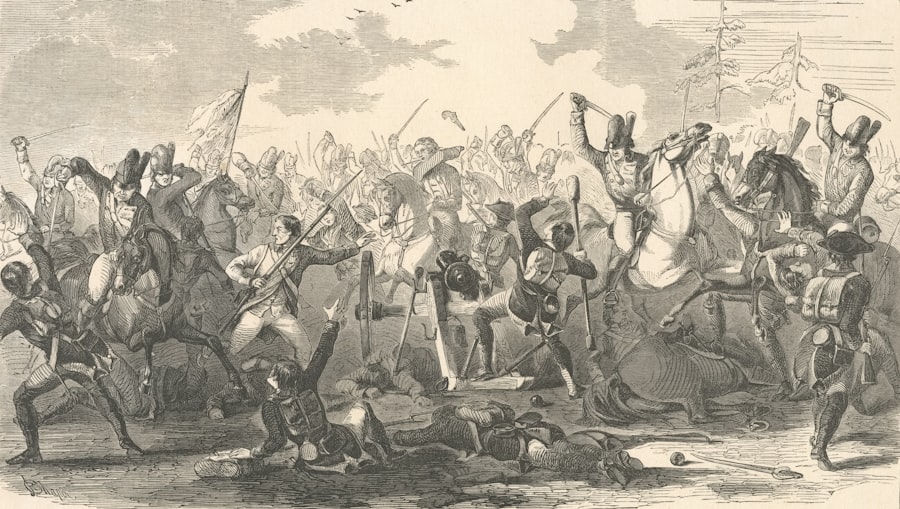
The term “Dark Ages” is often used to describe the early Middle Ages, suggesting a time characterized by cultural decline and intellectual stagnation following the fall of the Roman Empire. This narrative has been challenged by historians who argue that this period was not devoid of progress but rather marked by significant developments in various fields. For instance, during this time, monasteries became centers of learning where texts were copied and preserved, ensuring that classical knowledge was not lost.
Moreover, advancements in agriculture, architecture, and technology emerged during this era. The introduction of the heavy plow and crop rotation techniques revolutionized farming practices, leading to increased food production and population growth.
By reevaluating the so-called Dark Ages, one can appreciate the complexities and achievements that characterized this period rather than viewing it through a lens of ignorance and decline.
The Salem Witch Trials: Examining the misconceptions surrounding the infamous witch hunts in colonial America
| Aspect | Metrics |
|---|---|
| Year | 1692 |
| Location | Salem, Massachusetts |
| Accusations | Over 200 people accused of witchcraft |
| Trials | 20 people executed |
| Duration | Several months |
| Causes | Mass hysteria, religious extremism, social tensions |
| Legacy | Impact on American legal system and cultural memory |
The Salem Witch Trials remain one of the most notorious episodes in American history, often depicted as a cautionary tale about mass hysteria and scapegoating. However, many misconceptions surround these trials that oversimplify their causes and consequences. While it is true that fear and superstition played significant roles in the events of 1692, social, political, and economic factors also contributed to the witch hunts.
The trials occurred during a time of social upheaval in Salem Village, where tensions between different factions were high. Additionally, the portrayal of witches as solely innocent victims has led to an incomplete understanding of the trials’ complexities. Many individuals accused were not merely random targets; they were often those who challenged societal norms or held positions of power within their communities.
The trials reflected deeper societal anxieties about gender roles, authority, and community cohesion. By examining these nuances, one can gain a more comprehensive understanding of how fear can manifest in society and lead to tragic consequences.
The Trojan War: Separating fact from fiction in the ancient Greek epic
The Trojan War is one of history’s most famous tales, immortalized in Homer’s epics “The Iliad” and “The Odyssey.” However, separating fact from fiction in this ancient narrative proves challenging. While archaeological evidence suggests that a city resembling Troy did exist and was destroyed around the time traditionally associated with the war, many elements of the story are steeped in myth. The involvement of gods and goddesses, as well as larger-than-life heroes like Achilles and Hector, complicates efforts to discern historical truth from literary embellishment.
Scholars continue to debate whether the Trojan War was a singular event or a composite of various conflicts over trade routes and territorial disputes in the region. The blending of myth with history reflects how ancient cultures sought to explain their world through storytelling. The enduring legacy of the Trojan War highlights not only its cultural significance but also how myths can shape collective memory and identity across generations.
The Lost City of Atlantis: Investigating the origins of the myth and its impact on popular culture
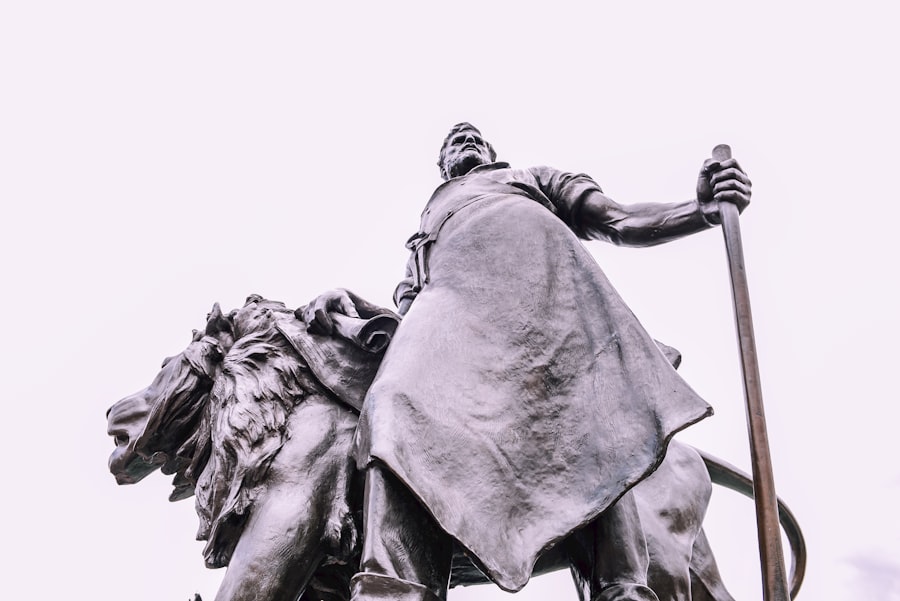
The myth of Atlantis has captivated imaginations for centuries, originating from Plato’s dialogues “Timaeus” and “Critias.” Described as a powerful civilization that ultimately fell out of favor with the gods due to its hubris, Atlantis has become synonymous with lost civilizations and utopian ideals. However, many historians argue that Atlantis was never intended to be taken literally but rather served as an allegory for philosophical concepts about morality and governance. Despite its dubious origins, Atlantis has permeated popular culture, inspiring countless works of literature, film, and art.
The allure of discovering a lost city filled with advanced technology continues to resonate with audiences today. This fascination reflects humanity’s desire for exploration and understanding of our past while also highlighting how myths can evolve over time to reflect contemporary values and aspirations.
The Curse of the Pharaohs: Exploring the truth behind the supposed curses of ancient Egyptian tombs
The notion of a “Curse of the Pharaohs” gained notoriety following the discovery of King Tutankhamun’s tomb in 1922 by Howard Carter. Reports emerged claiming that those who entered the tomb would face dire consequences, leading to sensationalized accounts in newspapers and popular media. However, upon closer examination, it becomes clear that these curses were largely fabricated or exaggerated for dramatic effect.
While ancient Egyptians did inscribe protective spells within tombs to safeguard against tomb robbers or desecration, there is little evidence to suggest that these curses were intended to harm those who entered. In fact, many individuals associated with Tutankhamun’s discovery lived long lives after their involvement with the tomb. The myth surrounding these curses serves as a reminder of how fear can be manipulated for sensationalism while overshadowing the rich history and culture of ancient Egypt.
The First Thanksgiving: Reevaluating the traditional narrative of the Pilgrims and Native Americans
The traditional narrative surrounding Thanksgiving often portrays it as a harmonious feast between Pilgrims and Native Americans in 1621. However, this simplistic view overlooks the complexities of colonial relationships and indigenous experiences during this period. While there was indeed a harvest celebration involving both groups, it is essential to recognize that this event occurred against a backdrop of conflict and misunderstanding.
The arrival of European settlers had profound consequences for Native American communities, including land dispossession and exposure to new diseases. The romanticized version of Thanksgiving often glosses over these realities, perpetuating a narrative that minimizes indigenous perspectives. By reevaluating this historical event through a more critical lens, society can foster greater understanding and respect for Native American histories and cultures.
The Great Wall of China: Dispelling myths about the construction and purpose of this iconic landmark
The Great Wall of China is often depicted as an impenetrable fortress built solely for defense against invasions from northern tribes. While it is true that sections of the wall served military purposes, its construction was far more complex than commonly understood. Spanning thousands of miles across diverse terrains, different dynasties built various sections over centuries for multiple reasons beyond mere defense.
Additionally, myths surrounding its invincibility have been debunked by historians who point out that breaches occurred throughout history despite its formidable presence. The wall also served as a means for regulating trade along the Silk Road and facilitating communication between different regions. By dispelling these myths, one can appreciate not only the architectural marvel that is the Great Wall but also its multifaceted role in Chinese history.
The Roswell UFO Incident: Analyzing the origins and perpetuation of conspiracy theories surrounding the alleged alien crash
The Roswell UFO incident remains one of the most famous conspiracy theories in modern history. In 1947, reports emerged claiming that an unidentified flying object had crashed near Roswell, New Mexico. Initially labeled as a “flying disc,” military officials quickly retracted this statement, asserting it was merely a weather balloon.
This retraction fueled speculation and conspiracy theories about government cover-ups regarding extraterrestrial life. Over time, various accounts emerged detailing alleged encounters with aliens or government conspiracies surrounding UFOs. These narratives have been perpetuated through media portrayals and popular culture, leading many to believe in hidden truths about extraterrestrial life on Earth.
The Roswell incident exemplifies how myths can evolve over time through social discourse while reflecting broader societal anxieties about technology and government transparency.
Reflecting on the importance of critically examining historical myths and misconceptions
In conclusion, examining historical myths and misconceptions reveals much about human nature and societal beliefs throughout time. These narratives often serve as reflections of cultural values or collective fears rather than accurate representations of reality. By critically engaging with these myths—whether they pertain to ancient civilizations or more recent events—society can foster a deeper understanding of its past while promoting informed discourse about its present.
The importance of challenging these misconceptions cannot be overstated; doing so allows individuals to confront uncomfortable truths while appreciating the complexities inherent in history. As society continues to navigate an increasingly interconnected world filled with diverse perspectives, embracing critical examination will be essential for fostering empathy and understanding across cultures. Ultimately, recognizing historical myths for what they are—stories shaped by human experience—can lead to richer narratives that honor both truth and complexity in our shared history.
In exploring the fascinating world of historical misconceptions, it’s essential to delve into the myths and misunderstandings that have shaped our perception of the past. A related article that provides insightful analysis on this topic can be found on Real Lore and Order. This article discusses various common historical misconceptions, shedding light on how these inaccuracies have persisted over time and influenced our understanding of history. For a deeper dive into these intriguing topics, you can read more about it on their website by visiting this link.
WATCH THIS! 50 Historical Lies You Believe Because of Movies
FAQs
What are some common historical misconceptions?
Some common historical misconceptions include the belief that Christopher Columbus discovered America, that the Great Wall of China is visible from space, and that Napoleon Bonaparte was extremely short.
Why do historical misconceptions persist?
Historical misconceptions often persist due to a lack of accurate information, the perpetuation of myths and legends, and the influence of popular culture and media.
How can we correct historical misconceptions?
Historical misconceptions can be corrected through education, critical thinking, and the dissemination of accurate historical information through academic research and reputable sources.
What impact do historical misconceptions have on society?
Historical misconceptions can impact society by distorting our understanding of the past, perpetuating stereotypes, and influencing public opinion and policy decisions based on inaccurate information.
What are some examples of historical misconceptions in popular culture?
Some examples of historical misconceptions in popular culture include the portrayal of Vikings wearing horned helmets, the romanticization of the Wild West, and the depiction of medieval people as unsophisticated and dirty.