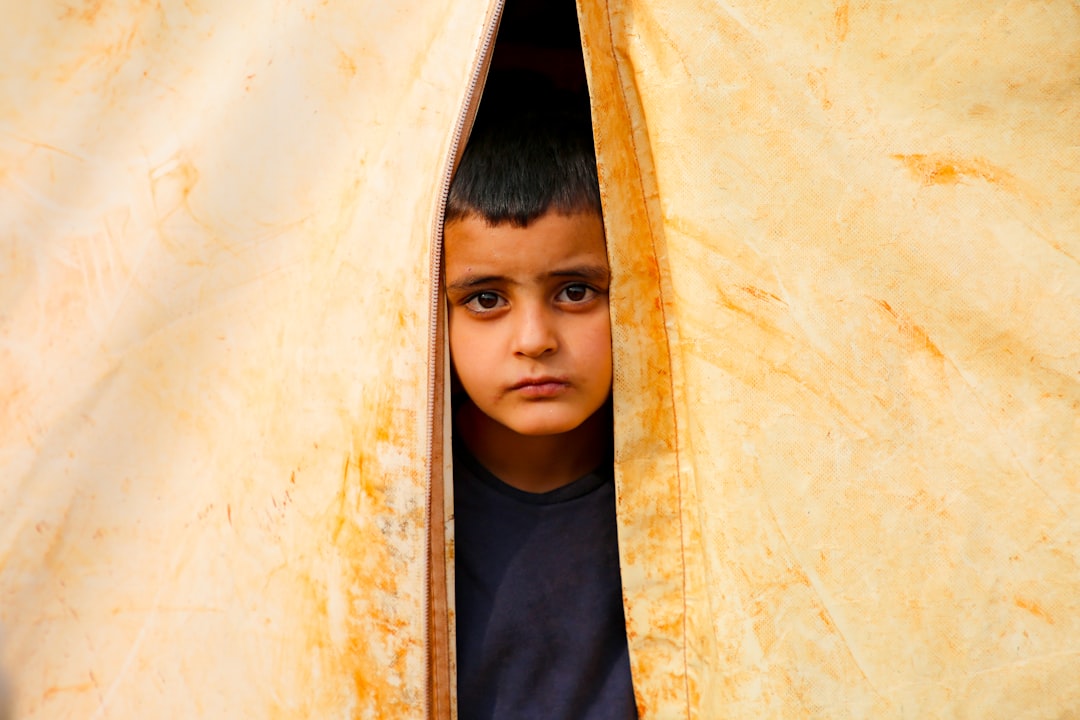
The specter of nuclear war, long a chilling possibility in geopolitical discourse, carries with it a potential consequence of profound and devastating magnitude: a refugee crisis that would dwarf any seen in human history. This is not a scenario of sudden, overwhelming displacement by conventional conflict, but a slow, insidious unraveling of civilization itself, creating waves of stateless individuals fleeing landscapes rendered irrevocably hostile. The fallout from such a catastrophe would be a complex tapestry of immediate devastation and long-term environmental degradation, each contributing to a humanitarian emergency of unparalleled scale.
The initial moments of a nuclear exchange would witness unimaginable destruction. Cities, the cradles of human population density, would be the primary targets. The immediate detonation of nuclear devices would unleash blast waves flattening structures, thermal radiation igniting infernos, and ionizing radiation instantaneously poisoning the surroundings. Millions would perish within minutes, vaporized or consumed by the firestorms. Those in the immediate periphery would suffer horrific burns, radiation sickness, and severe trauma.
The Death Knell of Urban Centers
The destruction of urban infrastructure – hospitals, power grids, communication networks, water purification systems – would be near total. This would transform once vibrant metropolises into ghost towns, choked with dust, debris, and the lingering stench of death. Surviving populations within these zones would face a desperate struggle for immediate necessities. Access to clean water would be obstructed by damaged infrastructure and radioactive contamination. Food supplies, already precarious in many urban environments, would be annihilated or rendered inedible by radiation and fallout. Efforts to organize aid or rescue would be severely hampered by the scale of destruction and the breakdown of transportation and communication.
The Scramble for Survival Beyond the Blast Zones
Individuals fortunate enough to survive the initial blasts at a distance would still face overwhelming challenges. The concept of safe zones would be fleeting. Nuclear fallout, carried by atmospheric currents, would begin to descend, creating widespread zones of lethal radiation. Panic would undoubtedly ensue, driving desperate migrations away from affected areas. This initial exodus would be characterized by chaos and a desperate search for any perceived sanctuary.
The refugee crisis following a nuclear war presents a complex humanitarian challenge, as millions may be displaced from their homes due to radiation, destruction, and societal collapse. In light of this potential scenario, understanding the implications of resource management becomes crucial. An insightful article that discusses the importance of securing essential assets in uncertain times is available at Protecting Assets: Why Buying Farmland is a Smart Investment. This piece highlights how investing in farmland can provide stability and security in a world facing unprecedented challenges, including the aftermath of catastrophic events.
The Unseen Killer: Pervasive Radiation and Fallout
While the immediate impacts of nuclear detonations are visually catastrophic, the insidious nature of radioactive fallout poses a longer-term, pervasive threat that would fuel the refugee crisis. This invisible poison would render vast swathes of land uninhabitable for generations.
The Global Reach of Radioactive Dust
The detonation of nuclear weapons, particularly those with higher yields, releases massive quantities of radioactive isotopes into the atmosphere. These particles, ranging from microscopic dust to larger fragments, are carried by wind currents, traveling thousands of kilometers from the detonation site. This means that even nations without direct involvement in the conflict could find themselves indirectly affected, their landscapes becoming contaminated.
The Long-Term Health Consequences
Exposure to ionizing radiation causes cellular damage, leading to a range of severe health problems. In the short term, this manifests as acute radiation syndrome, characterized by nausea, vomiting, hair loss, and severe damage to the immune system, often proving fatal. Over longer periods, radiation exposure significantly increases the risk of developing various cancers, genetic mutations, and reproductive issues. This would make areas with high levels of residual radiation profoundly dangerous to inhabit, forcing populations to flee.
The Contamination of Essential Resources
The pervasive reach of fallout would inevitably contaminate crucial resources. Agricultural land would be rendered infertile due to radioactive isotopes absorbed by the soil and plants. Water sources, from rivers and lakes to groundwater, would become undrinkable and unusable for irrigation. This systematic degradation of the environmental basis for survival would create a desperate need for safe havens, pushing populations to seek regions less impacted by the immediate and lingering effects of nuclear contamination. The very ability to sustain life – to grow food, to drink clean water – would be compromised on a global scale, driving mass displacement.
The Collapse of Infrastructure and Governance
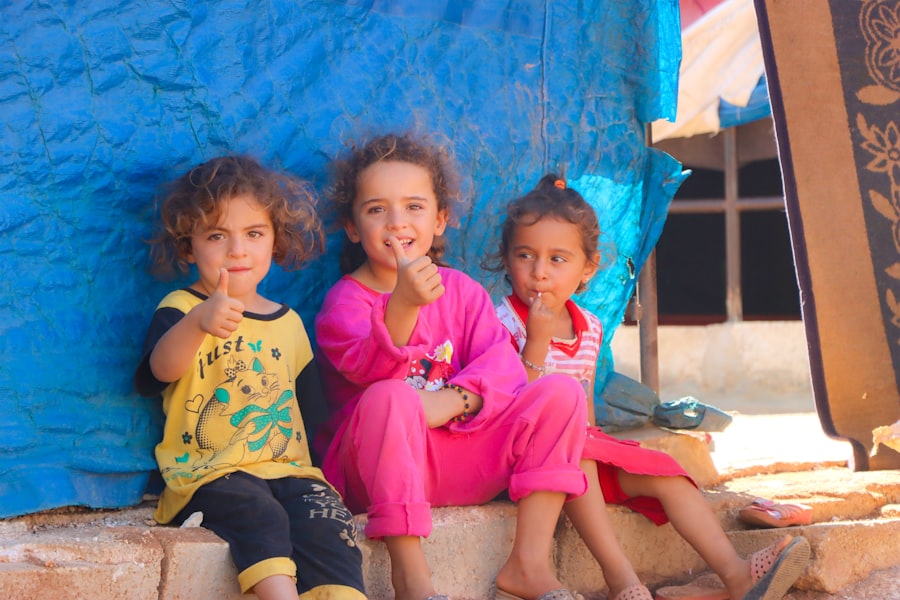
The scale of destruction wrought by nuclear war would go far beyond individual cities or regions. It would lead to a systemic collapse of national and international infrastructure, further exacerbating the refugee crisis.
The Breakdown of State Capacity
National governments, assuming they survive the initial attacks, would find their capacity to govern severely diminished. Communication networks would be down, transportation systems disrupted, and a significant portion of their administrative and logistical personnel likely lost. The ability to provide basic services – healthcare, security, law enforcement – would evaporate in many areas, leaving populations vulnerable and unprotected. This power vacuum would create fertile ground for further chaos and make organized relief efforts virtually impossible.
Global Economic Stragnation and Collapse
The global economy, intricately interconnected through trade and finance, would be devastated. Supply chains would be irrevocably broken, industries rendered inoperable, and financial markets would cease to function. This economic collapse would deprive fleeing populations of any means to support themselves or to purchase essential goods in any potential host regions. The concept of international aid, a cornerstone of responding to refugee crises, would be severely undermined, if not entirely extinguished, by the widespread economic devastation.
The Erosion of International Law and Order
International institutions designed to manage humanitarian crises, such as the United Nations High Commissioner for Refugees (UNHCR), would likely be rendered ineffectual. Their funding channels would dry up, their operational capabilities curtailed by the breakdown of global communication and transportation, and their ability to coordinate international responses would be severely hampered. The very framework for addressing refugee flows would crumble, leaving displaced individuals to fend for themselves in a world that had largely ceased to function.
The Global Exodus: Waves of Statelessness
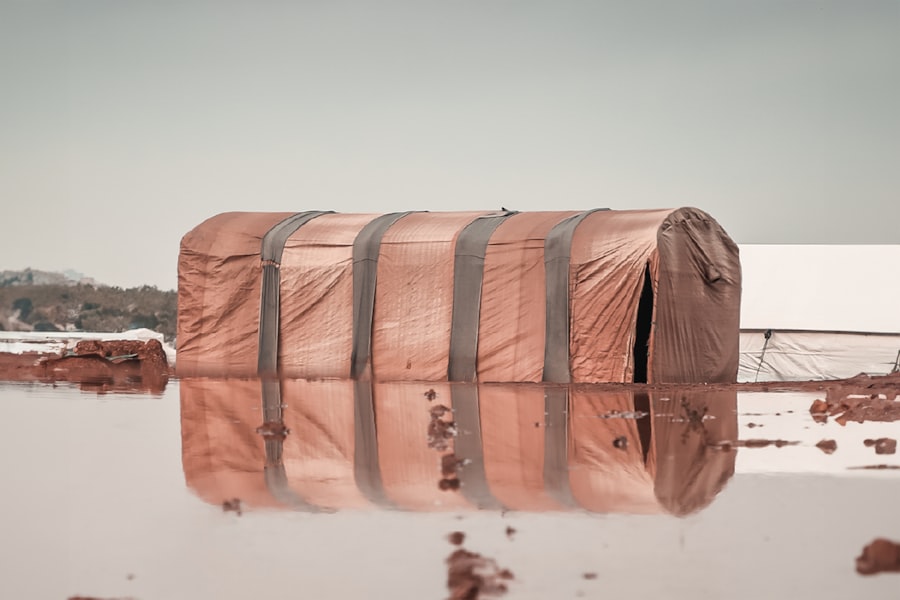
The cumulative impact of immediate devastation, pervasive radiation, and the collapse of governance would trigger an unprecedented global exodus. Billions could be displaced, creating a refugee crisis of unimaginable proportions.
The Internal Displacement Dilemma
The initial waves of displacement would likely be internal, with populations fleeing from heavily affected areas to what they perceive as safer regions within their own countries. However, as radiation fallout spreads and the collapse of national infrastructure becomes more pronounced, these seemingly safer internal destinations would inevitably become unsustainable or themselves contaminated. This would force a second, and even more desperate, wave of displacement across international borders.
The Closure of Borders and the Desperation of Transit
As the scale of the refugee crisis became apparent, and the risks of contaminated populations became a global concern, nations would likely move to close their borders, even those not directly involved in the conflict. This would create immense pressure on border regions, leading to humanitarian standoffs, increased desperation among those seeking entry, and potentially violent confrontations. The established routes for refugee transit would crumble, forcing people into perilous, undocumented journeys through compromised landscapes.
The Loss of Identity and the Struggle for Belonging
In this scenario, the very concept of national identity and belonging would be fractured. Millions would find themselves utterly stateless, stripped of their citizenship and their rights. The struggle would extend beyond mere survival; it would be a fight for dignity, for recognition, and for a chance to rebuild lives in a world that had forgotten or rejected them. The psychological toll of such profound dislocation and loss would be immeasurable.
The potential consequences of a nuclear war extend beyond immediate destruction, leading to a significant refugee crisis as millions may be forced to flee their homes. This situation could be exacerbated by environmental factors, such as rising sea levels, which threaten coastal regions and displace even more people. For a deeper understanding of how climate change intersects with global crises, you can read about the implications of environmental changes in this article on rising sea levels. As nations grapple with the aftermath of conflict, the interplay between war and environmental degradation will become increasingly critical in shaping international responses to humanitarian needs.
Long-Term Repercussions: A Scarred Planet and a Changed Humanity
| Year | Number of Refugees | Country of Origin | Destination Country |
|---|---|---|---|
| 2023 | 500,000 | North America | Europe |
| 2024 | 750,000 | Middle East | Asia |
| 2025 | 1,000,000 | Asia | Australia |
The refugee crisis spawned by nuclear war would not be a temporary phenomenon. Its repercussions would echo across generations, fundamentally altering the planet and the trajectory of humanity.
The Legacy of Contaminated Lands
Vast tracts of the Earth’s surface would remain uninhabitable for centuries, if not millennia, due to residual radiation. These “exclusion zones” would be stark reminders of the catastrophe, hindering recovery and development. The remediation of these lands would be an almost insurmountable challenge, requiring technological advancements and resources that would likely be scarce in a post-nuclear world.
The Intergenerational Impact of Radiation Exposure
The genetic mutations and increased cancer rates caused by radiation exposure would continue to affect subsequent generations. This would lead to a generation of individuals with compromised health and increased susceptibility to disease, further straining any nascent healthcare systems. The biological legacy of nuclear war would be a tangible inheritance of suffering.
The Potential for New Forms of Societal Organization
In the wake of such widespread collapse, humanity might be forced to forge new societal structures, potentially on a smaller, more localized scale. The lessons learned from the devastating consequences of global conflict and unchecked technological advancement could, in a bleak paradox, lead to a more sustainable and resilient form of civilization. However, the path to such a future would be paved with immense suffering and loss, a testament to the catastrophic fallout of nuclear war. The refugee crisis would be the most visible, and perhaps the most profoundly human, manifestation of this global tragedy.
FAQs
What is a refugee crisis?
A refugee crisis occurs when a large number of people are forced to flee their homes due to conflict, persecution, or natural disasters, and seek refuge in other countries or regions.
How does a nuclear war contribute to a refugee crisis?
A nuclear war can lead to widespread destruction, displacement of populations, and environmental contamination, forcing people to flee their homes and seek safety in other areas, potentially leading to a refugee crisis.
What are the impacts of a refugee crisis after a nuclear war?
The impacts of a refugee crisis after a nuclear war can include overcrowded refugee camps, strained resources in host countries, increased risk of disease outbreaks, and psychological trauma for the displaced populations.
How can the international community respond to a refugee crisis after a nuclear war?
The international community can respond to a refugee crisis after a nuclear war by providing humanitarian aid, supporting host countries, facilitating resettlement programs, and advocating for peaceful resolutions to conflicts.
What are the long-term solutions to address the refugee crisis after a nuclear war?
Long-term solutions to address the refugee crisis after a nuclear war include promoting peace and stability, addressing the root causes of conflict, supporting sustainable development in affected regions, and upholding international laws and human rights principles.