Iceland’s Food Import Dependency Risks
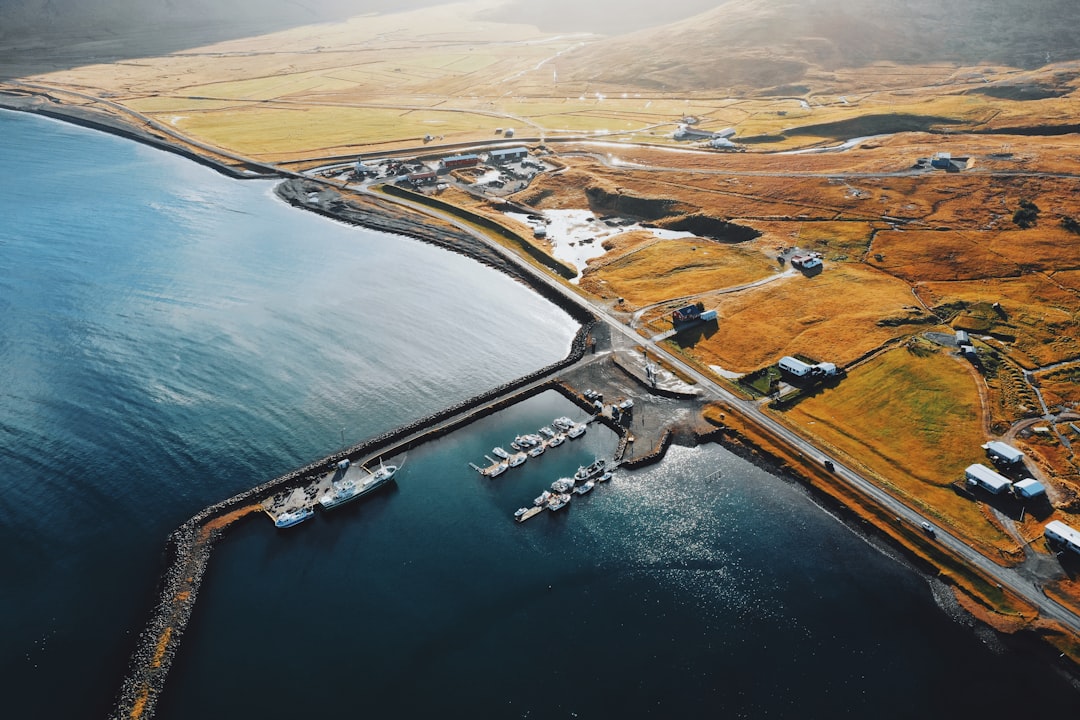
Iceland, an island nation situated in the North Atlantic, presents a unique environment with significant implications for its agricultural sector and, consequently, its food security. The island’s volatile geological activity, characterized by volcanic eruptions, geothermal phenomena, and seismic events, shapes its terrain and influences the arable land available for cultivation. Weather patterns are equally challenging, with harsh winters, strong winds, and short growing seasons prevalent across much of the country. These natural factors impose inherent limitations on what can be domestically produced.
Arable Land Scarcity
The total land area of Iceland is approximately 103,000 square kilometers, but a substantial portion of this is covered by glaciers, volcanoes, lava fields, and other non-arable terrain. Estimates for truly usable agricultural land vary, but it consistently remains a small percentage of the total landmass. This scarcity directly restricts the scale of domestic food production, necessitating reliance on external sources for a broad spectrum of foodstuffs. The limited availability of fertile soil and the need to protect fragile ecosystems further constrain expansion possibilities.
Climatic Constraints on Agriculture
The Icelandic climate is characterized by a subarctic oceanic climate with significant seasonal variations and unpredictable weather. Summers are brief and cool, with average temperatures in July not exceeding 11°C (52°F) in Reykjavík. Winters are long and cold, though moderated by the Gulf Stream, which prevents extremely low temperatures in coastal areas. However, the prevailing winds can be fierce, and rainfall is consistent, posing challenges for crop growth and harvesting.
Short Growing Seasons and Frost Risk
The limited duration of daylight during summer months, coupled with the ever-present risk of frost even during the warmer periods, significantly curtails the range of crops that can be successfully cultivated. While greenhouses and geothermal energy offer solutions for some produce, they cannot fully compensate for the inherent meteorological limitations. The unpredictability of the weather further complicates farming, requiring resilience and adaptive strategies.
Impact of Geothermal Activity
While geothermal energy is a vital resource for heating greenhouses and facilitating limited year-round cultivation of certain crops like tomatoes and cucumbers, it is not a panacea for large-scale staple food production. The geographic distribution of usable geothermal resources also means that not all agricultural areas can benefit equally. Furthermore, the energy intensity of some geothermal applications requires careful management to ensure sustainability and cost-effectiveness.
Iceland’s food import dependency poses significant risks to its food security, particularly in light of global supply chain disruptions and climate change. A related article that explores the broader implications of such dependencies can be found at this link. Understanding these dynamics is crucial for developing strategies to enhance local food production and resilience against external shocks.
The Economic Rationale Behind Import Dependency
Iceland’s economic structure, coupled with the inherent limitations of its natural environment, has historically led to a significant reliance on imported food. Several economic factors contribute to this dependency, shaping trade relationships and consumption patterns.
Specialization and Comparative Advantage
As with many developed nations, Iceland has historically pursued a strategy of specialization based on its perceived comparative advantages. Exploiting renewable energy resources and developing industries like aquaculture, aluminum smelting, and tourism are areas where Iceland possesses unique strengths and can achieve economies of scale. This economic focus often means that resources and investment are directed away from large-scale conventional agriculture, which would require substantial subsidies and infrastructure to compete with global markets.
The Role of Global Trade and Supply Chains
The development of efficient global shipping and trade networks makes it economically viable for Iceland to import a vast array of food products. The cost of importing many goods can be lower than producing them domestically, especially when considering the infrastructure, labor, and climatic challenges associated with Icelandic agriculture. This creates a self-perpetuating cycle where import dependency becomes the default economic model.
Consumer Demand and Dietary Habits
Modern Icelandic society, like many Western nations, exhibits a demand for diverse and readily available food choices year-round. This consumer preference for a wide variety of fruits, vegetables, meats, and processed foods cannot be fully met by domestic production alone. The convenience and affordability of imported goods further reinforce these dietary habits, contributing to the ongoing import dependency.
Availability of Exotic and Off-Season Produce
Consumers have come to expect access to fruits and vegetables that are out of season or cannot be grown in Iceland’s climate. International trade provides this readily, making it a standard expectation rather than a luxury. This demand directly fuels the need for imports, as domestic production would struggle to meet such specific and varied requirements in terms of variety and availability.
Infrastructure and Distribution Networks
While Iceland possesses a well-developed transportation infrastructure for its size, this is primarily optimized for importing goods rather than supporting a vast domestic food distribution network. The concentration of population in and around Reykjavík facilitates efficient distribution of imported products. Establishing an equivalent network for a significantly larger domestic agricultural output would necessitate substantial investment and logistical adjustments.
Identifying the Vulnerabilities in the Import Chain
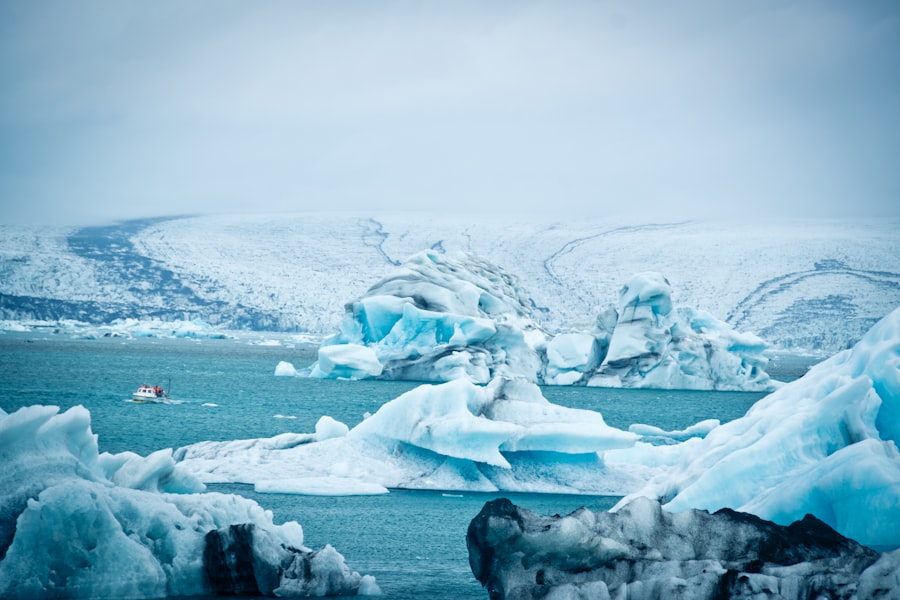
Iceland’s reliance on imported food, while economically pragmatic in normal circumstances, exposes the nation to a range of vulnerabilities that could have significant consequences during periods of disruption. A close examination of the import supply chain reveals several critical points of fragility.
Transportation and Logistics Risks
The primary mode of food import into Iceland is by sea, and to a lesser extent, by air. This reliance on maritime shipping introduces inherent risks. Global shipping lanes can be affected by geopolitical instability, piracy, extreme weather events, and port congestion. Disruptions to these routes, even if temporary, can lead to shortages and price spikes.
Dependence on Shipping Routes and Ports
Iceland’s food imports are funnelled through a limited number of international ports and then transported to the island via ocean vessels. Any interruption to these key transit points, whether due to natural disasters, strikes, or international conflicts, can have a disproportionate impact. The long distances involved also mean that inventory levels at the point of import need to be carefully managed, with little buffer capacity for extended delays.
Vulnerability to Global Economic Shocks
Global economic downturns or currency fluctuations can significantly impact the cost of imported food. A weakening Icelandic Króna, for example, would directly translate to higher prices for imported goods, affecting household budgets and potentially leading to decreased purchasing power for essential food items.
Geopolitical Instability and Trade Disputes
International trade is inherently susceptible to geopolitical shifts. Trade wars, sanctions, or sudden imposition of tariffs by major food-exporting nations could directly affect Iceland’s access to critical food supplies. As a small nation, Iceland has limited leverage in negotiating trade agreements and is more exposed to the decisions of larger economic blocs.
National Security Implications of Food Dependence
In a protracted global crisis, a nation’s food security can become a matter of national security. A severe and prolonged disruption to food imports could lead to social unrest, economic instability, and compromise Iceland’s ability to function effectively, raising concerns beyond mere economic inconvenience.
Public Health and Biosecurity Threats
The international movement of food products carries the risk of introducing pests, diseases, and contaminants into the country. While Iceland has stringent biosecurity measures in place, the sheer volume of imports necessitates continuous vigilance. Any breach in biosecurity, whether accidental or deliberate, could have devastating consequences for both human health and domestic agriculture.
Risk of Contaminated Food Products
The global nature of food production means that contamination can occur at various stages of the supply chain, from farm to processing to transportation. Vigilant testing and inspection protocols are essential, but the possibility of contaminated shipments arriving, despite these measures, remains a persistent risk.
Introduction of Pests and Diseases
The introduction of invasive pests or animal diseases through imported food or agricultural products could have catastrophic impacts on Iceland’s already limited agricultural sector and its unique ecosystems. Eradication efforts can be costly and prolonged, impacting food availability and escalating prices.
Potential Consequences of Food Import Disruption
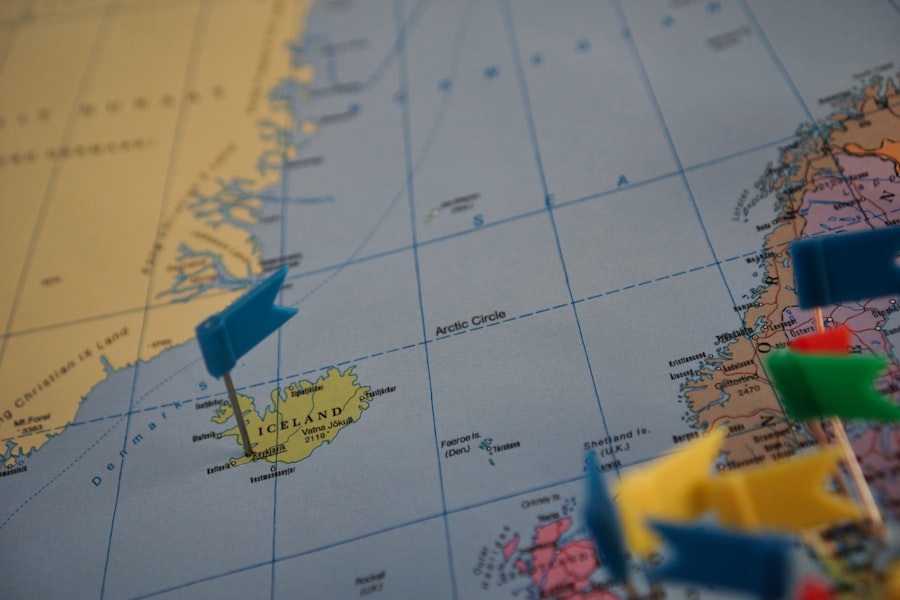
The consequences of a significant and prolonged disruption to Iceland’s food import chain could be far-reaching, impacting various aspects of the nation’s society and economy. Understanding these potential ramifications is crucial for developing effective mitigation strategies.
Food Shortages and Price Volatility
The most immediate and tangible consequence would be widespread food shortages. With limited domestic production capacity, a disruption to imports would quickly deplete existing stockpiles. This would inevitably lead to soaring food prices as demand outstrips supply. Inflation would likely surge, disproportionately affecting lower-income households.
Impact on Consumer Purchasing Power
As food prices escalate, consumers would face difficult choices, potentially having to reduce their consumption of essential items or spend a larger proportion of their income on food. This could lead to a decline in living standards and an increase in food insecurity, even for those who are employed.
Supply Chain Bottlenecks
Even if some food items remain available, supply chain bottlenecks could lead to uneven distribution, with certain regions or communities experiencing more severe shortages than others. This could create social disparities and exacerbate existing inequalities.
Economic Strain and Recessionary Pressures
The Icelandic economy is intricately linked to global trade. Disruptions to food imports would not only directly impact consumers but also affect businesses reliant on imported ingredients, such as restaurants and food processing plants. This could lead to job losses and a general economic slowdown.
Decreased Tourism Revenue
Food is a significant component of the tourist experience in Iceland. Perceived food shortages or drastically increased prices could negatively impact tourism, a vital sector for the Icelandic economy. Tourists might choose alternative destinations if they anticipate higher costs or limited dining options.
Increased Government Spending on Relief
In the event of a severe food crisis, the government would likely need to increase spending on social welfare programs and potentially explore emergency food import measures, placing a strain on public finances. This could divert funds from other essential public services.
Social Unrest and Public Health Crises
Prolonged food shortages and economic hardship can be catalysts for social unrest. Public dissatisfaction could escalate into protests and demonstrations, challenging government authority and stability. Furthermore, diminished access to nutritious food can have negative long-term consequences for public health, particularly for vulnerable populations.
Impact on Nutrition and Health Outcomes
A diet heavily reliant on limited available foodstuffs, potentially of lower nutritional value due to hasty import decisions or price constraints, could lead to an increase in diet-related health problems. This could place additional pressure on the healthcare system.
Psychological Impact of Scarcity
The psychological impact of living with the constant threat of food scarcity and economic instability can be significant, leading to increased stress, anxiety, and a general decline in overall well-being within the population.
Iceland’s food import dependency poses significant risks, particularly in times of global crises that can disrupt supply chains. A related article discusses the broader implications of economic policies on citizens, highlighting how emergency measures can affect food security and availability. For a deeper understanding of these issues, you can read more about it in this insightful piece on economic powers and their impact. This context is crucial for grasping the potential vulnerabilities that countries like Iceland face in ensuring a stable food supply.
Mitigation Strategies and Building Resilience
| Food Category | Import Dependency (%) | Risk Level |
|---|---|---|
| Meat | 80% | High |
| Dairy Products | 70% | High |
| Fruits and Vegetables | 60% | Moderate |
| Grains | 50% | Moderate |
Addressing Iceland’s food import dependency requires a multi-pronged approach focused on enhancing domestic production where feasible, diversifying import sources, and strengthening emergency preparedness. Building resilience within the food system is paramount for ensuring long-term food security.
Enhancing Domestic Agricultural Capacity
While fully eliminating import dependency is likely unrealistic, strategically increasing domestic agricultural production can significantly buffer against external shocks. This involves investing in technology, research, and supportive policies for local farmers.
Investing in Greenhouse Technology and Geothermal Energy
Expanding the use of climate-controlled greenhouses, powered by Iceland’s abundant geothermal energy, can substantially increase the year-round production of fruits, vegetables, and herbs. Further research into optimizing these systems for a wider range of crops is beneficial.
Promoting Sustainable Farming Practices
Encouraging sustainable and resilient farming methods, such as regenerative agriculture and crop diversification, can improve soil health, reduce reliance on external inputs, and enhance the adaptability of domestic agriculture to changing environmental conditions. This includes exploring less water-intensive and more cold-tolerant crop varieties.
Supporting Livestock and Dairy Production
While challenging, maintaining and developing domestic livestock and dairy sectors is important for providing essential protein and fat sources. This requires careful management of feed availability, animal health, and market access.
Diversifying Import Sources and Strengthening Trade Relationships
Reducing reliance on a limited number of import partners can mitigate risks associated with geopolitical instability and trade disputes. Building robust relationships with a broader range of countries can create more flexible and secure supply chains.
Exploring Strategic Trade Partnerships
Iceland could actively pursue trade agreements with countries that offer stable food supplies and have a strong track record of reliability. This might involve looking beyond traditional European partners to include nations in North America or other regions.
Establishing Long-Term Supply Contracts
Securing long-term supply contracts for essential food commodities can provide greater price stability and assurance of availability, even during periods of global market volatility. This requires careful negotiation and forecasting of needs.
Improving Food Storage and Emergency Preparedness
Developing robust national food reserves and comprehensive emergency response plans is crucial for managing short-term disruptions and ensuring food availability during crises.
National Strategic Food Reserves
Establishing and maintaining strategic food reserves of essential non-perishable goods can provide a vital buffer during prolonged import disruptions. This requires careful management of inventory, rotation of stock, and ensuring appropriate storage conditions.
Developing Emergency Food Distribution Networks
Planning and establishing pre-defined emergency food distribution networks, including logistical arrangements and points of access, can ensure that food reaches vulnerable populations efficiently in times of crisis. This involves collaboration between government agencies, local authorities, and private sector partners.
Public Awareness and Education Campaigns
Educating the public about food import risks, encouraging responsible consumption, and providing guidelines for emergency preparedness can empower individuals and communities to be more resilient. This includes promoting food preservation techniques and encouraging the cultivation of home gardens where feasible.
FAQs
What is Iceland’s current level of food import dependency?
Iceland currently imports about 40-50% of its food, making it highly dependent on foreign sources for its food supply.
What are the main risks associated with Iceland’s food import dependency?
The main risks include vulnerability to supply chain disruptions, price fluctuations, and potential food shortages in the event of global crises or trade disruptions.
Which food items does Iceland import the most?
Iceland imports a significant amount of fruits, vegetables, meat, dairy products, and grains due to its limited agricultural production and harsh climate.
How does food import dependency affect Iceland’s economy?
Food import dependency can lead to trade imbalances, increased vulnerability to currency fluctuations, and potential negative impacts on the overall economy.
What measures is Iceland taking to reduce its food import dependency risks?
Iceland is investing in domestic food production, promoting sustainable agriculture, and exploring alternative food sources such as aquaculture to reduce its reliance on food imports.