Nuclear winter, a hypothetical but terrifying scenario resulting from widespread nuclear conflict, presents a chilling prospect of environmental devastation. The concept posits that the immense fires ignited by nuclear detonations, particularly in urban and industrial centers, would inject vast quantities of soot and smoke into the upper atmosphere. This atmospheric particulate layer would then obscure sunlight, leading to a dramatic and prolonged period of global cooling. The implications of such an event extend far beyond immediate destruction, impacting ecosystems, agriculture, and human civilization for centuries.
Ignition and Smoke Production
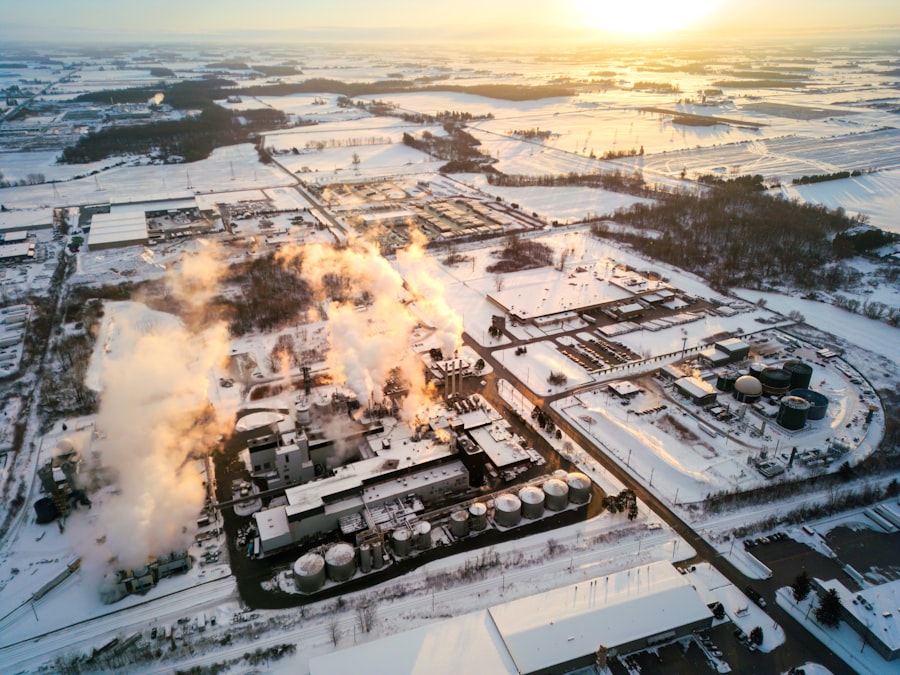
The primary driver of nuclear winter is the massive release of energy from nuclear explosions. These detonations, especially high-yield weapons, would generate intense thermal radiation, capable of igniting widespread fires. Cities, with their abundance of combustible materials like buildings, vehicles, and vegetation, would become particularly susceptible to conflagration. Industrial areas, containing vast quantities of flammable chemicals and fuels, would also contribute significantly to the firestorm. The sheer scale of these fires would be unprecedented, creating colossal plumes of smoke and soot that would ascend into the atmosphere. This smoke is not inert; it is composed of fine particulate matter, including carbonaceous aerosols, which are highly effective at absorbing and scattering sunlight.
The Soot Layer and Solar Dimming
Once injected into the stratosphere, these soot particles would persist for extended periods, potentially years. The stratosphere, lacking the turbulent weather systems of the troposphere, offers a relatively stable environment for such particulates. As the soot accumulates, it would form a dense layer enveloping the globe. This layer would act like a vast, artificial shroud, significantly reducing the amount of solar radiation reaching the Earth’s surface. Even a moderate nuclear exchange, involving a fraction of the world’s nuclear arsenal, could generate enough soot to cause a noticeable dimming of sunlight. A large-scale conflict could produce a cataclysmic level of solar obstruction.
Stratospheric Residence Time and Feedback Loops
The longevity of the soot layer is a critical component of the nuclear winter hypothesis. Smaller particles tend to remain suspended in the atmosphere for longer durations. These fine soot particles, being highly absorbent of solar radiation, would also heat the stratosphere. This stratospheric heating could, in turn, influence atmospheric circulation patterns, potentially further stabilizing the soot layer and preventing its premature removal through precipitation. Some models suggest feedback mechanisms whereby the warming of the stratosphere could even enhance the lofting of additional smoke particles, prolonging the atmospheric impact. The complex interplay of atmospheric dynamics and the physical properties of soot is central to understanding the potential duration of this phenomenon.
The concept of nuclear winter, which refers to the severe and prolonged climatic cooling that could follow a nuclear war, raises important questions about the potential long-term effects on the environment and human survival. For a deeper understanding of how environmental factors can influence various aspects of life, you might find the article on Egyptian blue pigment intriguing. This article explores the properties and historical significance of this ancient pigment, shedding light on how human innovation has interacted with the environment over centuries. You can read more about it here: Unveiling the Properties of Egyptian Blue Pigment.
Global Temperature Decline and Its Ramifications
The Magnitude of Cooling
The most direct and profound consequence of a nuclear winter would be a dramatic and sustained drop in global average temperatures. The amount of cooling is directly proportional to the quantity of soot injected into the atmosphere. Even a “limited” nuclear war, involving around 100 Hiroshima-sized bombs detonated in urban areas, could lead to a temperature drop of several degrees Celsius. A larger-scale exchange, involving thousands of warheads, could plunge global temperatures by tens of degrees Celsius, potentially reaching levels not seen since the last ice age or even colder. This cooling would not be uniform, with landmasses experiencing more pronounced decreases than oceanic regions due to the differential heat capacities of land and water.
Impact on Agricultural Systems
The agricultural sector would be devastated. Modern agriculture relies on specific temperature ranges and predictable growing seasons. A significant and prolonged drop in temperature, coupled with reduced sunlight, would make crop cultivation impossible in many regions. Frosts occurring outside of historically normal periods, extended periods of darkness, and shorter growing seasons would lead to widespread crop failure. Familiar staple crops, cultivated under relatively stable climatic conditions, would be unable to withstand the harsh new environment. Even cold-hardy crops would struggle under conditions of extreme and prolonged cold.
Disruption of Food Chains
The collapse of agricultural systems would ripple through entire food chains. The loss of crops would directly impact herbivores, which would face starvation. This, in turn, would lead to the decline of carnivores that prey on herbivores. The marine ecosystem, while potentially less immediately affected by direct temperature drops, would also suffer from changes in ocean currents, reduced sunlight for phytoplankton (the base of the marine food web), and altered ocean chemistry due to atmospheric changes. The intricate web of life, evolved under millennia of relatively stable climatic conditions, would be severely disrupted, leading to mass extinctions.
Precipitation Anomalies and Hydrological Cycles
Changes in Rainfall Patterns
Nuclear winter would not only lead to cooling but also to significant alterations in global precipitation patterns. The reduced solar energy reaching the surface would decrease evaporation rates, leading to a general reduction in rainfall over many continental areas. However, the complex atmospheric dynamics could also lead to localized and unpredictable precipitation anomalies. Some regions might experience increased rainfall, while others face severe drought. The precise distribution of these precipitation changes is influenced by the atmospheric circulation patterns, which are themselves affected by the stratospheric soot layer.
Impact on Water Resources
Reduced rainfall would have dire consequences for water resources. Rivers and lakes would experience diminished flows, impacting both drinking water supplies and irrigation for any remaining agricultural activities. Groundwater recharge rates would slow, further exacerbating water scarcity. In regions already prone to water stress, the impact would be catastrophic, leading to widespread water conflicts and mass migrations. The availability of potable water, a fundamental requirement for human survival, would become a critical issue.
Alterations in Snow and Ice Cover
The prolonged period of low temperatures and altered precipitation could lead to an expansion of snow and ice cover in many regions, particularly at higher latitudes and altitudes. This increased albedo (reflectivity) of the Earth’s surface would further enhance cooling, creating a feedback loop that could prolong the nuclear winter. The melting and refreezing of snow and ice would also disrupt hydrological cycles, affecting river flows and the availability of meltwater in warmer seasons.
Long-Term Environmental Degradation
Ozone Layer Depletion
Beyond the immediate cooling and precipitation changes, nuclear winter poses a significant threat to the Earth’s ozone layer. The intense heat generated by nuclear explosions, along with the chemical reactions involving nitrogen oxides produced in the blast plumes, can catalyze the destruction of stratospheric ozone. The injection of large quantities of soot particles could also create surface reactions that further deplete ozone. The depletion of the ozone layer would allow more harmful ultraviolet (UV) radiation from the sun to reach the Earth’s surface.
Increased UV Radiation and Biological Impacts
Increased UV radiation would have devastating consequences for life on Earth. It can damage DNA, leading to an increased incidence of cancers in humans and other animals. Plants would also be negatively affected, with reduced growth rates and impaired reproduction. The delicate balance of ecosystems, already stressed by the climatic changes, would be further disrupted by this additional environmental stress. The penetration of UV radiation into aquatic environments could also harm phytoplankton and other marine organisms.
Soil Degradation and Desertification
The combination of altered precipitation patterns, reduced plant cover, and increased UV radiation could lead to widespread soil degradation and desertification. The loss of vegetation would expose soils to erosion by wind and water. The reduced organic matter input from decaying plant material would further deplete soil fertility. In arid and semi-arid regions, the lack of rainfall and vegetation could accelerate the process of desertification, rendering previously arable land infertile.
The concept of nuclear winter raises important questions about the long-term effects of nuclear warfare on our planet, particularly regarding the duration of such climatic changes. For those interested in exploring the broader implications of crises, including the potential government responses to catastrophic events, a related article discusses the government’s seizure of private property during times of crisis. You can read more about this topic by following this link. Understanding these dynamics can provide valuable insights into how societies might respond in the aftermath of a nuclear event.
The Duration and Recovery of a Nuclear Winter
| Location | Duration of Nuclear Winter |
|---|---|
| Mid-Latitude | Several months to several years |
| Tropical | Several months |
| Polar Regions | Several years |
Persistence of Stratospheric Soot
The longevity of a nuclear winter is dictated by how long the stratospheric soot layer persists. While atmospheric models vary, estimates suggest that significant cooling could last for several years, with more moderate effects extending for a decade or more. The atmospheric residence time of soot particles is influenced by their size, composition, and atmospheric dynamics. While gravitational settling and precipitation are natural removal mechanisms, their effectiveness in the stratosphere is limited.
Gradual but Uneven Recovery
The recovery from a nuclear winter would not be a swift or uniform process. As the soot particulates gradually settle out of the atmosphere, sunlight would slowly return. However, the Earth’s climate system is complex and interconnected, and the recovery would involve a cascade of readjustments. Ecosystems that have been severely damaged would take centuries, if not millennia, to recover. The genetic diversity of many species would be significantly reduced, making them more vulnerable to future environmental changes.
The Specter of Cascading Failures
The interconnectedness of global systems means that the impact of a nuclear winter could extend far beyond the initial environmental consequences. The collapse of agriculture would lead to mass starvation and societal breakdown. Resource wars for dwindling supplies of food and water would be inevitable. Political and social structures, already strained by the crisis, would likely disintegrate. The recovery process, if it occurred at all, would be a long and arduous one, marked by hardship and the constant threat of further environmental or societal collapse. The prospect of a true return to pre-conflict conditions remains distant, with the scars of such an event potentially enduring for geological timescales.
FAQs
What is nuclear winter?
Nuclear winter is a theoretical climatic effect that could occur after a large-scale nuclear war. It is characterized by a significant drop in temperature, reduced sunlight, and disrupted weather patterns due to the release of large amounts of soot and smoke into the atmosphere.
How long does nuclear winter last?
The duration of a nuclear winter would depend on various factors such as the number and size of nuclear explosions, the amount of soot and smoke released, and the global climate conditions at the time of the war. It is difficult to predict an exact duration, but it could potentially last for several years.
What are the potential consequences of nuclear winter?
The potential consequences of nuclear winter include widespread crop failure, food shortages, disruption of ecosystems, and a significant impact on human health. The prolonged darkness and cold could also lead to a global humanitarian crisis.
Can nuclear winter be mitigated or prevented?
Efforts to mitigate or prevent nuclear winter would involve preventing large-scale nuclear war in the first place. Diplomatic efforts, arms control agreements, and disarmament initiatives are some of the strategies that could help reduce the risk of nuclear conflict and the subsequent environmental consequences.
What are the current scientific views on nuclear winter?
While the concept of nuclear winter has been the subject of scientific research and debate for decades, the majority of climate scientists and experts agree that the potential for a nuclear winter scenario is a serious concern. Ongoing research continues to explore the potential impacts and ways to address the risks associated with nuclear conflict.