
The 530s Volcanic Winter: Global Evidence
The mid-sixth century was a period of profound environmental upheaval. The exact cause remained obscure for centuries, but a growing body of scientific evidence now points to a colossal volcanic eruption, or possibly a series of eruptions, originating in the Northern Hemisphere. This event plunged much of the planet into a prolonged period of darkness and chilling temperatures, a phenomenon now widely referred to as the 530s Volcanic Winter. The pervasive impact of this event is not confined to one region; rather, evidence of its disruptive influence has been unearthed and analyzed across continents, revealing a global scale of devastation and adaptation.
While the precise volcanic source and specific eruption sequence remain subjects of ongoing research, the timing is consistently correlated with widespread climatic anomalies. The overwhelming consensus among paleoclimatologists and historians is that an immense release of sulfur dioxide and ash into the stratosphere was the primary driver. This stratospheric injection is crucial because it allows volcanic aerosols to remain in the atmosphere for extended periods, effectively reflecting solar radiation back into space and leading to a significant cooling effect.
Pinpointing the Source: Unraveling the Mystery of the Eruption
The Icelandic Hypothesis
One leading candidate for the source of the 530s eruption is the Icelandic volcanic system. Iceland, a hotbed of volcanic activity, has a history of producing eruptions capable of significant global impact. Evidence from ice cores in Greenland, which trap atmospheric particles, has revealed a prominent sulfate spike around the year 540 AD. This spike is highly indicative of a large-scale volcanic event. Further isotopic analysis of these sulfate deposits can help pinpoint the origin of the eruption by matching the chemical fingerprint of the volcanic gases.
Other Potential Candidates
While Iceland remains a strong contender, other volcanic regions have been considered. The Northern Hemisphere is vast, and the geological records from areas such as North America or East Asia could also hold clues. However, the Icelandic hypothesis is currently supported by the most robust multi-proxy evidence, including ice cores and tree ring data from disparate locations. The sheer volume of material ejected would have been necessary to produce the observed global cooling.
The Scale of Eruption
The magnitude of the eruption necessary to create a global winter is immense. It would have required the ejection of tens to hundreds of millions of tons of sulfur dioxide. This gas, when converted to sulfate aerosols in the stratosphere, forms a persistent veil that dramatically reduces the amount of sunlight reaching the Earth’s surface. The duration of such a veil is directly proportional to the amount of sulfur injected into the stratosphere.
The volcanic winter of the 530s is a significant climatic event that has been linked to the sudden decline of several ancient civilizations. This phenomenon, caused by massive volcanic eruptions, led to a dramatic drop in temperatures and disrupted agricultural production across the globe. For a deeper understanding of how such environmental changes contributed to the downfall of societies during this period, you can explore the article titled “The Downfall of Ancient Civilizations: Sudden Collapse Explained” available at this link.
Paleoclimatic Evidence: A Globe Under a Dimming Sky
The most compelling evidence for the 530s volcanic winter comes from paleoclimatic proxies – natural archives that preserve records of past climates. These proxies act as silent witnesses to the climatic shifts that occurred during this period, offering a global perspective on the event’s reach.
Ice Core Records: Frozen Diaries of Atmospheric Events
Ice cores, particularly those drilled from the Greenland and Antarctic ice sheets, provide an invaluable record of past atmospheric conditions. By analyzing the chemical composition of the ice layers, scientists can detect changes in atmospheric dust, volcanic aerosols, and greenhouse gases.
Sulfate Spikes as Volcanic Signatures
As mentioned previously, sulfate concentrations within ice cores are a key indicator of volcanic activity. The dramatic increase in sulfate found in ice cores dating to approximately 540 AD is a clear signal of a massive eruption. The thickness and distinctiveness of this sulfate layer suggest an event of extraordinary scale, far beyond typical volcanic ash falls.
Isotopic Analysis for Source Identification
Further analysis of the isotopic composition of oxygen and sulfur within the sulfate layer can help scientists determine the likely origin of the volcanic eruption. Different geological regions have distinct isotopic signatures in their volcanic emissions, allowing for a regional, and sometimes even a specific volcano, identification.
Tree Ring Data: Witnessing Stunted Growth and Shorter Summers
Tree rings, the annual growth layers of trees, are sensitive indicators of climatic conditions, particularly temperature and precipitation. During periods of reduced sunlight and colder temperatures, trees experience slower growth, resulting in narrower annual rings.
Global Synchronicity of Narrow Rings
Across the Northern Hemisphere, and even extending into some parts of the Southern Hemisphere, a distinct period of narrow tree rings has been observed around the mid-sixth century. This synchronicity is a powerful testament to the widespread nature of the climatic anomaly. Dendrochronologists study patterns of wide and narrow rings to reconstruct past climate trends. The consistent pattern of constricted growth during this specific period strongly suggests a common, overarching cause.
Evidence of Reduced Growing Seasons
The narrow rings are not only a sign of limited growth but also indicate reduced growing seasons. Colder temperatures and less sunlight directly impact plant productivity. The observed patterns suggest that summers were shorter and less productive, leading to difficulties in agriculture and impacting ecosystems.
Sediment Cores: Layered Records of Climate and Disaster
Sediment cores from lakes and oceans also preserve valuable climatic information. These cores can contain layers of volcanic ash, pollen that reflects vegetation changes, and chemical signals indicative of temperature and precipitation shifts.
Volcanic Ash Layers as Direct Evidence
In some locations, a distinct layer of volcanic ash has been identified in sediment cores that directly correlates with the timing of the 530s event. This ash fallout provides direct physical evidence of volcanic material reaching distant locations. The composition of this ash can also be analyzed to help identify the source volcano.
Changes in Pollen Assemblages
Analysis of pollen preserved in sediment cores can reveal shifts in vegetation patterns. A decline in temperature-tolerant species and an increase in cold-adapted or even more barren landscapes would be indicative of a significant climatic cooling.
Beyond Paleoclimatology: Historical Records of Disruption
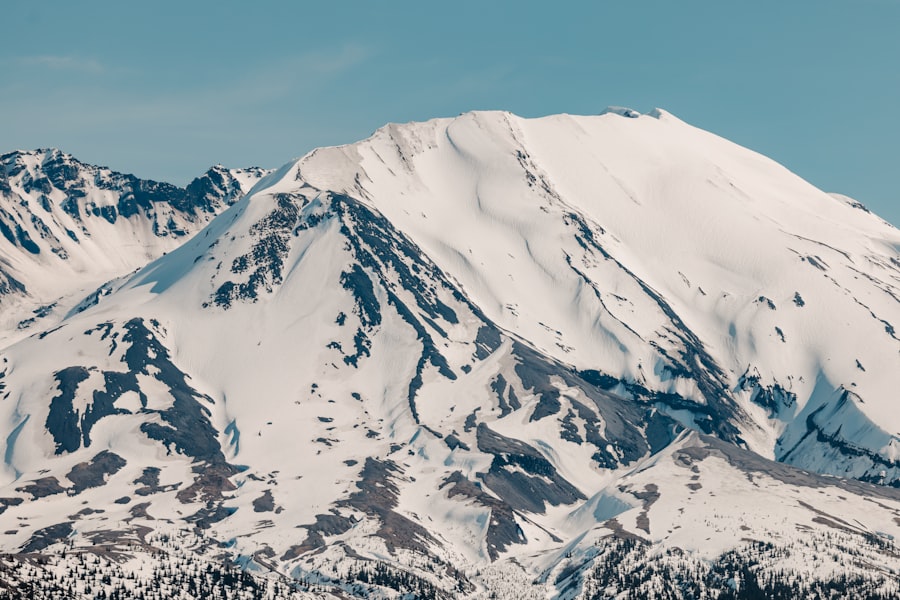
The impact of this environmental catastrophe was not confined to the natural world; it left indelible marks on human societies, as evidenced by historical chronicles and archaeological findings from various civilizations. These contemporary accounts, though often lacking a scientific understanding of the cause, vividly describe the widespread consequences.
European Accounts: Famine, Disease, and Political Instability
The weakened sunlight and prolonged cold had a devastating impact on agricultural societies in Europe. Contemporary chronicles from the Byzantine Empire, for example, speak of a dim sun, a lack of warmth, and widespread crop failures.
The Chronicle of John of Nikiu
This important historical source provides a chilling account of the period, describing a “sign of the coming of antichrist” with the sun being “dimmed.” It speaks of widespread famine and the cessation of agricultural activity. The text describes the sun as being “darkened for sixteen months,” which, while perhaps hyperbolic, reflects the profound and prolonged nature of the atmospheric disturbance.
The Justinianic Plague and its Indirect Link
While the Justinianic Plague, which began in 541 AD, is a distinct event, some historians suggest that the weakened and malnourished populations resulting from the volcanic winter may have been more susceptible to its devastating spread. The environmental stress could have compromised immune systems and exacerbated the societal disruption caused by the plague.
Asian Records: Drought, Famine, and Societal Unrest
The effects of the volcanic winter extended far beyond Europe, reaching deep into Asia. Accounts from China and the Middle East paint a similar picture of environmental hardship and subsequent societal challenges.
Chinese Historical Records
Chinese historical texts from the period describe unusual weather patterns, including darkened skies, cold temperatures, and crop failures. These records speak of widespread famine and social unrest, indicating the pervasive impact of the climatic anomaly across a vast and populated region. The mention of “darkened sun” and “cold years” in these chronicles aligns with the global phenomenon.
Middle Eastern Chronicles
Contemporary chronicles from the Middle East similarly document unusual climatic conditions, including prolonged darkness and the consequential impact on agriculture and food security. The disruption to established weather patterns would have had severe implications for societies reliant on predictable agricultural cycles.
Archaeological Evidence: Signs of Stress and Adaptation
Archaeological evidence can corroborate historical accounts by revealing physical signs of societal stress, population decline,, and changes in settlement patterns during the 530s.
Evidence of Abandoned Settlements
In some regions, archaeological sites show evidence of sudden abandonment or a significant decline in population around the mid-sixth century. This could be a direct consequence of famine, disease, or the inability to sustain communities in the face of prolonged environmental hardship.
Changes in Agricultural Practices
Paleobotanical analysis of archaeological sites can reveal changes in crop cultivation practices. A shift towards hardier, cold-tolerant crops or a reduction in agricultural output would be indicative of a challenging climate. The dietary patterns of past populations, as revealed by analysis of human remains, can also show signs of nutritional stress.
The Long Shadow: Impact on Ecosystems and Biodiversity
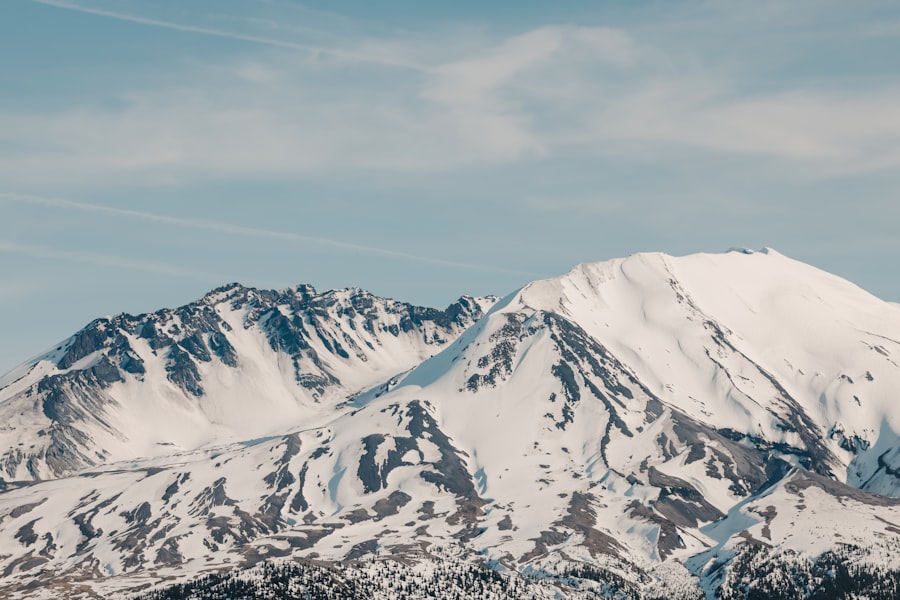
The 530s Volcanic Winter was not merely a fleeting climatic blip; its duration and severity had a measurable impact on natural ecosystems and biodiversity across the globe. The reduced sunlight and colder temperatures fundamentally altered environmental conditions, forcing species to adapt or perish.
Forest Diebacks and Shifts in Plant Communities
A prolonged period of reduced sunlight and colder temperatures would have significantly stressed plant life, particularly in temperate and boreal regions.
Stunted Growth and Increased Mortality
Many trees, accustomed to specific light and temperature regimes, would have experienced stunted growth, reduced reproductive success, and increased mortality rates. The narrow tree rings are a direct visual manifestation of this stress.
Changes in Dominant Species
Over time, the species composition of forests and other plant communities would have shifted. Cold-tolerant species may have expanded their range, while those requiring warmer temperatures or more sunlight would have retreated. This alteration in vegetation patterns would have had cascading effects on herbivore populations and broader food webs.
Impact on Animal Populations
The changes in vegetation and temperature would have directly impacted animal populations, both directly and indirectly.
Food Scarcity for Herbivores
Reduced plant growth and shorter growing seasons would have led to food scarcity for herbivores. This scarcity would have then cascaded up the food chain, impacting carnivores and omnivores.
Direct Effects of Cold and Darkness
Some animal species are particularly sensitive to cold and darkness. Nocturnal animals may have experienced disrupted activity patterns, and species reliant on sunlight for thermoregulation would have struggled. Migratory patterns may have been altered as birds and other animals struggled to find suitable conditions.
Marine Ecosystems Under Pressure
While less directly impacted by darkness, marine ecosystems would still have experienced consequences.
Changes in Ocean Productivity
Reduced sunlight reaching the ocean surface would have impacted phytoplankton, the base of many marine food webs, leading to a reduction in primary productivity. This would have had ripple effects throughout the marine environment.
Ocean Acidification and Temperature Shifts
While not directly linked to the volcanic winter itself, broader climatic shifts and changes in atmospheric composition could have indirectly influenced ocean chemistry and temperature, adding further stress to marine life.
The volcanic winter of the 530s is a fascinating topic that has garnered attention due to its significant impact on climate and society during that period. Recent studies have provided compelling global evidence for this phenomenon, linking it to widespread crop failures and societal upheaval. For a deeper understanding of how such climatic events can influence human history, you might find this article on the USMCA trade agreement particularly insightful, as it explores the intricate relationships between environmental changes and economic policies.
Reconstructing the Event: Multi-Proxy Approaches and Future Research
| Event | Impact |
|---|---|
| Volcanic eruption | Massive release of sulfur dioxide into the atmosphere |
| Global temperature | Decrease of 1.5°C to 2.5°C |
| Climate effects | Severe cooling, crop failures, famine, and societal disruption |
| Historical records | Documented in tree rings and ice cores |
The continued study of the 530s volcanic winter relies on sophisticated analytical techniques and the integration of diverse scientific disciplines. The ongoing quest to fully understand this global catastrophe involves refining dating methods, improving source attribution, and exploring its long-term societal and environmental consequences.
Advanced Dating Techniques
Precise dating is crucial for correlating evidence from disparate sources. Radiocarbon dating of organic materials and high-precision dendrochronology are essential tools.
Refining Radiocarbon Chronologies
Radiocarbon dating, when applied to organic materials like wood or charcoal found in archaeological contexts or sediment cores, provides absolute age estimates. Ongoing refinements in radiocarbon calibration curves allow for more precise dating of events within the mid-sixth century.
High-Resolution Dendrochronology
Dendrochronology can provide exceptionally high-resolution timelines of climatic events through the analysis of annual tree rings. By cross-dating tree ring sequences from living trees and historical timbers, scientists can construct master chronologies that reveal even subtle year-to-year variations in climate.
Integrating Diverse Datasets
The strength of the evidence for the 530s volcanic winter lies in its corroboration across multiple independent proxy records.
Synergistic Insights from Ice Cores, Tree Rings, and Sediments
By comparing and contrasting the data from ice cores, tree rings, sediment cores, and historical texts, scientists can build a comprehensive picture of the event’s progression and impact. Discrepancies or agreements between different datasets help to validate conclusions and identify areas requiring further investigation.
Computational Climate Modeling
Modern climate models can be used to simulate the potential climatic effects of large volcanic eruptions. By inputting parameters from paleoclimatic data, researchers can explore how different eruption scenarios might have played out, providing valuable context for interpreting the observed evidence.
Unanswered Questions and Future Directions
Despite significant progress, questions remain regarding the precise nature and impact of the 530s volcanic winter.
The Exact Number and Timing of Eruptions
While a general timeframe is established, precisely determining whether the event was a single colossal eruption or a series of significant eruptions, and their exact timing, remains an area of active research.
Regional Variations in Impact
The intensity and specific manifestations of the volcanic winter likely varied regionally. Further research is needed to fully understand these spatial differences in climatic impact and their societal consequences.
Long-Term Ecological and Societal Legacies
The long-term consequences of the 530s volcanic winter, including subtle shifts in ecosystem resilience and potentially profound impacts on human migration and development patterns, warrant continued investigation. Understanding these long-term legacies can offer valuable insights into the resilience of both natural and human systems in the face of extreme environmental change.
FAQs
What was the volcanic winter of the 530s?
The volcanic winter of the 530s refers to a period of global cooling caused by a series of volcanic eruptions that occurred in the early 6th century. This event led to a significant drop in global temperatures and had widespread effects on the environment and human societies.
What evidence supports the occurrence of the volcanic winter of the 530s?
Evidence for the volcanic winter of the 530s comes from various sources, including ice core samples, tree ring data, historical records, and geological studies. These sources indicate a sudden and significant decrease in global temperatures during this time period, which is consistent with the occurrence of volcanic eruptions.
Which volcanic eruptions are believed to have caused the volcanic winter of the 530s?
The volcanic eruptions that are believed to have contributed to the volcanic winter of the 530s include the eruptions of several volcanoes, including Rabaul in Papua New Guinea, Krakatoa in Indonesia, and possibly others. These eruptions released large amounts of ash and sulfur dioxide into the atmosphere, leading to global cooling.
What were the global effects of the volcanic winter of the 530s?
The global effects of the volcanic winter of the 530s were widespread and significant. These effects included crop failures, famine, and social unrest in various regions around the world. Additionally, there is evidence to suggest that the event may have contributed to the decline of some civilizations, such as the Byzantine Empire.
How does the volcanic winter of the 530s compare to other volcanic events in history?
The volcanic winter of the 530s is considered one of the most severe volcanic events in recorded history, with global consequences that lasted for several years. While there have been other significant volcanic eruptions throughout history, the volcanic winter of the 530s stands out for its widespread and long-lasting impact on the planet.