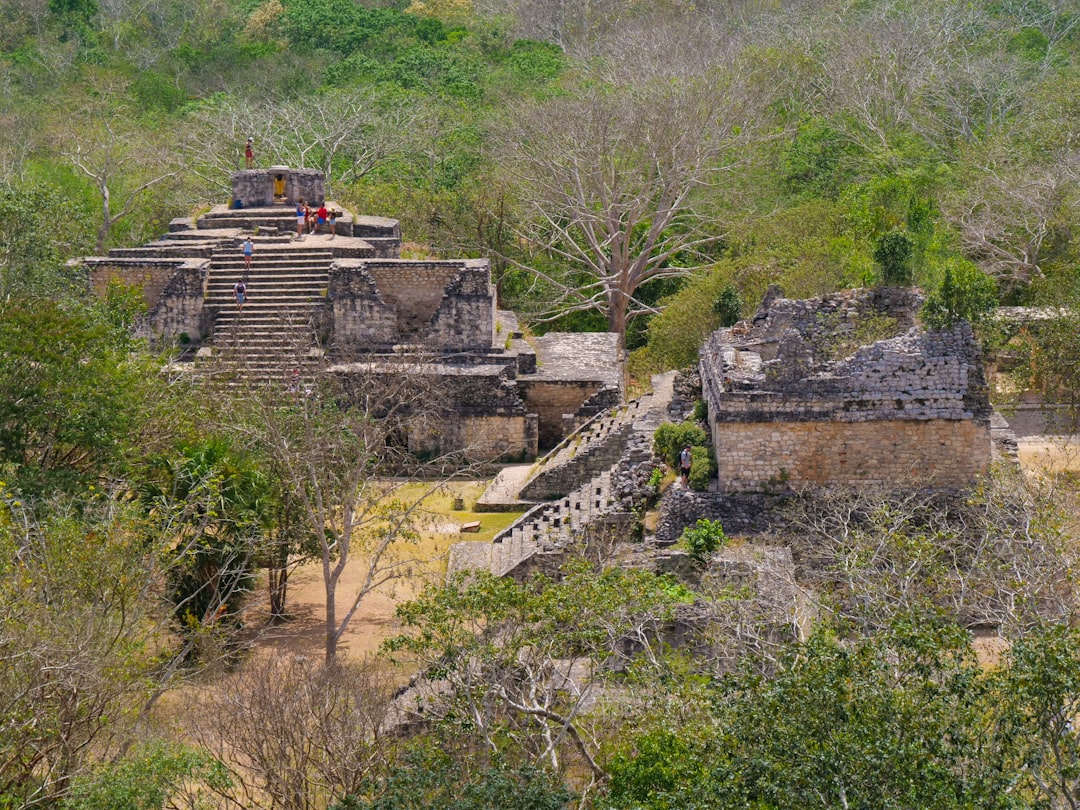
The Maya civilization, a sophisticated and complex society that flourished in Mesoamerica, presents a fascinating historical parallel when considered alongside the concept of “European Phantom Time.” While vastly different in origin and scope, the examination of these two subjects allows for an exploration of historical narratives, evidence interpretation, and the potential for what might be termed “historical anomalies” or misinterpretations within established timelines. This article aims to compare and contrast the Maya civilization, a tangible and extensively studied historical entity, with the theoretical framework of European Phantom Time, a controversial hypothesis that suggests a deliberate falsification of early medieval European history.
The Maya civilization, not a singular empire but a collection of independent city-states, thrived for centuries, leaving behind a rich and multifaceted legacy. Their achievements span various domains, from intricate astronomical observations and monumental architecture to a complex writing system.
The Zenith of Maya Power and Culture
The Classic Maya period, roughly from 250 to 900 CE, represents the apex of Maya civilization. During this era, city-states such as Tikal, Calakmul, Palenque, and Copán reached their zenith in terms of population, political influence, and cultural output. These centers were characterized by massive ceremonial complexes, including pyramids, temples, palaces, and ballcourts, demonstrating a high degree of engineering prowess and societal organization. The Maya developed a sophisticated understanding of mathematics, including the concept of zero, and their calendrical systems, such as the Long Count, were remarkably accurate. Their hieroglyphic writing system, one of the most advanced in the pre-Columbian Americas, recorded dynastic histories, religious beliefs, and astronomical events.
The Decline and Disappearance: A Historical Enigma
The collapse of the Classic Maya civilization, beginning in the 9th century CE, remains a subject of ongoing scholarly debate. While the exact causes are not definitively known, a convergence of factors is generally believed to have contributed to the decline of the southern lowland centers. These likely included prolonged droughts, environmental degradation due to intensive agriculture, warfare between city-states, and internal social and political unrest. The abandonment of major urban centers and a significant population decline marked this period, leading to a restructuring of Maya society. Despite this “collapse,” Maya culture did not disappear; rather, it shifted and persisted in other regions, notably in the Yucatán Peninsula, where cities like Chichen Itza and Mayapan continued to flourish.
Evidence and Interpretation: The Pillars of Maya History
Our understanding of the Maya civilization is built upon a foundation of archaeological evidence and the decipherment of their hieroglyphic script. Excavations of Maya sites have yielded a wealth of artifacts, including pottery, jade carvings, stelae (inscribed stone monuments), and architectural remains. The painstaking work of epigraphers, starting with figures like Yuri Knorozov and later building upon their foundations, has unlocked the secrets of Maya writing, allowing for a direct engagement with their historical records. This evidence provides a relatively coherent and consistent narrative of Maya development, from their origins to their interactions with European colonizers.
The exploration of the Maya civilization and its intricate history often leads to fascinating discussions about the European Phantom Time Hypothesis, which suggests that a significant portion of the early Middle Ages may not have occurred as recorded. This hypothesis raises questions about the accuracy of historical timelines, particularly when compared to the advanced achievements of the Maya. For those interested in further exploring the connections between ancient civilizations and historical documentation, a related article titled “Uncovering the Source Documents of the Piri Reis Map” provides intriguing insights into how historical maps can influence our understanding of past cultures. You can read the article here: Uncovering the Source Documents of the Piri Reis Map.
The European Phantom Time Hypothesis: A Challenging Narrative
The concept of European Phantom Time, first proposed by Heribert Illig, posits that approximately 300 years of the early medieval period in European history—specifically, the years 614 to 911 CE—did not actually occur. According to this hypothesis, these years were fabricated, possibly by Emperor Otto III and Pope Sylvester II, to legitimize Otto’s claim to the Holy Roman Empire and to place his reign in the year 1000 CE.
The Core Tenets of the Hypothesis
Illig’s central argument rests on what he perceives as an insufficient amount of historical and archaeological evidence for this interpolated period. He suggests that key historical figures and events attributed to these supposed missing centuries are either lacking in corroboration or can be explained through other means. Furthermore, he points to inconsistencies in dating methods, particularly concerning the Julian calendar, and the relative scarcity of archaeological findings from this specific era in Europe, compared to periods before and after. The hypothesis proposes that this “phantom time” was inserted to create a more seamless and favorable historical progression for the ruling powers of the time.
Reconstructing Early Medieval Europe Without the “Phantom”
If the phantom time hypothesis were accepted, it would necessitate a radical revision of early medieval European history. Events such as the rise of Islam, the Carolingian Renaissance, and the reigns of various European monarchs would need to be re-dated or re-interpreted. The proposed missing centuries would have smoothed out chronological gaps, creating a seemingly continuous lineage of power and influence. This would, in turn, alter our understanding of the development of European states, religious institutions, and cultural trends that emerged during what is currently understood as the period between the fall of the Western Roman Empire and the High Middle Ages.
Critiques and Counterarguments: The Scholarly Consensus
The European Phantom Time hypothesis has been met with widespread skepticism and criticism from mainstream historians and archaeologists. Numerous scholars have challenged Illig’s interpretations of the evidence, pointing to a substantial body of corroborating documentation from various sources. These include Byzantine, Islamic, and Chinese historical records, which provide independent verification of events and timelines that overlap with the purported phantom period. Furthermore, astronomical data, such as observations recorded by Islamic astronomers during what would be the “phantom time,” align with the established chronological framework. Archaeological evidence, while sometimes sparse in certain regions, does exist from the period and generally supports the conventional timeline. Conventional dating methods, including dendrochronology (tree-ring dating) and radiocarbon dating, also consistently support the existing historical chronology.
Comparative Analysis: Evidence and Certainty
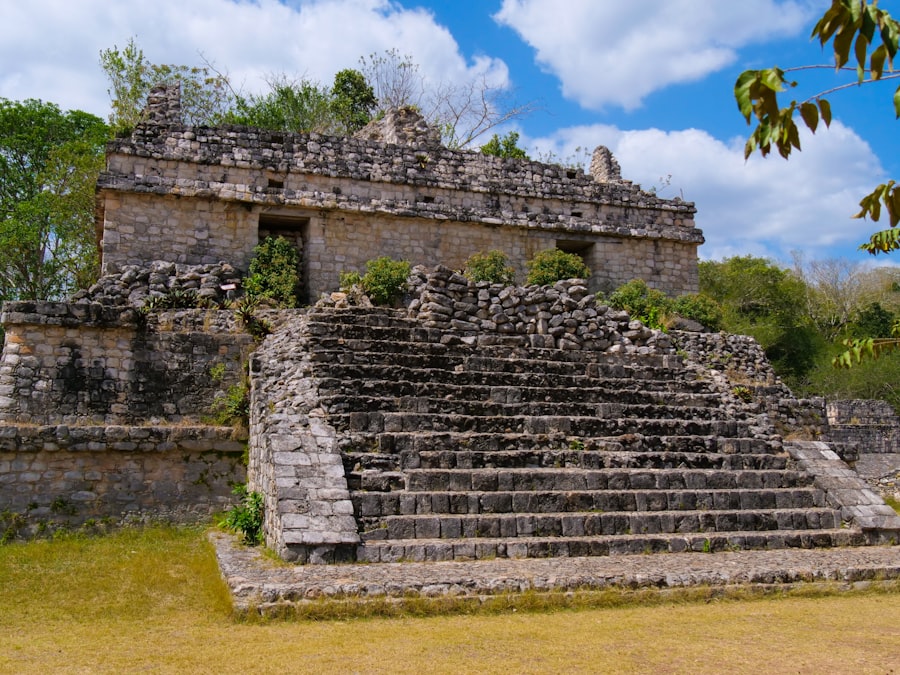
The comparison between the Maya civilization and the European Phantom Time hypothesis highlights fundamental differences in the nature of historical evidence and the processes of historical reconstruction.
Tangible Evidence vs. Hypothetical Gaps
The Maya civilization is a testament to the power of tangible historical evidence. Monumental architecture, intricate artwork, and thousands of inscribed texts provide a rich and verifiable dataset for understanding their civilization. Archaeological excavations consistently unearth new artifacts that corroborate and expand upon existing knowledge. In contrast, the European Phantom Time hypothesis is built upon the absence of evidence or the perceived insufficiency of existing evidence within a specific historical window. It relies on an interpretation of gaps and inconsistencies as deliberate omissions rather than as consequences of historical processes like decay, destruction, or the inherent limitations of archaeological preservation.
Scholarly Consensus and the Weight of Proof
The study of the Maya civilization is characterized by a broad and robust scholarly consensus. While debates exist regarding specific interpretations and the nuances of Maya history, the fundamental existence and chronology of the civilization are not in question. This consensus is built upon decades of multidisciplinary research and the collective scrutiny of evidence by numerous experts. The European Phantom Time hypothesis, however, exists at the fringes of historical inquiry. It lacks significant endorsement from established scholarly bodies and is generally considered a fringe theory due to the overwhelming counter-evidence and critiques it has faced. The burden of proof rests heavily on those proposing such a radical revision of accepted history, and the phantom time hypothesis has not met that standard.
Methodological Rigor: Archaeological and Historical Practices
The study of the Maya civilization employs well-established archaeological and historical methodologies. Careful excavation techniques, stratigraphic analysis, artifact typology, and the systematic decipherment of written sources are all part of the rigorous process. These methods are designed to build a reliable understanding of the past. The phantom time hypothesis, on the other hand, often relies on selective interpretation of evidence and a dismissal of established dating technologies and cross-cultural corroboration. Its methodology prioritizes identifying perceived anomalies within the existing timeline without offering a comprehensive and verifiable alternative framework that is consistent with a wide array of independent data.
The Nature of Historical Revisionism
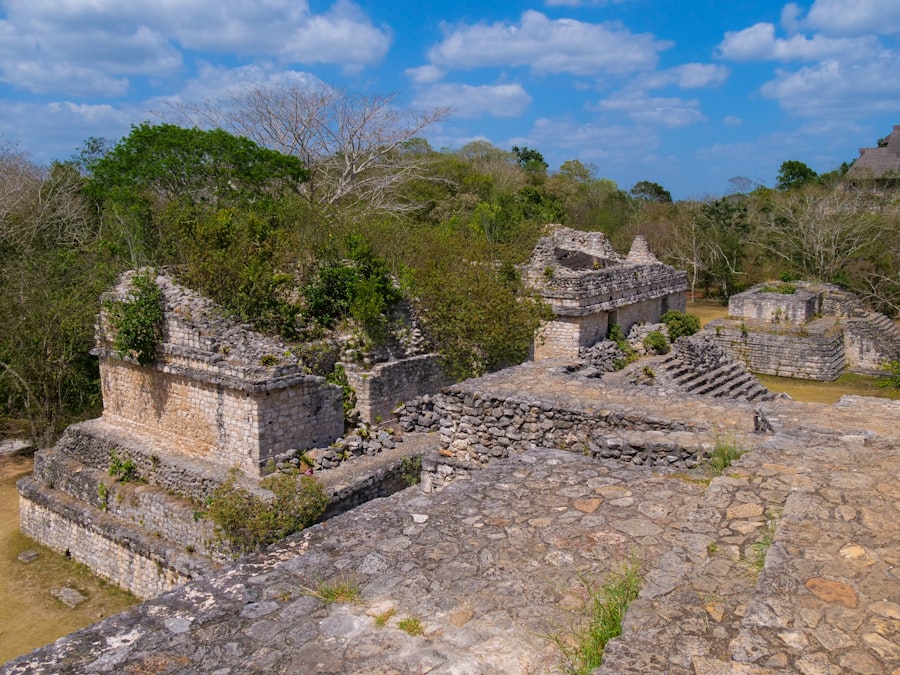
The European Phantom Time hypothesis, despite its lack of mainstream acceptance, serves as an interesting case study in the nature of historical revisionism and the challenges inherent in reconstructing the past.
Reinterpretation vs. Fabrication
Historical revisionism, in its most legitimate form, involves re-examining existing evidence and established narratives in light of new discoveries or analytical approaches. This can lead to a refinement or alteration of historical understanding. The study of the Maya civilization itself has undergone significant revision over time, particularly with the breakthroughs in deciphering their script, which has refined and sometimes corrected earlier interpretations. The phantom time hypothesis, however, moves beyond reinterpretation to suggest deliberate fabrication on a grand scale, proposing that vast swathes of historical record were invented. This is a fundamentally different claim, requiring an extraordinary level of proof.
The Appeal of Grand Narratives and Conspiracy Theories
The enduring appeal of certain radical historical theories, including the phantom time hypothesis, often lies in their ability to offer seemingly simple solutions to complex historical puzzles or to challenge established authority. These narratives can appeal to a desire for hidden truths or a sense of intellectual rebellion against perceived orthodoxy. However, the historical process is rarely as straightforward as the construction of a grand conspiracy. It is a complex interplay of individual actions, societal forces, and the often-unpredictable nature of evidence survival.
The Importance of Skepticism and Evidence-Based Inquiry
While healthy skepticism is a vital component of historical inquiry, it must be grounded in evidence and rigorous methodology. The comparison between the Maya civilization’s well-documented past and the speculative nature of the phantom time hypothesis underscores the importance of relying on the weight of verifiable evidence. The Maya story, as pieced together through archaeology and epigraphy, stands as a robust testament to human ingenuity and societal development, built upon a foundation of tangible artifacts and deciphered texts. The phantom time hypothesis, conversely, attempts to dismantle established timelines based on perceived omissions, a much more precarious edifice.
The fascinating comparison between the Maya civilization and the concept of European phantom time reveals intriguing insights into historical narratives and cultural development. While the Maya were known for their advanced knowledge in astronomy and mathematics, the phantom time hypothesis suggests that certain periods of European history may have been fabricated or misinterpreted. For a deeper understanding of how historical events shape our present, you can explore this related article on economic strategies that emphasize the importance of historical context in shaping modern policies. Check it out here.
Conclusion: Delineating History and Speculation
| Metrics | Maya Civilization | European Phantom Time |
|---|---|---|
| Time Period | Pre-Columbian era (2000 BC – 1697 AD) | 6th to 10th centuries AD |
| Calendar System | Maya Long Count calendar | Julian calendar |
| Technological Advancements | Advanced in astronomy, mathematics, and architecture | Development of feudalism and manorialism |
| Historical Impact | Flourished as a complex civilization with monumental architecture and cultural achievements | Debate among historians and scholars regarding the existence of a phantom time in European history |
The Maya civilization offers a compelling example of a complex society whose history has been meticulously reconstructed through rigorous scholarly endeavor. Its achievements and its eventual transformation are informed by a wealth of tangible evidence, from towering pyramids to intricate glyptic inscriptions. The interpretation of this evidence, while subject to ongoing refinement, has led to a widely accepted and coherent historical narrative.
The European Phantom Time hypothesis, in stark contrast, represents a speculative framework that proposes the deliberate omission of significant historical periods. Its arguments are based on the perceived lack of evidence and alleged inconsistencies within established chronological frameworks. However, these arguments have been consistently challenged by the global historical and archaeological communities, which have presented substantial counter-evidence and refuted the methodology employed.
Ultimately, the comparison highlights the critical distinction between empirically supported historical reconstruction and theories that rely on the assertion of widespread forgery or omission. The Maya civilization, with its concrete remnants and deciphered records, firmly occupies the realm of historically verifiable fact. The European Phantom Time hypothesis, by its very nature and the prevailing scholarly consensus, resides in the domain of speculation, lacking the empirical anchor necessary for its widespread acceptance as historical truth. The enduring legacy of the Maya stands as a powerful testament to the diligent work of historians and archaeologists in uncovering and understanding the past, a process rooted in evidence and reasoned interpretation.
FAQs
What is the Maya civilization?
The Maya civilization was a Mesoamerican civilization known for its advanced knowledge of mathematics, astronomy, and architecture. It existed in present-day Mexico, Guatemala, Belize, Honduras, and El Salvador.
What is the European Phantom Time hypothesis?
The European Phantom Time hypothesis is a theory proposed by Heribert Illig that suggests a conspiracy to fabricate the existence of 297 years (AD 614-911) in the early Middle Ages. According to this theory, these years were added to the calendar by the Holy Roman Emperor Otto III and Pope Sylvester II.
How do the Maya civilization and the European Phantom Time hypothesis relate?
The Maya civilization and the European Phantom Time hypothesis are unrelated topics. The Maya civilization existed in Mesoamerica, while the European Phantom Time hypothesis pertains to a specific period in European history.
What evidence supports the existence of the Maya civilization?
Archaeological evidence, including monumental architecture, inscriptions, and artwork, supports the existence of the Maya civilization. Additionally, the decipherment of Maya hieroglyphic writing has provided valuable insights into their history and culture.
Is there scientific consensus on the European Phantom Time hypothesis?
The European Phantom Time hypothesis is not widely accepted by mainstream historians and scholars. The majority of experts in the field of medieval history and chronology reject the theory due to lack of credible evidence and its reliance on conspiracy theories.