
The Bermuda Triangle, a vast expanse of the western North Atlantic Ocean, has long captivated the public imagination, not for its pristine beaches or vibrant marine life, but for its baffling history of disappearances. This loosely defined region, generally understood to encompass the area between Bermuda, Miami, and San Juan, Puerto Rico, has been associated with the unexplained vanishing of numerous aircraft and vessels. While official investigations and scientific explanations offer logical conclusions for many of these incidents, a persistent undercurrent of mystery and speculation continues to surround the area. This disquiet arises from the sheer volume of incidents, the seemingly sudden nature of some disappearances, and the recurring themes that echo in anecdotal accounts. The geopolitical implications of this enduring enigma are often overlooked, but the Bermuda Triangle’s mystique has influenced national security considerations, international maritime and aviation regulations, and even the economic development of surrounding regions, albeit in indirect ways.
The notion of the Bermuda Triangle as a locus of paranormal activity is not a recent phenomenon. It has evolved over decades, fueled by sensationalized reporting and speculative literature. Early accounts of unexplained losses in the region were often attributed to mundane causes, but as more incidents accumulated, a pattern began to emerge in the popular consciousness.
The Genesis of the “Triangle” Legend
The term “Bermuda Triangle” itself was popularized much later than the initial incidents it purports to describe. While earlier writers alluded to strange happenings, the distinct geographical area demarcated by the three points only gained traction in the mid-20th century.
The Role of Early Aviation and Maritime Disasters
The dawn of powered flight and the continued reliance on sea travel in the early to mid-20th century provided fertile ground for reporting on accidents. The Bermuda Triangle, situated along busy shipping lanes and flight paths connecting North America to the Caribbean and South America, unfortunately saw its share of these tragedies.
Vincent Gaddis and the Coining of the Term
It was Vincent Gaddis, writing in a 1964 issue of Argosy magazine, who is widely credited with popularizing the term “Bermuda Triangle” and framing the disappearances within a single, mysterious phenomenon. His article, “The Deadly Bermuda Triangle,” brought together a collection of disparate incidents and presented them as evidence of something beyond conventional explanation.
Notable Early Disappearances
Several high-profile disappearances predated the formal coining of the term but have since been incorporated into the Bermuda Triangle lore, solidifying its mystique in the public mind.
The USS Cyclops Incident (1918)
The disappearance of the USS Cyclops, a US Navy collier carrying over 300 personnel, remains one of the most significant maritime losses in US naval history. It vanished without a trace en route from Barbados to Baltimore in March 1918. No distress signal was received, and despite extensive searches, no wreckage was ever found. This incident, occurring well before the “Triangle” was a named concept, nevertheless became a cornerstone of its legend.
The Flight of the Seven of the First World War (1919)
A squadron of four US Navy flying boats, en route from Newfoundland to Panama, encountered what was described as an unexpected storm. One of the planes, the NC-4, managed to reach its destination, but the other three, carrying a total of 14 crewmen, were lost. The disappearance of the leader plane, the NC-1, was particularly puzzling as it was last seen in what were described as relatively calm conditions.
In exploring the intricate dynamics of global politics, the article “The Rise of Failed Government States” on Real Lore and Order delves into the complexities surrounding geopolitical mysteries that arise from state failure. This piece examines how the collapse of governmental structures can lead to increased instability, power vacuums, and the emergence of non-state actors, ultimately reshaping regional and global alliances. For a deeper understanding of these pressing issues, you can read the full article here: The Rise of Failed Government States.
Explanations and Counterarguments: Deconstructing the Mystery
While the romantic notion of paranormal activity or unknown forces persists, the overwhelming majority of dismissals and their underlying explanations are rooted in scientific and logical reasoning. Skeptics and investigators have consistently sought to demystify the Bermuda Triangle by attributing its losses to discoverable causes.
Environmental Factors and Natural Phenomena
The geographical location and meteorological characteristics of the Bermuda Triangle’s waters present a number of plausible explanations for navigational hazards and accidents.
Gulf Stream Currents
The powerful and often turbulent Gulf Stream, a warm ocean current that flows through the region, is a significant factor. Its strong currents and unpredictable eddies can swiftly carry debris away from a crash site, making wreckage recovery exceedingly difficult.
Sudden and Severe Weather Patterns
The western Atlantic is known for its susceptibility to rapid and violent weather changes. Tropical storms and hurricanes are common in the region, and even localized, intense thunderstorms can develop with little warning, posing extreme danger to aircraft and vessels.
Rogue Waves
The possibility of rogue waves, exceptionally large and sudden waves that can appear without the accompanying conditions of a major storm, has also been posited. These monstrous waves can overwhelm even large ships, leading to their rapid submersion.
Human Error and Mechanical Failure
The most frequently cited causes for maritime and aerial accidents globally are human error and mechanical malfunction. The Bermuda Triangle is no exception.
Navigational Challenges
Historical navigation was inherently more prone to error than modern GPS-reliant systems. In challenging weather or low visibility, miscalculations or equipment failure could lead vessels and aircraft astray, into dangerous territory or simply off course.
Inexperienced Crews and Pilots
The era in which many of the early incidents occurred saw a wider spectrum of experience among flight and ship crews. Inexperience, combined with challenging conditions, could lead to critical mistakes.
Equipment Malfunctions and Structural Failures
Aircraft and ships, like any complex machinery, are susceptible to mechanical breakdowns. Engine failures, structural fissures, and instrument malfunctions have historically contributed to many accidents, irrespective of location.
The Role of Methane Hydrates (A Less Accepted Theory)
One scientifically plausible but less universally accepted theory involves methane hydrates.
Submarine Gas Eruptions
This theory suggests that large deposits of methane hydrates on the ocean floor could, under certain conditions, release vast quantities of methane gas. The sudden upwelling of this gas could potentially reduce the density of the water, causing ships to lose buoyancy and sink rapidly. Furthermore, the released gas could ignite, leading to explosions that could destabilize or destroy aircraft. However, evidence for such large-scale, sudden eruptions being responsible for actual disappearances remains largely theoretical.
Geopolitical Implications: National Security and International Law
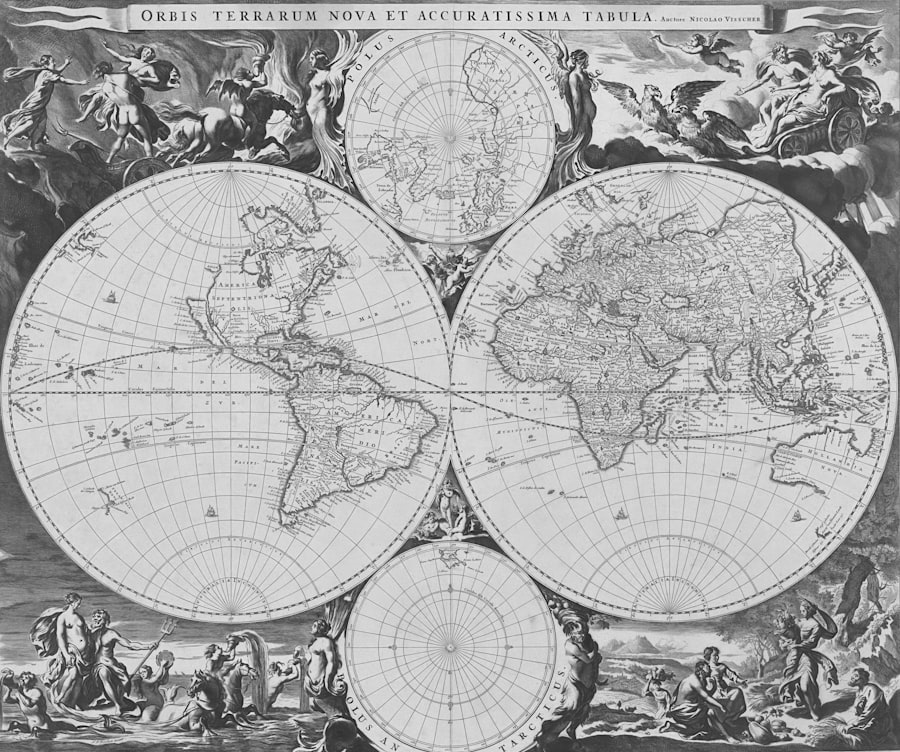
While the Bermuda Triangle may not be the site of overt geopolitical conflict, its enduring mystique has had subtle but tangible impacts on national security considerations, international regulations, and the economic landscape of the surrounding regions.
Maritime and Aviation Safety Regulations
The persistence of unexplained losses, even if largely attributed to mundane causes, has undoubtedly influenced the development and enforcement of safety protocols in international waters and airspace.
Increased Surveillance and Rescue Capabilities
The notoriety of the region has likely spurred greater investment in search and rescue (SAR) operations by the nations bordering the Triangle. This includes enhanced radar systems, aerial reconnaissance, and more robust maritime patrol capabilities. The perception of risk, regardless of its quantifiable veracity, can drive proactive safety measures.
International Cooperation in Search and Rescue
Disappearances in international waters necessitate cooperation between multiple nations. The Bermuda Triangle’s geographic location, straddling the territories of the United States, the Bahamas, and other Caribbean nations, requires coordinated SAR efforts, fostering a degree of intergovernmental collaboration.
Air Traffic Control and Maritime Traffic Management
While not explicitly designed for the Bermuda Triangle, advancements in air traffic control (ATC) and Vessel Traffic Services (VTS) are global in scope but have been bolstered by the lessons learned from accidents worldwide, including those documented within the Triangle’s lore. This includes improved communication protocols, real-time tracking, and emergency response procedures.
National Security Concerns and Intelligence Gathering
The possibility of hostile activity, though rarely the primary explanation, has historically been a consideration in the context of the Bermuda Triangle.
Early Military Concerns
During times of heightened global tension, particularly during the Cold War, unexplained disappearances, even if later attributed to natural causes, could spark intelligence concerns. The potential for covert enemy action, even in a remote area, would have prompted vigilance.
Secure Transit Routes
The primary shipping lanes and air corridors passing through the Bermuda Triangle are vital for global trade and military deployments. Ensuring the security and reliability of these routes is a perpetual national security interest for the nations involved, making any disruption, or perceived disruption, a matter of concern.
Economic Impact and Tourism
The mystique surrounding the Bermuda Triangle has, paradoxically, also become an economic asset for the region, primarily through tourism and the associated industries.
The “Mystery” as a Tourist Draw
The allure of the unexplained draws many tourists to the islands and coastal areas within or adjacent to the Bermuda Triangle. This includes cruise ship excursions, specialized tours, and an entire genre of literature and media dedicated to the area’s enigma.
Local Economies and Infrastructure
The influx of tourists supports local economies, creating jobs in hospitality, transportation, and leisure industries. The development of infrastructure to support this tourism, such as airports, ports, and hotels, is a direct consequence of the area’s notoriety.
Media Portrayal and Public Perception

The persistent image of the Bermuda Triangle as an inexplicable phenomenon is largely a product of prolific media coverage, which has often prioritized sensationalism over factual reporting.
The Rise of Sensationalist Literature
Following Gaddis’s initial article, a wave of books and articles emerged that amplified the mystery, often adding speculative embellishments and perpetuating unsubstantiated theories.
Authors and Their Narratives
Writers like Charles Berlitz, with his bestselling book “The Bermuda Triangle,” played a significant role in cementing the legend in popular consciousness. Their narratives often lacked rigorous factual verification, relying more on dramatic storytelling.
Repetition and Reinforcement of Myths
The continuous retelling of the same disappearances, often with increasingly fantastical interpretations, has created a self-perpetuating cycle of myth. Each new account reinforces the belief in an extraordinary force at play.
Documentaries and Fictional Adaptations
The Bermuda Triangle’s mystique has also been a popular subject for documentaries, television shows, and even fictional film adaptations, further embedding the enigma in the cultural zeitgeist.
Visualizing the Unexplained
Documentaries often employ dramatic reenactments and interviews with alleged witnesses or researchers, visually recreating the sense of mystery and danger associated with the region, even when evidence is scarce.
The Blurring of Fact and Fiction
These adaptations, while entertaining, frequently blur the lines between documented fact and speculative fiction, leading the public to accept sensationalized narratives as historical accounts.
In exploring the intricate dynamics of global power shifts, one cannot overlook the significance of demographic trends in shaping economic landscapes. A compelling article on this topic can be found at Real Lore and Order, which delves into Mexico’s demographic edge and its potential labor advantage in the context of geopolitical mysteries. Understanding these factors is crucial for grasping how nations position themselves in an ever-evolving international arena.
Scientific Scrutiny and Official Stances
| Geopolitical Mystery | Location | Year | Status |
|---|---|---|---|
| The Bermuda Triangle | North Atlantic Ocean | 20th century | Unsolved |
| The Dyatlov Pass Incident | Ural Mountains, Russia | 1959 | Unsolved |
| The Lost City of Atlantis | Atlantic Ocean | 360 BC | Unsolved |
| The Roanoke Colony Disappearance | North Carolina, USA | 1587 | Unsolved |
Despite the enduring popular fascination, scientific bodies and official investigative agencies have consistently offered rational explanations for the incidents attributed to the Bermuda Triangle.
Maritime and Aviation Accident Investigations
Official investigations into disappearances are conducted by governmental agencies, such as the National Transportation Safety Board (NTSB) in the United States and similar bodies in other nations.
Focus on Evidence and Data
These investigations meticulously gather and analyze all available evidence, including wreckage, flight recorders (black boxes), weather data, and witness testimonies. Their conclusions are based on established principles of physics, engineering, and meteorology.
Attribution to Known Causes
Consistently, accident reports attribute disappearances to factors such as severe weather, mechanical failure, human error, or a combination thereof. The absence of extraterrestrial intervention or supernatural forces is a common thread.
Debunking the “Mystery”
Numerous researchers and organizations have actively worked to debunk the more sensational claims surrounding the Bermuda Triangle.
Statistical Analysis of Disappearances
Skeptics point out that the number of accidents in the Bermuda Triangle is not statistically higher than in other heavily trafficked areas of the ocean when accounting for the volume of air and sea traffic.
Re-evaluation of Past Incidents
Many previously attributed “mysterious” disappearances have, upon closer examination, been found to have plausible explanations that were overlooked or deliberately ignored by sensationalist writers. For instance, wreckage has sometimes been found years later, or survivors have recounted events that clearly indicated natural causes.
Organizations Dedicated to Skepticism
Groups like the Committee for Skeptical Inquiry (CSI) have systematically investigated and debunked many claims of paranormal phenomena, including those associated with the Bermuda Triangle, providing analytical and evidence-based counterarguments.
The intricate dynamics of the global automotive industry often reveal deeper geopolitical mysteries, particularly in regions like Mexico where economic growth is closely tied to international trade agreements. A recent article highlights how the Mexican auto industry is poised for significant expansion by 2025, shedding light on the factors driving this growth and its implications for regional stability. For more insights on this topic, you can read the full article here. Understanding these developments can provide a clearer picture of the geopolitical landscape and the interconnectedness of global markets.
The Enduring Allure of the Unknown
Despite the preponderance of scientific explanations and the debunking of sensationalist claims, the Bermuda Triangle continues to hold a powerful place in the public imagination. This resilience of myth speaks to deeper human desires and societal fascinations.
The Human Fascination with the Unknown
The human psyche is inherently drawn to mystery. The idea of an unexplained phenomenon, a place where the rules of the natural world seem to bend, taps into a primal curiosity and a romantic apprehension of the unknown.
The Appeal of the Sublime
The vastness and power of the ocean, combined with the idea of forces beyond human comprehension at work within it, appeals to the concept of the sublime – something that evokes awe mixed with terror.
The Desire for Narrative Closure
While the allure of the unknown is strong, there is also a desire for narrative closure. The Bermuda Triangle offers a perceived “answer” – an extraordinary cause for tragic events – that can be more satisfying to some than the mundane, albeit tragic, reality of accidents and human fallibility.
The Role of Collective Memory and Cultural Mythmaking
The Bermuda Triangle has transcended mere statistics to become a cultural touchstone, a modern myth woven into the fabric of popular culture.
Intergenerational Transmission of Stories
The stories of disappearances are passed down through generations, amplified by media and retold, solidifying their place in collective memory.
The Bermuda Triangle as a Modern Legend
In the absence of concrete evidence for the supernatural, the Bermuda Triangle functions as a modern legend, a testament to our enduring fascination with the unexplained and our capacity for storytelling in the face of mortality. It serves as a reminder that even in an age of scientific advancement, some mysteries continue to resonate, not through factual evidence, but through the persistent power of human imagination.
FAQs
What is Real Lore and Order Geopolitical Mysteries?
Real Lore and Order Geopolitical Mysteries is a series of articles that delve into the real-life geopolitical mysteries and historical events that have shaped the world we live in today. The articles aim to uncover the hidden truths behind these events and provide a deeper understanding of their impact on global politics.
What kind of mysteries are covered in Real Lore and Order Geopolitical Mysteries?
The series covers a wide range of mysteries, including unsolved political assassinations, covert operations, espionage, and geopolitical conflicts. These mysteries often involve complex and secretive political maneuvers that have had far-reaching consequences.
How does Real Lore and Order Geopolitical Mysteries approach these topics?
Real Lore and Order Geopolitical Mysteries takes a factual and evidence-based approach to exploring these mysteries. The articles draw on historical records, declassified documents, and expert analysis to provide a comprehensive and accurate account of the events in question.
What can readers expect to gain from reading Real Lore and Order Geopolitical Mysteries?
Readers can expect to gain a deeper understanding of the historical events and geopolitical dynamics that have shaped the modern world. The series aims to shed light on the hidden truths behind these mysteries and provide insight into the complex web of international relations.
Where can I find Real Lore and Order Geopolitical Mysteries articles?
Real Lore and Order Geopolitical Mysteries articles are available on the official website of the publication, as well as on various online platforms and social media channels. Readers can access the articles to uncover the fascinating and often enigmatic world of geopolitical mysteries.