
As we embark on this journey through our past, we find ourselves reflecting on the intricate tapestry of our lives, woven together by memories, experiences, and relationships. Each thread tells a story, some vibrant and colorful, while others may be frayed or dark. Our childhood, in particular, serves as the foundation upon which we build our identities.
It is a time filled with innocence, wonder, and discovery, but also one marked by challenges and complexities that shape who we become. In this exploration, we will delve into our early memories, family dynamics, and the impact of our experiences on our development. We will also examine the coping mechanisms we employed to navigate the tumultuous waters of childhood and how education and community support played pivotal roles in our growth.
As we reflect on these themes, we recognize that our stories are not just ours alone; they resonate with many who have walked similar paths. By sharing our experiences, we hope to shed light on the universal aspects of childhood that connect us all. Through this narrative, we aim to uncover the lessons learned along the way and the transformative power of healing and forgiveness.
Ultimately, we seek to inspire others to embrace their journeys and find strength in their struggles.
Key Takeaways
- Childhood memories shape our development
- Family dynamics can have both positive and negative impacts
- Coping mechanisms are essential for navigating challenges
- Education and community support play a crucial role in overcoming adversity
- Healing and growth come from embracing the journey and practicing forgiveness
Early Memories: What I Remember from Childhood
When we think back to our childhood, a kaleidoscope of memories floods our minds—some vivid and clear, while others are hazy and fragmented. We remember the laughter of friends during carefree summer days spent playing outside, the warmth of the sun on our skin as we chased after fireflies at dusk. Those moments were filled with a sense of freedom and joy that seemed boundless.
We can still hear the echoes of our laughter mingling with the sounds of nature, creating a symphony of innocence that defined our early years. Yet, alongside these joyful recollections lie memories that are more difficult to confront. We recall moments of fear and uncertainty, times when we felt lost or alone.
Perhaps it was a family argument that pierced the tranquility of our home or a moment of rejection from peers that left us feeling isolated. These experiences shaped our understanding of the world and ourselves, teaching us lessons about vulnerability and resilience. As we sift through these memories, we begin to see how they have influenced our perspectives and relationships in profound ways.
Family Dynamics: The Good, the Bad, and the Ugly
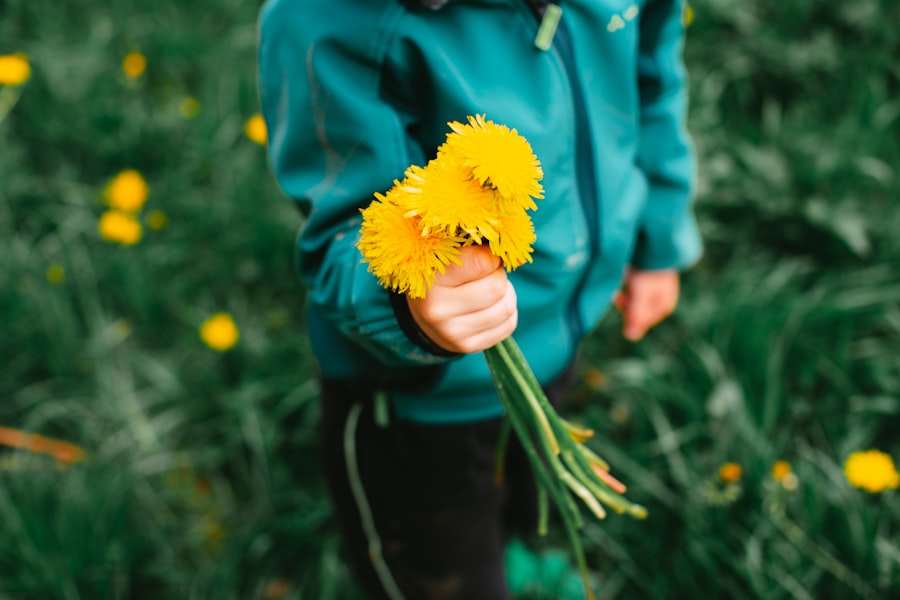
Our family dynamics played a crucial role in shaping our childhood experiences. Like many families, ours was a complex blend of love, conflict, support, and struggle. We remember the warmth of family gatherings filled with laughter and shared stories, where bonds were strengthened over meals and traditions passed down through generations.
These moments created a sense of belonging that anchored us amidst life’s uncertainties. However, not all memories are painted with such warmth. We also experienced the darker sides of family life—the arguments that erupted over seemingly trivial matters, the misunderstandings that led to hurt feelings, and the silence that often followed conflict.
These moments taught us about the fragility of relationships and the importance of communication. We learned that love could coexist with pain and that healing often required confronting uncomfortable truths. As we navigated these dynamics, we began to understand the complexities of human relationships and the necessity of empathy in fostering connection.
Impact of Childhood Experiences on My Development
| Childhood Experience | Impact on My Development |
|---|---|
| Family Environment | Positive family environment contributed to my emotional stability and sense of security. |
| Educational Opportunities | Access to quality education helped in shaping my intellectual abilities and critical thinking skills. |
| Peer Relationships | Positive peer relationships fostered my social skills and ability to collaborate with others. |
| Traumatic Events | Exposure to traumatic events had a negative impact on my mental health and emotional well-being. |
| Community Support | Strong community support provided me with a sense of belonging and resilience. |
The experiences we encountered during childhood left indelible marks on our development. Each moment—whether joyful or painful—contributed to the formation of our identities and worldviews. We began to recognize patterns in our behavior and thought processes that stemmed from these early experiences.
For instance, moments of encouragement from family members instilled a sense of confidence in us, while instances of criticism or neglect fostered self-doubt. As we grew older, we found ourselves grappling with the weight of these experiences. The lessons learned in childhood often resurfaced in our adult lives, influencing how we approached relationships, work, and personal challenges.
We became acutely aware of how unresolved issues from our past could manifest in various aspects of our lives, prompting us to seek understanding and healing. This realization marked a turning point in our journey—a recognition that while our past shaped us, it did not have to define us.
Coping Mechanisms: How I Navigated the Challenges
In navigating the challenges of childhood, we developed various coping mechanisms—some healthy and others less so. We learned to adapt to our environment in ways that allowed us to survive emotionally and psychologically. For instance, we might have turned to creativity as an outlet for expression, channeling our feelings into art or writing as a means of processing our experiences.
This creative expression became a sanctuary where we could explore our emotions without judgment. Conversely, we also recognized that some coping strategies were not conducive to long-term well-being. We may have resorted to avoidance or denial as a way to escape uncomfortable feelings or situations.
These patterns often led to further complications down the line, as unresolved issues lingered beneath the surface. Acknowledging these coping mechanisms became essential in our journey toward healing; it allowed us to confront the ways in which we had been navigating life and prompted us to seek healthier alternatives.
The Role of Education and Community Support

Education emerged as a powerful tool in our development—a means through which we could expand our horizons and gain new perspectives. School provided not only academic knowledge but also opportunities for social interaction and personal growth. We remember teachers who believed in us, who saw potential where we sometimes saw none.
Their encouragement ignited a passion for learning that would carry us through challenges and inspire us to pursue our dreams. Community support also played a vital role in shaping our experiences. Whether through friendships formed in school or connections made in extracurricular activities, we found solace in shared interests and mutual understanding.
These relationships provided a sense of belonging that countered feelings of isolation during difficult times.
Insights Gained Through Self-Reflection
As we reflect on our journey thus far, we recognize the importance of self-reflection in gaining insights into our lives. Taking time to examine our thoughts, feelings, and behaviors has allowed us to uncover patterns that may have gone unnoticed for years. Through journaling or quiet contemplation, we have been able to process our experiences more deeply and understand how they have shaped us.
This introspective journey has revealed both strengths and weaknesses within ourselves. We have come to appreciate our resilience—the ability to rise above challenges—and acknowledge areas where growth is still needed. By embracing self-reflection as a tool for personal development, we have empowered ourselves to make conscious choices about how we want to move forward in life.
Breaking the Cycle: How I Overcame Adversity
Breaking free from cycles of adversity has been a significant theme in our lives. We recognized early on that certain patterns—whether inherited from family dynamics or learned through experience—could perpetuate negative outcomes if left unaddressed. Determined not to repeat past mistakes, we sought ways to break these cycles and create healthier narratives for ourselves.
This journey required courage and vulnerability as we confronted uncomfortable truths about ourselves and our pasts. We sought therapy or counseling as a means of gaining insight into our behaviors and thought patterns.
By actively choosing to break free from harmful cycles, we began to forge new paths—ones filled with hope and possibility.
Healing and Growth: Embracing the Journey
Healing is not a linear process; it is often messy and unpredictable. Yet, as we embraced this journey, we discovered that growth often emerges from discomfort. We learned to sit with our feelings rather than avoid them—to acknowledge pain as part of the human experience rather than something to be feared or shunned.
Through practices such as mindfulness and self-compassion, we cultivated a deeper understanding of ourselves and our needs. We began to celebrate small victories along the way—moments when we chose kindness over criticism or when we reached out for support instead of isolating ourselves. Each step forward became a testament to our resilience and commitment to personal growth.
The Power of Forgiveness and Letting Go
Forgiveness emerged as a powerful theme in our healing journey—a gift we learned to give not only to others but also to ourselves. We realized that holding onto grudges or past hurts only served to weigh us down; it hindered our ability to move forward with grace and peace. By choosing forgiveness, we liberated ourselves from the shackles of resentment.
Letting go was not always easy; it required deep introspection and an honest examination of our feelings. Yet as we practiced forgiveness—both for those who had wronged us and for ourselves—we found a sense of freedom that allowed us to embrace life more fully. This act of releasing negativity opened space for joy, love, and new possibilities.
Lessons Learned and Moving Forward
As we reflect on this journey through childhood and beyond, we recognize that each experience has imparted valuable lessons that continue to guide us today. We have learned about resilience—the ability to rise after falling—and the importance of seeking support when needed. We understand that vulnerability is not a weakness but rather a strength that fosters connection with others.
Moving forward, we carry these lessons with us as beacons of hope and guidance. We are committed to nurturing healthy relationships, practicing self-compassion, and embracing growth as an ongoing process rather than a destination. Our past may have shaped us, but it does not define us; instead, it serves as a foundation upon which we build brighter futures filled with possibility.
In sharing this narrative, we hope to inspire others on their journeys—reminding them that healing is possible and growth is attainable. Together, let us continue to embrace our stories with courage and compassion as we navigate the complexities of life hand in hand.
Reflecting on the truth about one’s childhood often involves unraveling a tapestry of memories, emotions, and experiences that shape who we become. An insightful article that delves into the complexities of childhood and its lasting impact can be found on Real Lore and Order. This piece explores the intricate dynamics of family, environment, and personal growth, offering a nuanced perspective on how our early years influence our adult lives. For a deeper understanding, you can read more about these themes in the article available at Real Lore and Order.
WATCH THIS! Your Childhood Memories Are Completely Wrong
FAQs
What is the significance of childhood in a person’s life?
Childhood is a crucial stage of development that shapes a person’s future. It is a time when fundamental skills, values, and beliefs are formed, and it greatly influences an individual’s emotional, social, and cognitive development.
How does childhood experiences impact adulthood?
Childhood experiences have a significant impact on adulthood. Positive experiences can lead to better mental health, higher self-esteem, and healthier relationships, while negative experiences can result in long-term emotional and psychological challenges.
What are some common misconceptions about childhood?
One common misconception is that childhood experiences have no lasting impact on a person’s life. In reality, childhood experiences can have a profound and lasting effect on an individual’s development and well-being.
How can adults address and heal from negative childhood experiences?
Seeking therapy, building a strong support network, and practicing self-care are important steps for adults to address and heal from negative childhood experiences. It’s also important to acknowledge and process the impact of these experiences on one’s life.
What role do parents and caregivers play in shaping a child’s childhood experiences?
Parents and caregivers play a crucial role in shaping a child’s childhood experiences. They provide the foundation for a child’s emotional and psychological development, and their actions and behaviors greatly influence the child’s well-being.