- The Looming Silence: How Trucking Disruptions Ripple Through the Global Economy
The backbone of modern commerce is often unseen, humming along in the background of our daily lives. This invisible infrastructure, the intricate network of supply chains, relies heavily on one of its most fundamental components: commercial trucks. From the bustling ports where goods arrive to the distant warehouses and finally to the shelves of our local retailers, trucks are the arteries that keep goods flowing. However, when these vital arteries constrict or, in the worst-case scenario, cease to pulse, the impact on supply chains is profound, far-reaching, and often catastrophic. This exploration delves into the multifaceted consequences that arise when trucks stop delivering, examining the intricate web of economic and societal disruptions that follow.
Trucking is not merely a mode of transportation; it is a critical linchpin in the complex machinery of global supply chains. Its flexibility, accessibility, and sheer ubiquity make it indispensable for the final mile delivery of an astonishing array of products. Understanding this inherent interconnectedness is crucial to grasping the severity of any disruption.
The Foundation of the “Just-In-Time” Model
The prevalence of “just-in-time” (JIT) manufacturing and inventory management has, over decades, dramatically increased efficiency and reduced waste for many industries. This model, however, hinges on the predictability and reliability of inbound and outbound logistics. Trucks play a pivotal role in JIT systems by ensuring that raw materials, components, and finished goods arrive exactly when and where they are needed, minimizing the need for large stockpiles.
How JIT Crumbles Without Trucks
When trucking operations falter, the JIT model begins to unravel rapidly. Manufacturers may find themselves without essential parts for their assembly lines, halting production. Retailers, expecting timely replenishment, face empty shelves, leading to lost sales and customer dissatisfaction. The delicate balance of JIT, so effective in ideal conditions, proves incredibly fragile when the primary delivery mechanism is compromised.
The Last Mile: The Crucial Final Leg
While large container ships and freight trains move goods across vast distances, it is often trucks that handle the critical “last mile” of delivery. This includes transporting goods from ports, distribution centers, and rail hubs to their final destinations, whether that be a factory, a store, or a consumer’s doorstep. The efficiency and punctuality of the last mile are paramount for customer satisfaction and business operations.
The Bottleneck Effect of Last Mile Disruptions
Any significant interruption to last-mile trucking immediately creates bottlenecks. Even if goods are available at a port or a regional distribution center, their inability to reach their intended recipients can paralyze entire sectors. This creates a domino effect, where disruptions at the end of the supply chain propagate backward, impacting all upstream activities.
The Economic Multiplier Effect
The trucking industry itself employs millions of people and supports numerous ancillary businesses, from truck repair shops to fuel stations and logistics software providers. The economic impact of a trucking shutdown extends far beyond the direct cost of delayed or lost goods. A widespread disruption can lead to widespread job losses and economic stagnation throughout the transportation sector and related industries.
The Ripple of Job Losses
When trucks aren’t moving, drivers are idled. This leads to immediate income loss for individuals and families. Beyond drivers, mechanics, dispatchers, warehouse staff, and administrative personnel in the trucking and logistics sector can also face layoffs. This reduction in consumer spending further exacerbates economic slowdowns in affected regions.
- The Immediate Consequences: Empty Shelves and Stalled Production
When the steady stream of truck deliveries dries up, the most visible and immediate impact is felt by businesses and consumers alike. The frictionless access to goods that many have come to expect is abruptly halted, revealing the underlying fragility of modern consumption patterns.
When trucks stop delivering goods, the ripple effects can be felt across various sectors, leading to supply chain disruptions and shortages. This situation highlights the importance of logistics and transportation in our modern economy. For a deeper understanding of how innovations from ancient civilizations can inform our current challenges, you can explore the article on ancient technologies and their relevance today at Uncovering Ancient Tech: Lost Civilizations’ Innovations.
The Erosion of Retail Availability
Retailers, from large department stores to small independent shops, depend on a constant inflow of inventory to meet customer demand. When trucks stop delivering, this inflow perishes, leading to a rapid depletion of stock.
The Visual of Empty Aisles
The most striking visual manifestation of a trucking disruption is the progressive emptiness of supermarket shelves, pharmacy aisles, and retail floors. Essential goods, such as food, medicine, and household supplies, are often the first to disappear, leading to panic buying and further exacerbating shortages.
The Psychology of Scarcity
The sight of empty shelves can trigger a psychological response in consumers, leading to increased anxiety and a desire to hoard available goods. This fear-driven behavior can outpace genuine need, creating artificial demand and making it even harder for essential services to secure supplies once deliveries resume.
Impact on Perishable Goods
Perishable items, such as fresh produce, dairy products, and meats, are particularly vulnerable. These goods have a limited shelf life, and delays in delivery can lead to spoilage and significant financial losses for both producers and retailers.
The Spoilage Cascade
When trucking stops, produce loaded onto trucks may never reach its destination or may spend days languishing in transit, far from refrigeration. This leads to a cascade of spoilage, not only of the immediate shipment but also of future planned deliveries as available goods are wasted.
The Paralysis of Manufacturing and Industry
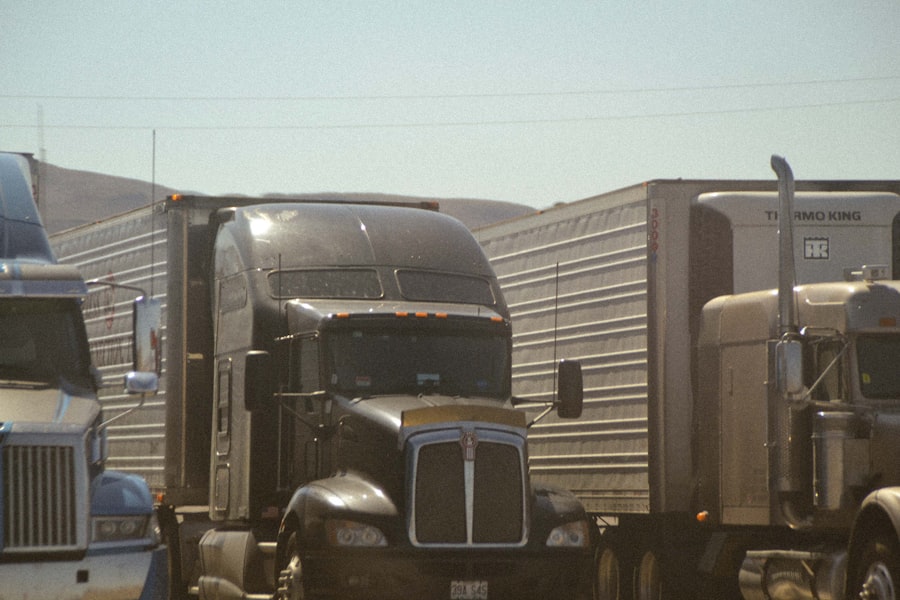
Beyond retail, manufacturing and industrial sectors are equally susceptible to trucking disruptions. The reliance on timely delivery of raw materials, components, and intermediate goods is critical for production lines.
Production Line Stoppages
Factories operate on precise schedules. If a truck carrying a crucial component or raw material fails to arrive, the entire production line can grind to a halt. This results in idle machinery, wasted labor, and significant financial losses due to lost production time.
The Cost of Downtime
Downtime in manufacturing is incredibly expensive. Beyond the lost revenue from unproduced goods, factories incur costs for idle workers, fixed overheads, and potential penalties for delayed customer orders or contracts. Re-starting a complex production line after a prolonged shutdown can also be a time-consuming and costly process.
Disruption to Business-to-Business (B2B) Services
Many industries operate on B2B transactions where trucks are the primary delivery vehicle. This includes the delivery of machinery, office supplies, construction materials, and specialized equipment. A halt in trucking can cripple these services, impacting the operations of countless other businesses.
The Chain Reaction in B2B
A construction company that cannot receive concrete or lumber is unable to proceed with its projects. An office that cannot receive printer paper or IT equipment suffers immediate operational setbacks. These disruptions cascade through the economy as businesses that rely on these B2B deliveries are themselves impacted.
- The Economic Fallout: Inflation, Lost Revenue, and Business Closures
The immediate consequences of trucking disruptions, while severe, are often precursors to a deeper and more sustained economic fallout. The longer the disruptions persist, the more profound and damaging the economic repercussions become.
The Fueling of Inflationary Pressures
When the supply of goods is constrained by transportation challenges, prices inevitably begin to rise. This is a fundamental principle of supply and demand.
Increased Transportation Costs Passed On
When trucking services are scarce or disrupted, the cost of available transportation skyrockets. Freight rates surge as demand outstrips supply. These increased costs are then passed on by producers and retailers to consumers, contributing significantly to inflation.
The “Cost-Push” Inflation Mechanism
Disruptions to trucking exemplify “cost-push” inflation. The cost of essential inputs (transportation) increases, forcing businesses to raise their prices to maintain profit margins, even if consumer demand remains stable. This can lead to a vicious cycle where wages may rise to compensate for inflation, further increasing business costs.
Scarcity-Driven Price Hikes
Beyond direct transportation costs, the simple unavailability of certain goods due to delivery issues leads to price increases. As consumers compete for limited stock, retailers can command higher prices, further driving up inflationary pressures across the economy.
When trucks stop delivering goods, the ripple effects can be felt across various sectors, leading to shortages and economic disruptions. A related article discusses the challenges faced by small island developing states in maintaining resilience in the face of supply chain disruptions. This insightful piece highlights how these regions adapt to logistical challenges and ensure the continuity of essential services. For more information on this topic, you can read the article on resilience in small island developing states here.
The Devastation of Lost Revenue and Market Share
| Impact | Metrics |
|---|---|
| Food shortage | Decrease in food supply, increase in prices |
| Medicine shortage | Decrease in medicine supply, impact on healthcare |
| Economic impact | Loss of revenue, impact on businesses |
| Supply chain disruption | Delay in production, impact on manufacturing |
For businesses, extended periods without reliable delivery translate directly into lost sales and erosion of market position.
Direct Sales Losses
When shelves are empty, customers cannot buy. This is the most straightforward impact. Even if demand exists, the inability to stock products means a direct loss of revenue. For many businesses, particularly those with tight margins, sustained revenue loss can be fatal.
The “Lost Sale” Phenomenon
A lost sale isn’t just a single transaction missed. It can mean a customer switches to a competitor and doesn’t return. This loss of customer loyalty and market share can have long-term consequences, making it harder for businesses to recover even after supply chains stabilize.
The Threat of Business Closures
For small and medium-sized enterprises (SMEs) with less financial resilience, prolonged periods of disruption can be insurmountable. The inability to generate revenue, coupled with ongoing fixed costs, can force businesses to close their doors permanently.
The “Too Small to Survive” Effect
Larger corporations may have greater financial reserves to weather storms, but smaller businesses often operate on thinner margins. A prolonged period of interrupted sales and mounting bills can quickly lead to insolvency and bankruptcy, removing these businesses from the economic landscape.
When trucks stop delivering, the ripple effects can be felt across various sectors, leading to shortages and increased prices for essential goods. This situation can create a significant strain on supply chains, affecting everything from grocery stores to manufacturing industries. For a deeper understanding of how historical economic systems have influenced modern supply challenges, you might find it interesting to explore this article on uncovering ancient debt peonage systems. It provides valuable insights into how past economic practices can inform our current understanding of supply chain disruptions.
The Decline in Consumer Confidence and Spending
The economic impact extends to consumer behavior. When people struggle to find essential goods and see prices rising, their confidence in the economy diminishes.
Reduced Disposable Income
Inflationary pressures mean that consumers’ disposable income effectively shrinks. Even if their wages remain constant, the cost of essential goods increases, leaving less money for discretionary spending.
The “Belt-Tightening” Effect
As consumers face uncertainty and rising costs, they tend to cut back on non-essential purchases. This reduced consumer spending further slows economic growth, creating a negative feedback loop.
- The Broader Societal Impacts: Health, Security, and Essential Services
The consequences of trucks stopping deliveries extend far beyond the immediate economic sphere, impacting fundamental aspects of societal well-being, including public health, national security, and the delivery of essential services.
The Threats to Public Health and Safety
Many critical goods, from pharmaceuticals to medical equipment, rely on timely and secure transportation. Disruptions can have life-threatening implications.
Pharmaceutical and Medical Supply Shortages
The consistent availability of medications, vaccines, and medical supplies is paramount for public health. When trucking falters, these vital shipments can be delayed or halted, leading to critical shortages in hospitals, pharmacies, and clinics.
The Impact on Chronic Illness Management
Patients with chronic conditions, such as diabetes or heart disease, require regular access to their medications. Delays can lead to dangerous health consequences, increasing hospital admissions and overall healthcare burdens.
Food Insecurity and Nutrition
While supermarkets may be the most visible indicator, the disruption to food supply chains also affects feeding programs, school lunch services, and the availability of nutritious food for vulnerable populations.
The Disproportionate Impact on Marginalized Communities
Communities that are already food insecure or reliant on subsidized food programs are often the hardest hit by supply chain disruptions. Stockouts and inflated prices can lead to severe nutritional deficits and increased health problems within these groups.
The Compromise of National Security and Emergency Preparedness
The ability to move essential resources, both civilian and military, is a cornerstone of national security and effective emergency response.
Military Logistics and Readiness
Military operations, training exercises, and deployment readiness depend on the unhindered movement of equipment, supplies, and personnel. Trucking is a fundamental component of this logistical framework.
The Vulnerability of Strategic Stockpiles
Strategic reserves of fuel, food, and other critical materials need to be accessible. Disruptions to transportation networks can impede the replenishment or deployment of these vital resources when they are most needed.
Emergency Response Capability
In the event of natural disasters, pandemics, or other national emergencies, the ability to rapidly deploy aid, equipment, and personnel is essential. Trucks are often the primary means of delivering these critical resources to affected areas.
The Diluted Effectiveness of Aid
If aid trucks cannot reach disaster zones due to transportation failures, the effectiveness of relief efforts is severely diminished. This can lead to prolonged suffering and increased loss of life.
The Strain on Essential Infrastructure and Utilities
Even sectors like energy and waste management rely on the punctual delivery of fuels, chemicals, and replacement parts, all transported by trucks.
Fuel and Energy Supply Disruptions
Refineries produce fuel, but it’s trucks that deliver it to gas stations and power plants. Disruptions can lead to fuel shortages, impacting transportation, heating, and electricity generation.
The Cascading Effect on Utilities
A lack of fuel for power plants can lead to rolling blackouts. A lack of chemicals for water treatment plants can compromise public water supplies. These are just a few examples of how trucking failures can impact essential utilities.
Waste Management and Sanitation Issues
Sanitation services, including garbage collection and the transport of hazardous waste, also rely on trucks. Prolonged disruptions can lead to the accumulation of waste, posing public health risks and environmental hazards.
The Unseen Yet Critical Role of Waste Removal
While often overlooked, the efficient removal of waste is crucial for public health and the functioning of urban environments. Disruptions to this service can quickly lead to unsanitary conditions and the spread of disease.
- Building Resilience: Strategies to Mitigate Future Trucking Disruptions
The recurring nature of supply chain disruptions, including those affecting trucking, necessitates a proactive approach to building resilience. Rather than simply reacting to crises, businesses and governments must implement robust strategies to anticipate, withstand, and recover from future challenges.
Diversification of Transportation and Logistics Networks
Over-reliance on a single mode of transportation or a limited number of carriers creates inherent vulnerabilities.
Exploring Multimodal Solutions
Businesses should actively explore and integrate multimodal transportation options, such as rail, air, and water freight, alongside trucking. This diversification reduces dependence on any one sector.
The Synergy of Different Transport Modes
While trucks are essential for the final mile, rail can be more efficient for long-haul freight, and air cargo offers speed for high-value or time-sensitive goods. Developing integrated logistics strategies that leverage the strengths of each mode can create a more robust system.
Regionalization and Nearshoring
Reducing the length and complexity of supply chains through regionalization or nearshoring manufacturing can lessen the reliance on long-distance trucking and international shipping.
Shorter Leashes, Faster Recovery
When production is closer to consumption, supply chains are inherently shorter and more manageable. This reduces the number of potential disruption points and allows for quicker responses to localized issues.
Enhancing Supply Chain Visibility and Data Analytics
A clear and real-time understanding of goods in transit and inventory levels is crucial for effective decision-making during disruptions.
Implementation of Advanced Tracking Technologies
Leveraging technologies like GPS, RFID, and IoT sensors provides granular visibility into the location and condition of goods as they move through the supply chain.
From Guesswork to Forewarning
Real-time data allows for early detection of potential delays or disruptions, enabling businesses to pivot strategies, reroute shipments, or notify affected stakeholders proactively.
Predictive Analytics for Risk Assessment
Utilizing data analytics to identify patterns and predict potential risks, such as weather events, labor disputes, or infrastructure failures that could impact trucking, allows for preemptive planning.
Anticipating the Storm, Not Just Surviving It
By analyzing historical data and current trends, businesses can build predictive models to forecast the likelihood and potential impact of various disruption scenarios, allowing for better preparedness.
Investing in Technology and Infrastructure Upgrades
Modernizing the transportation infrastructure and embracing technological advancements can significantly improve efficiency and resilience.
Smart Roadways and Digital Infrastructure
Investing in smart road technologies, automated traffic management systems, and improved digital communication networks can enhance the flow of goods and streamline logistics.
The Future of Freight Movement
From autonomous trucking trials to intelligent route optimization, technological advancements promise to make freight movement more efficient, predictable, and less susceptible to human-induced delays.
Supporting Trucker Workforce Development and Retention
The trucking industry faces ongoing challenges with driver shortages. Addressing these issues is critical for maintaining the integrity of the supply chain.
Valuing the Backbone of Logistics
Investing in driver training programs, improving working conditions, and offering competitive compensation are essential to attracting and retaining a skilled and available trucking workforce.
Collaboration and Information Sharing Between Stakeholders
No single entity can solve the complex challenges of supply chain resilience alone. Collaboration is key.
Public-Private Partnerships
Governments and private sector companies must work together to identify critical infrastructure needs, develop contingency plans, and share information during crises.
A United Front Against Disruption
Coordinated efforts between regulatory bodies, transportation providers, manufacturers, and retailers can create a more unified and effective response to systemic disruptions.
Industry-Wide Information Hubs
Establishing platforms for sharing real-time information about road conditions, port congestion, and potential disruptions across the industry can benefit all participants.
Collective Intelligence for a Shared Challenge
When information flows freely and accurately, the entire ecosystem becomes more agile and adaptable, better equipped to navigate the complexities of modern supply chains.

The Black Layer That Shouldn’t Exist
FAQs
What are the immediate effects of trucks stopping deliveries?
Trucks stopping deliveries can lead to shortages of essential goods such as food, fuel, and medical supplies. This can disrupt supply chains and lead to panic buying and hoarding.
How does stopping truck deliveries impact the economy?
Stopping truck deliveries can have a significant impact on the economy, leading to decreased production, job losses, and reduced consumer spending. It can also disrupt international trade and lead to higher prices for goods.
What are the potential consequences for businesses if truck deliveries cease?
Businesses may face challenges in receiving raw materials and shipping finished products, leading to production delays and decreased revenue. Small businesses may be particularly vulnerable to the effects of disrupted truck deliveries.
How does stopping truck deliveries affect transportation and logistics?
Stopping truck deliveries can lead to congestion at ports, warehouses, and distribution centers as goods pile up. It can also strain other modes of transportation as they try to compensate for the lack of truck deliveries.
What are the long-term effects of a prolonged halt in truck deliveries?
A prolonged halt in truck deliveries can lead to long-term disruptions in supply chains, increased transportation costs, and changes in consumer behavior. It can also impact the availability of goods and services, leading to potential social and political ramifications.