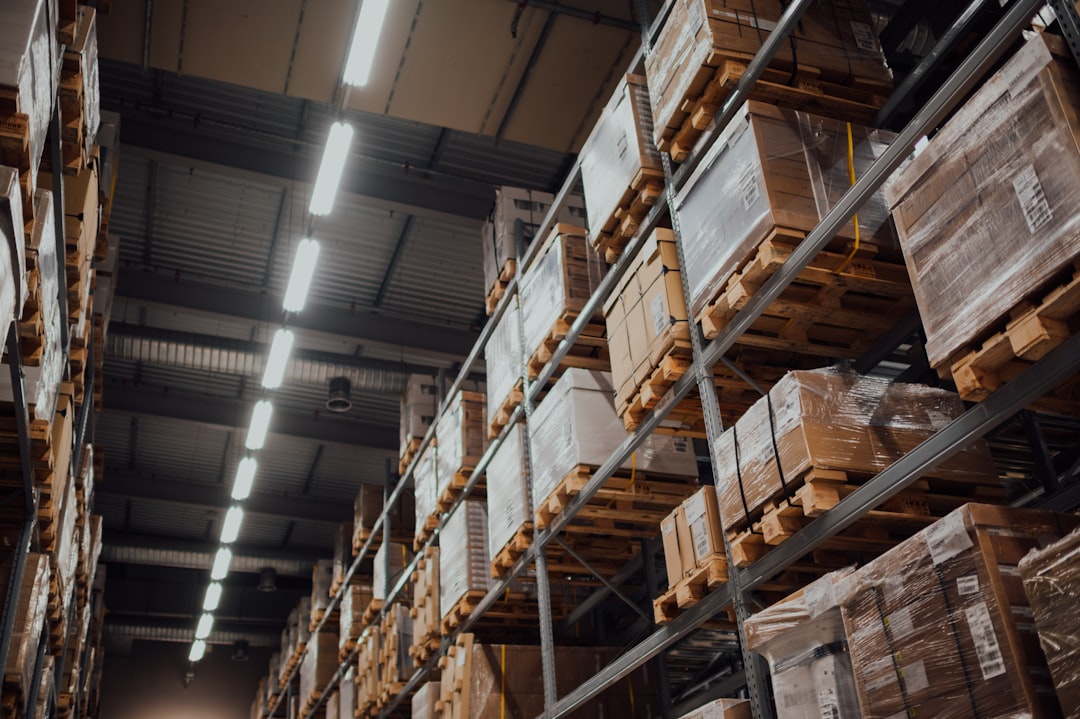
Warehouses, to the untrained eye, might appear as mere colossal storage units, vast caverns filled with goods awaiting distribution. This perception, however, fundamentally misunderstands their true purpose and the intricate choreography required to transform them from static holding zones into dynamic engines of commerce. The distinction between a warehouse and a stockpile lies not in the quantity of goods present, but in the intelligence and efficiency with which those goods are managed. At its core, effective inventory management transforms a warehouse from a passive repository into an active participant in the supply chain, directly impacting cost-effectiveness, customer satisfaction, and overall business profitability. This listicle delves into why warehouses are far more than simple stockpiles, emphasizing the critical importance of efficient inventory management.
The common, albeit inaccurate, notion of a warehouse as a stockpile often stems from viewing it purely as a place to keep things. This simplistic perspective overlooks the vital flows of goods, information, and resources that define a modern warehouse. A stockpile, by definition, implies a large quantity of something accumulated, often for future use without a precise schedule or immediate demand. Warehouses, in contrast, are designed for a more sophisticated purpose: to facilitate the movement of goods, optimize storage for accessibility, and support various logistical functions.
1.1. Defining “Stockpile” vs. “Warehouse”
A stockpile is characterized by its passive nature. It’s a collection of items, often gathered in anticipation of scarcity or future, albeit undefined, needs. Think of a soldier’s ammunition stockpile or a farmer’s grain silo. The primary objective is sheer accumulation. A warehouse, however, is an active operational facility. It’s a hub where inbound goods are received, inspected, stored, picked, packed, and dispatched. Its purpose is intrinsically linked to the flow of goods within a supply chain, requiring processes, technology, and skilled personnel to operate efficiently. The distinction is akin to comparing a parked car to a car in motion.
1.2. The Illusion of “Just in Case” Storage
Many businesses, particularly those new to complex supply chains, operate under a “just in case” mentality. This leads them to believe that holding vast quantities of every product is a safety net against potential shortages. While a certain level of safety stock is indeed necessary, an excessive reliance on this strategy can transform a warehouse into an inefficient, costly stockpile. This approach ignores the significant carrying costs associated with holding inventory, such as storage space, insurance, handling, and the risk of obsolescence or damage. The “just in case” approach can quickly become the “just in time” for financial problems if not managed effectively.
1.3. The Opportunity Cost of Idle Inventory
When inventory sits idle in a warehouse, it represents a significant opportunity cost. The capital tied up in that inventory could be invested elsewhere, generating returns, funding research and development, or improving operational efficiencies. Furthermore, valuable warehouse space that could be utilized for fast-moving items or value-added services is instead occupied by stagnant stock. This highlights how a warehouse treated as a stockpile actively hinders rather than helps business growth by immobilizing resources and capital.
Warehouses play a crucial role in supply chain management, serving as dynamic hubs for inventory rather than mere stockpiles. This distinction is essential for understanding how modern logistics operate efficiently. For a deeper exploration of the importance of managing resources effectively, you can refer to the article on Piri Reis and ice sheet mass balance, which highlights the significance of maintaining equilibrium in resource management. You can read it here: Piri Reis and Ice Sheet Mass Balance.
2. The Pillars of Efficient Inventory Management
Efficient inventory management is the strategic framework that elevates a warehouse from a mere stockpile to a crucial operational asset. It involves a sophisticated understanding of demand forecasting, procurement, storage optimization, and order fulfillment. This multifaceted approach ensures that the right products are in the right place at the right time, minimizing waste and maximizing profitability.
2.1. Demand Forecasting: The Compass for Inventory Flow
Accurate demand forecasting is the bedrock of efficient inventory management. Without a clear understanding of anticipated customer needs, any attempt at optimization is akin to navigating without a compass. Sophisticated forecasting models, leveraging historical sales data, market trends, promotional activities, and even external factors like economic indicators, allow businesses to predict demand with greater precision. This, in turn, informs procurement decisions, ensuring that inventory levels are aligned with actual requirements, rather than simply being a speculative accumulation.
2.2. Procurement Strategies: Balancing Cost and Availability
Effective procurement is about more than just finding the cheapest supplier. It involves developing strategies that balance the cost of goods with the need for consistent availability. This includes negotiating favorable terms with suppliers, establishing reliable relationships, and considering lead times. For instance, a “lean” procurement strategy aims to minimize inventory by receiving goods only as they are needed, requiring tight coordination with suppliers and often involving smaller, more frequent deliveries. Conversely, strategic bulk purchasing might be employed for high-volume, low-variability items where storage costs are manageable and discounts are significant.
2.3. Inventory Control Techniques: Precision in Practice
Various inventory control techniques are employed to manage stock levels effectively. These range from simple methods like First-In, First-Out (FIFO) or Last-In, First-Out (LIFO) to more complex systems like Economic Order Quantity (EOQ) and Just-In-Time (JIT). FIFO ensures that older stock is used before newer stock, reducing the risk of obsolescence, particularly for perishable goods. EOQ helps determine the optimal order quantity that minimizes total inventory costs, balancing ordering costs with holding costs. JIT, as mentioned, aims to minimize inventory by receiving goods precisely when they are needed for production or sale.
2.4. Safety Stock Optimization: A Calculated Cushion
While excessive safety stock transforms a warehouse into a stockpile, optimizing this crucial cushion is vital. Safety stock acts as a buffer against unforeseen fluctuations in demand or disruptions in supply. Efficient inventory management involves carefully calculating the ideal level of safety stock based on factors like demand variability, lead time variability, and desired service levels. This prevents stockouts without incurring excessive carrying costs, striking a delicate balance between readiness and efficiency.
3. The Economic Implications of Inefficient Inventory Management
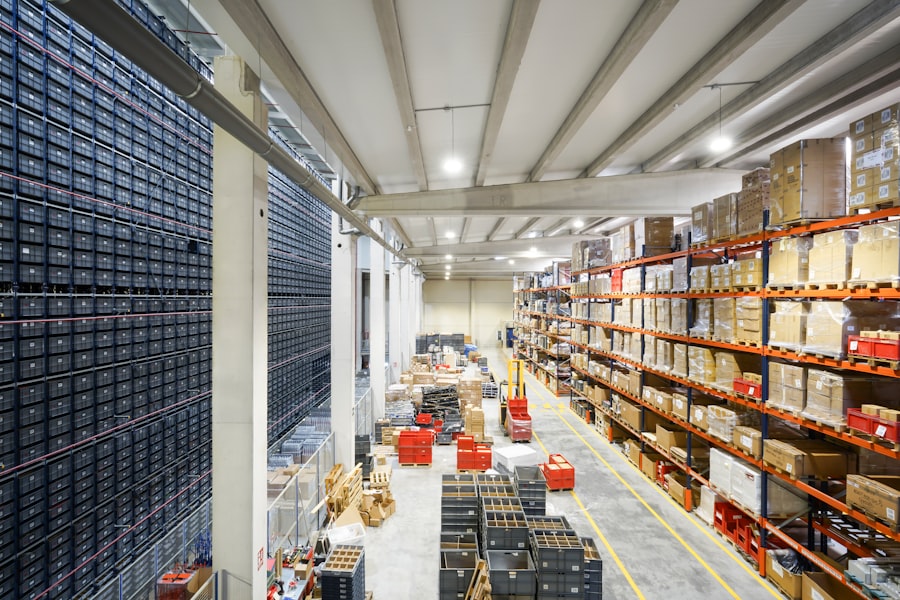
The ramifications of treating a warehouse as a mere stockpile are far-reaching and significantly impact a company’s financial health. The costs associated with holding excess inventory are substantial and often underestimated, directly eroding profitability and hindering growth.
3.1. Carrying Costs: The Hidden Burden of Unsold Goods
Carrying costs, also known as holding costs, represent the total expense of storing inventory. These costs include:
- Storage Space Costs: Rent or mortgage payments for warehouse facilities, utilities (electricity, heating, cooling), maintenance, and property taxes. The larger the stockpile, the higher these costs become.
- Capital Costs: The opportunity cost of money tied up in inventory. This is the return that could have been earned if the capital were invested elsewhere.
- Inventory Service Costs: Insurance premiums and taxes levied on the stored inventory.
- Inventory Risk Costs: Costs associated with obsolescence, spoilage, damage, theft, and price markdowns. The longer inventory sits, the higher the risk of these occurrences.
When a warehouse becomes a colossal stockpile, these carrying costs skyrocket, directly impacting the bottom line and diminishing competitive advantage.
3.2. Obsolescence and Spoilage: The Decay of Value
One of the most significant risks of treating a warehouse as a stockpile is the increased likelihood of inventory becoming obsolete or spoiling. For products with a limited shelf life, such as perishable food items or fashion apparel, holding them for extended periods guarantees losses. Similarly, technological products can quickly become outdated, rendering entire batches of inventory worthless. Efficient inventory management, through techniques like FIFO and accurate demand forecasting, minimizes the time inventory spends in the warehouse, thereby reducing the risk of obsolescence and spoilage.
3.3. Reduced Cash Flow and Investment Opportunities
A large portion of a company’s capital can be locked up in a warehouse functioning as a stockpile. This directly restricts cash flow, making it harder to meet operational expenses, invest in new product development, marketing initiatives, or to seize strategic acquisition opportunities. Efficient inventory management frees up capital, improving liquidity and enabling the business to be more agile and responsive to market changes.
3.4. Increased Handling and Labor Costs
The sheer volume of goods in a warehouse treated as a stockpile often leads to increased handling and labor costs. Moving, counting, and managing vast quantities of items, especially if they are poorly organized, requires more personnel and time. This inefficiency adds to operational expenses and can slow down the order fulfillment process, negatively impacting customer satisfaction.
4. The Operational Advantages of a Functioning Warehouse
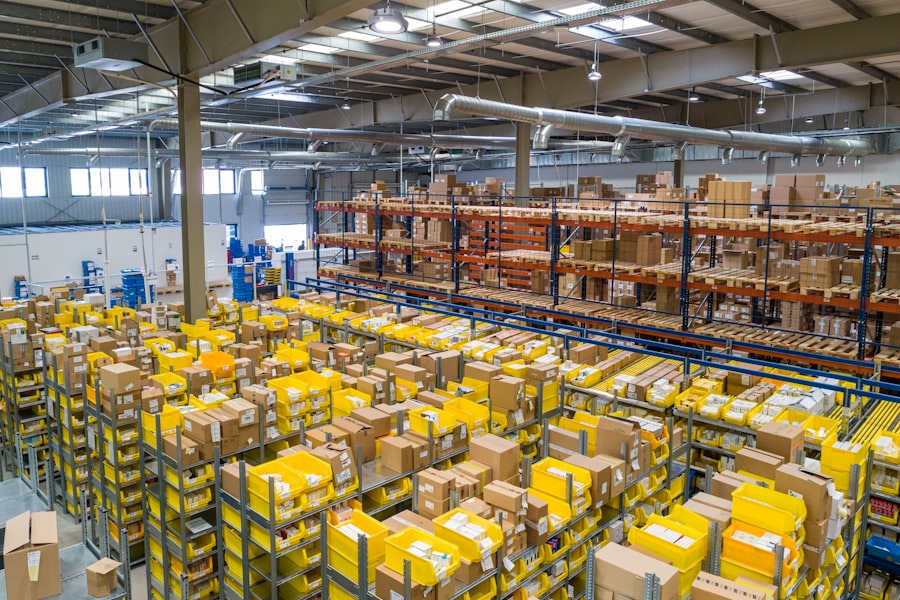
A warehouse that embodies efficient inventory management is far from a passive stockpile; it is a dynamic, integrated component of the supply chain. Its operational advantages contribute directly to a business’s ability to serve its customers effectively and efficiently.
4.1. Enhanced Order Fulfillment Accuracy and Speed
Efficient inventory management systems provide real-time visibility into stock levels, locations, and product status. This granular information is crucial for accurate order picking and packing. When inventory is organized logically and readily accessible, order fulfillment processes are streamlined, leading to faster processing times and a significant reduction in errors. This directly translates to improved customer satisfaction and loyalty.
4.2. Optimized Space Utilization and Reduced Footprint
Instead of being filled with amorphous masses of goods, an efficiently managed warehouse utilizes its space strategically. Inventory is organized by demand velocity, product type, and handling requirements. This optimization ensures that valuable warehouse real estate is used to its full potential, allowing for higher throughput without necessarily expanding the physical footprint. This can lead to significant cost savings by avoiding the need for additional warehousing space.
4.3. Improved Logistics and Transportation Efficiency
Effective inventory management directly influences logistics and transportation planning. By understanding stock levels and anticipated outgoing shipments, businesses can optimize their transportation routes, consolidate shipments, and negotiate better freight rates. Knowing precisely what needs to be moved and when reduces last-minute rushes and expensive expedited shipping, contributing to overall cost savings and a more predictable supply chain.
4.4. Real-time Visibility and Data-Driven Decision Making
Modern inventory management systems, often powered by Warehouse Management Systems (WMS), provide real-time visibility into every aspect of inventory. This data is invaluable for making informed business decisions. Managers can track inventory turnover rates, identify slow-moving items, monitor stockouts, and analyze the effectiveness of different stocking strategies. This data-driven approach allows for continuous improvement and proactive problem-solving, moving away from reactive management of a static stockpile.
Warehouses serve a crucial role in modern supply chains, functioning as dynamic hubs for inventory management rather than mere stockpiles of goods. This distinction is essential for understanding how efficient logistics can enhance productivity and reduce waste. For a deeper exploration of how the management of resources has evolved over time, you might find it interesting to read about the historical context of resource utilization in the article on the destruction of ancient technology found here. By examining past practices, we can better appreciate the sophisticated systems in place today that differentiate warehouses from simple storage facilities.
5. The Strategic Role of Efficient Inventory Management in Business Success
| Reasons | Explanation |
|---|---|
| Limited Space | Warehouses have limited space and are designed for efficient storage and movement of goods, not for long-term stockpiling. |
| Inventory Management | Stockpiling can lead to inventory management issues such as obsolescence, damage, and increased carrying costs. |
| Operational Efficiency | Warehouses are designed to facilitate efficient order fulfillment and distribution, not for hoarding excess inventory. |
| Cost Considerations | Stockpiling in warehouses can lead to increased costs for storage, handling, and security. |
Beyond the immediate economic and operational benefits, efficient inventory management plays a crucial strategic role in a company’s long-term success. It underpins a business’s ability to adapt, innovate, and compete in an increasingly dynamic marketplace.
5.1. Supporting Lean Operations and Agile Supply Chains
Efficient inventory management is a cornerstone of lean methodologies. By minimizing waste, reducing lead times, and eliminating unnecessary inventory, businesses can adopt more agile and responsive supply chains. This agility allows them to pivot quickly to changing customer demands, market trends, or unexpected disruptions, a critical advantage in today’s fast-paced business environment. An agile supply chain is far more resilient than a rigid, stockpile-driven one.
5.2. Enhancing Customer Experience and Loyalty
In an era where customer expectations are higher than ever, efficient inventory management is a direct driver of customer satisfaction. Prompt and accurate order fulfillment, coupled with minimal stockouts, builds trust and loyalty. Customers appreciate receiving their orders on time and as expected, and a well-managed warehouse is fundamental to delivering this consistently. The reverse is also true: an inefficient, stockpile-like warehouse can lead to delays, errors, and ultimately, dissatisfied customers.
5.3. Facilitating New Product Introductions and Expansion
When inventory is managed efficiently, introducing new products becomes a smoother process. Businesses can allocate resources effectively, manage initial stock levels, and ensure that new items are integrated seamlessly into existing operations. Similarly, expanding into new markets or product lines is less daunting when the underlying inventory management system is robust and adaptable. A warehouse that is a well-oiled machine, rather than a disorganized stockpile, can readily accommodate growth and diversification.
5.4. Maintaining Competitive Advantage in a Globalized Market
In a globalized market, where competition can come from anywhere, efficient inventory management is a powerful differentiator. Businesses that can deliver products faster, more reliably, and at a lower cost due to optimized inventory practices gain a significant competitive edge. This efficiency translates into stronger customer relationships, improved profitability, and ultimately, a more sustainable and successful business. The perception of a warehouse as just a large stockpile is a recipe for obsolescence in today’s demanding business landscape.

The Black Layer That Shouldn’t Exist
FAQs
1. What is the difference between a warehouse and a stockpile?
A warehouse is a facility used for storing goods and materials in an organized manner, while a stockpile refers to a large accumulation of items without much organization or management.
2. Why are warehouses not considered stockpiles?
Warehouses are designed to efficiently store and manage inventory, with systems in place for tracking, organizing, and retrieving items. Stockpiles, on the other hand, lack these systems and can lead to inefficiency and waste.
3. What are the benefits of using warehouses over stockpiles?
Warehouses offer better inventory management, improved organization, and easier access to goods. They also provide better protection from damage, theft, and deterioration compared to stockpiles.
4. How do warehouses contribute to supply chain efficiency?
By utilizing warehouses, businesses can better manage inventory levels, reduce lead times, and improve order fulfillment. This ultimately leads to a more efficient and responsive supply chain.
5. What are some common features of warehouses that distinguish them from stockpiles?
Warehouses often have systems for inventory tracking, shelving and racking for organized storage, security measures, and efficient material handling equipment. These features are typically absent in stockpiles.