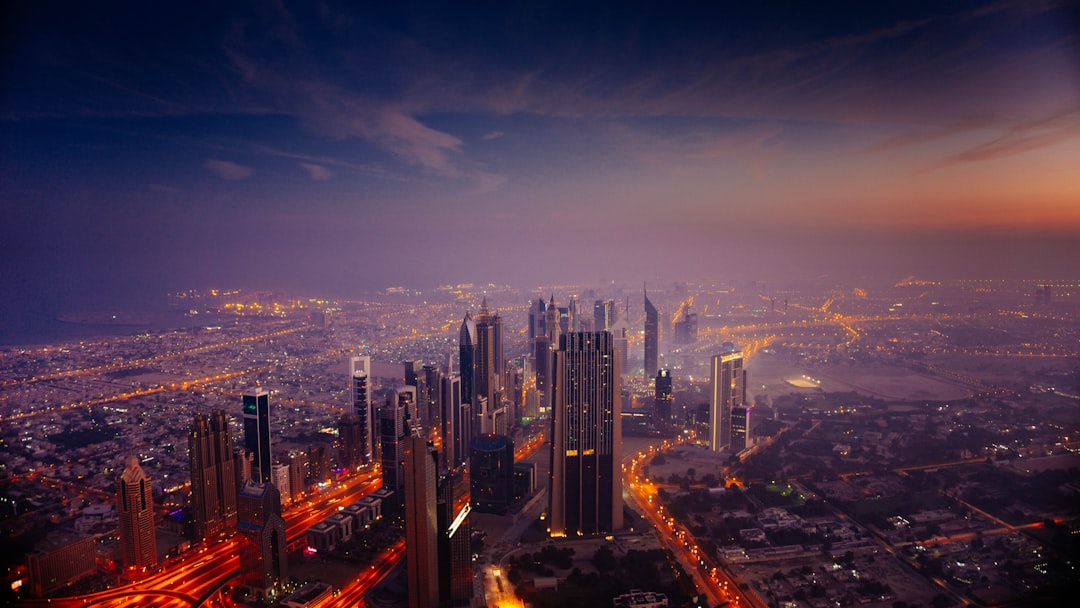
- Cities are magnets for humanity, drawing people and ideas together. But they are also inherently vulnerable. Unlike isolated villages, dense urban centers depend on intricate webs of resources and ideas flowing from beyond their immediate confines. This dependency fosters a unique dynamic: cities don’t just exist; they actively borrow from the wider civilization around them. This borrowing isn’t a sign of weakness, but a testament to their adaptability and their role as engines of progress. Examining this phenomenon reveals the fundamental ways cities are shaped by and contribute to the collective human story.
Cities, by their very nature, concentrate demand and activity. This concentration necessitates the acquisition of resources and goods that the immediate urban environment cannot sustainably produce. Trade, therefore, becomes a cornerstone of urban existence, a constant outward reach for necessities and luxuries alike. Without the ability to import, cities would stagnate, unable to meet the basic needs of their growing populations, let alone foster innovation and prosperity. This economic interdependence extends beyond mere survival; it fuels ambition, specialization, and the very engine of urban growth.
Securing Essential Commodities
The most fundamental reason cities borrow from civilization is to secure essential commodities. This includes everything from food and water to raw materials for construction and manufacturing. Even the most fertile agricultural hinterlands or the richest mineral deposits can only support a finite population and industrial output. To grow and thrive, cities must establish robust trade networks to bring in foodstuffs to feed their inhabitants, water to sustain them, and building materials to house them and create infrastructure.
The Agricultural Nexus
Consider the food supply. Large urban populations cannot be sustained by local farms alone. Cities rely on vast agricultural regions, often situated hundreds or even thousands of miles away, for their sustenance. This necessitates complex logistical chains: transportation (roads, railways, waterways, air cargo), storage, and distribution networks. The quality and diversity of food available in a city are directly proportional to its ability to engage in long-distance trade. Famines can occur not due to a lack of local cultivation, but due to disruptions in these vital trade routes. The prosperity of a city is thus intrinsically linked to the productivity of the agrarian communities it partners with.
Raw Materials for Growth and Industry
Similarly, cities require a constant influx of raw materials. From the stone and timber used in early urban construction to the metals and minerals that fuel modern industry, these resources are rarely found in abundance within city limits. Mining operations, logging industries, and the extraction of other natural resources occur in regions often geographically distant from urban centers. Cities then act as hubs for processing, manufacturing, and distributing these materials, creating finished goods that are then consumed both locally and exported. The industrial revolution, for instance, was powered by the massive import of coal and iron ore, enabling unprecedented urban manufacturing and population growth.
In exploring the concept of how cities borrow civilization, it is fascinating to consider the resilience of ancient urban centers in the face of environmental challenges. A related article that delves into this theme is “Surviving Drought: Life in Ancient Cities,” which examines how these cities adapted to harsh conditions and utilized borrowed knowledge and resources to thrive. You can read more about this intriguing topic by following this link: Surviving Drought: Life in Ancient Cities.
Fostering Specialization and Economic Diversification
Trade allows cities to specialize. Instead of trying to be self-sufficient in every sector, a city can focus on what it does best, whether that’s manufacturing textiles, developing technology, or providing financial services. This specialization leads to greater efficiency and innovation, as expertise deepens and economies of scale are achieved. The surplus generated by these specialized industries can then be traded for other goods and services that the city either cannot produce or can produce less efficiently.
The Power of Comparative Advantage
The concept of comparative advantage is central to this aspect of urban borrowing. A city or region can produce certain goods or services at a lower opportunity cost than others. By focusing on these areas and trading for others, all parties involved can achieve a higher overall level of economic well-being. For example, a city with a skilled workforce and access to advanced technology might specialize in software development, trading its services for agricultural products from a region with fertile land. This exchange benefits both, leading to a more diverse and resilient economy for each.
Creating New Industries and Markets
The act of borrowing also stimulates the creation of new industries and markets. As cities import goods and ideas, they often adapt and improve upon them, leading to indigenous innovations. The demand for imported goods can also spur the development of ancillary industries, such as shipping, customs brokerage, and marketing. Furthermore, the concentration of wealth and population in cities creates attractive markets for a wide array of goods and services, encouraging further external investment and trade.
- Cultural Exchange and the Blending of Identities
Cities are vibrant melting pots of cultures. They are destinations for people from diverse backgrounds, bringing with them their languages, traditions, cuisines, and belief systems. This constant influx and interaction inevitably lead to a rich tapestry of cultural exchange, where ideas are shared, adapted, and transformed. This borrowing is not merely superficial; it shapes the very identity of a city, making it unique and dynamic.
The Fusion of Artistic Expressions
Artistic traditions rarely remain contained within their geographical origins. As individuals migrate and travel, they bring their creative impulses with them, influencing and enriching the artistic landscape of their new homes. This exchange can manifest in a variety of forms, from music and literature to visual arts and architecture. Cities become crucibles where different artistic styles collide, blend, and give rise to entirely new forms of expression.
Musical Harmonies and Rhythms
The global flow of music is a prime example. Genres originating in one part of the world can find new life and interpretations in another. Think of the spread of jazz from New Orleans, its subsequent evolution in Europe and Asia, and the fusion of traditional African rhythms with electronic music. Cities, with their large and diverse populations, are natural incubators for these musical hybrids, hosting venues, festivals, and communities where musicians from different backgrounds can collaborate and experiment. The soundscape of a city is a testament to its cultural borrowing.
Literary Narratives and Storytelling Traditions
Literature also benefits immensely from cross-cultural fertilization. Authors draw inspiration from the stories, myths, and literary techniques of other cultures, enriching their own narratives and expanding the horizons of their readers. The global popularity of anime and manga, for instance, demonstrates how a distinct storytelling tradition can captivate audiences worldwide. Cities are often the centers for publishing houses, literary festivals, and academic institutions that facilitate the study and dissemination of diverse literary works.
Architectural Influences and Urban Design
Architectural styles have always traveled. From the spread of Romanesque and Gothic cathedrals across Europe to the adoption of Art Deco motifs in cities around the world, architectural borrowing has shaped the urban fabric. Cities often selectively adopt elements from vernacular architecture, modernist design, or historical precedents, creating unique visual identities. This borrowing can be driven by aesthetics, functionality, or even a desire to evoke a sense of history or belonging. The iconic skylines of many cities are a mosaic of architectural influences, each building telling a story of borrowed inspiration.
Culinary Journeys and Gastronomic Diversity
Perhaps one of the most palatable forms of cultural borrowing can be found in the world of food. As people move, they bring their recipes, ingredients, and cooking techniques with them, transforming the culinary landscape of their adopted cities. This exchange leads to an incredible diversity of flavors, making cities global gastronomic hubs.
The Global Palate on Display
Walk through any major city today, and you’ll find restaurants representing almost every corner of the globe. From authentic street food stalls to Michelin-starred establishments, the culinary offerings are a direct result of cultural migration and the willingness of cities to embrace new flavors. This borrowing is not just about consumption; it’s about the preservation and evolution of culinary traditions. Immigrant communities often establish restaurants that serve as vital cultural anchors, introducing their heritage to a wider audience.
Innovative Fusion and Culinary Evolution
Beyond simply replicating existing cuisines, cities are fertile ground for culinary innovation. Chefs and home cooks alike experiment with combining ingredients and techniques from different traditions, leading to the creation of entirely new dishes and fusion cuisines. This constant evolution ensures that the culinary scene remains vibrant and exciting, reflecting the dynamic nature of the city itself. A dish that might have originated in one culture can be reinterpreted with local ingredients or combined with elements from another, creating something entirely new and reflective of the city’s unique identity.
Cities often borrow from the advancements of civilization to enhance their infrastructure and improve the quality of life for their residents. This concept is explored in depth in a related article that discusses the impact of artificial intelligence on military decision-making, highlighting how technological innovations can influence urban development. For more insights on this topic, you can read the article here. By examining the intersection of technology and urban planning, we can better understand how cities adapt and thrive in an ever-evolving world.
The Spread of Ideas and Philosophies
Beyond tangible goods and artistic expressions, cities are also crucial conduits for the flow of ideas, philosophies, and belief systems. As people interact, they share their worldviews, challenging existing norms and fostering intellectual growth. This intellectual borrowing is essential for societal progress and the evolution of human thought.
Religious and Philosophical Cross-Pollination
The spread of major world religions and philosophical schools of thought often occurred through urban centers. Merchants, scholars, and missionaries traveled between cities, carrying their beliefs and ideas with them. This exchange led to the adaptation and synthesis of different religious and philosophical traditions, as well as the development of new interpretations and schools of thought. Cities become centers of learning and debate, where these ideas are scrutinized, discussed, and disseminated. The Enlightenment, for instance, was largely fueled by intellectual discourse in the salons and coffee houses of European cities.
Scientific and Technological Transfer
Scientific discoveries and technological advancements also spread through cities. Researchers and innovators often collaborate with peers in other urban centers, sharing their findings and accelerating the pace of progress. The printing press, for example, revolutionized the dissemination of knowledge, and cities were at the forefront of its adoption and utilization. Similarly, the Industrial Revolution saw rapid technological transfer between industrializing cities, leading to a cascade of innovations.
- Knowledge Acquisition and the Pursuit of Innovation
Cities are inherently centers of learning and innovation. Their dense populations, diverse skill sets, and concentrated resources create an environment ripe for the acquisition and generation of new knowledge. This borrowing of knowledge from both within and beyond their physical boundaries is crucial for their continued development and their role as engines of societal progress.
Access to Educational Institutions and Research Centers
The establishment of universities, libraries, and research institutions within cities is a deliberate act of borrowing and consolidating knowledge. These institutions act as magnets for scholars, students, and researchers from afar, bringing with them their expertise and perspectives. They also serve as repositories of accumulated human knowledge, making it accessible to a wider audience and providing the foundation for further inquiry.
The University as a Hub of Scholarly Exchange
Universities are perhaps the most direct example of cities borrowing intellectual capital. They attract leading academics, fostering a culture of rigorous research and critical thinking. Students from diverse backgrounds come to these institutions to learn, and many choose to remain in the city after graduation, contributing their newly acquired skills to the local economy and society. The cross-pollination of ideas between departments and disciplines within a university often sparks interdisciplinary innovation.
Libraries and Archives: Guardians of Collective Memory
Libraries and archives are vital for cities to borrow from the past and the wider world. They house vast collections of books, documents, and artifacts, serving as invaluable resources for scholars, students, and the general public. These repositories allow a city to access the accumulated knowledge and cultural heritage of humanity, informing its present and shaping its future. The presence of extensive libraries can significantly enhance a city’s intellectual vibrancy and its capacity for research and development.
The Role of Skilled Labor and Expertise
Cities attract and retain skilled labor and specialized expertise. This talent pool is not always organically developed within the city itself; often, individuals migrate from other regions or countries, bringing with them unique skills and knowledge honed elsewhere. This influx of human capital is a critical form of borrowing that fuels urban industries and drives economic growth.
In-migration of Specialized Professionals
When a city needs expertise in a particular field, such as advanced medicine, cutting-edge technology, or complex financial services, it often relies on attracting professionals from elsewhere. These individuals bring with them years of experience, specialized training, and often a network of contacts that can be invaluable to the city’s development. This constant inflow of talent ensures that cities remain at the forefront of their respective industries.
Apprenticeship and Knowledge Transfer
Beyond formal education, cities are also centers for informal knowledge transfer through apprenticeships and mentorship. Experienced craftspeople, artisans, and professionals train younger generations, passing down their skills and understanding. While some of this knowledge may be developed locally, much of it is also influenced by external techniques and best practices, representing a continuous borrowing and adaptation of craft.
Collaborative Innovation and Shared Discoveries
The concentration of people in cities fosters collaboration and the serendipitous discovery of new ideas. When individuals with diverse backgrounds and skill sets work in close proximity, opportunities for cross-pollination and innovation increase exponentially. This collaborative spirit is a form of borrowing, where individuals contribute their unique insights to a collective pool of knowledge.
“Serendipity” in Urban Environments
The urban environment, with its bustling marketplaces, public spaces, and shared workspaces, is fertile ground for serendipitous encounters. A chance conversation in a café or an accidental meeting at a conference can spark a groundbreaking idea or lead to a valuable partnership. This “borrowing” of unexpected connections is a powerful driver of innovation, transforming the urban landscape through unplanned but significant interactions.
The Rise of Incubators and Accelerators
Modern cities often establish innovation hubs, incubators, and accelerators. These organizations actively facilitate knowledge sharing and collaboration, bringing together entrepreneurs, investors, and experts. They create structured environments for borrowing and building upon existing ideas, providing the resources and support necessary for startups to thrive.
- Political and Administrative Frameworks: Borrowing Governance and Legal Systems
Cities are complex organisms that require effective governance and legal frameworks to function. These systems are rarely developed in isolation; rather, they are often borrowed, adapted, and refined from existing models. This borrowing of political and administrative structures is essential for maintaining order, facilitating public services, and fostering economic stability.
Learning from Successful Models of Governance
As cities grow and evolve, they often look to the successes and failures of other urban centers when developing their own governance structures. This can involve adopting established administrative practices, implementing similar bureaucratic processes, or even mirroring the organizational frameworks of other municipal governments. The goal is to create efficient, equitable, and responsive systems of governance.
The Adoption of Bureaucratic Structures
The development of modern municipal bureaucracies is a prime example of this. Cities have borrowed organizational models and administrative procedures from one another, refining them to suit their specific needs. This includes the establishment of departments for public works, sanitation, education, and public safety, each with its own set of protocols and responsibilities. The efficiency of these systems often depends on the quality of the borrowed models and their successful localization.
Legal Precedents and Judicial Systems
Legal systems are also subject to extensive borrowing. Cities often adopt aspects of existing legal codes, judicial precedents, and methods of dispute resolution. This can involve incorporating principles from Roman law, common law traditions, or international legal standards. The goal is to create a framework of justice that is fair, predictable, and conducive to economic activity. Urban courts and legal institutions often serve as testing grounds for new legal principles, which can then be adopted more broadly.
Public Services and Infrastructure Development
The provision of public services and the development of infrastructure are also areas where cities borrow heavily from external models. The concept of public parks, sewage systems, public transportation, and universal education, for instance, have been developed and refined in various urban centers and then adopted and adapted by others.
The Evolution of Urban Planning and Design
Urban planning itself is a field that has seen significant borrowing. Concepts of zoning, street grids, public squares, and green spaces have been developed and implemented in cities around the world, influencing the physical layout and character of urban environments. Cities often learn from the successes and failures of others in terms of traffic management, housing policies, and the integration of public and private spaces.
The Standardization of Infrastructure
The standardization of infrastructure, such as road widths, building codes, and utility standards, is another area where borrowing is crucial. This allows for interoperability and efficiency, facilitating trade and communication between cities and regions. For example, the adoption of common electrical standards or gauge measurements for railways enables smooth flow of goods and services.
International Cooperation and the Exchange of Best Practices
In today’s interconnected world, cities actively engage in international cooperation to borrow and share best practices in governance, urban development, and public administration. This can take the form of city twinning programs, participation in international urban forums, and the sharing of research and data. This collaborative approach accelerates the adoption of effective solutions and promotes global urban resilience.
City Twinning and Sister City Relationships
The concept of “city twinning” or “sister city” relationships allows cities to engage in direct exchange of knowledge and resources. These partnerships facilitate the sharing of expertise in areas such as sustainable development, disaster preparedness, cultural preservation, and economic development. This direct borrowing and mutual learning can lead to significant improvements in urban management and resident well-being.
Global Urban Networks and Forums
Cities are increasingly connected through global networks and forums, such as C40 Cities Climate Leadership Group or the United Nations’ New Urban Agenda. These platforms provide opportunities for city leaders and urban planners to share challenges, discuss innovative solutions, and learn from each other’s experiences. This collective borrowing and adaptation of best practices is a powerful force in shaping the future of urban living globally.
- Resilience and Adaptation: Borrowing Solutions for a Changing World
Cities, by their very nature, are dynamic and constantly facing new challenges. From natural disasters to economic downturns and social unrest, the ability of a city to respond and adapt is paramount to its survival and continued prosperity. This resilience is often built through a process of borrowing solutions and strategies from other communities that have faced similar obstacles.
Learning from Catastrophes: Disaster Preparedness and Response
The history of cities is punctuated by periods of destruction and recovery. When one city experiences a devastating event, others learn from its mistakes and successes. This borrowing extends to disaster preparedness, response protocols, and the implementation of infrastructure designed to mitigate future risks.
Post-Disaster Reconstruction Practices
Following a major earthquake, flood, or fire, cities that have experienced similar events share their lessons learned regarding rebuilding efforts. This includes information on effective construction techniques, urban planning strategies for disaster-prone areas, and community-based recovery initiatives. The rebuilding of Tokyo after the Great Kanto Earthquake, for example, incorporated lessons learned from European cities that had faced similar urban conflagrations.
Early Warning Systems and Evacuation Plans
The development of sophisticated early warning systems and robust evacuation plans is often spurred by disasters in other locations. Cities borrow from the experiences of those that have successfully managed evacuations or effectively alerted their populations to impending dangers. This iterative process of borrowing and refinement leads to more effective and life-saving strategies.
Economic Diversification Strategies in Times of Crisis
Economic downturns and the decline of traditional industries can severely impact cities. In such scenarios, cities often look to other communities that have successfully diversified their economies or reinvented themselves to overcome similar challenges. This borrowing of economic strategies is crucial for maintaining employment and fostering long-term stability.
Learning from De-industrialization and Reindustrialization
Cities that have experienced de-industrialization have often looked to others that have successfully transitioned to new economic sectors, such as technology, knowledge-based industries, or the creative economy. This involves studying the policies and initiatives that led to successful diversification, such as investments in education and training, the creation of innovation hubs, and the attraction of new industries. The revitalization of many former industrial cities in North America and Europe serves as a testament to this borrowing of strategies.
The Adoption of Sustainable Economic Models
As the world grapples with climate change and resource scarcity, cities are increasingly borrowing from each other to adopt more sustainable economic models. This includes strategies for developing green industries, promoting renewable energy, implementing circular economy principles, and encouraging eco-tourism. Cities that are pioneers in these areas often share their successful approaches with others facing similar environmental and economic pressures.
Social Cohesion and Community Building Strategies
Maintaining social cohesion and building strong communities is an ongoing challenge for cities. When faced with issues of social fragmentation, inequality, or integration challenges, cities often borrow from the successful community-building initiatives and social programs implemented elsewhere.
Models for Immigrant Integration
Cities with a long history of successful immigrant integration often serve as models for those facing new demographic shifts. This involves borrowing strategies for language training, cultural orientation programs, community outreach, and the creation of inclusive public spaces that foster interaction between different cultural groups. Cities like Toronto or Vancouver are often cited for their successful approaches to multiculturalism.
Participatory Governance and Citizen Engagement
The desire for greater citizen engagement and more inclusive governance is a common thread in many cities. Those that have developed effective models for participatory budgeting, community consultations, and citizen advisory boards can serve as valuable sources of inspiration for others. This borrowing of democratic practices strengthens the connection between city residents and their local government, leading to more responsive and equitable policies. The continuous process of borrowing, adapting, and innovating is what allows cities to not only survive but to thrive, becoming vibrant and resilient centers of civilization.

The Black Layer That Shouldn’t Exist
FAQs
1. Why do cities borrow civilization?
Cities borrow civilization in order to develop and progress in terms of infrastructure, culture, and economy. By borrowing ideas and practices from other civilizations, cities can improve their own systems and create a more advanced and sustainable environment for their residents.
2. What are some examples of how cities borrow civilization?
Cities borrow civilization by adopting architectural styles, urban planning techniques, and governance systems from other civilizations. For example, many cities have incorporated elements of ancient Roman or Greek architecture into their own buildings and public spaces.
3. How does borrowing civilization benefit cities?
Borrowing civilization benefits cities by allowing them to learn from the successes and failures of other civilizations. This can lead to more efficient and effective urban development, as well as the preservation and promotion of cultural heritage.
4. Are there any potential drawbacks to cities borrowing civilization?
One potential drawback of cities borrowing civilization is the risk of cultural appropriation or the loss of local identity. It’s important for cities to carefully consider how they integrate borrowed elements into their own culture in a respectful and meaningful way.
5. How can cities responsibly borrow civilization?
Cities can responsibly borrow civilization by engaging in thoughtful and inclusive dialogue with experts and community members, as well as by considering the historical and cultural context of the civilization they are borrowing from. It’s important for cities to approach borrowing civilization with sensitivity and respect.