- The Shelf Life Squeeze: Why Supermarkets Face an Inevitable Battle Against Limited Storage Space
Supermarkets, the everyday bazaars of our food supply, are seemingly vast and endlessly stocked. Yet, behind the gleaming aisles and abundant displays lies a constant, intricate dance with the fundamental constraint of physical space. This isn’t about a lack of foresight or poor planning; it’s a deeply ingrained challenge dictated by economics, logistics, and the very nature of perishability. The reality is that supermarkets operate on a knife-edge of inventory management, where every square inch is precious cargo, and the limited storage space directly impacts the freshness and rotation of the products they offer. Understanding these limitations is key to appreciating the sophisticated systems that ensure our groceries, from crisp lettuce to long-lasting grains, make it to our carts in the best possible condition.
The Illusion of Abundance
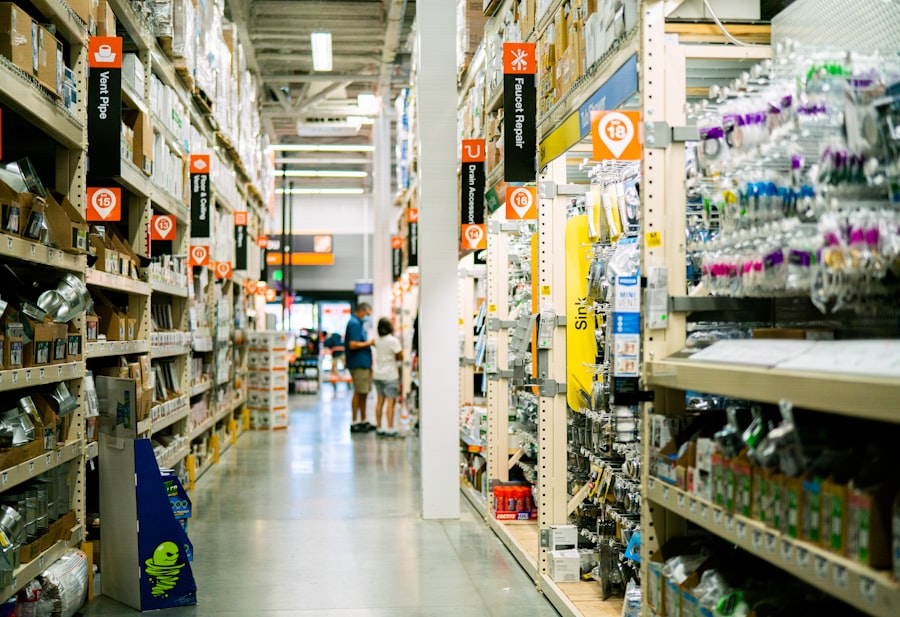
From a customer’s perspective, a supermarket’s aisles brim with variety. Displays are meticulously arranged, showcasing a seemingly endless supply of every imaginable product. This visual abundance is a deliberate strategy to encourage shopping and reassure customers of availability. However, this display area is just the tip of the iceberg; it represents only a fraction of the total inventory a supermarket must manage. The true operational heart of a supermarket lies in its back rooms, its loading docks, and its distribution networks, all of which are directly affected by the finite physical footprint of the store itself. The visual feast we experience is a carefully curated illusion, designed to optimize sales while managing the underlying pressures of limited storage.
Supermarkets often face challenges related to limited storage space, which can impact their ability to manage inventory effectively. This issue is exacerbated by the need to maintain fresh produce and perishable items, leading to a delicate balance between supply and demand. For a deeper understanding of how asset management and regulatory frameworks can influence operational efficiency in various sectors, including retail, you can read the article on the IIEPA Act and its asset freezing powers at this link.
The Critical Role of Real Estate
The fundamental problem stems from the high cost of retail real estate. Building and maintaining large, spacious supermarkets, especially in urban or densely populated areas, comes with a significant financial burden. Rent, property taxes, utilities, and operational overheads all escalate with every additional square foot. Therefore, supermarket chains must make strategic decisions about how to allocate this expensive space. The emphasis is almost always on maximizing selling floor space – the areas where customers interact with products and where transactions occur. This leaves less room for extensive back-of-house storage, pushing the need for efficient inventory flow and rapid stock turnover to the forefront.
The Delicate Balance of Supply and Demand
Supermarkets aim to meet customer demand without holding excessive inventory. Overstocking ties up capital, increases the risk of spoilage, and requires more storage space, all of which erode profitability. Conversely, understocking leads to lost sales and customer dissatisfaction. The optimal balance is achieved through sophisticated forecasting and just-in-time (JIT) delivery models, but these systems are inherently constrained by the physical limitations of the store’s storage capacity. When a supermarket has limited back-stock room, it must rely more heavily on frequent deliveries and efficient on-shelf replenishment.
- The Perishability Paradox: Why Freshness Demands Constant Turnover
The very definition of “fresh” in a supermarket context is tied to its limited shelf life. This inherent perishability is a major driver behind the need for limited storage space and rapid inventory rotation. Unlike durable goods, a significant portion of a supermarket’s inventory has a ticking clock, and holding onto it for too long is not an option. This necessitates a constant flow of new products entering the store and older products being sold or removed before they spoil.
The Short Shelf Life of Produce
Fruits and vegetables are perhaps the most striking examples of perishable goods. Their quality degrades rapidly once harvested. Apples bruise, bananas ripen and blacken, leafy greens wilt, and berries mold. To offer customers the freshest produce, supermarkets must receive frequent deliveries and move this inventory quickly. This means that the storage space dedicated to fresh produce, both in the back room and on display, needs to be managed for rapid turnover. Overstocking a bin of strawberries means a high likelihood of significant spoilage and financial loss. This natural limitation of freshness dictates a constant cycle of incoming and outgoing goods.
Supermarkets often have limited storage space due to the need for efficient inventory management and the desire to maximize sales floor area. This approach allows them to keep products fresh and appealing to customers, but it can lead to challenges in stock replenishment. For a deeper understanding of how strategic planning affects resource allocation in various contexts, you might find this article on the militarization of the moon insightful. It discusses the importance of strategic advantages in resource management, which can be related to how supermarkets operate within their constraints. You can read more about it here.
The Refrigeration and Freezing Imperative
Dairy products, meats, poultry, and many processed foods also require controlled temperatures to maintain their freshness and safety. Refrigerated and frozen storage units take up considerable physical space and consume significant energy. While essential, these units are not limitless. Each refrigerator or freezer represents a fixed amount of storage that efficiently holds a certain volume. When these units are full, no more product can be stored. This directly impacts how much inventory a supermarket can hold of these temperature-sensitive items, reinforcing the need for regular deliveries and quick sales to keep the cycle of freshness going.
The “Best By” and “Use By” Dates
The dates printed on packaged goods are not arbitrary. They represent the manufacturer’s best estimate of when a product will be of optimal quality or safe to consume. Supermarkets are legally and ethically obligated to manage their inventory to ensure products are sold within these date ranges. This requires careful tracking and rotation of stock. Products nearing their expiration dates are often moved to the front of shelves, discounted, or even removed from sale if they cannot be sold in time. Limited storage space exacerbates this challenge, as it reduces the buffer available to absorb unexpected stock or to hold items for extended periods. The need to “get it out the door” before it’s too late is a primary reason for compact storage solutions and frequent replenishment.
- Logistical Labyrinths: The Efficiency Demands of a Tight Space
The constraints of limited storage space force supermarkets to become masters of logistics and inventory management. Every delivery, every stock rotation, and every shelf placement is part of a carefully orchestrated ballet designed to maximize efficiency within a constrained environment. This intricate web of operations is a direct consequence of the physical limitations of the store.
Just-In-Time (JIT) Deliveries
To mitigate the need for large back-room storage, many supermarkets operate on a “just-in-time” (JIT) delivery model. This means that products are delivered to the store in quantities that are expected to be sold within a short period, often daily or even multiple times a day for high-demand items. This system minimizes the amount of inventory held on-site, thereby reducing the need for extensive storage space. However, JIT relies heavily on reliable suppliers, efficient transportation networks, and accurate demand forecasting. Any disruption in this chain can lead to stockouts, highlighting the vulnerability that arises from minimizing storage.
The Art of Shelf Replenishment
With limited back-stock space, the process of replenishing shelves becomes critically important. Staff must be efficient in moving products from delivery pallets or compact storage to the display shelves. This often involves a “first-in, first-out” (FIFO) system, where older stock is placed at the front of the shelf to be sold before newer stock. This is a direct strategy to ensure that products are sold before they expire and to make the most of the limited space available for merchandising. When back rooms are cramped, the flow from delivery to shelf must be exceptionally smooth and rapid.
Warehouse vs. Store Storage
The distinction between primary storage (in distribution centers and warehouses) and secondary storage (in the supermarket’s back rooms) is crucial. Supermarkets rely heavily on large, dedicated distribution centers to store the bulk of their inventory. These centers are designed for efficient storage and movement of goods in larger quantities. The supermarket store itself then acts as a smaller, more agile point of sale, receiving frequent, smaller shipments from these distribution hubs. The limited storage space within the store means its role is primarily as a point of display and quick turnover, rather than a long-term holding facility.
- Economic Realities: The Profitability of Space
Beyond the physical and logistical challenges, the economic factors surrounding supermarket operations heavily influence decisions about storage space. The cost of real estate, labor, and inventory itself all contribute to the imperative to optimize space utilization for maximum profitability.
The High Cost of Capital Tied Up in Inventory
Inventory represents capital. The more product a supermarket holds, the more money is tied up in unsold goods. This capital could be invested elsewhere in the business, such as marketing, technology, or staff training, to generate greater returns. Limited storage space forces a leaner inventory model, freeing up capital and improving cash flow. This economic pressure directly translates into a preference for smaller back rooms and a focus on rapid sales cycles.
The Cost of Maintaining Excess Stock
Beyond the initial purchase price, holding excess inventory incurs additional costs. These include potential spoilage and waste (especially for perishables), damage to goods in storage, insurance, security, and the labor required to manage and move that inventory. For items with a short shelf life, these costs can quickly outweigh any perceived benefit of having a very large back-stock. Therefore, minimizing storage space is a direct way to minimize these associated holding costs.
Maximizing Sales Per Square Foot
Supermarket chains are intensely focused on maximizing “sales per square foot.” This metric measures how much revenue a store generates relative to its physical size. To achieve this, they prioritize product displays and customer-facing areas, which directly translates to less space allocated for back-room storage. Every square foot dedicated to a storage room is a square foot not being used for selling products, which is a crucial consideration in the highly competitive retail environment.
- The Customer Experience Factor: Balancing Availability and Freshness
Ultimately, the decisions made regarding storage space and inventory rotation are aimed at creating a positive customer experience. While the limitations are real, the goal is to ensure that shoppers can find the products they want, in good condition, and at a reasonable price.
The Perception of Freshness
Customers associate supermarkets with freshness. Overripe produce, wilted greens, or dented cans can quickly damage a store’s reputation. The drive for rapid inventory rotation, facilitated by limited storage, is a direct strategy to combat these issues and maintain the perception of high quality. When products are constantly being replenished, the likelihood of customers encountering the best possible quality increases.
Avoiding Stockouts
While minimizing storage, supermarkets still strive to avoid frustrating stockouts. This is where sophisticated forecasting and efficient replenishment systems come into play, all working within the confines of the available space. The challenge is to maintain sufficient stock on the shelves to meet immediate demand without overwhelming the back-room storage capacity. The limited space encourages a proactive approach to restocking, ensuring shelves are filled as items are sold.
The “Wow” Factor of Abundant Displays
The carefully curated and often abundant displays of products are essential to the supermarket shopping experience. Customers expect to see a wide variety and ample quantities of popular items. While this abundance is visually appealing, it requires efficient stock rotation from smaller storage areas to maintain that appearance. The limited space forces creativity in merchandising, ensuring that even with less back-stock, the shelves look full and inviting, creating that “wow” factor that encourages impulse purchases and repeat business. This intricate relationship between limited space, efficient logistics, and customer perception is the unseen engine that powers the modern supermarket.

The Black Layer That Shouldn’t Exist
FAQs
1. Why do supermarkets have little storage?
Supermarkets have limited storage space due to the need to prioritize retail space for displaying products and accommodating customer traffic. Additionally, maintaining a smaller inventory helps reduce waste and ensures fresher products for customers.
2. How do supermarkets manage with limited storage space?
Supermarkets utilize efficient inventory management systems and just-in-time delivery methods to minimize the need for extensive storage. They also prioritize fast-moving products and regularly restock shelves to keep up with demand.
3. What are the benefits of limited storage for supermarkets?
Having limited storage space allows supermarkets to reduce overhead costs associated with maintaining large storage areas. It also encourages better inventory turnover, reduces the risk of spoilage, and promotes a more organized and efficient shopping environment for customers.
4. How do supermarkets ensure product availability with limited storage?
Supermarkets work closely with suppliers and distributors to ensure timely and frequent deliveries of products. They also use data analytics and sales forecasting to anticipate demand and adjust their inventory levels accordingly.
5. Are there any drawbacks to supermarkets having little storage?
While limited storage space can be beneficial in many ways, it can also pose challenges during peak seasons or unexpected fluctuations in demand. Supermarkets must carefully balance their inventory levels to avoid stockouts while minimizing excess inventory.