
- Mountains: The Mighty Barriers and Hidden Treasures
- ### Fortification and Isolation: Natural Defenses
Mountains have historically served as formidable natural barriers, effectively isolating societies and fostering the development of unique cultures and political entities. The sheer difficulty of traversal and conquest meant that mountain-dwelling populations often enjoyed a degree of autonomy from external pressures. This isolation, while sometimes leading to slower technological diffusion, also allowed for the preservation of distinct languages, traditions, and social structures. For instance, the Swiss Alps provided a natural defense for the nascent Swiss Confederacy, allowing it to coalesce and maintain its independence against more powerful empires. Similarly, the rugged terrain of the Caucasus Mountains has contributed to the extraordinary linguistic and ethnic diversity of the region, with numerous small communities developing in relative isolation. The impassable peaks and treacherous passes acted as natural fortresses, deterring invaders and offering refuge to those seeking to escape persecution or conflict. This physical separation fostered a strong sense of community and interdependence within these isolated pockets, as survival often depended on cooperation and mutual aid against the harsh environment. The development of specialized agricultural techniques, such as terracing on steep slopes, and unique architectural styles adapted to the mountainous terrain are further testaments to the shaping power of these landforms. Furthermore, the strategic importance of mountain passes has often made them sites of intense conflict and trade negotiation throughout history, acting as chokepoints that control movement and commerce. The control of these vital arteries could dictate the flow of goods, armies, and ideas, influencing the rise and fall of empires.
- ### Resource Richness: Minerals, Water, and Timber
Beyond their defensive capabilities, mountains are often repositories of valuable resources. Mineral deposits, such as gold, silver, copper, iron, and precious stones, have historically driven exploration, trade, and conflict. The discovery of rich ore veins could transform a small settlement into a thriving center of industry and wealth. The Andes Mountains, for example, were a critical source of silver for the Spanish Empire, funding its global ambitions. Similarly, the Ural Mountains in Russia have been a significant source of minerals for centuries. Beyond minerals, mountains are crucial for water resources. Snowmelt from high peaks feeds rivers that irrigate vast plains, providing the water necessary for agriculture that sustains much of the world’s population. The Himalayas, for instance, are the source of major rivers like the Ganges, Indus, and Yangtze, supporting billions. Mountain forests also provide timber, a vital resource for construction, fuel, and trade. The sustainable management of these resources has often been a key challenge for mountain civilizations. The economic opportunities presented by these resources could lead to rapid development and prosperity, but also to exploitation and environmental degradation if not managed carefully. The concentration of wealth and power derived from these resources could also create significant social stratification and power imbalances within and between civilizations. The very difficulty of extracting these resources also often spurred innovation in mining technology and transportation.
- ### Unique Ecosystems and Biodiversity Hotspots
Mountainous regions, with their dramatic elevational gradients, host incredibly diverse ecosystems and are often biodiversity hotspots. These varied environments, from alpine meadows to dense forests, support specialized flora and fauna that have adapted to unique climatic and geological conditions. This biodiversity can offer a rich source of food, medicine, and raw materials for local populations. Indigenous cultures often develop deep spiritual connections and intricate knowledge systems tied to these mountain environments. The Galápagos Islands, while volcanic rather than mountainous in the traditional sense, exemplify how isolated geological formations can lead to unique evolutionary pathways and species diversification. The sheer variety of microclimates within mountain ranges – from sun-drenched southern slopes to shaded northern valleys – allows for a patchwork of habitats supporting a wide array of life. This ecological richness has not only provided sustenance but also inspired art, mythology, and spiritual beliefs for those who inhabit these lands. The preservation of these unique ecosystems is increasingly recognized as vital for global biodiversity and ecosystem services.
- Rivers and Coastal Plains: Arteries of Life and Centers of Commerce
- ### Fertile Floodplains: The Cradle of Agriculture
The most transformative impact of rivers on civilization lies in their ability to create fertile floodplains. The annual deposition of nutrient-rich silt by rivers like the Nile, the Tigris and Euphrates, and the Yellow River created exceptionally productive agricultural land. This fertility allowed for surplus food production, which in turn supported larger populations, specialization of labor, and the development of complex societies. The ability to consistently feed a growing populace was the bedrock upon which the first great civilizations arose. The predictable inundation of these plains brought with it not just soil but also water, crucial for irrigation in often arid or semi-arid regions. The development of irrigation systems, canals, and flood control mechanisms became a hallmark of early riverine civilizations, demonstrating sophisticated engineering and organizational capabilities. The concentration of food production in these fertile areas naturally led to the establishment of permanent settlements and the growth of villages, towns, and eventually, cities. The control and management of water resources became a source of political power, as those who could direct water to agricultural lands held significant influence. This often led to the development of complex bureaucracies and administrative systems to manage these vital resources.
- ### Navigable Waterways: Highways of Trade and Cultural Exchange
Rivers, and later the seas along coastal plains, have always been the most efficient and cost-effective means of transportation. They served as natural highways, connecting distant communities, facilitating the exchange of goods, ideas, and technologies. The Mississippi River system in North America, the Rhine and Danube in Europe, and the Yangtze River in China, have all played pivotal roles in shaping the economic and cultural landscapes of their respective regions. Coastal areas, with their access to oceans, further expanded this connectivity, enabling long-distance maritime trade that linked continents. The Silk Road, while often associated with land routes, heavily relied on riverine and maritime transport for significant portions of its journey. The ease of movement along these waterways fostered interdependency between different regions, leading to specialized economies and the spread of cultural practices. This connectivity also facilitated the diffusion of innovations, such as agricultural techniques, metalworking, and writing systems, accelerating the pace of societal development. The development of seafaring technology, from simple rafts to advanced sailing ships, further amplified the influence of coastal civilizations on the global stage. The strategic location of ports and river mouths often became centers of power and wealth, attracting merchants, artisans, and rulers.
- ### Water for Industry and Daily Life
Beyond agriculture and transportation, rivers provide essential resources for human life and early industry. They are sources of freshwater for drinking, sanitation, and domestic use. Early industries, such as dyeing, milling, and pottery, often relied on proximity to water sources. The power of flowing water was also harnessed for early forms of mechanical energy through waterwheels, revolutionizing production before the advent of steam power. The presence of a consistent water supply was a critical factor in the establishment and growth of settlements, shaping urban development and population density. The ability to channel and control water further enhanced its utility, leading to the development of elaborate aqueducts and water management systems in advanced civilizations. The abundance or scarcity of freshwater has often been a determinant of urban growth and a source of conflict between communities.
- Deserts: Disciplining Existence and Fostering Innovation
- ### Scarcity and Resilience: Adapting to Harsh Conditions
Deserts, characterized by extreme arid conditions and sparse vegetation, present a unique set of challenges that have profoundly shaped the civilizations that inhabit them. The scarcity of water and arable land forces inhabitants to develop highly efficient survival strategies. This often leads to nomadic lifestyles, relying on pastoralism and ingenious methods of water collection and conservation. The need for resilience and adaptability in the face of extreme environmental pressures has fostered unique cultural traits, such as resourcefulness, meticulous planning, and a deep understanding of natural cycles. The Bedouin culture of the Arabian deserts is a prime example of a sophisticated adaptation to an arid environment, with intricate social structures and extensive knowledge of desert survival. The extreme conditions often lead to a strong emphasis on community and mutual support, as individual survival can be dependent on the collective. The constant struggle for resources also instills a profound respect for life and a deep understanding of ecological limits.
- ### Oases: Nodes of Life and Trade
Despite their vastness, deserts are punctuated by oases – fertile areas where water sources emerge, supporting plant life and human settlement. These oases served as vital nodes for trade routes that traversed the arid landscapes, becoming centers of commerce and cultural exchange. Caravanserais, resting points for travelers and their animals, grew up around these life-giving springs. The strategic importance of oases meant that control over them often led to political and economic power. The Sahara Desert, for instance, was crisscrossed by trans-Saharan trade routes, with oasis towns like Timbuktu and Marrakech playing crucial roles. These oases not only provided sustenance but also acted as refuges and meeting places, fostering interactions between diverse groups and facilitating the spread of ideas and religions across vast, otherwise impassable, expanses. The development of sophisticated systems for managing and distributing water within oases was often a hallmark of these settlements, showcasing advanced engineering and social organization.
- ### Unique Technologies and Adaptations
The environmental pressures of deserts have spurred the development of unique technologies and adaptations. From advanced irrigation techniques, such as qanats (underground channels that carry water), to specialized architectural designs that provide shade and ventilation, desert civilizations have demonstrated remarkable ingenuity. Camel domestication was a revolutionary adaptation that enabled long-distance travel and trade across sandy terrains, transforming the mobility and reach of desert peoples. The development of specialized clothing to protect against sun and sand, and the expertise in navigating by stars and landscape features, are further examples of human adaptation. The emphasis on water conservation has also led to the development of techniques for dew harvesting and the efficient use of every drop. These innovations often represent a deep, practical understanding of physics, hydrology, and engineering, honed by generations of necessity. The materials used in construction, such as adobe and stone, are often locally sourced and designed to respond to the extreme temperature fluctuations.
- Forests and Jungles: Shrouded Resources and Encapsulated Worlds
- ### Abundant Resources: Timber, Food, and Medicine
Vast forests and dense jungles have historically provided a wealth of resources crucial for human survival and development. Timber has been an indispensable material for construction, shipbuilding, toolmaking, and fuel. Forest ecosystems are rich in edible plants, fruits, nuts, and game, supporting hunter-gatherer societies and providing supplementary resources for agricultural communities. Many medicinal plants and herbs with vital pharmacological properties are found in these environments, leading to the development of sophisticated traditional healing practices. The Mayans, for example, utilized the resources of the Mesoamerican rainforests for building materials, food, and medicinal compounds. The sheer abundance of materials such as wood, vines, and natural fibers has allowed for diverse craft traditions and architectural styles. The dense canopy of forests also offers natural protection from the elements and from predators.
- ### Isolation and Distinct Cultures
The density and inaccessibility of forests and jungles have often led to the isolation of communities, fostering the development of unique and distinct cultures. The dense vegetation can act as a barrier to easy travel and communication, leading to the preservation of traditional ways of life and linguistic diversity. Indigenous tribes living in the Amazon rainforest or the Congo Basin, for example, have maintained unique social structures, belief systems, and languages for millennia, often with highly specialized knowledge of their forest environment. This isolation, while preserving cultural distinctiveness, could also limit exposure to external innovations and technologies, sometimes leading to greater vulnerability when encountered by technologically advanced outsiders. The intricate webs of relationships within these isolated communities often mirrored the complex relationships within the forest ecosystem itself.
- ### Challenges and Opportunities for Expansion
While offering resources, forests and jungles also present significant challenges for expansion and settlement. Clearing land for agriculture is labor-intensive and can lead to soil erosion and habitat destruction. Navigating dense undergrowth and humid conditions requires specialized knowledge and tools. Diseases, often spread by insects and other vectors, can be prevalent in these environments, posing health risks. However, these environments also present opportunities. The readily available water and fertile soil in cleared areas can support intensive agriculture. The natural resources of the forest can be exploited for trade and industry, leading to economic growth. The exploration and exploitation of these environments have often been driven by the desire to access valuable commodities like timber, rubber, and spices. The development of specialized tools for forestry and exploration, such as machetes and canoes, became essential for life in these regions.
- Climate: The Overarching Influence on Human Endeavor
- ### Temperature and Precipitation: Dictators of Agriculture and Lifestyle
Climate is arguably the most fundamental geographical factor shaping civilization. Temperature and precipitation directly dictate what crops can be grown, the length of growing seasons, and the availability of water, thereby shaping agricultural practices and the viability of settlements. Temperate climates with predictable rainfall have historically supported the most productive and stable agricultural systems, fueling population growth and urbanization. Regions with extreme temperatures or unreliable precipitation, such as scorching deserts or frozen tundras, present significant challenges to agriculture and often lead to specialized lifestyles like pastoralism or hunter-gatherer societies. The predictability of seasonal changes, governed by climate, influenced everything from agricultural planning to migratory patterns and even religious festivals. The concept of an “ideal climate” for human flourishing has been debated for centuries, with many arguing that moderate temperatures and sufficient rainfall are crucial for societal development.
- ### Seasonal Cycles and Human Rhythms
The rhythm of seasons, dictated by climate, profoundly influences human activities, social structures, and cultural practices. Planting and harvesting seasons, the need to store food for winter, and the migration of animals all align with climatic cycles. These natural rhythms have shaped calendars, festivals, and deeply ingrained societal practices. The need to adapt to seasonal variations has led to innovations in food preservation, shelter construction, and clothing. In regions with distinct seasons, societies often developed complex social organization to manage labor during peak agricultural times and to survive periods of scarcity. The human body, too, has evolved and adapted to different climatic conditions, influencing everything from metabolism to susceptibility to disease. The psychological impact of long winters or scorching summers can also influence cultural outlook and social interaction.
- ### Disease Vectors and Environmental Carrying Capacity
Climate plays a critical role in the prevalence and distribution of diseases. Many disease vectors, such as mosquitoes and ticks, thrive in specific climatic conditions, influencing human health and population density. Regions with warm, humid climates, such as tropical rainforests, can be breeding grounds for diseases like malaria and yellow fever, which have historically limited population growth and human settlement. Conversely, colder climates may have fewer insect-borne diseases but face challenges related to exposure and the spread of respiratory illnesses. The carrying capacity of an environment – the maximum population it can sustain – is also heavily influenced by climate, which determines the productivity of the land and the availability of resources. Understanding and adapting to these climatic influences on health and resource availability has been crucial for the survival and success of civilizations throughout history. The Black Death in Europe, for instance, was exacerbated by certain climatic conditions that favored the spread of the plague-carrying fleas. Likewise, the spread of diseases during the colonial era was heavily influenced by the differing climatic conditions and the introduction of new pathogens to populations with no prior immunity.

The Black Layer That Shouldn’t Exist
FAQs
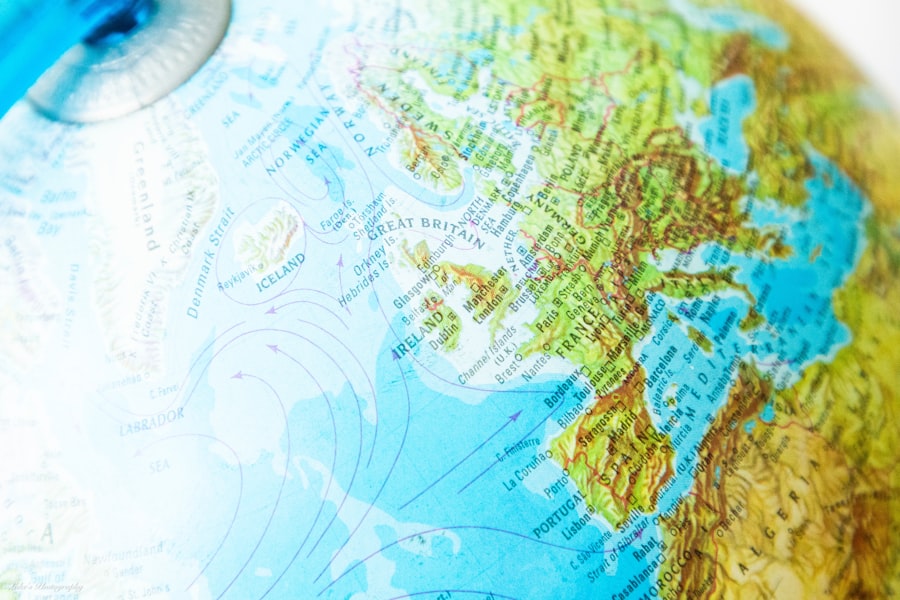
1. What is the role of geography in controlling civilization?
Geography plays a crucial role in controlling civilization as it determines the availability of resources, the ease of transportation and communication, and the vulnerability to natural disasters.
2. How does geography affect the development of civilizations?
Geography affects the development of civilizations by influencing the types of economic activities, the formation of cultural and social structures, and the ability to defend against external threats.
3. What are some examples of how geography has controlled civilizations in history?
Examples of how geography has controlled civilizations in history include the impact of the Nile River on ancient Egypt’s agricultural prosperity, the barrier of the Himalayas on the development of ancient China, and the strategic advantage of the Mediterranean Sea for the expansion of the Roman Empire.
4. Can civilizations overcome geographical constraints?
While civilizations can adapt and overcome some geographical constraints through technological advancements and strategic planning, geography continues to play a significant role in shaping the trajectory of civilizations.
5. How does geography continue to influence modern civilizations?
In modern times, geography continues to influence civilizations through factors such as access to natural resources, the impact of climate change, the development of transportation and trade routes, and the vulnerability to natural disasters.