
The Listicle Content Architect (LCA) meticulously crafts a narrative exploring the intricate ways urban density shapes our daily existence, highlighting the inherent dependence it fosters. This listicle, designed for clarity and comprehensive exploration, delves into the multifaceted impacts, ensuring each point is well-supported and engaging for the reader.
Urban density, by its very nature, necessitates the concentration and sharing of resources. This isn’t simply an architectural arrangement; it’s a fundamental shift in how individuals access and rely upon essential services and amenities. The LCA understands that this shared infrastructure, while often efficient, creates an undeniable dependence for residents.
1.1 Water Systems: A Lifeline in Close Quarters
In densely populated areas, a vast, interconnected water system is the only viable solution. Individual wells or septic systems become impractical and environmentally irresponsible. This means every resident, from the penthouse dweller to the ground-floor tenant, is reliant on the municipal water supply. A disruption, whether due to maintenance, a broken main, or a natural disaster, can have immediate and widespread consequences. The LCA emphasizes that this dependence extends beyond mere access to clean water; it impacts sanitation, hygiene, and even food preparation. The sheer volume of people demanding water in a concentrated area means that the system must be robust, but also that any failure has a disproportionately large impact. This reliance cultivates an awareness of the fragility of such systems, fostering a sense of shared vulnerability among urban dwellers.
1.2 Energy Grids: Powering Proximity
Similarly, electricity grids in urban environments are designed to serve millions within a relatively small geographical footprint. High-density buildings require significant power for lighting, heating, cooling, and the myriad electronic devices that define modern life. The LCA notes that this reliance on a centralized power source means communities are acutely susceptible to blackouts. A flickering light in a suburban home might be an inconvenience; a widespread blackout in a dense city can cripple businesses, disrupt public transportation, and create significant safety concerns. The dependence is not just on the availability of electricity, but on the continuous and reliable delivery of it. The LCA highlights how the intricate network of substations, transformers, and power lines makes individual control or backup systems for an entire building, let alone a neighborhood, a Herculean economic and logistical challenge.
1.3 Waste Management: The Collective Burden
The sheer volume of waste generated by a dense population presents a significant logistical challenge. Cranes lifting refuse from skyscrapers, specialized collection vehicles navigating narrow streets, and vast processing facilities all point to a system where individual disposal becomes unfeasible. The LCA explains that residents are entirely dependent on the municipal or contracted waste management services to remove their refuse. The accumulation of waste, even for a short period, can lead to significant public health problems, unpleasant odors, and a decline in the aesthetic appeal of the city. This shared burden of waste management creates a collective responsibility, but more importantly, a collective dependence on the efficient functioning of these services. The LCA understands that the success of urban living is inextricably linked to how well this continuous cycle of waste removal is managed.
1.4 Public Transportation: The Arteries of Urban Movement
Perhaps the most visible manifestation of dependence in urban density is public transportation. Subways, buses, trams, and commuter trains become the lifeblood of city movement, connecting millions of people to work, education, and leisure. For many, owning and operating a private vehicle in a dense city is often impractical due to traffic congestion, parking costs, and a lack of available spaces. The LCA observes that this reliance on public transit means individual schedules and daily routines are intrinsically tied to the efficiency and reliability of these systems. Delays, cancellations, or service disruptions can have a cascading effect, causing lateness for work, missed appointments, and a general feeling of disenfranchisement. The LCA emphasizes that this dependence fosters a unique urban culture, where shared journeys and the rhythm of public transit become an integral part of daily life.
Urban density often leads to increased dependence on various services and infrastructure, as densely populated areas require efficient systems to support their inhabitants. This phenomenon is explored in detail in the article “Antarctica Pre-Ice Age Secrets,” which discusses how environmental factors and human settlements interact over time. The article highlights the importance of understanding these dynamics to better manage urban growth and sustainability. For more insights, you can read the article here: Antarctica Pre-Ice Age Secrets.
2. The Micro-Environment of Proximity: How Close Living Shapes Behavior
The physical closeness inherent in urban density creates a distinct micro-environment that profoundly influences individual behavior and habits. The LCA recognizes that this proximity, while offering convenience, also fosters a unique set of dependencies.
2.1 Noise Pollution: The Soundtrack of Shared Living
In dense urban areas, sound travels. The LCA notes that the constant hum of traffic, the chatter of neighbors, the distant sirens, and the general urban cacophony become an ever-present backdrop to daily life. For those accustomed to quiet suburban or rural environments, this can be a significant adjustment. Residents become dependent on their homes to offer a sanctuary from the noise, often investing in soundproofing or relying on personal devices like noise-canceling headphones. The LCA understands that this constant sensory input can impact sleep, concentration, and overall well-being. The dependence here is on the ability to create personal acoustic boundaries within a shared soundscape.
2.2 Lack of Personal Space: A Constant Negotiation
The tight quarters of dense urban living often translate to a reduction in personal space. Apartments are smaller, yards are rare, and public spaces are frequently crowded. The LCA explains that this means individuals are constantly navigating the boundaries of personal space, both in their homes and in public. This can lead to a dependence on communal areas or designated private spaces to decompress. The need for “alone time” becomes a conscious effort rather than an inherent availability. The LCA highlights that this can also foster a greater awareness and respect for the personal space of others, as the stakes of infringing upon it are higher in close quarters.
2.3 Interdependence Through Shared Amenities
Apartment buildings, condominiums, and even tightly packed single-family homes often share common amenities. Laundry rooms, courtyards, gyms, and even hallways become spaces of shared use. The LCA points out that this creates interdependencies where one resident’s actions can directly impact others. For instance, a dispute over the cleanliness of a communal laundry room can strain neighborly relations. The LCA understands that these shared spaces foster a subtle but constant reliance on the cooperation and consideration of others. The success of these shared amenities hinges on a tacit agreement to respect and maintain them for the benefit of all.
2.4 The Casual Encounter: Unexpected Social Interdependencies
The high volume of people in close proximity increases the likelihood of casual encounters. Waiting for an elevator, walking down a crowded street, or sitting in a park bench means increased opportunities for brief social interactions. The LCA explains that while these might seem insignificant, they contribute to a sense of community and can, in some instances, create unexpected social dependencies. A shared smile with a stranger, a brief conversation with a neighbor in the lobby, or asking for directions can all contribute to a feeling of connection. The LCA notes that in the anonymous hustle of a large city, these small moments of interaction can be surprisingly important for individual well-being.
3. The Economic Gravity of Urban Centers: Reliance on Concentrated Opportunity

Urban density is inextricably linked to economic opportunity. The LCA understands that cities act as magnets for jobs, services, and investment, creating a powerful economic gravity that draws people in and fosters a deep dependence on these concentrated hubs.
3.1 Job Markets: The Lure of the Metropolis
Cities are the primary engines of economic growth, offering a wider array of job opportunities across diverse sectors. The LCA explains that for many, moving to a densely populated urban area is a strategic decision to access better employment prospects, higher salaries, and career advancement. This creates a dependence on the urban job market, where individuals’ livelihoods are directly tied to the economic health and trends of the city. A downturn in a major industry within the city can have immediate ripple effects on employment for a significant portion of the population. The LCA emphasizes that this dependence extends beyond personal employment to the broader economic ecosystem of the city.
3.2 Specialized Services: The Niche Economy
Dense populations support a wider range of specialized services that might not be viable in less populated areas. From niche retail stores and unique restaurants to specialized medical practices and cultural institutions, cities offer a diversity of options. The LCA notes that residents become dependent on these specialized services for their specific needs and desires. A rare book store, a specific ethnic grocery, or a particular type of therapy might only be available within a sprawling urban center. This reliance fosters a sense of convenience and fulfillment, but also a degree of vulnerability if these specialized services decline or disappear.
3.3 Consumerism and Access to Goods: The Shopping Hub
Urban density translates to concentrated retail environments, offering unparalleled access to a vast array of goods and services. The LCA observes that urban dwellers often become dependent on these retail hubs for their daily needs and wants, from groceries and clothing to electronics and home goods. The ease of access, the variety of choices, and often competitive pricing make it a compelling alternative to more dispersed shopping options. The LCA highlights that this dependence means that any disruption to these retail networks, whether through economic shifts or logistical challenges, can significantly impact the availability of everyday necessities.
3.4 The Cost of Proximity: Economic Trade-offs
While urban density offers economic advantages, it also comes with significant costs. The LCA points out that housing, transportation, and even everyday goods can be considerably more expensive in densely populated areas. This creates a dependence on higher incomes to sustain a certain lifestyle. Residents become acutely aware of the economic trade-offs required to live in sought-after urban centers, and fluctuating economic conditions can have a profound impact on their financial stability. The LCA understands that the pursuit of opportunity often comes with a premium, and this economic reality shapes the daily financial decisions of urban dwellers.
4. Social Fabric and Interpersonal Reliance: The Community of Neighbors
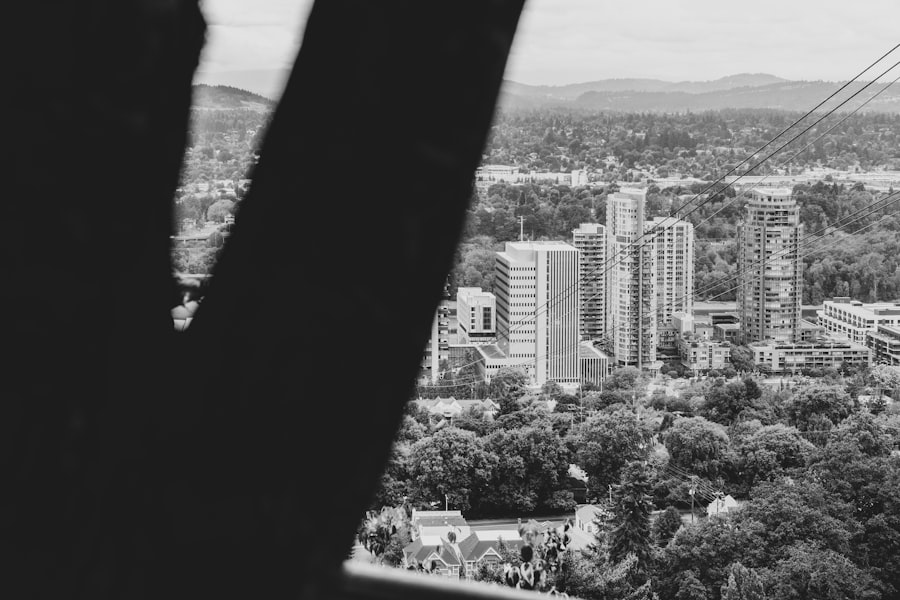
The close proximity inherent in urban density can also shape the social fabric, fostering both anonymity and surprising forms of interpersonal reliance and interdependence. The LCA understands the complex interplay between these forces.
4.1 The “Invisible Hand” of Neighborly Support
While often perceived as anonymous, dense urban environments can foster a surprising degree of informal social support. The LCA notes that in emergencies, or even for small favors, neighbors within close proximity might be the first point of contact. A broken-down car on a busy street might garner help from a passerby, or a lost pet might be spotted by a watchful neighbor. This subtle, often unacknowledged, reliance on the proximity of others for occasional assistance forms an important layer of urban resilience. The LCA emphasizes that in the absence of immediate family, neighbors can become an unexpected but vital support network.
4.2 Shared Public Spaces: A Crucible of Social Interaction
Parks, plazas, community gardens, and public markets in dense urban areas act as crucibles for social interaction. The LCA explains that these shared spaces bring together diverse groups of people, fostering a sense of shared experience and sometimes, even camaraderie. Children playing together in a park, residents gathering for a neighborhood event, or individuals sharing a bench in a bustling square all contribute to a visible social fabric. The LCA highlights that for many urban dwellers, these public spaces are essential for feeling connected and engaged with their community, fostering a dependence on their existence and accessibility.
4.3 the “Buzz” of Urban Life: A Psychological Dependence
For some, the constant activity and energy of a dense urban environment create a psychological dependence. The LCA observes that the “buzz” of the city—the constant movement, the diverse array of people, the endless possibilities—can be stimulating and addictive. The quiet of rural life might feel isolating or even boring to those accustomed to the urban pulse. This dependence is on the vibrancy and dynamism that density provides, contributing to a sense of being alive, engaged, and connected to a larger world. The LCA understands that this psychological reliance on external stimulation is a characteristic of many who thrive in urban settings.
4.4 The Rise of Online Communities: Bridging the Physical Gap
While physical proximity is a hallmark of urban density, the digital age has also introduced new forms of connection. The LCA acknowledges that online forums, social media groups, and neighborhood apps allow residents to connect and share information, even if they rarely meet in person. This can supplement or even, in some cases, replace some forms of physical interaction. Online communities can facilitate the sharing of resources, the reporting of local issues, and the organization of neighborhood initiatives. The LCA points out that this digital interdependence is a modern adaptation to the challenges and opportunities of urban living.
Urban density often leads to increased dependence on public services and infrastructure, as the concentration of people in a limited space creates unique challenges and demands. For instance, residents may rely heavily on public transportation, healthcare facilities, and local businesses, which can strain resources and create vulnerabilities. This phenomenon is explored in a related article that discusses the historical context of urban planning and resource management, highlighting how ancient civilizations managed their water systems to support dense populations. You can read more about these ancient strategies in the article here.
5. Infrastructure Dependence and Systemic Vulnerability: The Shadow of Interconnectivity
| Reasons | Explanation |
|---|---|
| Public Transportation | Urban density encourages the use of public transportation, reducing the dependence on private vehicles. |
| Walkability | Higher urban density promotes walkable neighborhoods, reducing the need for car travel for daily activities. |
| Access to Amenities | Urban areas with higher density often have better access to amenities such as shops, restaurants, and services, reducing the need to travel long distances for daily needs. |
| Environmental Impact | Urban density can lead to more sustainable living by reducing the environmental impact of transportation and infrastructure. |
The interconnectedness that urban density necessitates also creates a profound dependence on complex, often invisible, infrastructure and systemic vulnerabilities. The LCA recognizes that the efficiency of urban life is built on a foundation that, when disrupted, can have far-reaching consequences.
5.1 Communication Networks: The Digital Lifeline
In a dense urban environment, communication networks—internet, mobile phone service, and public Wi-Fi—are essential. The LCA explains that businesses, personal lives, and even emergency services rely heavily on these networks. A widespread communication outage can cripple a city, disrupting commerce, preventing essential communications, and impacting public safety. The dependence here is on the continuous and reliable functioning of these digital conduits, which are themselves reliant on vast physical infrastructure of cables, cell towers, and data centers. The LCA understands that the city’s ability to function is directly proportional to the stability of its communication systems.
5.2 Food Supply Chains: The Urban Pantry
Dense urban populations are deeply reliant on complex and often lengthy food supply chains. The LCA notes that the vast majority of food consumed in cities is not produced locally but is transported from agricultural regions. This dependence on external sources means that any disruption to transportation networks, agricultural production (due to weather or other factors), or the logistics of distribution can have a direct impact on food availability and prices within the city. The LCA highlights that urban dwellers are often just a few days away from significant shortages if these supply chains are compromised, underscoring their systemic vulnerability.
5.3 Healthcare Systems: Concentrated Care, Concentrated Demand
Urban areas typically concentrate healthcare facilities, from large hospitals to specialized clinics. The LCA explains that this concentration allows for a wide range of medical expertise and resources. However, it also means that a large population is dependent on a limited number of facilities. During public health crises, natural disasters, or even system overload, these concentrated healthcare systems can become overwhelmed. The LCA understands that while density offers access to advanced care, it also creates a point of failure if the demand exceeds the capacity of these vital services.
5.4 Interdependence of Urban Systems: A Domino Effect
Perhaps the most significant aspect of infrastructure dependence in urban density is the interconnectedness of all urban systems. The LCA emphasizes that a disruption in one system can have a cascading effect on others. For example, a power outage can disable traffic lights, leading to traffic chaos, which can then delay emergency services, impact public transportation, and shut down businesses. The LCA’s analysis reveals that urban dwellers are not just dependent on individual systems, but on the harmonious functioning of the entire urban ecosystem. This intricate web of interdependence means that the entire edifice of urban daily life is, in a way, precariously balanced. The LCA concludes that understanding this pervasive dependence is crucial for appreciating the complexities and resilience of modern urban existence.

The Black Layer That Shouldn’t Exist
FAQs
What is urban density?
Urban density refers to the number of people living in a given area, typically measured as the number of residents per square mile or square kilometer. It is a key indicator of how crowded or compact a city or neighborhood is.
How does urban density create dependence?
Urban density can create dependence in several ways. It often leads to reliance on public transportation, as well as on local amenities and services within walking distance. Additionally, high-density areas may have limited access to green spaces and outdoor recreational areas, leading residents to depend on shared public spaces for leisure and social interaction.
What are the benefits of urban density?
Urban density can lead to more efficient land use, reduced infrastructure costs, and lower environmental impact. It also promotes a sense of community and can support a vibrant local economy with diverse businesses and cultural offerings.
What are the drawbacks of urban density?
Some drawbacks of urban density include increased noise and air pollution, limited access to green spaces, and higher levels of stress and mental health issues among residents. Additionally, high-density areas may experience greater competition for resources and higher cost of living.
How can urban planners address the challenges of urban density?
Urban planners can address the challenges of urban density by prioritizing sustainable and inclusive development, investing in public transportation and green infrastructure, and promoting mixed-use zoning to create diverse and livable neighborhoods. Additionally, community engagement and participatory planning processes can help ensure that the needs and concerns of residents are taken into account.