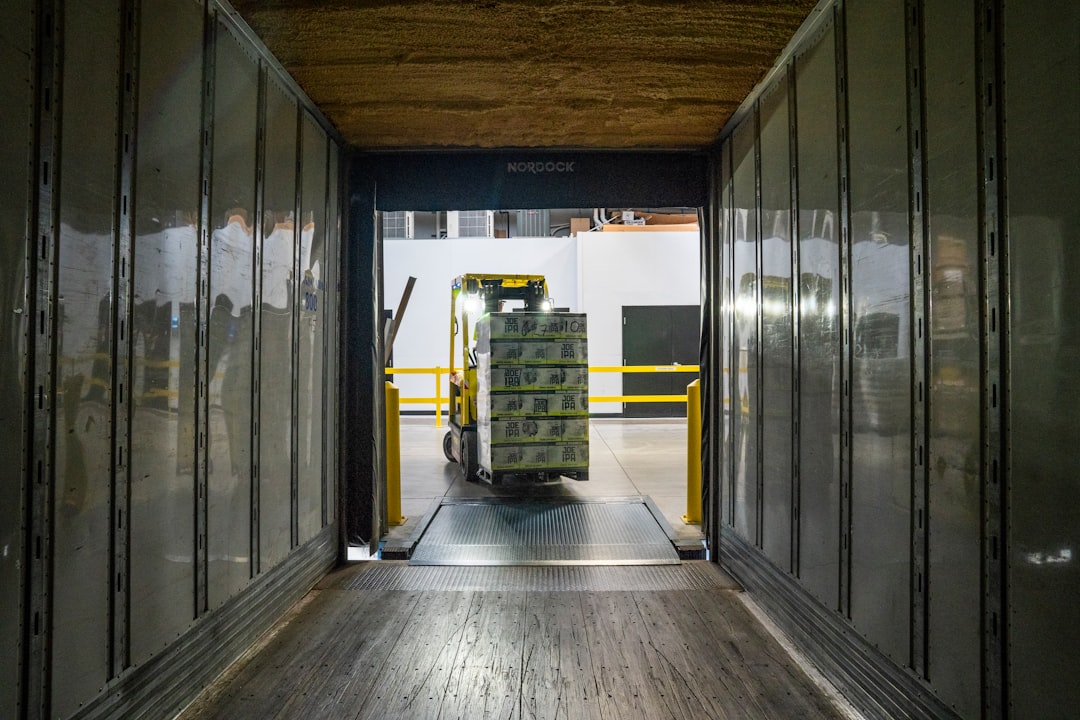
- The Unseen Gears: How Logistics Powers Your Everyday Life
The world rushes forward at an unprecedented pace, fueled by an invisible network of operations that ensures everything, from your morning coffee to the latest smartphone, reaches you when and where you need it. This intricate dance is orchestrated by logistics, the unsung hero of modern commerce and daily existence. It’s more than just trucks on a highway or ships on the sea; it’s a sophisticated system that underpins global supply chains, empowers businesses, and fundamentally shapes our consumer experiences. Without robust logistics, the seamless flow of goods and services that we often take for granted would grind to a halt, leading to shortages, delays, and increased costs for everyone. This listicle delves into the essential role of logistics, exploring its multifaceted contributions to the efficiency of global supply chains and the timely delivery of products and services that define modern life.
The concept of logistics has evolved dramatically from its military origins, transforming into a sophisticated discipline that integrates planning, implementation, and control of the efficient, effective forward and reverse flow and storage of goods, services, and related information between the point of origin and the point of consumption in order to meet customer requirements. In today’s interconnected world, where consumers expect instant gratification and businesses operate on razor-thin margins, the precision and reliability of logistics are paramount. It’s the backbone that supports a thriving global economy, enabling businesses to reach new markets, adapt to changing demands, and maintain competitive advantages. For consumers, it translates to convenience, choice, and access to a world of products that might otherwise be geographically inaccessible. Understanding logistics isn’t just an academic pursuit; it’s about appreciating the complex machinery that keeps our modern world functioning smoothly and efficiently.
This exploration will unpack the various facets of logistics, highlighting its critical functions in maintaining the economic equilibrium and facilitating the constant exchange of value that defines our contemporary society. We will journey through its impact on businesses, consumers, and the broader global economy, showcasing why its “essential role” is not an overstatement but a fundamental truth.
Logistics is the silent architect of the global supply chain, the intricate web that connects raw material suppliers, manufacturers, distributors, and end consumers across continents. It’s the invisible hand that guides products from their inception to their final destination, ensuring that the right goods are in the right place at the right time, in the right condition, and at the right cost. Without efficient logistics, the interconnectedness that characterizes our modern economy would be severely hampered. Global sourcing of components, manufacturing in specialized locations, and distribution to diverse markets all rely on a meticulously planned and executed logistics strategy.
2.1. Bridging Geographical Divides
The primary role of logistics in global supply chains is to overcome the inherent challenges posed by vast geographical distances. It encompasses the planning and management of international transportation, warehousing, and customs clearance. This involves selecting the most cost-effective and timely modes of transport – whether by sea, air, rail, or road – and coordinating their intermodal connections. The ability to move goods across oceans, through different countries, and over diverse terrains is a testament to the sophisticated logistical networks that have been developed.
- International Trade Facilitation: Logistics makes international trade feasible on a massive scale. It handles the complex documentation, regulatory compliance, and risk management associated with cross-border movements. This includes navigating customs regulations, import/export licenses, and international shipping standards, which are crucial for enabling businesses to access global markets and consumers to benefit from a wider array of products.
- Network Optimization: A well-designed logistics network is crucial for managing the flow of goods. This involves strategically locating warehouses, distribution centers, and transportation hubs to minimize transit times and costs. The optimization of these nodes ensures that inventory is positioned optimally to meet demand, reducing the need for costly expedited shipping and minimizing the risk of stockouts or excess inventory.
Modern life is intricately linked to logistics, as the efficient movement of goods and services is essential for the functioning of our daily lives. From the food we eat to the technology we use, logistics plays a crucial role in ensuring that products are delivered on time and in the right condition. A related article that delves into the complexities of urban logistics and its impact on city life can be found at City of Secrets: The Unsinkable City, which explores how modern cities navigate the challenges of supply chain management in an ever-evolving landscape.
2.2. Ensuring Product Integrity and Quality
Beyond mere movement, logistics plays a vital role in preserving the quality and integrity of goods during transit. For perishable items like food and pharmaceuticals, this means maintaining specific temperature and humidity conditions through cold chain logistics. For fragile or sensitive products, it involves specialized packaging and handling protocols to prevent damage.
- Cold Chain Management: This specialized area of logistics is critical for transporting temperature-sensitive products. It involves using refrigerated trucks, containers, and warehouses to maintain precise temperature ranges throughout the supply chain, from production to consumption. This is essential for ensuring the safety and efficacy of food products, vaccines, and certain chemicals.
- Protective Packaging and Handling: Logistics experts design and implement packaging solutions that protect goods from the rigors of transportation. This includes cushioning materials, sturdy containers, and labeling that clearly indicates handling requirements. Proper handling procedures, such as correct lifting techniques and stack limits, are also crucial to prevent damage.
2.3. Mitigating Risks and Ensuring Resilience
Global supply chains are inherently vulnerable to disruptions, whether from natural disasters, geopolitical events, or economic downturns. Logistics professionals are tasked with developing strategies to mitigate these risks and build resilient supply chains. This includes diversifying suppliers, establishing contingency plans, and leveraging technology to track goods and identify potential bottlenecks in real-time.
- Contingency Planning and Risk Assessment: Logistics teams conduct thorough risk assessments to identify potential disruptions and develop contingency plans. This might involve identifying alternative transportation routes, securing backup suppliers, or pre-positioning inventory in strategic locations to buffer against unforeseen events.
- Supply Chain Visibility and Tracking: Advanced technologies, such as GPS tracking, RFID tags, and IoT sensors, provide real-time visibility into the location and condition of goods throughout the supply chain. This enhanced visibility allows for proactive problem-solving and the ability to quickly reroute shipments or adjust plans in response to unexpected events.
- The Engine of Business Efficiency: Streamlining Operations
For businesses of all sizes, effective logistics is not merely a support function; it is a critical driver of operational efficiency and profitability. It directly impacts cost management, inventory control, customer satisfaction, and the ability to compete in a dynamic marketplace. Streamlining the movement and storage of goods and services translates into reduced expenses, improved responsiveness, and a stronger competitive position.
3.1. Cost Optimization and Value Creation
Logistics significantly influences a business’s bottom line. Efficient transportation, warehousing, and inventory management can lead to substantial cost savings. By optimizing routes, consolidating shipments, and minimizing unnecessary handling, businesses can reduce their operational expenditures. Furthermore, effective logistics can contribute to value creation by enabling faster delivery times and more reliable service, which can command premium pricing.
- Transportation Management: This involves selecting the most economical and efficient modes of transport, negotiating favorable rates with carriers, and optimizing delivery routes to reduce fuel consumption and transit times. Techniques like load optimization and backhaul planning are crucial for maximizing the utilization of transport assets.
- Warehousing and Inventory Management: Efficient warehouse operations, including effective layout, automation, and material handling equipment, reduce labor costs and improve throughput. Strategically managing inventory levels, balancing the need to meet demand with the costs of holding stock, is a core competency in logistics, minimizing obsolescence and storage expenses.
In today’s fast-paced world, the intricate web of logistics plays a crucial role in ensuring that goods and services reach consumers efficiently and effectively. A fascinating exploration of how ancient technologies influenced modern navigation can be found in the article about the Piri Reis map, which sheds light on the historical roots of our current logistical systems. Understanding these connections not only highlights the evolution of transportation and trade but also emphasizes why modern life depends on logistics. For more insights, you can read the article here.
3.2. Enhancing Customer Satisfaction and Loyalty
In today’s competitive landscape, customer satisfaction is paramount. Logistics plays a direct role in meeting and exceeding customer expectations, particularly concerning delivery speed, accuracy, and reliability. Fast, predictable, and error-free deliveries build trust and foster customer loyalty, while poor logistics can lead to lost sales and damaged brand reputation.
- On-Time Delivery (OTD) Performance: Consistently delivering products within the promised timeframe is a key differentiator. Logistics professionals meticulously plan and execute to ensure OTD, employing real-time tracking and communication to keep customers informed of their order status.
- Order Accuracy and Fulfillment: Ensuring that customers receive the correct items in the correct quantities is fundamental. Robust warehousing and fulfillment processes, supported by technology like barcode scanning and order verification systems, minimize errors and enhance the customer experience.
- Returns Management (Reverse Logistics): Handling product returns efficiently and effectively is an increasingly important aspect of customer service. Reverse logistics ensures that returned items are processed quickly, whether for resale, repair, or disposal, contributing to customer satisfaction and minimizing financial losses.
3.3. Enabling Agility and Responsiveness
Modern businesses need to be agile and responsive to changing market demands, economic shifts, and unexpected disruptions. Logistics systems that are flexible and adaptable allow businesses to quickly adjust their operations, source from different suppliers, or redirect inventory to meet evolving needs.
- Demand Forecasting and Planning: Accurate demand forecasting, supported by historical data and market intelligence, allows businesses to anticipate needs and adjust their logistics plans accordingly. This proactive approach helps prevent stockouts and reduces the need for expensive last-minute adjustments.
- Flexible Distribution Networks: Having a flexible distribution network that can be reconfigured to serve different markets or adjust to changing demand patterns is crucial. This might involve utilizing flexible warehousing solutions or having multiple transportation options available.
- The Consumer Experience: Delivering Convenience and Choice
For the end consumer, the impact of logistics is felt most directly in their daily lives. It’s the reason why they can order a product online late at night and have it arrive at their doorstep within a few days, or even hours. Logistics transforms global commerce into a personalized and accessible experience, offering unparalleled levels of convenience and choice.
4.1. The Rise of E-commerce and Last-Mile Delivery
The explosive growth of e-commerce has placed an immense emphasis on logistics, particularly on the “last mile” – the final leg of delivery to the customer’s door. This is often the most complex and expensive part of the supply chain. Innovations in last-mile logistics, such as same-day delivery, click-and-collect options, and drone delivery, are all driven by consumer demand for speed and convenience.
- Speed and Convenience: The ability to receive goods quickly and without having to physically visit a store is a primary driver of e-commerce. Logistics makes this possible through efficient order processing, warehousing, and last-mile delivery networks.
- Diverse Delivery Options: Consumers today expect a variety of delivery options to suit their needs, from standard shipping to express delivery, scheduled deliveries, and pick-up points. Logistics providers must offer this flexibility to meet diverse consumer preferences.
- Real-time Tracking and Communication: The ability to track packages in real-time provides consumers with peace of mind and allows them to plan their day around deliveries. Proactive communication about delivery status, delays, or changes is also a critical component of a positive consumer experience.
4.2. Access to Global Products and Services
Logistics breaks down geographical barriers, giving consumers access to a vast array of products and services that might not be available locally. From niche artisanal goods to specialized medical equipment, logistics enables the global marketplace to be at consumers’ fingertips.
- Global Product Availability: Consumers can purchase items from virtually anywhere in the world, thanks to established international shipping and customs clearance processes facilitated by logistics. This expands choice and competition, often leading to better prices and quality.
- Specialty Goods and Services: For consumers seeking rare or specialty items, logistics makes it possible to source these products from distant suppliers, catering to unique tastes and needs.
4.3. The Impact on Everyday Goods
Consider the simple act of buying groceries. Logistics ensures that fresh produce from farms reaches your local supermarket, chilled and in good condition. It moves packaged goods from factories to distribution centers, and then to your shelves. Even seemingly simple items have a complex logistical journey.
- Food and Beverage Supply Chains: The safe and timely delivery of food and beverages, from farm to fork, relies heavily on refrigerated transport and efficient distribution networks to maintain freshness and prevent spoilage.
- Retail Inventory Management: Logistics ensures that retail stores are adequately stocked with the products consumers want, when they want them. This prevents stockouts and ensures a consistent shopping experience.
- Technological Advancements: The Future of Logistics
The field of logistics is in a constant state of evolution, driven by rapid technological advancements. These innovations are not only improving efficiency but also creating new possibilities for faster, more sustainable, and more transparent supply chains. Embracing these technologies is crucial for businesses looking to remain competitive.
5.1. Data Analytics and Artificial Intelligence
The ability to collect, analyze, and act upon vast amounts of data is transforming logistics. Advanced analytics and AI are enabling more accurate demand forecasting, route optimization, predictive maintenance for fleets, and dynamic inventory management.
- Predictive Analytics: Using historical data and machine learning to predict future events, such as demand fluctuations, potential delays, or equipment failures, allows for proactive intervention and optimization.
- AI-Powered Route Optimization: AI algorithms can analyze real-time traffic conditions, weather patterns, and delivery schedules to dynamically optimize delivery routes, minimizing transit times and fuel consumption.
- Warehouse Automation: Robots, automated guided vehicles (AGVs), and sophisticated conveyor systems are revolutionizing warehouse operations, increasing speed, accuracy, and safety.
5.2. Internet of Things (IoT) and Blockchain
The Internet of Things (IoT) provides real-time data from sensors embedded in goods and vehicles, offering unprecedented visibility into the supply chain. Blockchain technology is emerging as a tool for enhancing transparency, security, and efficiency in transactions and record-keeping.
- Real-time Asset Tracking and Monitoring: IoT sensors can monitor the location, temperature, humidity, and even the impact on goods during transit, providing valuable data for quality control and risk management.
- Enhanced Supply Chain Transparency: Blockchain can create an immutable and transparent ledger of all transactions and movements within the supply chain, improving traceability, reducing fraud, and streamlining audits.
- Smart Contracts: Blockchain-enabled smart contracts can automate payments and other contractual obligations once predefined conditions are met, accelerating processes and reducing administrative overhead.
5.3. Sustainable Logistics and Green Practices
There is a growing imperative for logistics to become more environmentally sustainable. This includes reducing carbon emissions, optimizing fuel efficiency, minimizing waste, and adopting eco-friendly packaging solutions. Technological advancements are playing a key role in achieving these goals.
- Electrification of Fleets: The transition to electric vehicles (EVs) for delivery fleets is a significant step towards reducing carbon emissions, particularly for urban deliveries.
- Optimized Load Building and Route Planning: Efficient load building and intelligent route planning directly contribute to reduced fuel consumption and lower emissions by maximizing vehicle utilization and minimizing mileage.
- Sustainable Packaging Solutions: The development and adoption of recyclable, biodegradable, and reusable packaging materials are essential for minimizing waste in the logistics process.
- Conclusion: The Indispensable Force
In conclusion, the role of logistics in modern life is nothing short of indispensable. It is the invisible yet omnipresent force that keeps the wheels of our global economy turning, powers the convenience of our consumer lifestyles, and connects us to a world of possibilities. From the intricate dance of global supply chains to the precise moment a package arrives at your doorstep, logistics is the silent orchestrator of efficiency, reliability, and accessibility. Its ability to connect disparate points, manage complex flows, and adapt to evolving demands makes it a foundational element of contemporary society.
The continuous evolution of logistics, propelled by technological innovation, promises even greater efficiency, transparency, and sustainability in the years to come. As businesses and consumers alike become increasingly reliant on seamless movement of goods and services, the importance of robust and adaptable logistics networks will only continue to grow. Understanding and appreciating the essential role of logistics is to understand the fundamental mechanisms that underpin our modern, interconnected world. It is a field that is constantly innovating, constantly adapting, and constantly delivering, ensuring that our lives continue to be fueled by the efficient flow of commerce and the timely arrival of what we need, when we need it. The next time you receive an online order, enjoy fresh produce at the supermarket, or witness a delivery truck on the road, take a moment to appreciate the intricate and essential work of logistics – the unseen gears that power our everyday lives.

The Black Layer That Shouldn’t Exist
FAQs
1. What is logistics and why is it important in modern life?
Logistics is the process of planning, implementing, and controlling the efficient and effective flow and storage of goods, services, and related information from the point of origin to the point of consumption. It is important in modern life because it ensures that products and services are delivered to the right place, at the right time, and in the right condition, which is essential for businesses and consumers.
2. How does logistics impact the global economy?
Logistics plays a crucial role in the global economy by facilitating trade and commerce. It enables the movement of goods and services across borders, supports international supply chains, and contributes to economic growth and development. Efficient logistics systems are essential for businesses to compete in the global marketplace.
3. What are some key components of logistics in modern life?
Key components of logistics in modern life include transportation, warehousing, inventory management, order fulfillment, supply chain management, and information technology. These components work together to ensure the smooth and efficient flow of goods and services from production to consumption.
4. How does e-commerce rely on logistics for its operations?
E-commerce relies heavily on logistics for its operations, as it involves the online buying and selling of goods and services. Logistics is essential for managing inventory, processing orders, and delivering products to customers. Without efficient logistics, e-commerce businesses would struggle to fulfill orders and meet customer expectations.
5. What are some challenges facing the logistics industry in modern life?
Some challenges facing the logistics industry in modern life include rising fuel costs, infrastructure limitations, supply chain disruptions, labor shortages, and the need for sustainable and environmentally friendly practices. Additionally, the increasing complexity of global trade and the demand for faster delivery times present ongoing challenges for the logistics industry.