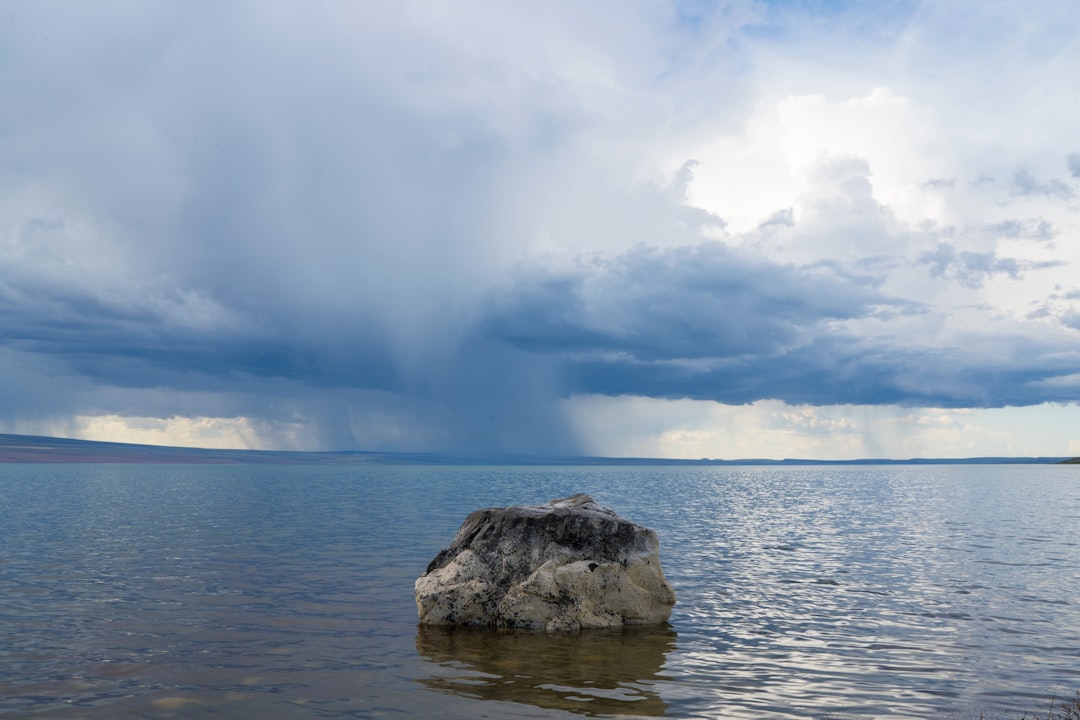
The thaw of the last glacial period, a period often referred to as the Pleistocene epoch, was not merely a climatic shift; it was a profound geological event that reshaped the planet and, in doing so, laid the foundation for humanity’s most monumental transformation: the rise of civilization. For millennia, human existence had been largely a nomadic endeavor, dictated by the rhythms of megafauna herds and the seasonal bounty of a harsh, glaciated world. But as the ice retreated, revealing vast new territories and altering ecosystems, a new era dawned. This epochal transition from hunter-gatherer bands to settled agricultural societies, and eventually to complex civilizations, was a multifaceted process driven by environmental change, technological innovation, and fundamental shifts in social organization. The story of life after the Ice Age is a testament to human adaptability, ingenuity, and the perennial drive to build, to connect, and to thrive. It is a narrative woven from threads of discovery, cooperation, and the relentless pursuit of a more stable and prosperous existence, leading humanity from the shadows of the ice into the vibrant dawn of recorded history and beyond.
The end of the Pleistocene was marked by a dramatic warming trend. As global temperatures rose, massive ice sheets that had covered vast swathes of the Northern Hemisphere began to melt. This wasn’t a gradual, imperceptible shift; it was a period of significant climatic flux, with periods of rapid warming interspersed with cooler phases. The implications of this “Great Thaw” were far-reaching.
1.1 Retreating Glaciers and Expanding Habitats
The most immediate and visible effect was the retreat of glaciers. As these colossal ice masses receded, they exposed vast tracts of land previously buried under ice. This newly unfrozen earth became available for colonization by plants and animals, initiating a period of ecological recovery and diversification. Rivers carved new paths, lakes formed in the depressions left by retreating ice, and coastlines were reshaped by rising sea levels. This expansion of habitable land presented unprecedented opportunities for human populations.
1.2 Shifting Flora and Fauna: A New Ecological Landscape
The warming climate also led to significant shifts in plant and animal life. Mammoth steppe, the dominant ecosystem of the Ice Age, a treeless grassland supporting large herbivores, gradually gave way to mixed woodlands, forests, and more open plains depending on geographic location and rainfall patterns. Many large megafauna species, whose survival was intricately linked to the Ice Age environment, faced extinction. However, other species, more adaptable to the changing conditions, flourished. More importantly, the development of new plant communities, including various grains and legumes, created fertile grounds that would soon be understood and exploited by humans.
1.3 Human Migration and Population Dispersion
With the melting ice opening up new routes and the availability of new resources, human populations, which had been relatively concentrated in more temperate refugia during the Ice Age, began to disperse. They followed the retreating ice edges, explored the newly exposed lands, and adapted to the diverse environments that emerged. This dispersal led to increased contact between different human groups, fostering the exchange of ideas and technologies. The growing availability of diverse food sources, from newly abundant plant life to a wider range of animal prey, also supported a gradual increase in human population density in certain areas. This demographic shift was a critical precursor to more complex social structures.
1.4 The Advent of More Predictable Climates: Laying the Groundwork for Stability
While the transition period was not without its climatic volatility, the overall trend was towards more stable and predictable climatic conditions. The extreme fluctuations of the Ice Age, which often demanded constant adaptation and nomadic movement, were gradually replaced by more discernible seasonal cycles. This increased predictability of weather patterns and resource availability, particularly the seasonal ripening of plant foods, was arguably the most crucial factor in enabling humans to begin contemplating forms of settlement and resource management beyond immediate subsistence. It allowed for a degree of foresight and planning that was previously impossible.
After the Ice Age, significant changes occurred in the environment and human societies, leading to the development of agriculture and the rise of civilizations. One interesting article that explores the economic transformations in a modern context is about the Mexican auto industry, which is projected to experience strong growth by 2025. This growth can be seen as a parallel to the way societies adapted and evolved after the Ice Age, showcasing how industries can thrive and reshape economies over time. For more details, you can read the article here: Mexican Auto Industry Set for Strong Growth by 2025.
2. The Agricultural Revolution: Cultivating Change from the Ground Up
Perhaps the most profound consequence of the post-Ice Age environmental shifts was the dawning realization that plants could be manipulated and managed for human benefit. This led to the Neolithic Revolution, often referred to as the Agricultural Revolution, a paradigm shift that fundamentally altered human society and its relationship with the natural world.
After the Ice Age, significant changes in climate and environment led to the emergence of early human civilizations, which adapted to new landscapes and resources. This transition is explored in depth in a fascinating article that discusses the clues unearthed about pre-flood civilizations. For more insights on this topic, you can read the article here. Understanding these developments helps us appreciate how ancient societies thrived in the wake of dramatic environmental shifts.
2.1 The Long Road to Domestication: From Gathering to Cultivating
For millennia, humans had been adept gatherers, possessing intimate knowledge of wild plant species, their edible parts, and their seasonal cycles. This accumulated knowledge, combined with the increased availability of wild ancestors of domesticated crops (like wheat, barley, rice, and maize) in the fertile regions of the world, provided the fertile ground for experimentation. It is believed that the domestication process was gradual, beginning with intentional tending of desirable wild plants, preferentially harvesting those with larger seeds or less shattering heads, and eventually leading to selective breeding over many generations. This wasn’t a sudden eureka moment but a slow, empirical process of observation and intervention.
2.2 The Rise of Sedentary Lifestyles: Putting Down Roots
The successful cultivation of crops provided a reliable and abundant food source that was tied to a specific location. This allowed, and indeed necessitated, a move away from nomadic lifestyles. Communities began to settle in areas with fertile soil and access to water, establishing permanent villages. This sedentism had cascading effects on all aspects of human life. It allowed for the accumulation of material possessions, the development of more permanent structures, and the fostering of stronger social bonds within communities. The risks associated with constant movement diminished, replaced by new challenges and opportunities in managing settled life.
2.3 Surplus and Specialization: The Birth of New Roles
The efficiency of agriculture, particularly once it became well-established, often led to the production of food surpluses – more food than was immediately needed for survival. This surplus was a revolutionary development. It meant that not everyone in the community needed to be directly involved in food production. This freed up individuals to pursue other activities, leading to occupational specialization. Craftsmen, toolmakers, builders, healers, and eventually religious or administrative figures began to emerge. This division of labor fostered innovation and increased the overall complexity and productivity of society.
2.4 Population Growth and Density: The Inevitable Consequence
A stable and abundant food supply is a primary driver of population growth. As agricultural communities became more successful, birth rates often increased, and mortality rates, particularly among infants and children, began to decline due to improved nutrition and more consistent shelter. This led to a significant increase in human population density, particularly in the fertile river valleys where agriculture first took root. This population pressure, in turn, would fuel further innovation and the development of even more complex forms of social organization and governance.
3. The Dawn of Technology: Tools for a Building World
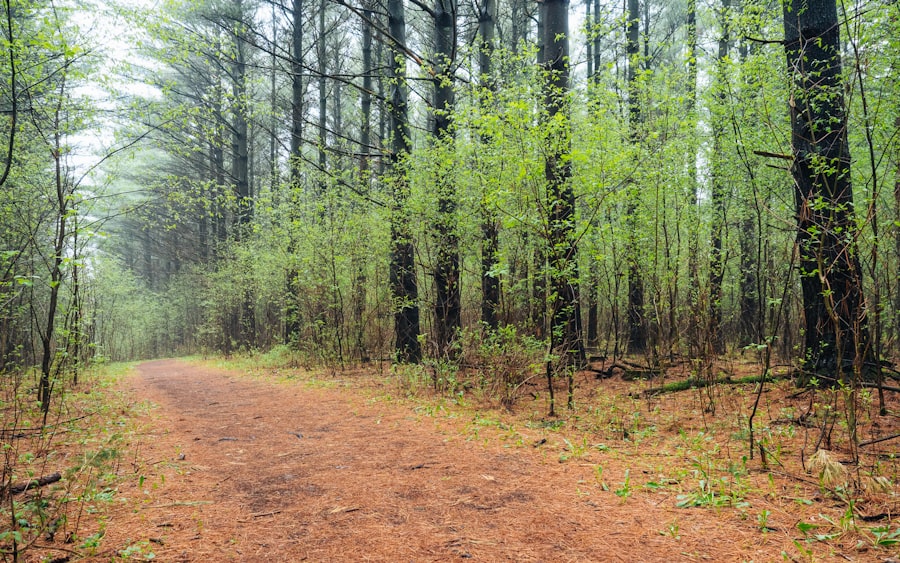
The transition to settled life and increased population density spurred significant advancements in technology. Humans no longer needed only those tools that could be easily carried; they could now invest time and effort into developing more sophisticated and specialized tools for farming, construction, and resource management.
3.1 Advancements in Agriculture: From Digging Sticks to Plows
The early tools of agriculture were rudimentary – sharpened sticks and stone hoes. However, as agricultural practices matured, so did the technology. The development of the sickle, for instance, made harvesting more efficient. The invention of the plow, pulled by domesticated animals, revolutionized land preparation, allowing for larger areas to be cultivated and enabling the working of heavier soils. Pottery became essential for storing grains, liquids, and other foodstuffs, as well as for cooking. These innovations dramatically increased agricultural yields and reduced the labor required per unit of food produced.
3.2 Building and Construction Innovations: From Huts to Homes
Sedentary life demanded more substantial shelter. Early dwellings evolved from simple tents and huts to more permanent structures made of mud brick, stone, and timber. The ability to construct more durable and comfortable homes provided greater protection from the elements and fostered a sense of place and permanence. The development of tools for cutting, shaping, and joining materials like wood and stone became increasingly important. The building of granaries, communal storage facilities, and eventually defensive walls marked further technological sophistication.
3.3 Tools for Craftsmanship and Trade: The Rise of Specialized Skills
Beyond agriculture and construction, technological innovation extended to the creation of new tools for various crafts. The development of weaving looms for textiles, pottery wheels for more efficient pottery production, and improved methods for working with stone, bone, and eventually metal (though metallurgy came later in many regions) facilitated the production of a wider range of goods. These advancements not only improved daily life but also laid the groundwork for trade and the exchange of specialized products between communities.
3.4 The Control of Fire: A Persistent Ally
While humans had mastered fire long before the Ice Age, its controlled use became even more critical in the post-glacial world. Fire was essential for cooking, which made many foods more digestible and safer, and for clearing land for agriculture. It provided warmth, light, and protection from predators. The ability to maintain and strategically deploy fire was a fundamental technological skill that underpinned many other advancements, from early metallurgy to food preservation and sanitation.
4. The Seeds of Social Complexity: Organizing for Survival and Growth

As human societies transitioned from egalitarian hunter-gatherer bands to larger, settled agricultural communities, new

What If 90% of Human History Is Underwater?
FAQs
1. What caused the end of the ice age?
The end of the ice age, also known as the Pleistocene epoch, was primarily caused by changes in the Earth’s orbit and axial tilt, leading to shifts in the distribution of solar radiation. This resulted in a gradual warming of the planet and the melting of the ice sheets.
2. How did the environment change after the ice age?
After the ice age, the environment underwent significant changes. As the ice sheets melted, sea levels rose, reshaping coastlines and flooding low-lying areas. The warming climate also led to the retreat of glaciers and the expansion of forests and grasslands.
3. What impact did the end of the ice age have on human civilization?
The end of the ice age had a profound impact on human civilization. As the climate warmed, early human populations were able to expand into new territories, following the migration of animals and the growth of vegetation. This led to the development of agriculture and the establishment of settled communities.
4. How did animal species adapt to the post-ice age environment?
Many animal species adapted to the post-ice age environment by shifting their ranges and behaviors in response to changing climate and habitat conditions. Some species migrated to new areas, while others evolved new adaptations to survive in the changing landscape.
5. What geological evidence exists to show the changes after the ice age?
Geological evidence of the changes after the ice age includes the presence of glacial moraines, which mark the former extent of ice sheets, as well as sediment layers that indicate shifts in sea levels. Additionally, fossil records show changes in the distribution of plant and animal species as the environment transformed.