- The Antikythera Mechanism: A Lost Ancient Computer?
- Unearthing the Enigma: Discovered in 1901 by sponge divers off the coast of the Greek island of Antikythera, this remarkable artifact initially appeared to be a mere lump of corroded bronze. The shipwreck it was found in dated to the 1st century BCE, and within its ancient timbers lay a treasure trove of statues, pottery, and coins. However, it was the peculiar, gear-filled object that truly captured the attention and confounded scholars for decades. The sheer complexity and precision of its internal mechanisms were unlike anything previously attributed to the ancient world. Initial attempts to understand its purpose were hampered by its degraded state, leading to speculation ranging from a rudimentary clock to an astronomical device.
- A Glimpse into the Past: Through advanced imaging techniques, including X-rays and CT scans, archaeologists and historians have painstakingly pieced together the intricate workings of the Antikythera Mechanism. What they have revealed is nothing short of astonishing: a sophisticated analog computer designed to predict astronomical positions and eclipses decades in advance. It featured a system of over 30 interlocking bronze gears, a remarkably complex arrangement for its time. The front dial displayed a calendar and the movements of the sun and moon, while another dial showed the positions of the five planets known to the ancient Greeks. It even incorporated a retrograde motion mechanism, allowing it to model the seemingly backward movement of planets in the night sky.
- The “Who” and “Why” Remain Shrouded: While the “what” of the Antikythera Mechanism is now largely understood – its function as an astronomical calculator – the “who” and “why” continue to fuel debate. Who designed and built such an intricate device? The level of engineering and mathematical understanding required suggests a highly advanced society, but the exact identity of its creators is unknown. It’s theorized to have originated from a Greek city with strong scientific traditions, possibly Rhodes, or even Archimedes himself, though direct evidence is lacking. The purpose of such a device is also a matter of conjecture. Was it solely for scientific or astronomical observation, or did it have a more ritualistic or even predictive role? Its presence on a merchant vessel suggests it was either being transported as a valuable commodity, a testament to its prestige, or perhaps to a specific destination for its intended use.
- Implications for Ancient Technology: The Antikythera Mechanism has profoundly reshaped our understanding of ancient Greek technological capabilities. It has demonstrated that the Greeks possessed a level of mechanical sophistication far beyond what was previously assumed. The gears are remarkably precise, indicating advanced metallurgical knowledge and craftsmanship. This discovery has challenged the long-held notion of a linear progression of technological development, suggesting that certain advanced technologies may have existed in antiquity and then been lost to history. It raises questions about other potential discoveries that might be lurking in shipwrecks and buried sites, waiting to reveal further secrets of ancient ingenuity. The Mechanism stands as a testament to a lost era of brilliant innovation, a mechanical marvel that continues to inspire awe and wonder.
- The Voynich Manuscript: A Cryptic Codex of Unknown Origin
- A Ghostly Parchment: The Voynich Manuscript, named after Wilfrid Voynich, the Polish book dealer who acquired it in 1912, is a medieval codex of approximately 240 vellum pages. Its enigmatic nature lies not only in its incomprehensible text but also in its bizarre illustrations, depicting plants, celestial charts, and nudes in unsettlingly unidentifiable forms. The manuscript is believed to date to the early 15th century, based on carbon dating of the vellum, but its exact provenance and original owner remain elusive. It has passed through the hands of several notable figures, including Emperor Rudolf II, who reportedly believed it was the work of Roger Bacon.
- Unlocking the Unreadable: The text of the Voynich Manuscript is written in an unknown script, often referred to as “Voynichese,” which has defied all attempts at decipherment for over a century. Linguists, cryptographers, and historians have employed every available tool, from statistical analysis to computational linguistics, but the language remains stubbornly impenetrable. Theories abound: is it a sophisticated cipher, an unknown natural language, a constructed language, or even a clever hoax? The script exhibits statistical properties suggestive of a natural language, with distinct patterns of word frequency and letter combinations. However, no known language matches its structure or vocabulary, leading to ongoing frustration.
- A Botanical Enigma and Celestial Puzzles: The illustrations are as perplexing as the text. The manuscript is broadly divided into sections, including botanical, astronomical, biological, cosmological, pharmaceutical, and recipe sections. The botanical section features drawings of plants that do not correspond to any known species on Earth, raising questions about whether they are imaginary, symbolic, or perhaps extinct. The astronomical and cosmological sections contain diagrams that appear to represent celestial bodies, constellations, and perhaps astrological charts, but again, their interpretation is highly speculative. The biological sections depict naked women bathing in interconnected fluids, surrounded by strange tubes and devices, adding another layer of mystery to the manuscript’s content. The pharmaceutical section displays what appear to be roots and leaves, possibly indicating medicinal uses, but without any accompanying readable text, their purpose remains a puzzle.
- Theories and Speculations: The theories surrounding the Voynich Manuscript are as varied as they are imaginative. Some scholars believe it is a lost occult text, an alchemical treatise, or a guide to forgotten herbal remedies. Others propose it’s a coded communication from a secret society or a historical document written in a language that has since vanished. The possibility of a sophisticated hoax, created to deceive or defraud, has also been seriously considered. The lack of consensus among experts highlights the manuscript’s profound resistance to interpretation. Its persistent enigma continues to captivate and challenge researchers, making it one of history’s most enduring and intriguing unsolved mysteries. The very act of trying to decipher it, even in failure, has pushed the boundaries of our understanding of linguistic analysis and historical cryptography.
- The Nazca Lines: Enormous Geoglyphs of the Peruvian Desert
- Giants in the Sand: Etched into the arid plains of the Nazca Desert in southern Peru, the Nazca Lines are an extraordinary collection of geoglyphs, or large designs etched into the ground. These colossal figures, some stretching for hundreds of meters, depict various forms of life – hummingbirds, spiders, monkeys, lizards, whales – as well as geometric shapes like trapezoids, rectangles, and spirals. Created by the ancient Nazca culture between 500 BCE and 500 CE, these etchings were made by removing the reddish-brown surface stones to expose the lighter soil beneath. The precision and scale of these figures, especially when viewed from a distance, are awe-inspiring.
- Aerial Artistry and Ancient Engineers: The most striking aspect of the Nazca Lines is their clarity and completeness when viewed from high altitudes. From ground level, many of the figures are not discernible as distinct shapes, leading to the question of how the Nazca people were able to create such accurate and cohesive designs. Theories suggest they may have used scaffolding or elevated platforms, employing a system of proportional scaling and detailed planning to transfer designs from smaller models to the vast desert floor. The consistency of the lines and the geometric precision of the shapes point to a highly organized society with advanced surveying and planning capabilities. The sheer effort involved in creating these massive earthworks, with no apparent practical purpose related to agriculture or settlement, has fueled much speculation.
- Purpose and Meaning: A Celestial Calendar or Ritualistic Pathway? The purpose of the Nazca Lines remains the subject of intense debate and intriguing theories. One prominent hypothesis is that they served as a giant astronomical calendar, aligning with celestial events such as solstices or the rising of certain stars. Scholars like Maria Reiche dedicated much of her life to studying the lines, proposing that they were connected to astronomical observation and agricultural cycles. Another theory suggests they were part of a complex religious or ritualistic system, perhaps pathways or sites for ceremonies, with the animal figures representing deities or ancestral spirits. The large trapezoidal shapes have been interpreted as landing strips for ancient spacecraft, an idea popularized by Erich von Däniken, though this lacks any substantial archaeological evidence. More grounded theories propose they were intended to be seen by the gods in the sky.
- Enduring Legacy and Conservation Challenges: The Nazca Lines have been a UNESCO World Heritage site since 1994, recognized for their outstanding universal value. However, the fragile desert environment and the increasing human activity in the region pose significant threats to their preservation. Off-road vehicles, agricultural development, and even the passage of time can erode and damage these ancient wonders. Ongoing research continues to shed light on the Nazca culture and their remarkable achievements, but the ultimate purpose and meaning of these silent giants in the desert continue to elude definitive answers, leaving them as one of humanity’s most captivating archaeological enigmas. The simplicity of their creation – the removal of surface material – belies the complexity of their conception and execution, a testament to the ingenuity of a long-vanished civilization.
- The Terracotta Army: An Unfinished Spectacle Beneath the Earth
- An Emperor’s Eternal Guard: Discovered in 1974 by local farmers in Xi’an, China, the Terracotta Army is a vast collection of life-sized clay soldiers, chariots, and horses buried for over two millennia alongside the tomb of Qin Shi Huang, the first emperor of unified China. The sheer scale of the discovery is breathtaking, with thousands of individual figures unearthed, each with unique facial features, hairstyles, and military attire, suggesting they were crafted by individual artisans from molds. The army was intended to protect the emperor in the afterlife, a testament to his immense power and his belief in a subterranean kingdom.
- A Symphony of Clay and Detail: The craftsmanship of the Terracotta Army is exceptionally detailed. The figures exhibit a remarkable range of expressions, from stoic warriors to alert archers and formidable cavalrymen. Originally, the figures were brightly painted with vibrant colors, though most of this pigment has faded upon exposure to air after excavation. The weapons they carried, though often made of wood and silk and long since decayed, were fashioned from bronze and skillfully crafted. The organization of the army, with different ranks and formations represented, provides invaluable insights into the military strategies and structures of the Qin Dynasty. Each soldier’s individualization, a monumental undertaking that would have required immense coordination and resources, speaks volumes about the power and ambition of the First Emperor.
- The Emperor’s Unfinished Realm: While the discovery of the army has been phenomenal, the tomb itself, where Qin Shi Huang is believed to be interred, remains largely unexplored. Excavations have been deliberately avoided due to concerns about preserving the tomb’s potentially unstable contents and the advanced technology required to safely access and study such a significant historical site. Legends and historical records suggest that the tomb is a marvel of engineering, filled with mercury rivers, and booby traps designed to protect the emperor’s eternal rest. The ongoing excavation of the outer pits, which continue to reveal new formations of soldiers and dignitaries, only intensifies the mystery of what lies within the central mausoleum. The scale suggests that the creation of this subterranean metropolis was a project of an unparalleled magnitude, spanning decades and involving hundreds of thousands of laborers.
- A Window into a Lost Empire: The Terracotta Army offers an unparalleled glimpse into the Qin Dynasty, a pivotal period in Chinese history. The discovery has provided invaluable archaeological evidence that complements and, in some cases, challenges existing historical records. The army’s existence underscores the wealth and power of imperial China and the profound belief in the afterlife held by its rulers. While the general purpose of the army is understood, the complete nature of the emperor’s tomb and the exact details of its construction remain subjects of intense speculation. The mystery of the unexplored central tomb, with its rumored mercury rivers and booby traps, continues to tantalize historians and archaeologists alike, promising further revelations about one of history’s most formidable rulers. The sheer scale of manpower and meticulous planning required for this project offers a tangible, albeit enigmatic, testament to the organizational prowess of the Qin state.
- The Lost City of Atlantis: Myth or Memory?
- A Philosophical Fable or a Real Place? The tale of Atlantis, first chronicled by the Greek philosopher Plato in his dialogues Timaeus and Critias around 360 BCE, describes a powerful and technologically advanced island civilization that existed “beyond the Pillars of Hercules” (believed to be the Strait of Gibraltar). According to Plato, Atlantis was a naval power that attempted to conquer Athens and much of the Mediterranean world but was ultimately defeated by the Athenians. Following its defeat, Atlantis was consumed by “violent earthquakes and floods” and sank into the ocean in a single day and night of misfortune. This vivid account has captivated imaginations for millennia, sparking endless debate: was Atlantis a purely allegorical creation of Plato, or does it represent a distorted memory of a real lost civilization?
- The Search for the Sunken Continent: The allure of Atlantis has driven countless expeditions and countless theories about its potential location. Various regions have been proposed as the site of the lost city, including the Aegean Sea, the Mediterranean, the Atlantic Ocean, and even as far afield as the Caribbean and Antarctica. Explorers and researchers have scoured the depths and scanned the landscapes, searching for any evidence that might corroborate Plato’s narrative. Some theories link Atlantis to historical events like the Minoan eruption of Thera (Santorini), which caused catastrophic tsunamis and devastated the Minoan civilization, or to geological formations and underwater structures that exhibit unusual characteristics. However, despite extensive research, no definitive archaeological evidence has been found to conclusively identify Atlantis.
- Plato’s Allegory: Moral Lesson or Historical Account? Scholars continue to debate the true nature of Plato’s Atlantis. Many believe it was a philosophical construct, a literary device used to illustrate Plato’s ideal state and to warn against hubris and imperial ambition. In this interpretation, Atlantis serves as a cautionary tale about a prosperous but morally corrupt society that ultimately meets its just deserts. Others argue that Plato might have been drawing upon existing legends or distorted historical accounts of real events, perhaps the destruction of a technologically advanced, albeit exaggerated, civilization. The lack of independent historical accounts of Atlantis outside of Plato’s writings is a significant hurdle for those who believe in its physical existence.
- The Enduring Enigma: Whether Atlantis was a real place or a powerful myth, its story continues to resonate. It represents humanity’s fascination with lost worlds, forgotten knowledge, and the possibility of advanced ancient civilizations. The absence of concrete proof only fuels the mystery, allowing for endless speculation and imaginative interpretations. The legend of Atlantis serves as a powerful reminder of the vastness of the unknown and the enduring human quest to uncover the secrets of our past, challenging us to question the boundaries between myth, history, and the potential wonders that may lie hidden beneath the waves or buried in the sands of time. The persistent human desire to find it, despite centuries of looking, speaks to the profound impact of Plato’s narrative on the human psyche.
- The Göbekli Tepe: The World’s Oldest Temple?
- A Neolithic Revolution in Stone: Located in southeastern Turkey, Göbekli Tepe is an archaeological site that has fundamentally challenged our understanding of early human civilization. Dating back over 11,000 years, to the Pre-Pottery Neolithic period, this complex predates Stonehenge and the Egyptian pyramids by thousands of years. The site consists of numerous massive stone pillars, many T-shaped and weighing several tons, arranged in massive circular enclosures. These pillars are intricately carved with depictions of animals, including lions, foxes, snakes, and birds, as well as geometric symbols. The scale and sophistication of the construction, at a time when humans were believed to be primarily nomadic hunter-gatherers, is truly astounding.
- Organized Labor and Early Belief Systems: The construction of Göbekli Tepe required a significant level of organization, engineering skill, and collective effort. The monumental stone pillars were quarried, transported, and erected by people who, according to previous archaeological paradigms, had not yet developed complex social structures or organized labor on such a scale. The presence of such elaborate religious structures raises profound questions about the driving forces behind their creation. Was it a communal gathering place for religious ceremonies, a site for astronomical observation, or perhaps a sophisticated sanctuary for ancestor worship? The animal carvings, often depicted in dynamic and sometimes aggressive poses, suggest a rich symbolic and possibly spiritual world for the people who built this site.
- Rewriting the History of Civilization: The discovery of Göbekli Tepe has led archaeologists to reconsider the traditional narrative of human development. Previously, it was thought that settled agriculture and the formation of permanent villages preceded the development of monumental architecture and organized religion. However, Göbekli Tepe suggests that the opposite may have been true: that the desire to build these monumental religious structures may have been a catalyst for the development of agriculture and settled lifestyles, as people gathered and cooperated to create and maintain the site. This paradigm shift suggests that complex belief systems and social organization may have emerged before the widespread adoption of farming. The site forces us to confront the possibility that our ancestors were far more complex and spiritually driven than previously imagined in their early stages of development.
- An Unfinished Story: Despite decades of excavation, much of Göbekli Tepe remains unexplored, with estimates suggesting that only 5% has been unearthed. The full extent and purpose of the site are still being uncovered, offering the promise of future revelations. The continuous discovery of new enclosures and carvings continues to add layers of complexity to its interpretation. The questions surrounding who built it, why they built it in such a remote location, and what it signifies about their sophisticated understanding of the world continue to fascinate researchers. Göbekli Tepe is not just an ancient site; it is a testament to the enduring mysteries of human history and the remarkable capabilities of our earliest ancestors, a true enigma that continues to redefine our understanding of the dawn of civilization.
- The Phaistos Disc: A Riddle in Clay from Ancient Crete
- An Enigmatic Artifact of the Minoan Age: Unearthed in 1908 by Italian archaeologist Luigi Pernier at the Minoan palace-site of Phaistos on the island of Crete, the Phaistos Disc is a unique and perplexing artifact. This baked clay disc, approximately 15 centimeters (6 inches) in diameter, is inscribed on both sides with a spiral of distinct symbols, pressed into the clay using stamps. Radiocarbon dating places the disc to the middle Minoan period, roughly between 1850 and 1700 BCE, contemporary with the flourishing of the Minoan civilization, known for its advanced culture and sophisticated script. The disc’s peculiar appearance and unknown script have made it one of archaeology’s most enduring and tantalizing mysteries.
- A Script Beyond Comprehension: The most compelling aspect of the Phaistos Disc is its inscription. It features a unique set of 45 distinct pictographic signs, not found anywhere else in the Minoan written record, such as Linear A and Linear B. These signs are arranged in a spiral pattern, reading from the outside inwards, and are impressed into the clay rather than being incised. Linguists and cryptographers have attempted to decipher the script for over a century, proposing various theories about its nature and meaning. Is it an early form of a Semitic language, a syllabic script, or even a phonetic alphabet? Despite numerous attempts, no widespread consensus has been reached, and the precise meaning of the inscription remains unknown, adding to its enigmatic allure.
- Purpose and Provenance: A Ritual Object or Everyday Use? The purpose of the Phaistos Disc is as mysterious as its script. Theories range from a religious or ritualistic object used in ceremonies to a form of ancient board game, a game intended to be played with tokens that may have been lost to time. Its unique nature suggests it was not a common artifact but likely held special significance. The presence of stamped symbols, a relatively advanced method of inscription for its time, hints at a sophisticated level of craftsmanship and perhaps a specialized purpose. The question of its origin is also debated; while found at Phaistos, it’s unknown if it was created there or imported from another location. The very fact that only one such disc has ever been discovered adds to its rarity and intrigue.
- A Symbol of Minoan Innovation: The Phaistos Disc stands as a captivating example of the ingenuity and unique artistic expression of the Minoan civilization. It represents a technological innovation in the use of stamps for inscription, a precursor to later printing techniques. The mystery of its decipherment, coupled with the unknown purpose and origin, ensures its continued fascination for scholars and the public alike. It serves as a powerful reminder that even within highly advanced ancient cultures, there can be objects and systems of communication that defy our current understanding, leaving us to ponder the lost voices and intentions of those who came before us. The disc continues to be a focal point for scholarly debate and public imagination, a concrete object that embodies the profound depths of the unread past.

What If 90% of Human History Is Underwater?
FAQs

What are some famous archaeological mysteries?
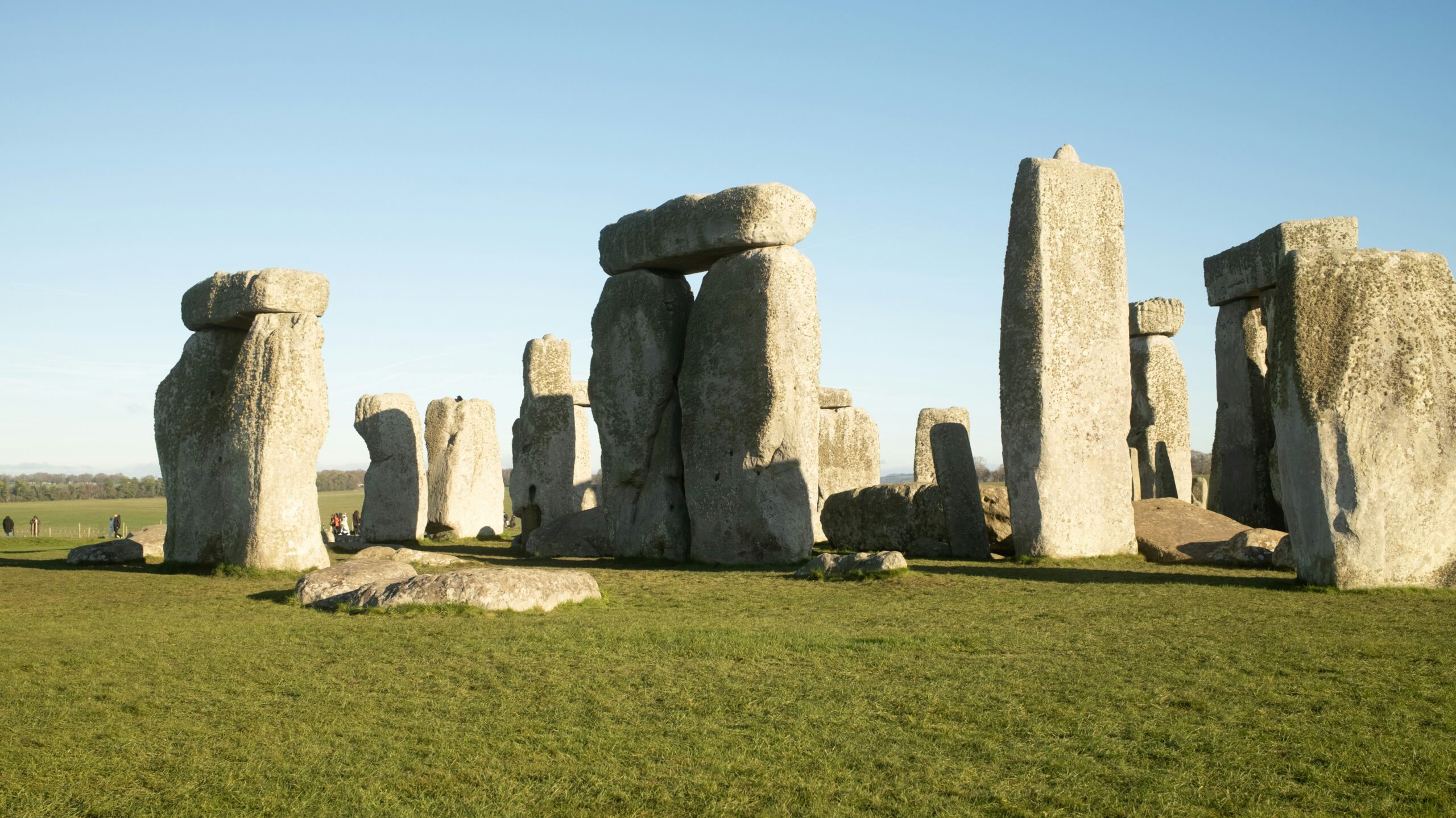
Some famous archaeological mysteries include the construction of Stonehenge, the purpose of the Nazca Lines in Peru, the disappearance of the Mayan civilization, the location of the lost city of Atlantis, and the purpose of the Easter Island statues.
How do archaeologists solve mysteries?
Archaeologists solve mysteries by conducting excavations, analyzing artifacts, using advanced technologies such as ground-penetrating radar and LiDAR, studying historical documents and texts, and collaborating with experts in various fields such as geology, anthropology, and biology.
What are some recent archaeological discoveries?
Recent archaeological discoveries include the unearthing of a 3,000-year-old city in Egypt called “The Rise of Aten,” the discovery of a 2,000-year-old Roman ceremonial chariot in Pompeii, the finding of a 1,000-year-old Viking ship burial in Norway, and the identification of a 15,000-year-old “mega henge” monument in the UK.
Why are archaeological mysteries important?
Archaeological mysteries are important because they help us understand the past, unravel ancient civilizations, and shed light on human history and cultural evolution. They also inspire curiosity, spark scientific inquiry, and contribute to the preservation of cultural heritage.
What are some ongoing archaeological mysteries?
Some ongoing archaeological mysteries include the purpose of the Great Pyramids of Giza, the origins of the Moai statues on Easter Island, the true identity of the ancient city of Troy, the significance of the Nasca Lines in Peru, and the enigma of the Voynich manuscript.