
Collective false memories represent a fascinating intersection of psychology, sociology, and cultural phenomena. These memories arise when a group of people recalls an event or detail that did not occur or is significantly distorted from reality. As we delve into this phenomenon, we recognize that collective false memories are not merely individual misrememberings; they are shared experiences that can shape the beliefs and behaviors of entire communities.
This shared distortion can be so powerful that it creates a sense of reality for those involved, leading them to confidently assert the accuracy of their memories despite evidence to the contrary. The nature of these memories is deeply rooted in the malleability of human memory itself. Memory is not a perfect recording of events; rather, it is a reconstructive process influenced by various factors, including emotions, social interactions, and external information.
When we engage in discussions about past events, our recollections can be altered by the input of others, leading to a collective reinforcement of inaccuracies. This phenomenon highlights the fragility of our memories and raises important questions about the reliability of our shared histories.
Key Takeaways
- Collective false memories are memories that are shared by a group of people but are not based on actual events or experiences.
- Examples of collective false memories in history include the Mandela Effect and the false belief in a “mass panic” during Orson Welles’ War of the Worlds radio broadcast.
- Factors contributing to the formation of collective false memories include social interaction, suggestion, and the power of storytelling.
- Social influence plays a significant role in the formation of collective false memories, as individuals may conform to the beliefs of the group.
- Media and technology can impact collective false memories by spreading misinformation and shaping public perception.
Examples of Collective False Memories in History
Throughout history, there have been numerous instances where collective false memories have shaped public perception and understanding. One notable example is the widespread belief in the “Mandela Effect,” where large groups of people remember Nelson Mandela dying in prison during the 1980s, despite him being released and later becoming the President of South Africa. This phenomenon illustrates how collective false memories can emerge from shared cultural narratives and misinformation, leading to a distorted understanding of historical events.
Another significant example can be found in the realm of urban legends. Stories such as the “Berenstain Bears” versus “Berenstein Bears” debate have sparked heated discussions among those who insist on their recollections of the beloved children’s book series. This collective misremembering has led to a broader conversation about how cultural artifacts can influence our memories and perceptions.
These examples serve as reminders that our understanding of history is often shaped by collective beliefs rather than objective truths.
Factors Contributing to the Formation of Collective False Memories
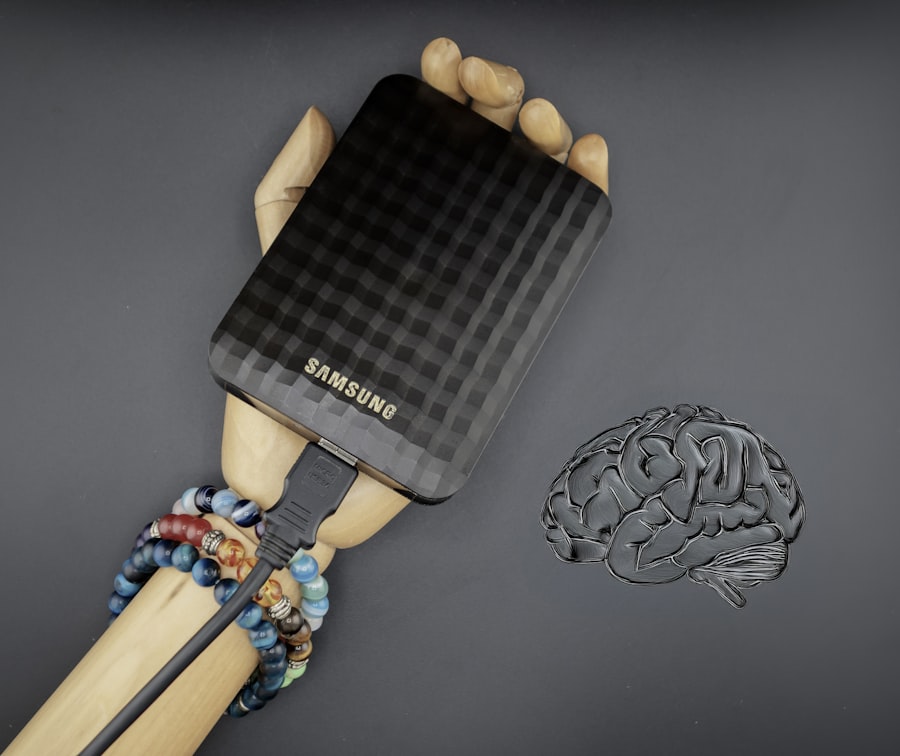
Several factors contribute to the formation of collective false memories, with social dynamics playing a crucial role. One primary factor is the phenomenon of social reinforcement, where individuals within a group validate each other’s memories, creating a sense of consensus. When we share our recollections with others, we may unconsciously adjust our memories to align with theirs, leading to a collective distortion of the truth.
This process can be particularly potent in close-knit communities or during significant events where emotions run high. Additionally, cognitive biases such as confirmation bias and the misinformation effect can exacerbate the formation of collective false memories. Confirmation bias leads us to seek out information that supports our existing beliefs while disregarding contradictory evidence.
When we encounter misinformation—whether through social media, news outlets, or word-of-mouth—we may incorporate these inaccuracies into our memories without realizing it. This interplay between social dynamics and cognitive biases creates fertile ground for collective false memories to flourish.
The Role of Social Influence in Collective False Memories
| Study | Participants | Findings |
|---|---|---|
| Study 1 | 120 | Participants were more likely to report false memories when exposed to social influence. |
| Study 2 | 150 | Increased social influence led to higher rates of collective false memories. |
| Study 3 | 100 | Participants in groups with social influence were more susceptible to forming false memories. |
Social influence plays a pivotal role in shaping our memories and perceptions, particularly in group settings. When we engage in discussions about past events with others, we are often swayed by their recollections and interpretations. This social interaction can lead to a phenomenon known as “memory conformity,” where individuals adjust their memories to align with those of their peers.
As we navigate these social landscapes, we may find ourselves adopting beliefs and recollections that are not entirely accurate but feel valid due to the collective agreement within the group. Moreover, social identity can further complicate the formation of collective false memories. When we identify strongly with a particular group—be it political, cultural, or social—we may be more inclined to accept and propagate shared memories that reinforce our group’s narrative.
This tendency can create echo chambers where misinformation thrives, as dissenting voices are marginalized or dismissed. The interplay between social influence and memory highlights the importance of understanding how our identities shape our perceptions of reality.
The Impact of Media and Technology on Collective False Memories
In today’s digital age, media and technology play a significant role in shaping collective false memories. The rapid dissemination of information through social media platforms can amplify inaccuracies and distortions, leading to widespread misconceptions. Viral posts or trending topics can create a sense of urgency that encourages individuals to share information without verifying its accuracy.
As we scroll through our feeds, we may inadvertently contribute to the spread of collective false memories by sharing content that aligns with our beliefs or emotions. Furthermore, the algorithms that govern social media platforms often prioritize engagement over accuracy, creating echo chambers where misinformation thrives. When we are exposed to repeated narratives—whether true or false—our brains may begin to accept them as reality.
This phenomenon underscores the importance of critical thinking and media literacy in navigating the complex landscape of information in the digital age. As we become more aware of these influences, we can take steps to mitigate their impact on our collective memory.
How Collective False Memories Can Affect Behavior and Beliefs
The implications of collective false memories extend beyond mere inaccuracies; they can significantly influence behavior and beliefs within communities. When large groups share distorted recollections or beliefs, these narratives can shape societal norms and expectations. For instance, collective false memories surrounding historical events can lead to skewed perceptions of justice or morality, impacting how communities respond to contemporary issues.
Moreover, collective false memories can foster division and conflict among groups with differing recollections or interpretations of events. When individuals cling to inaccurate memories that align with their identities or ideologies, it becomes challenging to engage in constructive dialogue or find common ground. This polarization can hinder progress on important societal issues and perpetuate cycles of misunderstanding and mistrust.
Debunking Collective False Memories: The Importance of Critical Thinking
To combat the prevalence of collective false memories, fostering critical thinking skills is essential. Encouraging individuals to question their recollections and seek out evidence-based information can help mitigate the impact of misinformation. By promoting an environment where skepticism is valued, we empower ourselves and others to challenge prevailing narratives and engage in thoughtful discussions about memory and history.
Educational initiatives that emphasize media literacy can also play a crucial role in debunking collective false memories. By teaching individuals how to evaluate sources critically and discern fact from fiction, we equip them with the tools necessary to navigate an increasingly complex information landscape. As we cultivate these skills within ourselves and our communities, we contribute to a more informed society capable of recognizing and addressing collective false memories.
The Ethical Implications of Collective False Memories
The ethical implications surrounding collective false memories are profound and multifaceted. On one hand, these memories can shape cultural identities and foster a sense of belonging within communities. However, when inaccuracies become entrenched in collective memory, they can lead to harmful consequences, such as perpetuating stereotypes or justifying discrimination against marginalized groups.
Moreover, the manipulation of collective false memories for political or ideological gain raises ethical concerns about accountability and responsibility. When leaders or organizations exploit shared inaccuracies to further their agendas, they undermine trust within society and erode the foundations of informed decision-making. As we navigate these ethical dilemmas, it becomes imperative to advocate for transparency and integrity in how we approach memory and history.
The Relationship Between Collective False Memories and Conspiracy Theories
The relationship between collective false memories and conspiracy theories is particularly intriguing. Many conspiracy theories thrive on shared inaccuracies that resonate with individuals’ beliefs or fears. When groups collectively remember events in a way that aligns with conspiracy narratives, they may become more entrenched in those beliefs despite contradictory evidence.
This connection highlights the importance of understanding how collective false memories can fuel distrust in established institutions and sources of information. As individuals seek alternative explanations for complex events, they may gravitate toward conspiracy theories that offer simplistic answers rooted in shared misrememberings. Addressing this relationship requires a nuanced approach that acknowledges the psychological underpinnings of belief formation while promoting critical thinking and open dialogue.
Strategies for Preventing and Correcting Collective False Memories
Preventing and correcting collective false memories necessitates a multifaceted approach that involves education, communication, and community engagement. One effective strategy is fostering environments where open discussions about memory are encouraged. By creating spaces for individuals to share their recollections while also critically examining them, we can promote a culture of reflection that values accuracy over consensus.
Additionally, leveraging technology for educational purposes can help combat misinformation. Online platforms can serve as tools for disseminating accurate information while also providing resources for critical thinking skills development. By harnessing the power of technology responsibly, we can work toward reducing the prevalence of collective false memories in our communities.
The Future of Research on Collective False Memories
As we look toward the future, research on collective false memories holds great promise for enhancing our understanding of memory dynamics within social contexts. Continued exploration into the psychological mechanisms underlying these phenomena will provide valuable insights into how memory operates at both individual and group levels. Furthermore, interdisciplinary collaboration among psychologists, sociologists, historians, and technologists will enrich our understanding of how collective false memories shape societal narratives.
In an era marked by rapid technological advancements and evolving communication landscapes, ongoing research will be crucial for developing effective strategies to address misinformation and promote accurate collective memory. By prioritizing this area of study, we can work toward fostering a more informed society capable of navigating the complexities of memory in an increasingly interconnected world.
The phenomenon of collective false memory, often referred to as the Mandela Effect, is a fascinating subject that delves into how groups of people can share the same incorrect memory. This intriguing psychological occurrence is explored in various articles, including one on Real Lore and Order. For a deeper understanding of how collective false memories can shape our perception of reality, you can read more about it in this com/sample-page/’>related article.
This piece provides insights into the mechanisms behind these shared misconceptions and their implications on our understanding of memory and truth.
WATCH THIS! Your Childhood Memories Are Completely Wrong
FAQs
What is the collective false memory phenomenon?
The collective false memory phenomenon refers to a situation where a group of people share a false memory of an event that did not actually occur. This can occur due to suggestion, social influence, or other factors.
How does the collective false memory phenomenon occur?
Collective false memories can occur through a variety of mechanisms, including suggestion, misinformation, and social influence. For example, leading questions, media coverage, and group discussions can all contribute to the formation of false memories.
What are some examples of the collective false memory phenomenon?
One famous example of the collective false memory phenomenon is the “Mandela Effect,” where a large number of people remember Nelson Mandela dying in prison in the 1980s, despite the fact that he was released from prison in 1990 and went on to become the President of South Africa.
What are the implications of the collective false memory phenomenon?
The collective false memory phenomenon has implications for various fields, including psychology, law, and history. It highlights the fallibility of memory and the potential for misinformation to influence individuals and groups.
How can the collective false memory phenomenon be studied?
Researchers study the collective false memory phenomenon through experiments, surveys, and case studies. They may use techniques such as implanting false memories, analyzing historical records, and examining the impact of social factors on memory formation.