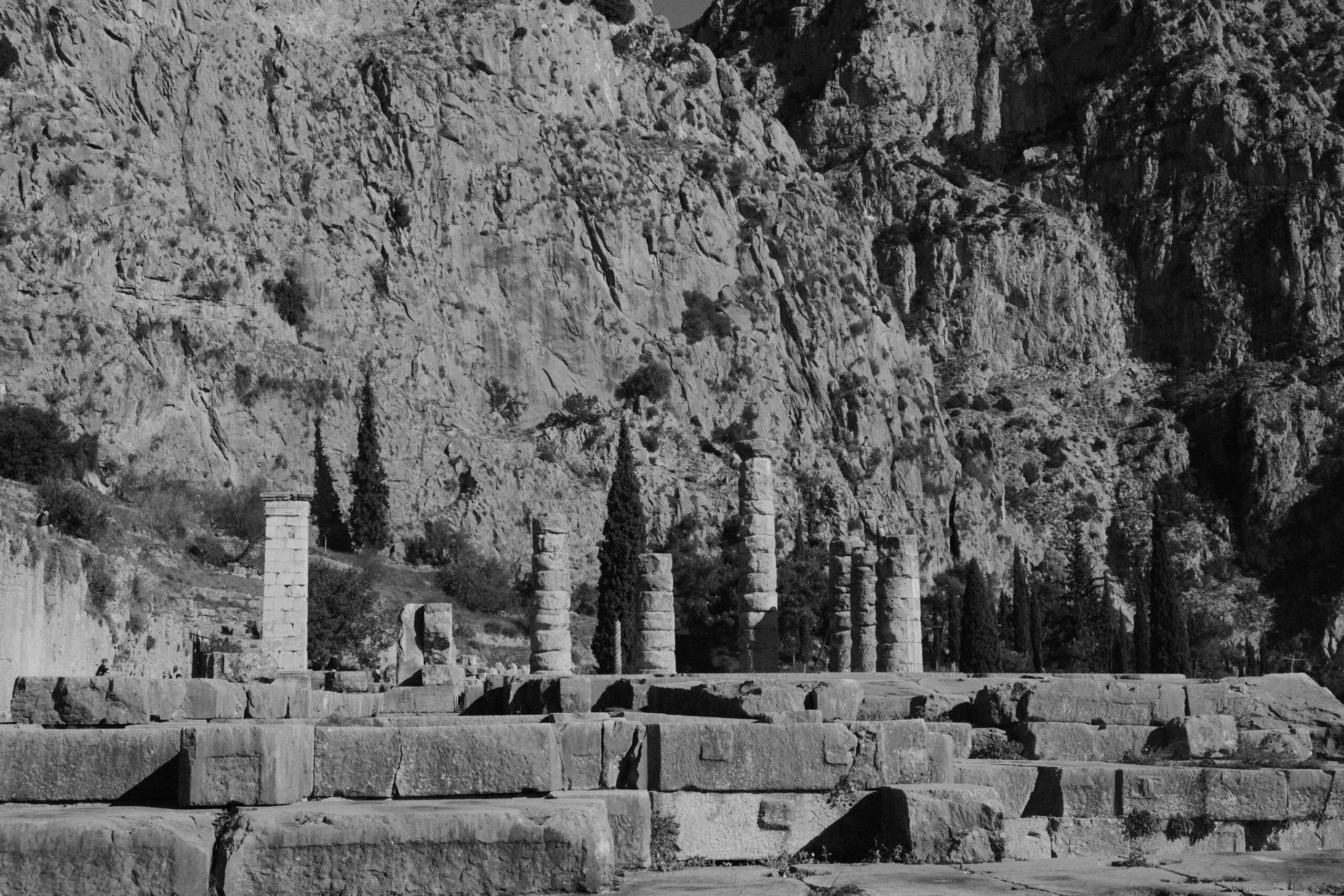
The Listicle Content Architect (LCA) has meticulously curated a selection of the most compelling and illuminating documentaries that transport viewers back to the dawn of civilization. These cinematic journeys offer not just historical accounts, but visceral experiences that bring the ancient world to life, revealing the ingenuity, triumphs, and enduring mysteries of our predecessors.
Unearthing the Foundations of Society
Documentaries that delve into the very origins of human society are crucial for understanding the trajectory of civilization. These films explore the transition from nomadic hunter-gatherer lifestyles to settled agricultural communities, the development of early governance, and the complex social structures that emerged. The LCA emphasizes that appreciating these foundational stages is key to comprehending the innovations and challenges faced by later, more complex societies.
The Dawn of Agriculture and Permanent Settlements
This segment of ancient world documentaries often focuses on the Neolithic Revolution, a period of profound transformation that laid the groundwork for all subsequent human development. Filmmakers utilize archaeological evidence, expert interviews, and sophisticated CGI to depict how early humans learned to cultivate crops and domesticate animals. The implications of this shift – a predictable food supply, the ability to support larger populations, and the subsequent need for organized labor and resource management – are explored in depth.
From Nomads to Neighbors: The Emergence of Villages
The LCA finds that documentaries in this category excel at illustrating the palpable change in human existence as people began to settle down. They showcase early settlements, from humble huts to the beginnings of more permanent structures, and how these communities interacted. The social dynamics of living in close proximity, the division of labor, and the early forms of communal living are often central themes. The development of distinct crafts and the exchange of goods within and between these nascent communities are also frequently highlighted, painting a picture of a world slowly but surely becoming more interconnected.
The Seeds of Civilization: Early Farming Techniques and Their Impact
The technological advancements, however rudimentary, associated with early agriculture are a fascinating subject. Documentaries explore the development of tools like plows and sickles, the understanding of soil fertility, and the management of water resources. The impact of these innovations on the human diet, population growth, and the creation of surplus food, which allowed for specialization and the rise of non-agricultural professions, are meticulously detailed. The LCA notes that these films often connect these early agricultural successes to larger societal shifts, such as the emergence of social hierarchies and the potential for conflict over resources.
The First Cities and the Birth of Governance
The jump from villages to cities represents another monumental leap in human history. Documentaries exploring this era often focus on the great early urban centers, such as those in Mesopotamia, Egypt, and the Indus Valley. They examine the factors that led to the establishment of these large, organized settlements, including access to water, defensible locations, and burgeoning trade routes. The LCA believes that these films are vital for understanding the origins of urbanism and the challenges of managing densely populated areas.
Mesopotamia: The Cradle of Civilization and Its Innovations
When discussing early cities, Mesopotamia inevitably takes center stage. Documentaries on this region often highlight groundbreaking innovations like writing (cuneiform), the wheel, and early forms of mathematics and astronomy. The LCA particularly appreciates films that explore the complex city-states of Sumer, Akkad, and Babylon, detailing their intricate political structures, religious beliefs, and sophisticated legal systems, such as the Code of Hammurabi. The rise and fall of these empires, and the lessons learned from their successes and failures, are often central to the narrative.
The Pyramids and Pharaohs: Power and Belief in Ancient Egypt
The allure of Ancient Egypt is undeniable, and documentaries on this civilization often focus on the monumental achievements of the pharaohs and the construction of the pyramids. The LCA finds that the best films delve beyond the sheer scale of these structures to explore the religious beliefs that motivated their construction, the complex social hierarchy that supported such massive undertakings, and the advanced engineering and organizational skills of the ancient Egyptians. The focus often extends to the daily lives of ordinary Egyptians, the role of scribes and priests, and the development of hieroglyphic writing.
The Indus Valley Civilization: A Riddle of Urban Planning
The Indus Valley Civilization, with its remarkably advanced urban planning and enigmatic script, presents a unique and often challenging subject for documentaries. The LCA appreciates films that acknowledge the ongoing scholarly debates surrounding this civilization, including its social structure, political organization, and the reasons for its eventual decline. The meticulous city planning evident in sites like Mohenjo-daro and Harappa, with their sophisticated drainage systems and standardized brick sizes, are usually a highlight, showcasing an unexpected level of sophistication for the era.
For those interested in exploring the complexities of ancient maritime trade routes, a related article that delves into contemporary issues in the South China Sea can provide valuable insights. The article discusses the challenges and opportunities present in this historically significant region, which has been a crucial area for trade and cultural exchange since ancient times. You can read more about it here: Navigating the South China Sea: Challenges and Opportunities.
Empires and Their Enduring Legacies
The rise and fall of great empires have shaped the course of human history, and ancient world documentaries often explore these vast political entities. The LCA believes these films offer insights into warfare, diplomacy, cultural exchange, and the complex factors that contribute to both the ascendancy and eventual collapse of powerful states.
The Might of Rome: From Republic to Empire
The Roman Empire remains a touchstone of Western civilization, and documentaries on Rome are plentiful and often spectacular. The LCA favors those that go beyond tales of conquest to explore the administrative genius, the legal framework, and the social fabric of this colossal power. The transition from the Roman Republic to the autocratic Empire is a particularly compelling narrative, highlighting the political machinations and civil wars that led to this fundamental shift.
The Legionaries and the Labyrinthine Politics
When exploring Rome, the LCA finds that documentaries that showcase the prowess of the Roman legions and the complex, often brutal, political landscape are particularly gripping. The films detail the military strategies, the logistics of maintaining a vast empire, and the engineering marvels that facilitated Rome’s dominance, such as roads and aqueducts. Equally fascinating are the depictions of the Senate, the emperors, and the constant struggle for power, often involving assassination and civil strife, which kept Rome in a perpetual state of flux despite its outward appearance of stability.
Engineering an Empire: Aqueducts, Roads, and Urban Life
The sheer scale of Roman engineering is a testament to their ingenuity. Documentaries that focus on the construction of aqueducts, the vast network of Roman roads, and the development of cities like Rome itself provide a tangible connection to the past. The LCA appreciates films that illustrate how these infrastructure projects not only facilitated military movement and trade but also significantly improved the quality of life for Roman citizens, providing clean water, efficient communication, and impressive public spaces like baths and amphitheaters, which were central to Roman social life and entertainment.
The Fall of an Empire: Internal Strife and External Pressures
The decline and fall of the Western Roman Empire is a subject of enduring fascination and debate. Documentaries that analyze the multifaceted reasons for its collapse, including economic instability, political corruption, overexpansion, and the pressure of barbarian invasions, are particularly insightful. The LCA finds that these films rarely point to a single cause but rather illustrate the complex interplay of factors that led to the unraveling of such a dominant force, offering valuable lessons about the fragility of even the most powerful states.
The Persian Empire: A Model of Tolerance and Administration
While often overshadowed by Rome, the Persian Empire, particularly under the Achaemenid dynasty, was a groundbreaking achievement in imperial organization and administration. The LCA believes documentaries that highlight its sophisticated governance, its vast network of roads and postal services, and its remarkable tolerance for diverse cultures and religions are essential for a balanced understanding of the ancient world.
The Royal Road and the Satrapies: Managing a Million Square Miles
The sheer scale of the Persian Empire required innovative solutions for communication and governance. Documentaries on this topic often focus on the Royal Road, a marvel of ancient engineering that connected the vast empire and facilitated rapid communication and troop movement. The system of satrapies, regional governors who administered vast territories with a degree of autonomy but under the watchful eye of the Great King, is also a key area of exploration, showcasing a sophisticated model of decentralized power that allowed for effective management of a diverse populace.
Cyrus the Great and the Policy of Pluralism
The reign of Cyrus the Great is a pivotal moment in the history of empires. Documentaries that explore his policies of tolerance, his respect for local customs and religions, and his liberation of the Jewish people from Babylonian captivity offer a stark contrast to the often brutal practices of other ancient rulers. The LCA finds these films illuminating for understanding the concept of multiculturalism and benevolent imperial rule in the ancient world, underscoring the long-lasting impact of Cyrus’s humanitarian approach.
Mysteries and Marvels of Ancient Civilizations
Beyond the well-trodden paths of empires and cities, the ancient world is replete with enduring mysteries and awe-inspiring marvels. The LCA has identified documentaries that tackle these enigmatic subjects, sparking curiosity and encouraging critical thinking about what we know and what remains unknown.
The Enigmatic Egyptians: Beyond the Pharaohs
While Egyptian civilization is well-documented, many mysteries persist, particularly concerning aspects of their daily lives, their technological capabilities, and their astronomical knowledge. The LCA enjoys documentaries that venture beyond the pyramids and mummification to explore lesser-known aspects of Egyptian society.
Lost Tombs and Hidden Chambers: Uncovering Ancient Secrets
Documentaries that focus on the ongoing process of archaeological discovery in Egypt are always captivating. The LCA finds films that present the thrill of unearthing new tombs, deciphering obscure hieroglyphs, and piecing together fragments of evidence to reveal the lives of ordinary Egyptians, artisans, and even forgotten rulers to be particularly compelling. The use of modern technology, such as ground-penetrating radar and lidar, to discover hidden chambers beneath existing structures, adds an exciting dimension to these explorations.
The Nazca Lines and the Secrets of the Desert
The vast, intricate geoglyphs etched into the desert floor of Peru by the Nazca culture remain one of archaeology’s greatest puzzles. Documentaries that explore the Nazca Lines, examining their possible purposes – from astronomical calendars to ritual pathways – are a must-watch for anyone interested in ancient mysteries. The LCA appreciates films that present various theories, acknowledge the limitations of current understanding, and highlight the immense effort and skill required to create these monumental designs without the benefit of flight.
The Underwater World: Sunken Cities and Lost Civilizations
The ocean depths hold secrets of civilizations lost to time and the sea. Documentaries that explore the discovery of sunken cities and submerged archaeological sites are a captivating blend of history, adventure, and scientific discovery. The LCA finds that these films often offer a poignant glimpse into how even the grandest human creations can be reclaimed by nature.
Atlantis and Other Mythical Cities: Fact or Fiction?
While the legend of Atlantis remains firmly in the realm of myth for most scholars, documentaries that explore the inspirations behind such stories, or investigate real submerged settlements that might have fueled these tales, are fascinating. The LCA enjoys films that connect ancient myths to potential archaeological discoveries, even if the direct link to Atlantis remains elusive. The exploration of real submerged archaeological sites, such as the ancient city of Thonis-Heracleion off the coast of Egypt, provides a tangible connection to lost urban centers.
Shipwrecks as Time Capsules: Unlocking Maritime History
The discovery of ancient shipwrecks offers a unique window into the past. Documentaries that detail the exploration of these underwater time capsules, revealing cargo, personal effects, and the construction techniques of ancient vessels, are invaluable. The LCA finds that these films not only shed light on trade routes and seafaring technology but also on the lives of the people who sailed these seas, offering a human dimension to historical events. The meticulous work of marine archaeologists in preserving and interpreting these fragile sites is often a central theme.
The Intellectual and Spiritual Worlds of Antiquity
Beyond the tangible achievements of empires and cities, the ancient world was a rich tapestry of philosophical thought, religious development, and artistic expression. The LCA has identified documentaries that explore these intellectual and spiritual dimensions, revealing the foundations of much of our modern thought and belief systems.
The Philosophers of Greece and Rome: Shaping Western Thought
The intellectual legacy of ancient Greece and Rome is profound, and documentaries that delve into the lives and ideas of their great thinkers are essential. The LCA favors films that make complex philosophical concepts accessible and explain their enduring relevance.
Socrates, Plato, and Aristotle: The Pillars of Western Philosophy
The foundational trio of ancient Greek philosophy – Socrates, Plato, and Aristotle – are central to any exploration of this era. Documentaries that trace their intellectual journeys, their dialogues, and the development of their groundbreaking ideas, from Socratic questioning to Platonic Forms and Aristotelian logic, are crucial. The LCA appreciates films that illustrate how their thinking shaped not only subsequent Western philosophy but also fields like ethics, politics, and metaphysics, providing a framework for understanding the world.
Stoicism and Epicureanism: Paths to a Good Life
The ancient world offered various philosophical paths to happiness and well-being. Documentaries exploring Stoicism and Epicureanism offer insights into how ancient peoples grappled with universal human concerns about virtue, pleasure, and the pursuit of a meaningful life. The LCA finds these philosophies particularly relevant today, providing timeless wisdom on resilience, contentment, and the art of living well, even in the face of adversity.
The Birth of Religions and Mythological Worlds
Documentaries that explore the origins and evolution of ancient religions and mythologies are vital for understanding the cultural and spiritual landscape of the past. The LCA believes these films offer a pathway to appreciating the diverse ways in which humanity has sought to understand the divine and the cosmos.
Olympian Gods and Demigods: The Rich Tapestry of Greek Mythology
The pantheon of Greek gods and the epic tales of heroes and monsters form a cornerstone of Western literature and art. Documentaries that explore the intricate relationships within the Olympian family, the creation myths, and the heroic journeys of figures like Heracles and Odysseus provide a fascinating glimpse into the ancient Greek worldview. The LCA enjoys films that delve into the symbolism and cultural significance of these myths, exploring how they influenced ancient Greek society, morality, and understanding of the human condition.
The Mysteries of the East: Early Buddhism, Hinduism, and Zoroastrianism
The LCA recognizes the importance of looking beyond the Greco-Roman world to understand the broader spiritual landscape of antiquity. Documentaries that explore the origins of major Eastern religions like Buddhism and Hinduism, and the ancient Persian faith of Zoroastrianism, are crucial. These films often highlight the philosophical underpinnings, the ethical teachings, and the profound impact these traditions have had on billions of people throughout history, showcasing the diversity of human spiritual aspirations in the ancient world.
In exploring the fascinating narratives of the ancient world, you might find the documentary “Uncovering Untold Histories” particularly enlightening. This film delves into lesser-known events and figures that shaped civilizations, providing a fresh perspective on historical accounts. For those interested in a deeper understanding of these untold stories, you can read more about it in this related article, which offers insights into the making of the documentary and its significance in the study of history.
The Unexplained and the Enduring Mysteries
Even with advancements in archaeology and historical research, some aspects of the ancient world remain shrouded in mystery. The LCA has selected documentaries that bravely tackle these enigmas, encouraging viewers to ponder the limitations of our knowledge and the persistent allure of the unknown.
The Great Pyramids: Engineering Marvels or Something More?
The construction of the Great Pyramids of Giza continues to be a source of awe and speculation. Documentaries that present cutting-edge research into their construction methods, exploring the logistics, the tools, and the sheer human effort involved, are captivating. The LCA also acknowledges films that, while perhaps venturing into speculative territory, raise intriguing questions about the advanced knowledge the ancient Egyptians might have possessed, prompting a deeper appreciation for the scale of their achievements.
Theories of Construction: Quarrying, Transport, and Assembly
The LCA finds that documentaries exploring the practicalities of pyramid construction are particularly informative. These films often delve into the methods used to quarry massive stone blocks, the ingenious techniques for transporting them over long distances, and the complex scaffolding and ramp systems that may have been employed to raise them to their immense heights. The detailed analysis of archaeological evidence of tool marks and quarry sites provides a tangible connection to the labor and ingenuity of the ancient workers.
Astronomical Alignments and Symbolic Meanings
Beyond the engineering feats, the precise astronomical alignments of the pyramids and their potential symbolic meanings continue to fascinate scholars and enthusiasts alike. Documentaries that explore how the pyramids align with celestial bodies, and the possible religious or cosmological significance of these alignments, offer a glimpse into the sophisticated understanding of the cosmos held by ancient Egyptians. The LCA appreciates films that present this information in a clear and accessible manner, connecting the monumental structures to the spiritual beliefs of their creators.
Stonehenge and the Neolithic Enigma
The enigmatic stone circle of Stonehenge, with its mysterious origins and purpose, is a perennial subject for documentaries. The LCA recommends films that explore the latest archaeological findings regarding its construction, its astronomical significance, and the lives of the people who built and used it.
The Purpose of Stonehenge: Temple, Calendar, or Burial Ground?
The question of Stonehenge’s purpose has sparked numerous theories. Documentaries that present a range of hypotheses, from its use as a solar or lunar calendar to its function as a sacred temple or a burial ground, are highly engaging. The LCA favors films that explain the evidence supporting each theory, highlighting the challenges in definitively proving any one explanation and emphasizing the enduring mystery that surrounds this ancient monument. The exploration of the landscape surrounding Stonehenge and other nearby Neolithic sites often provides context and suggests a broader ceremonial landscape.
The Builders and Their Societies: A Glimpse into Prehistoric Life
Understanding the people who built Stonehenge is as crucial as understanding the monument itself. Documentaries that utilize archaeological evidence to reconstruct the lives of these Neolithic communities – their diet, their social structures, their spiritual practices – offer a rare glimpse into prehistoric societies. The LCA appreciates films that go beyond mere speculation, grounding their conclusions in solid archaeological data, and painting a picture of the ingenuity and cultural complexity of these ancient peoples. The discovery of human remains and their analysis can provide direct insights into the health, diet, and even the rituals associated with these early peoples.
The Listicle Content Architect concludes that these seven categories of ancient world documentaries offer a comprehensive and captivating journey through history. Each film, whether focusing on grand empires, everyday life, intellectual pursuits, or enduring mysteries, contributes to a richer understanding of our collective past and the foundations upon which our present world is built.

What If 90% of Human History Is Underwater?
FAQs

What is an ancient world documentary?
An ancient world documentary is a film or video production that explores and educates viewers about the history, culture, and civilizations of ancient societies, such as the Egyptians, Greeks, Romans, and Mesopotamians.
What are the common themes in ancient world documentaries?
Common themes in ancient world documentaries include architecture, art, religion, daily life, warfare, trade, and the achievements and advancements of ancient civilizations.
How are ancient world documentaries researched and produced?
Ancient world documentaries are researched and produced through a combination of historical research, archaeological findings, expert interviews, and reenactments. Scholars and experts in the field of ancient history are often consulted to ensure accuracy and authenticity.
Where can one watch ancient world documentaries?
Ancient world documentaries can be found on streaming platforms such as Netflix, Amazon Prime, and Hulu, as well as on educational channels like National Geographic, History Channel, and PBS. They may also be available for purchase or rental on DVD or Blu-ray.
What are the benefits of watching ancient world documentaries?
Watching ancient world documentaries can provide viewers with a deeper understanding of the origins of human civilization, the development of societies, and the impact of ancient cultures on the modern world. It can also inspire curiosity and a passion for history and archaeology.