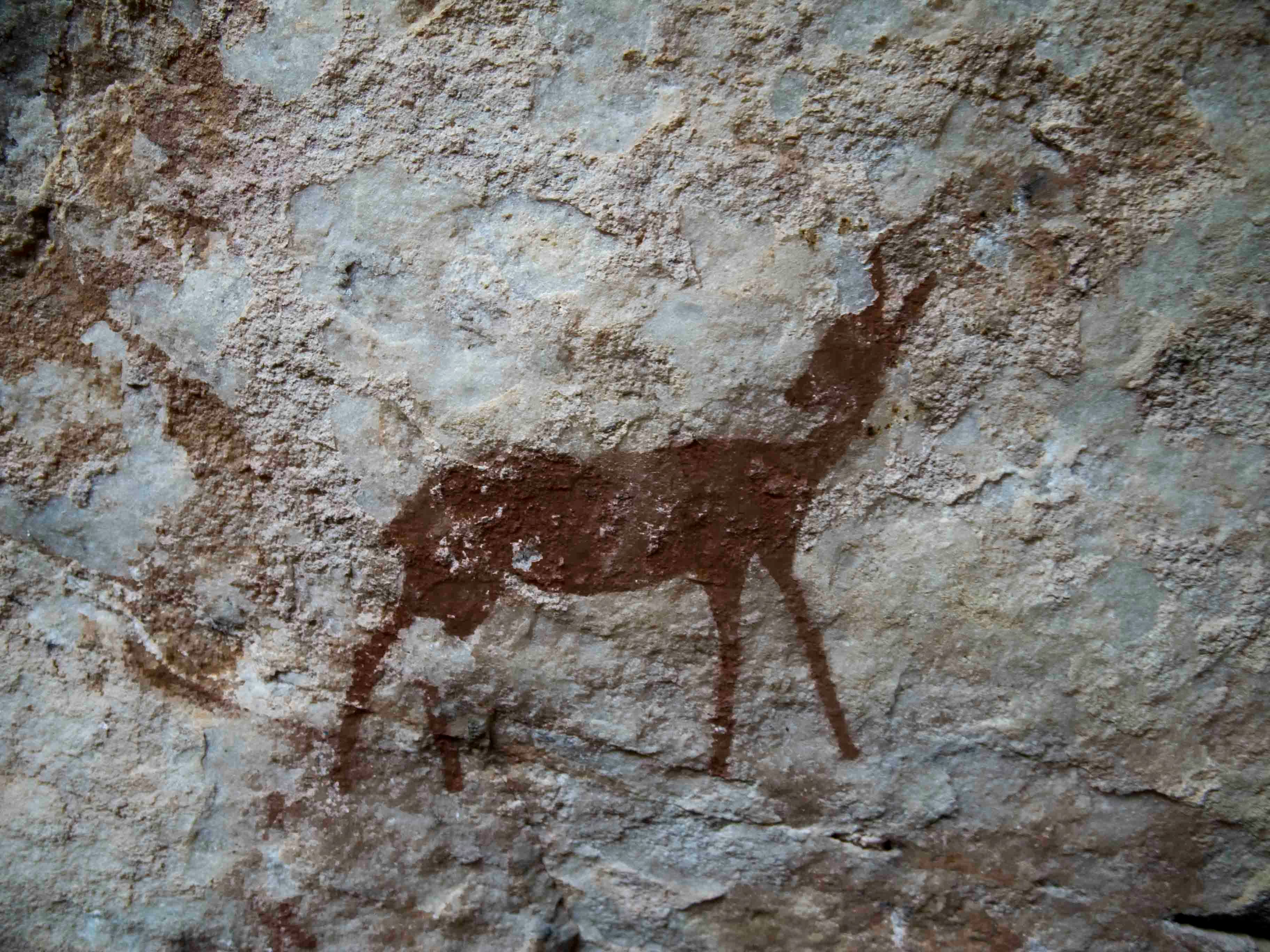
The icy grip of the Pleistocene epoch, a period stretching from roughly 2.6 million to 11,700 years ago, has preserved an extraordinary window into the lives of our ancient ancestors. Far from being a desolate wasteland, the Ice Age world teemed with life, and its frozen landscapes have yielded archaeological treasures that continue to reshape our understanding of human evolution, migration, and ingenuity. As the Listicle Content Architect, tasked with distilling complex historical narratives into digestible and engaging formats, this exploration of “10 Fascinating Discoveries in Ice Age Archaeology” promises to be a journey into the heart of humanity’s deep past. Each find, meticulously excavated from the permafrost or sculpted by glacial forces, tells a story of survival, adaptation, and the dawn of culture.
- The Enigmatic Denisovans: A New Branch on the Human Family Tree
For decades, the prevailing narrative of human evolution focused on Homo sapiens and Neanderthals. The discovery of the Denisovans, however, dramatically altered this picture, revealing a third, distinct hominin group that coexisted with both Homo sapiens and Neanderthals across Asia.
The Siberian Revelation
The initial evidence for Denisovans emerged not from a grand monument or a complete skeleton, but from a small, finger bone fragment found in Denisova Cave in the Altai Mountains of Siberia. Discovered in 2008, this minuscule piece of bone, seemingly unremarkable at first, contained remarkably well-preserved ancient DNA.
Unraveling the Genetic Tapestry
The subsequent genetic analysis, pioneered by Svante Pääbo and his team, revealed that this finger bone belonged to a young female hominin whose genetic makeup differed significantly from both modern humans and Neanderthals. This groundbreaking discovery demonstrated that as many as three different hominin groups inhabited Eurasia at the same time. Further genetic evidence, including teeth and a toe bone found in the same cave, painted a broader picture of this enigmatic species.
Ice Age archaeology offers fascinating insights into the lives of early humans and their interactions with the environment during a time of significant climatic change. A related article that delves into the impact of ice sheets on ancient civilizations is available at this link: Piri Reis and Ice Sheet Mass Balance. This article explores how the dynamics of ice sheets have influenced human history and archaeological findings, shedding light on the broader implications of climate change on human development.
Geographic Reach and Interbreeding
While Denisova Cave provided the initial anchor for this discovery, evidence suggests Denisovans had a much wider geographic distribution. Genetic studies of modern human populations have revealed traces of Denisovan DNA, particularly in Melanesia, East Asia, and Southeast Asia. This indicates that Denisovans interbred with the ancestors of these present-day populations, a testament to the complex migratory patterns and interactions of ancient hominins.
Implications for Human Migration
The presence of Denisovan DNA in modern humans prompts a re-evaluation of early human migration routes and the extent of interspecies interactions. It suggests that as Homo sapiens expanded out of Africa, they encountered and mingled with established hominin populations, passing on genetic legacies that persist today. This discovery underscores that human evolution was not a linear progression but a complex mosaic of interbreeding and diversification. The adaptation to different environments, including the cold climates of Siberia, likely played a role in the unique traits and distribution of Denisovans.
- Lascaux Cave Paintings: The Dawn of Artistic Expression
The Upper Paleolithic period witnessed an explosion of creativity, with humans leaving behind breathtaking examples of cave art that continue to captivate and mystify. Among the most spectacular of these are the paintings found in Lascaux Cave in southwestern France, often referred to as the “Sistine Chapel of Prehistory.”
A Serendipitous Discovery
Discovered in 1940 by a group of teenagers and their dog, Lascaux Cave was sealed for millennia, preserving its vibrant pigments and intricate depictions of animals in near-pristine condition. The sheer scale and artistic sophistication of the artwork immediately suggested a profound cultural significance for the people who created it.
A Gallery of Prehistoric Life
The walls of Lascaux are adorned with over 2,000 figures, primarily of large animals such as horses, aurochs, stags, and bison. The dexterity with which these creatures are rendered, capturing their movement and physicality, is astonishing. The artists employed a sophisticated understanding of perspective, shading, and color, utilizing ochres, charcoal, and hematite to create a palette that remains vivid.
Interpretations and Mysteries
The meaning and purpose behind the Lascaux paintings remain subjects of intense debate among archaeologists and art historians. Theories range from shamanistic rituals and hunting magic to storytelling, mnemonic devices for tribal knowledge, or simply an aesthetic impulse to represent the world around them.
Beyond Mere Representation
While the representational aspect is undeniable, the abstract elements and symbolic arrangements within the cave suggest a deeper meaning. The presence of stencils, handprints, and geometric patterns alongside the animal figures hints at a complex symbolic language. The fact that the animals depicted are primarily large game animals common to the region at the time further fuels the connection between art and the practical realities of Ice Age life. The sustained effort and resources required to create these masterpieces also point to a well-developed social structure and shared belief system.
- The Mammoth Steppe Ecosystem: A World Transformed by Ice
The Ice Age was not merely a time of frozen landscapes but also of unique and expansive ecosystems. The “Mammoth Steppe,” a vast, treeless grassland that covered much of the Northern Hemisphere, was a critical environment that supported megafauna and played a pivotal role in the lives of Ice Age humans.
Recent discoveries in ice age archaeology have shed light on the complex relationship between ancient humans and their environment. A fascinating article explores how climate changes influenced human migration patterns during this period, revealing insights into survival strategies and adaptation. For a deeper understanding of these dynamics, you can read more in this insightful piece on ancient climate secrets at uncovering ancient climate steering secrets.
A Biodiversity Hotspot
Contrary to the popular image of a barren, icy wasteland, the Mammoth Steppe was a remarkably biodiverse environment. Fueled by high levels of sunlight and nutrient-rich soils deposited by glaciers, it supported a lush growth of grasses, sedges, and herbs. This abundant vegetation, in turn, sustained enormous populations of large herbivores, including mammoths, woolly rhinoceroses, steppe bison, and wild horses.
Giants of the Ice Age
The discovery of massive fossilized remains of these megafauna has been a cornerstone of Ice Age archaeology. These discoveries, often found in the permafrost or within ancient alluvial deposits, provide direct evidence of the animals that were central to the subsistence strategies of early humans. The sheer size and number of these animals highlight the incredible productivity of this ecosystem.
Human Reliance and Adaptation
Ice Age human societies were intricately linked to the Mammoth Steppe. The abundant prey offered a consistent and calorie-rich food source, essential for survival in harsh climates. The exploitation of these animals extended beyond meat, with bones, tusks, and hides providing crucial materials for tools, shelter, and clothing.
Evidence from the Field
Archaeological sites often reveal the clear imprint of this reliance. Animal bones, frequently bearing cut marks from stone tools, are found in abundance. The strategic placement of hunting camps near migration routes and watering holes further demonstrates a deep understanding of animal behavior. The discovery of well-preserved mammoth bones, sometimes used to construct dwellings, speaks volumes about the ingenuity and resourcefulness of Ice Age humans in utilizing every part of their prey. The interconnectedness of the ecosystem and the human hunter-gatherer relationship is a profound revelation.
- Early Human Tools: The Evolution of Ingenuity
The archaeological record is replete with evidence of the sophisticated toolmaking abilities of Ice Age hominins. These artifacts, meticulously crafted from stone, bone, and wood, offer unparalleled insights into their cognitive abilities, technological advancements, and problem-solving skills.
The Acheulean Handaxe: A Hallmark of Early Hominin Skill
One of the most recognizable and enduring tools of the Lower Paleolithic is the Acheulean handaxe. Characterized by its symmetrical, teardrop shape, the handaxe was a versatile tool used for a wide range of tasks, including butchering animals, digging for roots, and woodworking.
Persistence and Standardization
The remarkable longevity of the handaxe design, persisting for over a million years across vast geographic regions, speaks to its effectiveness and the stable cognitive abilities of makers like Homo erectus. The standardization of its form suggests a degree of social learning and shared knowledge transfer.
The Levallois Technique: A Leap in Cognitive Planning
The Middle Paleolithic saw the development of more sophisticated lithic technologies, most notably the Levallois technique. This method involved a complex, multi-stage process of striking flakes from a prepared core, requiring significant foresight and planning.
Precision and Efficiency
The Levallois technique allowed for the production of standardized, sharp-edged flakes that were remarkably efficient for cutting, scraping, and other tasks. Its emergence signifies a significant advancement in cognitive abilities, demonstrating an ability to mentally model the desired outcome and plan the necessary steps for its achievement.
Upper Paleolithic Innovations: Specialization and Diversity
The Upper Paleolithic witnessed an explosion of new tool types and materials. This period saw the development of highly specialized tools, including projectile points for spears and later, arrows, bone needles for sewing, and harpoons for fishing.
Beyond Basic Survival
The diversity and refinement of these tools indicate a growing complexity in human societies. The ability to create tailored tools for specific purposes, such as sewing warm clothing or hunting from a distance, facilitated adaptation to a wider range of environments and allowed for more efficient resource exploitation. The discovery of these tools often provides direct evidence of hunting techniques, clothing production, and other crucial aspects of daily life.
- Ice Age Hearths and Camps: Glimpses into Social Life
Beyond the tools and art, the physical arrangement of ancient living spaces offers invaluable clues about the social organization, daily routines, and communal life of Ice Age peoples. The discovery of well-preserved hearths and camp sites provides tangible evidence of how our ancestors gathered, worked, and socialized.
The Hearth as a Social Hub
The hearth, the central fire pit of a settlement, was more than just a source of warmth and light. Archaeologists interpret hearths as focal points for social interaction, where families and groups would gather to cook food, share stories, and plan activities. The proximity of hearths to other features within a camp can reveal patterns of behavior and social grouping.
Evidence from Occupied Spaces
The meticulous excavation of ancient campsites can reveal the spatial organization of activities. Areas dedicated to toolmaking, food processing, or refuse disposal can be identified, offering a glimpse into the division of labor and the flow of daily life. The presence of multiple hearths within a larger site might suggest a communal living arrangement with several family units or a larger social group.
Portable Dwellings: Adapting to a Mobile Lifestyle
In many regions, particularly in the open steppe environments, Ice Age peoples relied on portable dwellings. The discovery of circular arrangements of postholes or concentrations of mammoth bones, tusks, and hides suggests the construction of huts or tents that could be easily assembled and dismantled for relocation.
Mammoth Bone Structures: A Testament to Resourcefulness
Perhaps one of the most striking discoveries related to Ice Age dwellings is the use of mammoth bones as structural elements. Sites like those in Mezhirich, Ukraine, have revealed large dwellings constructed from mammoth skulls, tusks, and long bones, covered with animal hides. This ingenious use of available resources not only provided shelter but also speaks to a deep understanding of engineering and construction principles. It demonstrates a remarkable ability to adapt and thrive in challenging environmental conditions, utilizing the abundant megafauna in novel ways.
The Impact of Permafrost Preservation
The unparalleled preservation offered by permafrost has been instrumental in our understanding of Ice Age settlements. Frozen ground can preserve organic materials like wood, bone, and even traces of food, alongside the more durable stone artifacts. This allows for a richer and more detailed reconstruction of domestic life and the materials used in everyday objects. The discovery of hearths within these frozen contexts often preserves charred wood and animal remains, providing valuable insights into diet and fuel sources.
This concludes the listicle on ten fascinating discoveries in Ice Age archaeology. Each point, supported by archaeological evidence, offers a compelling glimpse into the lives, innovations, and adaptations of our ancient human ancestors, forever enriching our understanding of the human journey.

What If 90% of Human History Is Underwater?
FAQs

What is ice age archaeology?
Ice age archaeology is the study of human activity during the last glacial period, which occurred approximately 2.6 million years ago to 11,700 years ago. This field of archaeology focuses on understanding how early humans adapted to the harsh environmental conditions of the ice age.
What are some key findings in ice age archaeology?
Some key findings in ice age archaeology include evidence of early human migration patterns, the development of tools and technology, the use of fire, and the adaptation to changing climates. These findings provide valuable insights into the behavior and capabilities of early human populations.
How is ice age archaeology conducted?
Ice age archaeology is conducted through a combination of fieldwork, excavation, laboratory analysis, and the use of advanced scientific techniques such as radiocarbon dating, DNA analysis, and isotopic analysis. Researchers also utilize interdisciplinary approaches to study the environmental context of ice age sites.
What can ice age archaeology tell us about early human societies?
Ice age archaeology can provide valuable information about early human societies, including their social structures, subsistence strategies, cultural practices, and interactions with the environment. By studying ice age sites, researchers can gain a better understanding of how early humans lived and adapted to their surroundings.
Why is ice age archaeology important?
Ice age archaeology is important because it helps us to understand the origins and development of human societies, as well as the ways in which early humans interacted with their environment. This knowledge can contribute to our understanding of human evolution, technological innovation, and cultural diversity.