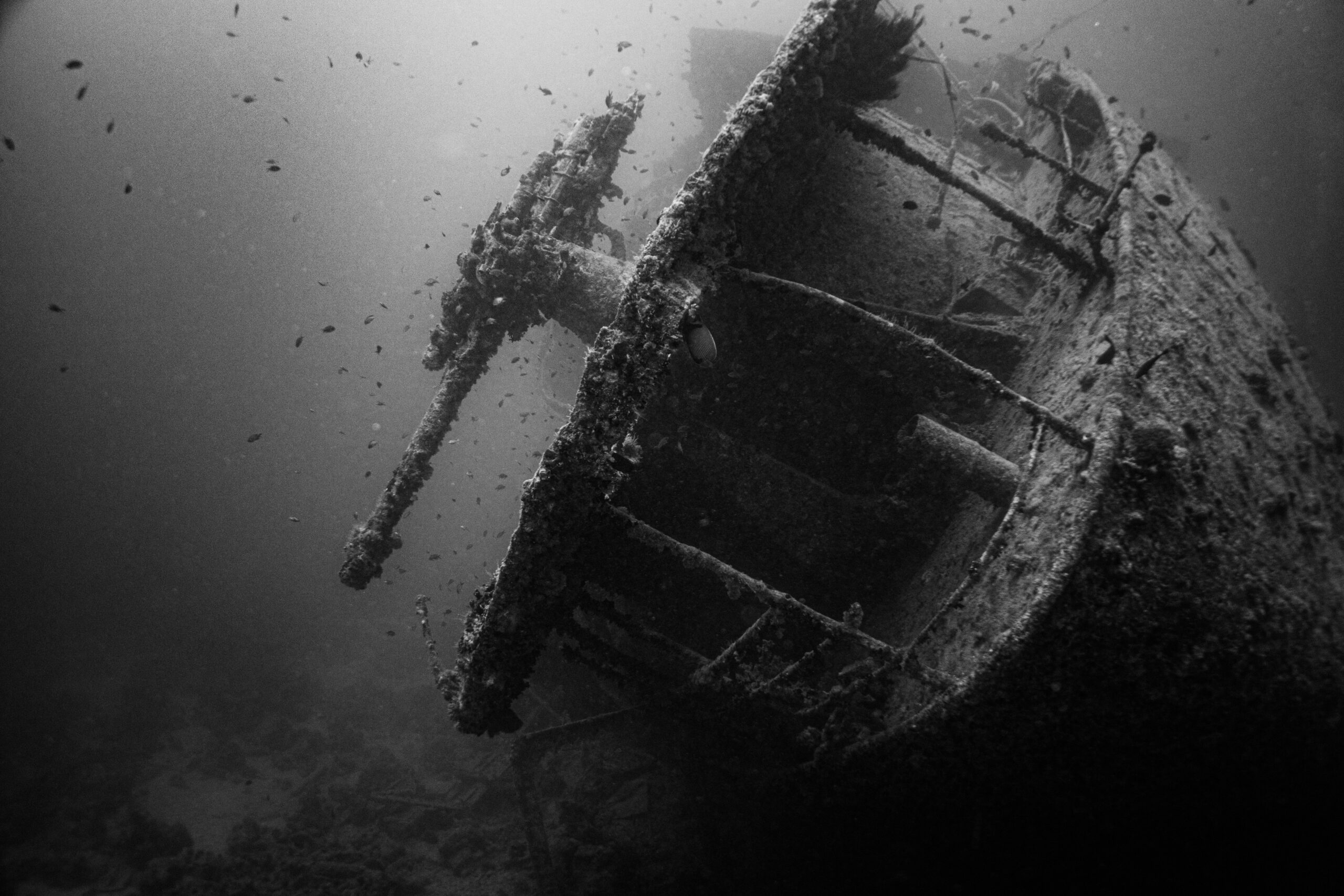
Here are 7 fascinating finds from marine archaeology documentaries, showcasing the power of underwater exploration to reveal lost worlds and unlock historical mysteries.
- The Antikythera Mechanism: An Ancient Computer Unearthed
The discovery of the Antikythera Mechanism is nothing short of astounding. Unearthed from a Roman-era shipwreck off the Greek island of Antikythera in 1901, this object initially appeared as a lump of corroded bronze. Its true nature, however, remained elusive for decades. Early analysis suggested it was a form of astronomical calculator, but the complexity and sophistication of its gearing were so far beyond what was believed possible for ancient technology that many initially dismissed these interpretations.
The Initial Discovery and the Mystery
The wreck itself was a treasure trove of statues, pottery, and other artifacts, suggesting it was a ship of considerable wealth. Among these, the strange, encrusted objects that would later be identified as parts of the Antikythera Mechanism lay hidden. It wasn’t until photographic analysis in the mid-20th century, followed by advanced X-ray imaging and CT scanning techniques, that the intricate internal workings began to be revealed. The sheer number of interlocking gears, remarkably precise and arranged in a complex arrangement, pointed towards a device of exceptional engineering.
In the fascinating realm of marine archaeology, the impact of coastal erosion on underwater sites is a critical concern. A related article that delves into this issue is titled “Coastal Erosion: The Threat to Shoreline Stability,” which explores how rising sea levels and increased storm activity threaten archaeological sites along coastlines. This article provides valuable insights into the challenges faced by marine archaeologists as they strive to preserve our underwater heritage. For more information, you can read the article here: Coastal Erosion: The Threat to Shoreline Stability.
Unraveling the Mechanism’s Purpose
Through painstaking research by numerous scholars and engineers, the function of the Antikythera Mechanism has been largely deciphered. It is now understood to be an analog computer, designed to predict astronomical positions and eclipses for calendrical and astrological purposes. The device could track the positions of the Sun and Moon, predict lunar phases, and even account for the irregular movement of the Moon in its orbit (a phenomenon known as the lunar anomaly). It also seems to have incorporated a dial that tracked the four-year cycle of athletic games, likely including the Olympic Games.
The Technological Leap of the Ancient World
The Antikythera Mechanism represents a significant leap in our understanding of ancient technological capabilities. Its precision engineering and complex gear trains suggest a level of mechanical skill and theoretical knowledge previously attributed to much later periods, perhaps even the Renaissance. The craftsmanship involved in its creation points to highly skilled artisans and a deep understanding of mathematics and astronomy. This find challenges conventional timelines of technological advancement and underscores that ingenuity is not a modern phenomenon. Marine archaeology documentaries often dedicate significant segments to this artifact, highlighting the initial bewilderment, the meticulous process of study, and the profound implications of its existence. The ongoing research continues to reveal new insights into its construction and potential uses, keeping the mystery and fascination alive.
- The Vasa: A Swedish Warship’s Dramatic Rise from the Depths
The story of the Vasa is a captivating tale of ambition, disaster, and the remarkable preservation afforded by the cold, brackish waters of the Baltic Sea. This 17th-century Swedish warship sank on its maiden voyage in Stockholm harbor in 1628, just minutes after setting sail. The circumstances of its sinking were catastrophic, with the ship capsizing and plunging to the seabed due to severe instability. Fortunately for historians and archaeologists, the conditions were such that the ship and its contents were remarkably preserved for over three centuries.
The Maiden Voyage and Tragic Sinking
The Vasa was a symbol of Sweden’s growing naval power, a magnificent vessel intended to be the pride of its fleet. King Gustavus Adolphus had ordered the construction of a powerful warship, and the Vasa was built to his specifications, bristling with cannons. However, during its initial launch, the ship was clearly too top-heavy. Ballast was added, but it was insufficient, and as the ship encountered even a slight breeze, it listed, water rushed in through the open lower gunports, and it sank with a loss of many lives. The disaster was a national embarrassment and a profound loss of investment.
In the fascinating realm of marine archaeology, the exploration of ancient maps often unveils secrets of our past. One intriguing example is the Piri Reis map, which has sparked considerable debate regarding its accuracy and the knowledge of cartography in the 16th century. For those interested in diving deeper into this topic, a related article discusses the complexities surrounding the Piri Reis map and its implications for understanding historical navigation. You can read more about it here.
The Remarkable Preservation and Recovery
The subsequent recovery of the Vasa in the 1960s was an engineering feat in itself. After extensive searching, the ship was located in the muddy seabed. Divers worked for years to carefully excavate the ship and its surrounding debris using specialized equipment like airlifts and suction dredges. The anaerobic environment of the Baltic Sea prevented the wood from decaying significantly. When the Vasa was finally brought to the surface, it was a near-complete vessel, frozen in time, offering an unparalleled glimpse into 17th-century shipbuilding and life at sea.
A Window into 17th-Century Life
The Vasa Museum in Stockholm now houses the salvaged ship and thousands of artifacts recovered from its hull. These include weapons, tools, clothing, personal belongings, and even the skeletal remains of some of the crew. Studying these items has provided invaluable insights into the material culture, daily routines, and social structure of Sweden during the Vasa era. The ship’s construction itself reveals the shipbuilding techniques and joinery of the time. Marine archaeology documentaries often focus on the immense effort involved in the salvage operation, the detailed scientific analysis of the ship and its contents, and the compelling stories of the individuals whose lives were intertwined with this ill-fated vessel. The Vasa serves as a tangible link to a bygone era, allowing us to visually comprehend the lives and times of those who sailed upon it.
- The Mary Rose: A Tudor Flagship’s Secrets Revealed
The Mary Rose, flagship of King Henry VIII, met its tragic end during a battle against the French fleet in 1545. Unlike the Vasa, the Mary Rose sank in relatively shallow waters in the Solent, the strait between the Isle of Wight and mainland England. For centuries, the wreck lay largely undisturbed until a determined excavation project began in the late 20th century, revealing a treasure trove of Tudor artifacts and providing an extraordinary insight into the life of mariners in the 16th century.
The Battle of the Solent and the Ship’s Demise
On July 19, 1545, the French fleet launched a major assault on Portsmouth. The Mary Rose, a formidable carrack and one of the most advanced warships of its time, played a crucial role in the English defense. Accounts of the sinking vary, with some suggesting it was hit by enemy fire, while others point to it being overladen with heavy guns and the crew’s readiness for close combat. Whatever the cause, the ship heeled over and sank rapidly, taking the lives of most of its crew. The loss was keenly felt by King Henry VIII, who is said to have witnessed the terrible event from shore.
The Landmark Excavation and Preservation Efforts
The search for the Mary Rose began in the early 20th century, but it wasn’t until 1971 that a recreational diver discovered its remains. This led to one of the most ambitious underwater archaeological projects ever undertaken in Britain. The excavation, which spanned over a decade, involved meticulously raising the ship’s hull and then painstakingly recovering thousands of artifacts. The methods employed were groundbreaking, combining cutting-edge diving technology with traditional archaeological techniques. The waterlogged nature of the site presented unique challenges, but the preservation of organic materials was exceptional.
A Snapshot of Tudor Life at Sea
The artifacts recovered from the Mary Rose offer an unparalleled glimpse into the lives of ordinary Tudor sailors. They include a vast array of personal possessions like combs, shoes, and even musical instruments, as well as weapons, tools, culinary implements, and remnants of food. The ship itself, now housed in a purpose-built museum in Portsmouth, is a testament to 16th-century shipbuilding. By studying these finds, historians have been able to reconstruct the daily routines, diet, social hierarchy, and military practices of the period. Marine archaeology documentaries often highlight the human element of the Mary Rose story, focusing on the individuals whose lives were lost and the incredible detail provided by their recovered belongings, painting a vivid picture of Tudor England’s naval prowess and the harsh realities of life at sea.
- The San José: The “Richest Shipwreck Ever Found”?
The wreck of the Spanish galleon San José, which sank off the coast of Cartagena, Colombia, in 1708, has been described by some as the “richest shipwreck ever found.” Carrying a vast treasure of gold, silver, and emeralds intended to fund Spain’s war efforts, the San José was attacked and sunk by British privateers during the War of the Spanish Succession. For centuries, its location remained a mystery, fueling legends and inspiring countless treasure hunts.
A Galleon Laden with Royal Treasure
The San José was part of a Spanish treasure fleet, a convoy of ships tasked with transporting riches from the Americas back to Spain. The cargo of the San José was immense, estimated to be worth billions of dollars in today’s currency. The ship was a powerful warship, but it was no match for the combined force of the British fleet. Upon being attacked, fire broke out in the powder magazine, leading to a catastrophic explosion and the ship’s swift descent to the seabed. The loss of the San José was a significant blow to the Spanish economy and military.
The Quest for the Lost Treasure
The search for the San José has been a long and complex saga, involving private treasure hunters, governmental expeditions, and international legal disputes. In 2015, a Colombian-led expedition, using advanced sonar and remotely operated vehicles (ROVs), announced the discovery of the wreck. The images and data collected revealed a remarkably intact galleon, its cannons and hull clearly visible on the seabed. The discovery sparked immense excitement and debate regarding ownership and salvage rights.
The Ongoing Controversy and Future Prospects
Marine archaeology documentaries often delve into the thrill of the search, the technological marvels used to locate the wreck, and the dramatic legal battles that have ensued. Colombia claims ownership of the treasure as a national heritage, while Spain has also asserted its claim. The ethical considerations of salvaging such a significant historical artifact, particularly with its immense monetary value, are also frequently discussed. The San José represents not just a treasure trove of precious metals but also an invaluable archaeological site, holding secrets of 18th-century maritime trade and warfare. The ongoing efforts to study and potentially recover artifacts from the San José continue to be a subject of fascination and contention, highlighting the complex interplay between history, economics, and international law in the realm of underwater heritage.
- Roman Shipwrecks in the Mediterranean: Uncovering Trade Routes and Daily Life
The Mediterranean Sea has been a cradle of civilization for millennia, and its seabed is a vast repository of shipwrecks that tell the story of ancient trade, travel, and cultural exchange. Marine archaeology documentaries often focus on the discovery of Roman-era shipwrecks, which offer a unique window into the economic and social fabric of the Roman Empire. These wrecks, often found laden with amphorae (large ceramic jars used for transporting wine, oil, grain, and other commodities), provide invaluable data on ancient trade routes, the types of goods traded, and the seafaring capabilities of the Romans.
The Amphora Trade and Economic Networks
The sheer volume of amphorae found on Roman shipwrecks is staggering. These jars, each bearing distinctive markings that can often identify their origin and contents, allow archaeologists to map out extensive trade networks that spanned the vast Roman Empire. From the olive oil produced in Hispania (modern Spain) to the wine from Gallia (modern France) and the grain from North Africa, these wrecks illustrate the interconnectedness of the Roman economy. By analyzing the types and quantities of amphorae, scholars can reconstruct the flow of goods, identify key trading ports, and understand the economic relationships between different regions.
Beyond the Cargo: Glimpses into Daily Life
While amphorae are the most common finds, Roman shipwrecks often yield a wealth of other artifacts that illuminate the daily lives of the people who sailed them. These can include personal items like coins, jewelry, tools, and even fragments of clothing. The remains of the ship itself, from its timber construction to its rigging, offer insights into Roman shipbuilding techniques and naval architecture. Medical instruments, cookware, and gaming pieces have also been found, painting a surprisingly detailed picture of the lives of merchants, sailors, and soldiers on board.
The Importance of Preservation and Study
The preservation of Roman shipwrecks in the Mediterranean, often in sandy or silty environments, has been crucial to their archaeological value. However, these sites are increasingly threatened by modern activities such as trawling, anchoring, and looting. Marine archaeology plays a vital role in identifying, documenting, and protecting these fragile sites. Documentaries often showcase the meticulous excavation processes, the scientific analysis of recovered materials, and the dedication of archaeologists working to preserve this underwater heritage. These finds are not just about ancient commerce; they are about understanding the people who built and sailed these vessels, their ambitions, their daily struggles, and the vibrant, interconnected world they inhabited within the vast expanse of the Roman Empire.
- The “Uluburun” Shipwreck: A Bronze Age Marvel of Maritime Trade
The Uluburun shipwreck, discovered off the coast of Turkey in the 1980s, is one of the most significant Bronze Age shipwrecks ever found. Dating back to the late 14th century BCE, this vessel was a colossal merchant ship, carrying an extraordinarily diverse cargo from across the Eastern Mediterranean and beyond. Its discovery has revolutionized our understanding of Bronze Age trade, technology, and interconnections.
A Diverse and International Cargo
The most striking aspect of the Uluburun wreck is the sheer breadth and exotic nature of its cargo. Divers discovered over 10 tons of copper ingots and 1 ton of tin ingots, essential for Bronze Age metallurgy. In addition to these raw materials, the ship carried a remarkable array of finished goods and luxury items: Egyptian artifacts, Canaanite pottery, Cypriot copper, rhinoceros horn, hippopotamus teeth, ivory objects, ebony, ostrich eggs, glassware, and even a unique collection of gold jewelry, including scarabs bearing the cartouche of Queen Nefertiti. There were also raw materials for glass production, incense, and a variety of foodstuffs.
Insights into Bronze Age Metallurgy and Technology
The abundance of copper and tin ingots directly points to the vital importance of metalworking in the Bronze Age. The presence of both was crucial for creating bronze, a stronger and more durable metal than copper alone, which revolutionized toolmaking, weaponry, and art. The raw materials and finished goods also demonstrate advanced metallurgical skills and extensive knowledge of mining and smelting techniques across different regions. The discovery of tools, including a shipowner’s seal and a bronze double-axe, further enhances our understanding of Bronze Age technology and craftsmanship.
Unraveling Complex Trade Networks
The Uluburun shipwreck provides compelling evidence of a highly sophisticated and interconnected trading system during the Late Bronze Age. The cargo’s origin points to a vast network stretching from Canaan and Egypt in the south, across Cyprus and the Aegean islands, to regions further north. The ship was likely a merchant vessel undertaking a multi-stop trading voyage, collecting and distributing goods across these diverse cultures. Marine archaeology documentaries often highlight the arduous and meticulous work of excavating the site, the scientific analysis of the cargo to determine its origins and dating, and the compelling narrative that emerges from these scattered remnants – a story of globalized commerce and cultural exchange in a world we often perceive as primitive. The Uluburun wreck is a powerful testament to the complexity and reach of Bronze Age societies.
- The Underwater City of Thonis-Heracleion: Lost to the Sea for Millennia
Off the coast of Egypt, submerged beneath the waters of Aboukir Bay, lies the once-great port city of Thonis-Heracleion. For centuries, this city was a legendary gateway to Egypt, a vital trading hub and a center of religious importance. After centuries of obscurity, the discovery of its ruins in the early 2000s by Franck Goddio and his team has brought this lost metropolis back to light, revealing astonishing insights into ancient Egyptian and Greek interactions.
A Mythical Port Rediscovered
Thonis (its Egyptian name) and Heracleion (its Greek name) were, for a long time, considered by many to be mythical cities, their existence relegated to ancient texts and legends. The city was a major maritime port and a crucial entry point for international trade into Egypt during the late Pharaonic period, the Ptolemaic period, and the early Roman period. Its strategic location and importance meant it played a significant role in the political and economic landscape of the ancient Mediterranean.
The Discovery and Subsequent Excavations
The rediscovery of Thonis-Heracleion began with the discovery of a stele in 1999 that explicitly mentioned the city. This was followed by extensive underwater surveys and excavations. The sheer scale of the underwater ruins is breathtaking. Archaeologists have uncovered colossal statues of pharaohs and gods, grand temples, evidence of a sophisticated canal system, and numerous stelae detailing decrees and offerings. The city was gradually swallowed by the sea due to seismic activity and rising sea levels, leading to its eventual abandonment.
Unveiling Egyptian-Greek Symbiosis
The artifacts recovered from Thonis-Heracleion offer unparalleled evidence of the close interaction and cultural exchange between ancient Egypt and the Greek world. The presence of both Egyptian deities like Osiris and Greek deities like Aphrodite in the same temple complexes, the discovery of Greek inscriptions alongside hieroglyphs, and the large number of Greek coins and artifacts attest to a period of remarkable cultural synthesis. The city was a melting pot where Egyptian traditions and Greek influences intertwined, creating a unique cultural milieu. Marine archaeology documentaries dedicated to Thonis-Heracleion vividly portray the challenges of excavating in such a challenging environment, the grandeur of the submerged structures, and the profound historical narrative that emerges from its watery grave. The re-emergence of this lost city is a powerful reminder of how history can be literally submerged and waiting to be rediscovered, offering a profound connection to our ancient past and the vibrant exchanges that shaped it.

What If 90% of Human History Is Underwater?
FAQs

What is marine archaeology?
Marine archaeology is the study of human history and prehistory through the excavation and analysis of artifacts, structures, and other physical remains found underwater.
What is a marine archaeology documentary?
A marine archaeology documentary is a film or television program that explores the work of marine archaeologists as they uncover and study submerged historical sites, shipwrecks, and other underwater artifacts.
What can viewers expect to see in a marine archaeology documentary?
Viewers can expect to see underwater footage of archaeological expeditions, interviews with experts, the discovery and recovery of artifacts, and the analysis and interpretation of historical findings.
Why are marine archaeology documentaries important?
Marine archaeology documentaries are important because they help to educate the public about the significance of underwater cultural heritage and the methods used to study and preserve it. They also contribute to the preservation and protection of underwater archaeological sites.
Where can one watch marine archaeology documentaries?
Marine archaeology documentaries can be found on various streaming platforms, television networks, and online video channels. They may also be available for purchase or rental through DVD or digital download.