Here are 6 ancient civilizations that laid the groundwork for much of human history, and where civilization, as we understand it, truly began:
The Sumerians, inhabiting the fertile crescent of Mesopotamia (modern-day Iraq) between the Tigris and Euphrates rivers, are widely credited with developing the world’s first true civilization. Emerging around the 4th millennium BCE, their innovations were so foundational that many consider them the origin point from which other civilizations later drew inspiration or developed parallel to.
The Rise of City-States
Sumer was not a unified empire but rather a collection of independent city-states, each with its own patron deity and ruling priest-king. These cities, such as Uruk, Ur, Lagash, and Eridu, became centers of population, trade, and religious life. The challenges of managing these burgeoning urban centers spurred incredible ingenuity.
Irrigation and Agriculture
The lifeblood of Sumer was its sophisticated irrigation system. The Sumerians harnessed the power of the Tigris and Euphrates, constructing complex networks of canals, dikes, and reservoirs to control water flow and bring life-giving water to their arid lands. This allowed for surplus food production, which in turn supported a growing population and specialized labor.
Religious and Social Structures
Religion permeated every aspect of Sumerian life. Each city-state had a ziggurat, a massive stepped temple, dedicated to its primary god or goddess. The priesthood held significant power, acting as intermediaries between the divine and the populace, and often managing the economic affairs of the city. Society was stratified, with rulers, priests, scribes, artisans, farmers, and slaves forming distinct classes.
Inventions That Shaped the World
The Sumerians were relentless innovators, their contributions echoing through millennia. Their ingenuity laid the blueprint for many aspects of modern society.
The Invention of Writing
Perhaps their most profound contribution was the development of cuneiform script around 3200 BCE. Initially used for accounting and record-keeping, this wedge-shaped writing system, impressed onto clay tablets, evolved to record literature, laws, and historical events. The Sumerian Epic of Gilgamesh, among the oldest surviving literary works, offers a glimpse into their worldview and concerns.
The Wheel and the Plow
The invention of the wheel, though its exact origins are debated, is often attributed to the Sumerians. This revolutionary invention transformed transportation and manufacturing, enabling the creation of wheeled carts and pottery wheels. Similarly, the invention of the plow significantly improved agricultural efficiency, allowing for deeper cultivation of the soil and higher yields.
Mathematics and Astronomy
Sumerian scholars developed a sexagesimal (base-60) number system, which has influenced our measurement of time (60 seconds in a minute, 60 minutes in an hour) and angles (360 degrees in a circle). They also made early astronomical observations, charting celestial bodies and developing calendars based on lunar cycles.
Decline and Legacy
Despite their remarkable achievements, the Sumerian city-states were often at war with each other, making them vulnerable to external invasions. Over time, they were conquered by Akkadian, Amorite, and Elamite peoples. However, their cultural and technological legacy was so powerful that their successors adopted and adapted their innovations, ensuring that Sumer’s influence persisted.
The origins of civilization can be traced back to several key regions, with Mesopotamia often recognized as one of the earliest cradles of human development. However, recent research has highlighted the significant role of the Nile Valley and the ancient cultures of Sudan in shaping early human societies. For a deeper understanding of the ongoing challenges faced by this historically rich region, you can read more in the article about the current conflict in Sudan, which discusses the continuing struggle for peace and stability. Check it out here: Sudan Conflict: A Continuing Struggle for Peace.
2. Ancient Egypt: The Gift of the Nile
Stretching along the fertile banks of the Nile River for over three millennia, ancient Egyptian civilization stands as one of history’s most enduring and influential. Rooted in a deep understanding of the Nile’s annual inundation and a complex religious worldview, the Egyptians built a society characterized by monumental architecture, sophisticated artistry, and profound spiritual beliefs.
The Power of the Pharaoh
At the apex of Egyptian society was the pharaoh, considered a divine ruler, a god on Earth who maintained ma’at—the cosmic order and justice. The pharaoh’s authority was absolute, and their reign was central to the stability and prosperity of the kingdom. The pharaoh was responsible for agriculture, justice, warfare, and religious ceremonies.
The Unifying Force of the Nile
The Nile River was the linchpin of Egyptian civilization. Its predictable annual flooding deposited rich silt, creating incredibly fertile land for agriculture. The Egyptians developed sophisticated irrigation techniques to manage floodwaters and ensure consistent crop yields, supporting a large population. The river also served as a vital transportation artery, connecting Upper and Lower Egypt and facilitating trade.
Religious Beliefs and the Afterlife
Egyptian religion was polytheistic, with a vast pantheon of gods and goddesses, each associated with different aspects of life and nature. Central to their belief system was the concept of the afterlife. The Egyptians meticulously prepared for death, believing in a continuation of life in the spirit realm. This led to elaborate burial practices, including mummification and the construction of elaborate tombs.
Architectural Marvels and Monumental Culture
The Egyptians are renowned for their enduring architectural achievements, most famously the pyramids. These colossal structures, built as tombs for pharaohs, are testaments to their engineering prowess, organizational skills, and advanced understanding of mathematics and astronomy.
The Pyramids of Giza
The Great Pyramid of Giza, built for Pharaoh Khufu, is the largest of the Egyptian pyramids and the oldest of the Seven Wonders of the Ancient World. Its construction, involving the precise quarrying and placement of millions of tons of stone, remains a topic of awe and scholarly debate. The pyramids were not merely tombs but also symbols of the pharaoh’s power and the enduring nature of Egyptian civilization.
Temples and Obelisks
Beyond pyramids, the Egyptians constructed magnificent temples, such as Karnak and Luxor, dedicated to their gods. These vast complexes, adorned with hieroglyphics and colossal statues, served as centers of religious worship and economic activity. Obelisks, tall, tapering stone pillars, were also a common feature, often erected in pairs at temple entrances, representing the sun god Ra.
Hieroglyphics and the Scribes
The Egyptians developed their own sophisticated writing system, hieroglyphics, a complex system of pictorial symbols that could represent sounds, words, or concepts. This script was used for religious texts, monumental inscriptions, and official records. Scribes played a vital role in Egyptian society, trained from a young age to read and write, holding positions of considerable influence.
The Rosetta Stone
The decipherment of hieroglyphics, a mystery for centuries, was unlocked by the discovery of the Rosetta Stone in 1799. This basalt slab inscribed with the same decree in three scripts—hieroglyphic, Demotic, and ancient Greek—provided the key to understanding this ancient language.
The Golden Age and Later Dynasties
Ancient Egyptian civilization experienced periods of great strength and prosperity, known as the Old Kingdom, Middle Kingdom, and New Kingdom. During these “golden ages,” art, literature, and monumental building flourished. Later dynasties saw periods of foreign rule and internal strife, but the fundamental cultural and religious framework of Egypt persisted.
3. The Indus Valley Civilization: A Remarkably Planned Society

Flourishing in the northwestern regions of South Asia (modern-day Pakistan and northwest India) from around 2600 to 1900 BCE, the Indus Valley Civilization, also known as the Harappan Civilization, was one of the world’s earliest urban cultures. What sets it apart is its remarkable urban planning and sophisticated sanitation systems, suggesting a highly organized and egalitarian society.
Cities of Unprecedented Design
The most striking feature of the Indus Valley Civilization is the advanced planning of its cities, such as Mohenjo-Daro and Harappa. These were not haphazard settlements but meticulously laid-out metropolises.
Grid-like Street Layouts
Cities were organized on a grid system, with wide, straight streets intersecting at right angles. This provided efficient city planning, sanitation, and perhaps even a sense of order and control. Houses were typically built with baked bricks, indicating a standardized system of construction.
Advanced Sanitation and Water Management
Perhaps the most astonishing aspect of Indus Valley cities is their sophisticated water and sewage systems. Every house appears to have had access to fresh water, often from wells, and a connection to a comprehensive drainage system. Waste water was channeled through covered drains that ran beneath the streets, a level of sanitation unparalleled in other contemporary civilizations.
A Puzzling Script and Peaceful Existence
Despite extensive archaeological evidence, much about the Indus Valley Civilization remains enigmatic, primarily due to its undeciphered script.
The Undeciphered Indus Script
Thousands of short inscriptions have been found on seals, pottery, and other artifacts. However, the Indus script, composed of symbols that bear little resemblance to known scripts, has resisted all attempts at decipherment. This leaves historians and linguists without direct textual evidence from the people themselves.
A Seemingly Peaceful Society
Archaeological evidence suggests that the Indus Valley Civilization was remarkably peaceful. Unlike many other ancient societies, there is a striking lack of evidence for fortifications, weapons of war, or depictions of widespread conflict. This has led some scholars to speculate about a society that prioritized trade and civic life over warfare.
Trade and Artifacts
The Indus people were clearly engaged in extensive trade networks. Their seals, often depicting animals like bulls and rhinoceroses, have been found in Mesopotamia, suggesting commercial links between these distant civilizations.
Seals and their Significance
The exquisitely carved seals are perhaps the most iconic artifacts of the Indus Valley Civilization. These small objects, usually made of steatite, were likely used to stamp clay impressions on goods, serving as markers of ownership or official seals. They offer a glimpse into their artistic skills and symbolic language.
The Decline of a Civilization
The reasons for the decline of the Indus Valley Civilization, which began around 1900 BCE, are not entirely understood. Theories include climate change, shifts in river courses, earthquakes, and possibly invasion. However, the civilization did not simply disappear; its cultural influence likely persisted in later South Asian cultures.
4. Ancient China: The Middle Kingdom and its Enduring Dynasties
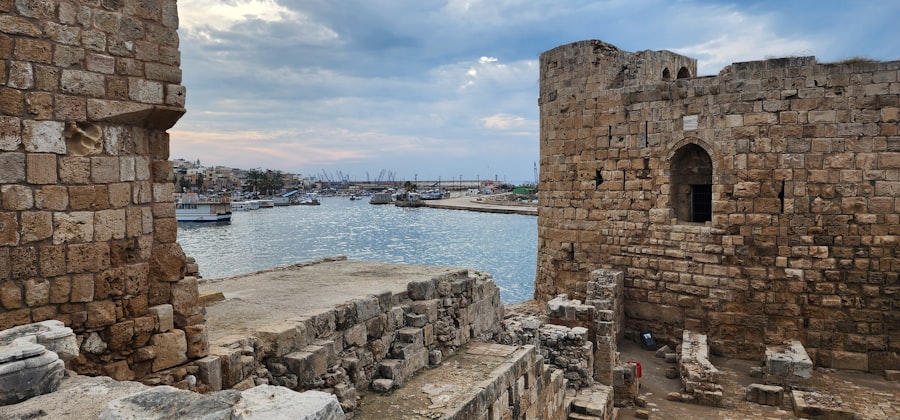
Ancient Chinese civilization, with its roots stretching back into the Neolithic period, developed independently and made profound contributions to human history. From its early dynastic periods, China established a rich philosophical tradition, advanced technological innovations, and a unique social and political structure that would endure for millennia.
The Yellow River: Cradle of Chinese Civilization
Like many early civilizations, ancient China emerged from settlements along major river valleys. The Yellow River (Huang He) was the cradle of Chinese civilization, its fertile plains supporting agricultural communities that eventually coalesced into complex societies. The river’s floods, while destructive, also deposited rich loess soil, ideal for cultivation.
Early Dynasties: Xia, Shang, and Zhou
The earliest historically documented dynasty is the Shang Dynasty (c. 1600–1046 BCE), preceded by the legendary Xia Dynasty. The Shang period saw the development of bronze casting, sophisticated pottery, and the earliest form of Chinese writing. The subsequent Zhou Dynasty (c. 1046–256 BCE) introduced the concept of the Mandate of Heaven, a philosophical and political doctrine that legitimized dynastic rule and shaped Chinese governance for centuries.
Philosophical Foundations and Governance
Ancient China developed profound philosophical and ethical systems that continue to influence thought and culture today.
Confucianism: Harmony and Social Order
Confucius (Kong Fuzi), who lived during the Spring and Autumn period, emphasized the importance of ethics, social harmony, and good governance. His teachings, focusing on concepts like filial piety, righteousness, and benevolence, became the bedrock of Chinese social and political thought, shaping the imperial examination system and societal norms.
Taoism: The Way of Nature
Lao Tzu, the reputed author of the Tao Te Ching, founded Taoism, which advocates living in harmony with the Tao (the Way), a natural, cosmic force. Taoism emphasizes simplicity, spontaneity, and the interconnectedness of all things, offering a counterbalance to the structured Confucian ideals.
Technological Innovations and Ingenuity
Ancient China was a hub of innovation, producing technologies that had far-reaching impacts, both within China and globally.
Papermaking
Invented by Cai Lun around 105 CE during the Han Dynasty, papermaking revolutionized the dissemination of knowledge by providing a cheaper and more efficient writing material than bamboo strips or silk. This invention was crucial for the development of literature, scholarship, and bureaucracy.
Gunpowder
Originally developed in China by alchemists seeking an elixir of immortality, gunpowder became widely used for military purposes, fireworks, and other applications during the Song Dynasty (960–1279 CE). Its military applications would later change the course of warfare throughout the world.
Other Inventions
Ancient Chinese ingenuity also produced the compass, the seismograph, silk production, and advancements in irrigation and agriculture. These innovations underscore the advanced scientific and technological capabilities of ancient China.
The Great Wall and Imperial Unification
The construction of the Great Wall of China, a series of fortifications built over many centuries by various dynasties, began as early as the 7th century BCE. Its primary purpose was to protect the Chinese Empire from nomadic invasions from the north. The unification of China under the Qin Dynasty (221–206 BCE) marked a pivotal moment, establishing a centralized imperial system that would define China for over two millennia.
The origins of civilization have long fascinated historians and archaeologists, particularly in relation to how early societies developed complex technologies and social structures. A compelling exploration of this topic can be found in an article that discusses the intriguing question of why ancient technologies were often lost or destroyed. For those interested in understanding the factors that contributed to the rise and fall of early civilizations, this article provides valuable insights into the delicate balance between innovation and societal collapse. You can read more about it in the article on the destruction of ancient technology here.
5. Ancient Greece: The Birthplace of Democracy and Philosophy
| Location | Time Period | Notable Features |
|---|---|---|
| Mesopotamia | Around 3500 BCE | Development of writing, wheel, and early forms of government |
| Ancient Egypt | Around 3100 BCE | Construction of pyramids, advanced mathematics, and complex religious beliefs |
| Indus Valley Civilization | Around 3300 BCE | Well-planned cities, advanced drainage systems, and trade with other civilizations |
| Ancient China | Around 2100 BCE | Development of silk production, early forms of writing, and construction of the Great Wall |
Ancient Greek civilization, flourishing in the Aegean Sea region from around the 8th century BCE to the Roman conquest in 146 BCE, laid the intellectual and cultural foundations for Western civilization. Its contributions to philosophy, democracy, science, art, and literature are immense and continue to resonate today.
The Polis: The City-State as the Center of Life
Ancient Greece was not a unified empire but a collection of independent city-states, or poleis. Each polis was a self-governing entity with its own political system, laws, and patron deity. This decentralized structure fostered fierce competition and innovation among the city-states, leading to distinct cultural and political developments.
Athens: The Dawn of Democracy
Athens, renowned for its democratic ideals, developed a form of direct democracy where male citizens could participate directly in government. The Assembly (Ekklesia) was the primary governing body, making decisions on laws, foreign policy, and public affairs. This experiment with self-governance was a radical departure from earlier forms of rule and remains a cornerstone of modern democratic thought.
Sparta: A Militaristic Society
In contrast to Athens, Sparta was a rigid, militaristic society focused on discipline, obedience, and military prowess. Their political system was an oligarchy, ruled by a council of elders and two kings. While Sparta did not foster the same intellectual freedoms as Athens, its military organization was highly effective.
The Golden Age of Philosophy and Reason
Ancient Greece is synonymous with the development of Western philosophy. Thinkers challenged traditional explanations of the world, seeking rational and empirical answers.
Socrates, Plato, and Aristotle: Pillars of Thought
Socrates, through his dialectical method of question and answer, sought to uncover truth and encourage critical thinking. His student, Plato, developed sophisticated theories of forms and the ideal state, while Aristotle, Plato’s student, made groundbreaking contributions to logic, ethics, politics, metaphysics, and natural sciences. Their works laid the groundwork for centuries of Western intellectual inquiry.
The Birth of Science
Greek thinkers made significant advances in mathematics, astronomy, and medicine. Pythagoras explored geometry, Euclid laid down the principles of geometry in his Elements, and Hippocrates laid the foundation for modern medicine, emphasizing observation and empirical evidence.
Mythology, Art, and Architecture
Greek mythology, with its pantheon of gods and goddesses and epic tales of heroes, has profoundly influenced Western literature and art.
Olympian Gods
The stories of Zeus, Hera, Athena, Apollo, and other Olympian gods provided a framework for understanding the world, human nature, and the divine. These myths continue to be retold and reinterpreted in countless forms.
Classical Art and Architecture
Greek art celebrated the human form, emphasizing balance, harmony, and proportion. Their architecture, exemplified by the Parthenon in Athens, employed principles of symmetry and order, influencing architectural styles for millennia. The Doric, Ionic, and Corinthian orders remain fundamental elements of classical architecture.
The Spread of Hellenistic Culture
Following the conquests of Alexander the Great in the 4th century BCE, Greek culture, language, and ideas spread throughout a vast empire, ushering in the Hellenistic period. This era saw a fusion of Greek and local traditions, leading to further advancements in science, philosophy, and art across a wide geographical area.
The origins of civilization have long fascinated historians and archaeologists, with many theories pointing to regions such as Mesopotamia as the cradle of human society. However, recent discoveries suggest that there may be more to the story, including intriguing connections to ancient cultures in unexpected places. For a deeper exploration of how these hidden narratives might reshape our understanding of early human history, you can read about it in this insightful article on Antarctica’s hidden secrets. Check it out here.
6. Ancient Rome: Empire Building and Lasting Legal Systems
The Roman civilization, which rose from a small city-state in Italy to an expansive empire that dominated the Mediterranean world for centuries, left an unparalleled legacy in law, governance, engineering, and language. Their practical approach to organization and administration laid the blueprint for many aspects of modern Western society.
From Republic to Empire: The Evolution of Governance
Rome’s trajectory from a republic to a vast empire was a defining characteristic of its history. The Roman Republic, established in 509 BCE, was a complex system of elected officials, a Senate, and assemblies, embodying a significant early form of representative government. However, internal strife and military expansion eventually led to the rise of emperors.
The Roman Republic: A System of Laws
The Republic was characterized by its development of a sophisticated legal system, the ius civile (civil law). This framework, based on principles of justice, equity, and precedent, would evolve into the foundation of many modern legal codes. The concept of citizenship and the rights and responsibilities associated with it were also central to Roman political thought.
The Roman Empire: Pax Romana and Administration
The Roman Empire, established by Augustus in 27 BCE, brought an unprecedented period of peace and prosperity known as the Pax Romana (Roman Peace). The empire’s vastness necessitated a highly organized administrative structure, with efficient tax collection, a standardized currency, and a vast network of roads facilitating trade and communication.
Engineering Marvels and Public Works
The Romans were master engineers, constructing enduring structures that showcase their technical prowess and organizational capacity.
Aqueducts and Roads
The construction of aqueducts, monumental channels designed to bring fresh water to cities, was a testament to Roman hydraulic engineering. These structures supplied urban centers with water for public baths, fountains, and private homes. The vast network of Roman roads, built with remarkable precision and durability, facilitated military movement, trade, and the efficient administration of the empire.
The Colosseum and Public Baths
Iconic structures like the Colosseum in Rome, a massive amphitheater used for gladiatorial contests and public spectacles, demonstrate Roman engineering ingenuity and their penchant for large-scale entertainment. Roman public baths were not merely places for hygiene but also social and cultural centers, featuring libraries, gymnasiums, and meeting rooms.
The Legacy of Roman Law and Language
Perhaps Rome’s most enduring contributions are its legal system and its language.
Roman Law: The Foundation of Western Jurisprudence
The principles of Roman law, emphasizing codification, equity, and due process, have profoundly influenced legal systems worldwide. Concepts like contracts, property rights, and criminal justice find their roots in Roman legal tradition.
Latin: The Mother of Romance Languages
Latin, the language of ancient Rome, evolved into the Romance languages spoken today, including Italian, Spanish, French, Portuguese, and Romanian. It also served as the language of scholarship, science, and religion in Western Europe for centuries.
The Spread of Christianity and the Fall of the Empire
The Roman Empire’s vast reach facilitated the spread of Christianity, which eventually became the dominant religion of the empire and, subsequently, of Europe. The Western Roman Empire eventually succumbed to internal pressures and external invasions, but its cultural and legal legacy continued to shape the development of post-Roman Europe.

What If 90% of Human History Is Underwater?
FAQs
1. What is the generally accepted location where civilization began?
The generally accepted location where civilization began is in the ancient region known as Mesopotamia, which is located in present-day Iraq.
2. What are some key characteristics of the civilization that began in Mesopotamia?
The civilization that began in Mesopotamia is known for its development of writing, the invention of the wheel, the establishment of complex city-states, and the creation of the world’s first known legal code, the Code of Hammurabi.
3. What role did agriculture play in the development of civilization in Mesopotamia?
Agriculture played a crucial role in the development of civilization in Mesopotamia. The fertile land between the Tigris and Euphrates rivers allowed for the cultivation of crops, leading to the establishment of permanent settlements and the growth of complex societies.
4. How did the geography of Mesopotamia influence the development of civilization?
The geography of Mesopotamia, with its fertile land and access to water from the Tigris and Euphrates rivers, allowed for the development of agriculture and the growth of settlements. However, the region was also prone to flooding and required complex irrigation systems, which led to the development of advanced engineering and organizational skills.
5. What are some of the lasting legacies of the civilization that began in Mesopotamia?
Some of the lasting legacies of the civilization that began in Mesopotamia include the invention of writing, the development of the first known legal code, the establishment of complex urban societies, and the creation of advanced architectural and engineering techniques. These contributions have had a lasting impact on the development of human civilization.