The twilight of the Bronze Age, a period of flourishing civilizations and interconnected trade networks, descended with a bewildering swiftness. Around 1200 BCE, the great powers of the Eastern Mediterranean and Near East, from the mighty palaces of Mycenaean Greece and the opulent Egyptian New Kingdom to the robust Hittite Empire and the thriving city-states of the Levant, experienced a catastrophic upheaval. Cities lay in ruins, writing systems vanished, and vast swathes of formerly prosperous lands were abandoned. What precipitated this so-called “Bronze Age Collapse” has remained one of history’s most enduring and perplexing mysteries, a knot of interconnected factors that archaeologists and historians have been attempting to unravel for generations.
The conventional understanding of the Bronze Age Collapse posits that a confluence of multiple, compounding crises simultaneously struck these interconnected societies, overwhelming their resilience. No single event, it is argued, could have been solely responsible for such widespread devastation. Instead, a perfect storm of environmental, social, and military pressures likely converged, creating a domino effect that brought down the established order.
Environmental Cataclysms
The environmental landscape of the Late Bronze Age was far from stable, and evidence suggests that a series of natural disasters played a significant role in destabilizing the region.
Drought and Famine
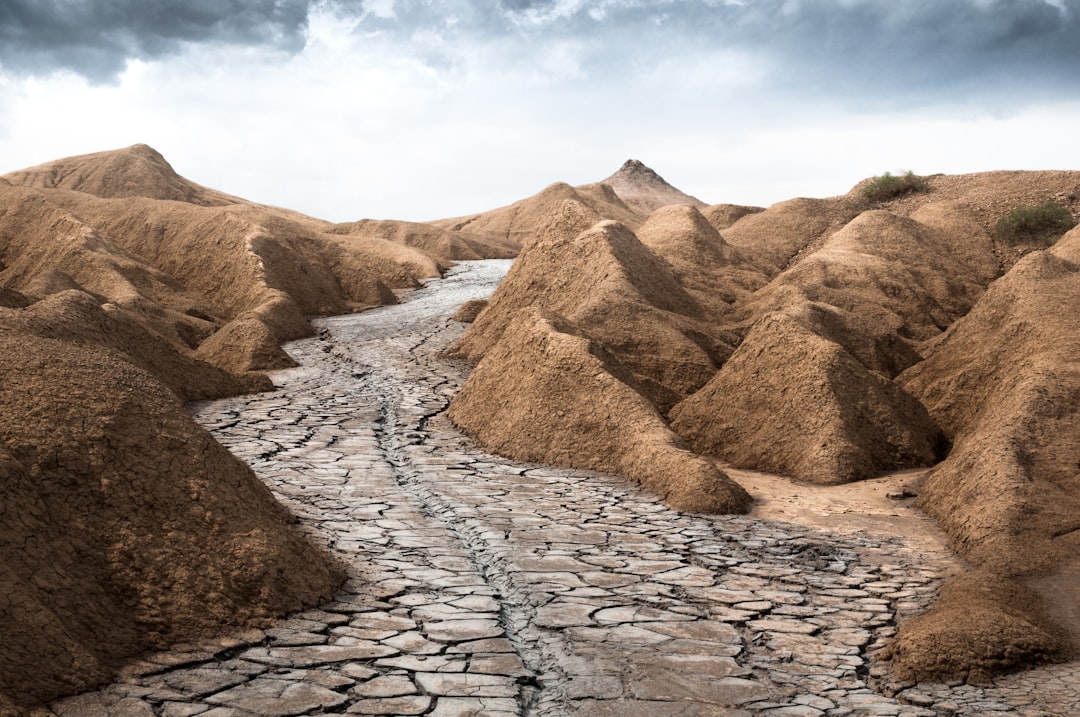
Perhaps the most widely cited environmental factor is prolonged drought. Paleo-climatic reconstructions, utilizing techniques such as analyzing sediment cores from ancient lakes and analyzing tree rings, have revealed a period of intense aridity that gripped the Eastern Mediterranean starting in the late 13th century BCE and lasting for several decades. This extended period of little rainfall would have had devastating consequences for agricultural societies that relied heavily on predictable rainfall for their crops. Staple crops like wheat and barley, the foundation of the Bronze Age diet, would have failed to yield. Livestock would have perished due to lack of fodder and water. This widespread agricultural collapse would have inevitably led to widespread famine, weakening populations and making them more susceptible to other pressures. The interconnected trade networks, which facilitated the movement of grain and other essential goods, would have been strained to their breaking point, unable to compensate for the localized crop failures.
Earthquakes and Seismic Activity
Compounding the stress of drought, the region is also seismically active. Archaeological evidence from numerous sites across the Eastern Mediterranean points to significant earthquake damage occurring around the same period. Cities like Mycenae, Pylos, and Hattusa bear the scars of seismic destruction. While earthquakes themselves are natural disasters, their impact was magnified by the weakened state of societies already struggling with famine and depleted resources. Rebuilding after an earthquake is an immense undertaking requiring skilled labor, materials, and a stable social order. When these conditions are absent due to widespread hardship, the damage inflicted by seismic events can be the final blow to already precarious settlements. The destruction of vital infrastructure, such as granaries, defensive walls, and water management systems, further exacerbated the existing crises.
The “Sea Peoples” Invasion
Another prominent, though controversial, theory centers on the enigmatic groups collectively known as the “Sea Peoples.” These were confederations of maritime raiders whose origins remain largely obscure, but who are frequently depicted in Egyptian inscriptions as a formidable and destructive force.
Egyptian Accounts of the Sea Peoples
The most detailed accounts of the Sea Peoples come from ancient Egypt, particularly from inscriptions and reliefs at the temples of Medinet Habu and Karnak, dating to the reign of Ramesses III (c. 1186–1155 BCE). These texts describe fierce naval battles and land invasions by various groups, including the Peleset, the Sherden, the Shekel, the Denyen, and the Weshesh. The Egyptians credit Ramesses III with repelling these invasions and saving Egypt from annihilation. However, the inscriptions also suggest that even Egypt, the most resilient of the major powers, suffered significant disruptions and losses due to these incursions. The sheer ferocity and seemingly coordinated nature of these raids suggest a significant migratory or raiding movement that could have devastated coastal settlements and disrupted maritime trade routes.
Archaeological Evidence and Debates
The archaeological evidence for the Sea Peoples’ impact is more fragmented and subject to considerable debate. While some sites show evidence of destruction consistent with widespread conflict around the time of their supposed invasions, it is often difficult to definitively attribute this destruction solely to the “Sea Peoples.” The labels used by the Egyptians are broad, and it is unclear whether they represent distinct ethnic groups, allied confederations, or simply a catch-all term for various raiders. Some scholars propose that the Sea Peoples were not a unified invading force but rather a symptom of broader societal unrest, perhaps displaced populations fleeing collapsing polities elsewhere or desperate groups seeking new lands and resources. Their presence in the archaeological record is often characterized by destruction layers, abandoned settlements, and a sudden shift in pottery styles or architectural features. The precise extent of their role remains a subject of ongoing scholarly investigation.
Internal Rebellions and Social Unrest
The external pressures of environmental catastrophe and invasion would have undoubtedly exacerbated existing internal social tensions. The Late Bronze Age was characterized by increasingly stratified societies, with powerful elites in control of vast resources and wealth.
Strain on Elites and Vassal States
The complex tribute systems and hierarchical structures that defined many Bronze Age kingdoms would have been severely tested by widespread famine and economic disruption. The ability of rulers to extract resources and maintain order would have been undermined. Vassal states, often dependent on the favor and protection of larger empires, might have been among the first to break away or rebel when the central authority weakened. The decline in agricultural productivity would have made it impossible for rulers to satisfy the demands of their populations, leading to discontent and potential uprisings. The luxury goods that adorned the palaces and elite burials of the Late Bronze Age represent a concentration of wealth that would have been difficult to sustain during times of widespread scarcity.
The Rise of Disenfranchised Groups
It is plausible that marginalized groups within these societies, perhaps peasants, mercenaries, or stateless populations living on the fringes, played a role in the collapse. Faced with starvation and oppression, they may have resorted to rebellion, sacking palaces, and contributing to the general breakdown of order. The sudden appearance of fortified settlements and the widespread adoption of iron weapons in the post-collapse period could be interpreted as a response to the breakdown of established military structures and the need for localized defense by more egalitarian communities. The emphasis on iron, a more accessible and widely available metal than bronze, could also reflect a shift in power away from elites who controlled the bronze trade.
The Bronze Age collapse remains a topic of significant debate among historians and archaeologists, with various theories suggesting a combination of factors such as climate change, invasions, and economic turmoil. A related article that delves into the possibility of a lost advanced civilization contributing to this period of upheaval can be found at Uncovering Evidence of a Lost Advanced Civilization. This article explores intriguing evidence that may shed light on the complexities surrounding the collapse and the potential influence of earlier, sophisticated societies on the cultures of the Bronze Age.
The Disruption of Trade and Communication
The Bronze Age was an era of unprecedented interregional connectivity. Vast networks of trade facilitated the movement of goods, including the crucial tin and copper needed for bronze production, as well as luxury items and, importantly, foodstuffs. The collapse of these networks was a critical factor in the domino effect.
The Bronze Trade Collapse
The production of bronze, the hallmark metal of the era, was dependent on the reliable supply of its constituent metals: copper and tin. While copper was more widely available, tin deposits were scarce and often located in distant regions like Anatolia and possibly even further afield. The intricate trade routes that connected mines, smelters, and workshops across the Mediterranean and Near East were essential for maintaining bronze production.
Scarcity of Raw Materials
As the Bronze Age societies began to falter, these vital trade routes likely fractured. Evidence suggests that tin sources may have become depleted or inaccessible, perhaps due to political instability, warfare, or deliberate disruption by rival powers. The disruption of the tin trade would have had a cascading effect, paralyzing bronze production and thereby impacting everything from weaponry and tools to agricultural implements and luxury items. Without the ability to produce bronze, the technological advantage and economic power of the established states would have been severely diminished.
Impact on Military Power
Bronze weapons and armor were the primary instruments of warfare for the great Bronze Age armies. The inability to produce new weapons and repair existing ones would have rendered these armies significantly less effective in the face of internal rebellions or external threats. This technological regression would have left established powers vulnerable and contributed to their rapid decline.
The Bronze Age collapse remains one of the most intriguing mysteries of ancient history, with various theories suggesting a combination of climate change, invasions, and societal upheaval as contributing factors. Recent research has shed light on how environmental shifts may have played a significant role in this dramatic decline. For instance, an article discussing the impact of climate on historical civilizations can be found here, providing insights into how changes in weather patterns could have disrupted agricultural production and led to widespread famine during that tumultuous period. Understanding these connections helps to paint a clearer picture of the complexities surrounding the Bronze Age collapse.
Collapse of Maritime Networks
Seaborne trade was equally vital, linking distant regions and facilitating the distribution of goods, including grain, olive oil, wine, and manufactured products. The Sea Peoples’ activities, if as widespread as Egyptian accounts suggest, would have aimed directly at disrupting these maritime highways.
Piracy and Naval Warfare
The presence of organized groups engaging in naval warfare and piracy would have made long-distance sea travel perilous. Ships would have been looted, crews killed or

How an Entire Civilization Collapsed
FAQs

What is the Bronze Age collapse?
The Bronze Age collapse refers to the sudden and widespread decline of advanced civilizations in the Eastern Mediterranean region around 1200 BCE. This collapse led to the end of the Mycenaean, Hittite, and Egyptian empires, among others.
What caused the Bronze Age collapse?
The exact cause of the Bronze Age collapse is still debated among historians and archaeologists. Some proposed factors include invasions by the Sea Peoples, internal rebellions, climate change, and economic collapse due to the disruption of trade routes.
Who were the Sea Peoples and how did they contribute to the collapse?
The Sea Peoples were a group of seafaring raiders who are believed to have played a significant role in the Bronze Age collapse. They are thought to have invaded and disrupted the established civilizations in the Eastern Mediterranean, contributing to the downfall of the existing empires.
What impact did the collapse have on the region?
The collapse led to widespread destruction, population displacement, and the decline of urban centers. Many cities and palaces were abandoned, and the region entered a period of decline known as the “Dark Ages” or “Greek Dark Ages.”
How did the Bronze Age collapse pave the way for the rise of new civilizations?
The collapse created a power vacuum in the Eastern Mediterranean, allowing for the rise of new civilizations such as the Phoenicians, Assyrians, and eventually the Greeks. These new powers would go on to shape the history of the region in the following centuries.