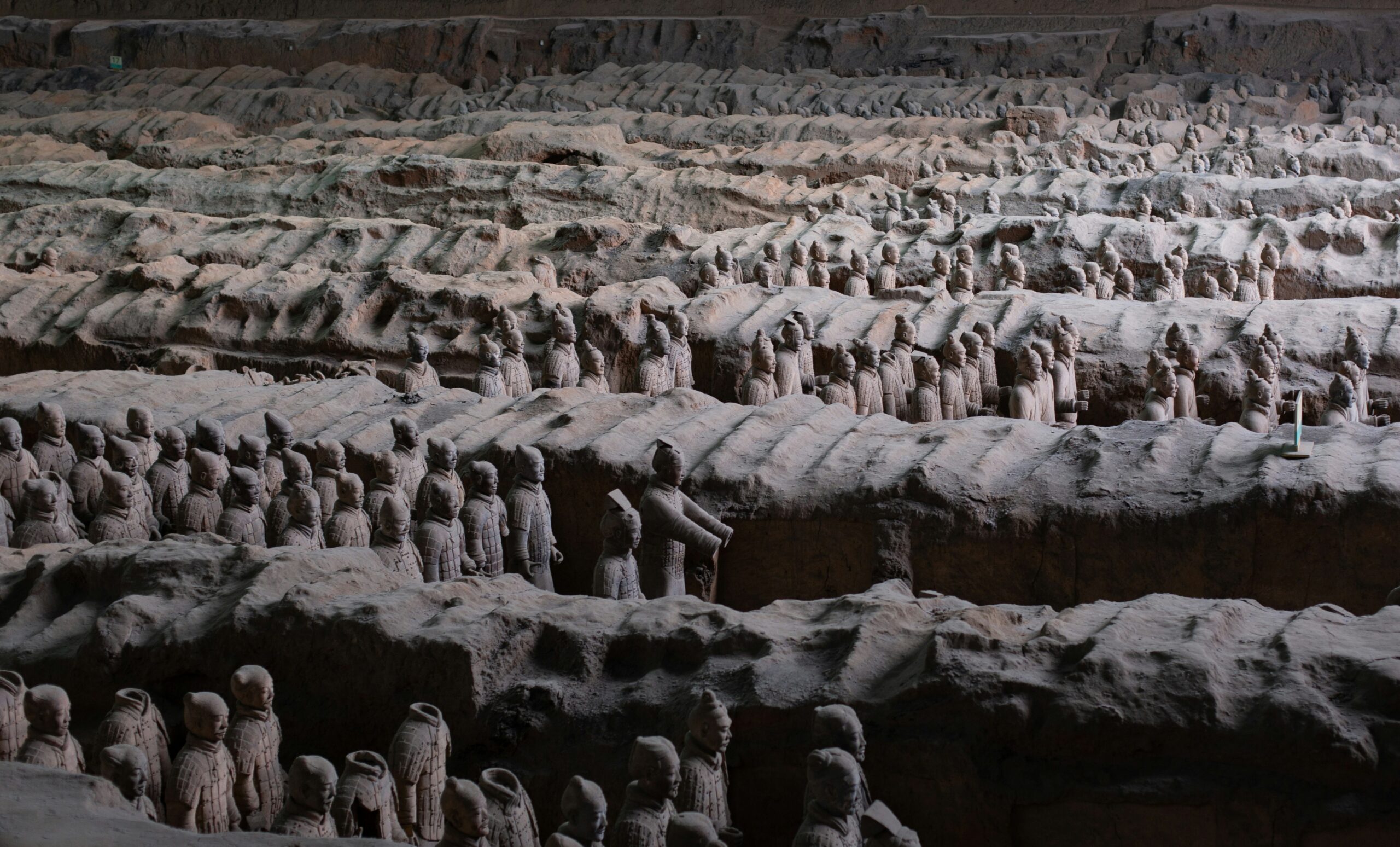
The flickering screen projected images of skeletal remains unearthed from ancient palatial ruins. The air in the darkened room thrummed with anticipation as the documentary, “Unraveling the Mystery: Bronze Age Collapse,” began its exploration of a transformative period in human history. This meticulously crafted film plunged viewers into the heart of a cataclysm that swept across the Eastern Mediterranean and Near East around the turn of the 12th century BCE, leaving behind a landscape of shattered empires and silenced cities. The documentary didn’t just present facts; it sought to evoke the palpable sense of bewilderment and crisis that must have pervaded the era, inviting the audience to piece together the fragmented clues alongside the archaeologists and historians featured.
The documentary meticulously painted a vivid picture of the Bronze Age before its sudden and dramatic end. Viewers were transported to a vibrant, interconnected world, a testament to human ingenuity and societal organization.
The Zenith of Civilization
The early segments of “Unraveling the Mystery” showcased the sophistication of Bronze Age societies. Images of intricate jewelry, monumental architecture, and finely crafted tools underscored the technological advancements and artistic achievements of the period. The film highlighted the thriving metropolises – the administrative and economic centers of powerful kingdoms and empires. We saw reconstructions of the glittering palaces of Mycenae in Greece, the administrative heart of the Minoan civilization on Crete, the sprawling complexes of the Hittite Empire in Anatolia, and the grand cities of the New Kingdom in Egypt. The sheer scale and artistry of these societies spoke to centuries of stability, prosperity, and complex international relations.
An Interconnected Web of Trade and Diplomacy
A significant focus was placed on the remarkable interconnectedness of the Bronze Age world. The documentary emphasized how vast trade networks stretched across the Mediterranean and overland into the Near East, facilitating the exchange of not only goods but also ideas and technologies. The movement of tin and copper, essential for bronze production, represented a crucial lifeline for these societies, demanding complex logistical arrangements and fostering diplomatic ties between distant rulers. The film presented evidence of exotic goods found far from their origins – amber from the Baltic discovered in Egypt, for instance – illustrating the extensive reach of these ancient mariners and merchants. The decipherment of ancient texts, such as the Amarna letters, provided direct insights into the diplomatic correspondences between rulers, revealing a world where alliances were forged, disputes were mediated, and prestige was actively managed through diplomatic gift exchanges. The film’s narration explained how this interconnectedness, while a source of strength and prosperity, also created vulnerabilities.
The Pillars of Power: Empires and Kingdoms
“Unraveling the Mystery” detailed the dominant powers of the era. The Egyptians, with their monumental pyramids and well-established bureaucracy, stood as an enduring force. The Hittites, a formidable military power, controlled vast territories in Anatolia and engaged in constant brinkmanship with their neighbors. The Mycenaeans, with their distinctive citadels and warrior aristocracy, dominated the Aegean. The city-states of the Levant, such as Ugarit and Canaan, served as vital trading hubs and cultural crossroads. The documentary explained how the stability of these large political entities, often built on military might and tightly controlled resources, was the bedrock of the Bronze Age. The intricate administrative systems, the maintenance of standing armies, and the control of key trade routes were all crucial elements that underpinned this seemingly unshakeable order.
The Bronze Age Collapse remains one of the most intriguing mysteries of ancient history, as it marked the sudden decline of several advanced civilizations around the Mediterranean. For those interested in exploring further, a related article titled “Unveiling Ancient Scribe Secrets: Hidden Writings” delves into the significance of ancient texts and their impact on our understanding of this tumultuous period. You can read the article by following this link: Unveiling Ancient Scribe Secrets: Hidden Writings.
The First Tremors: Signs of Instability
As the documentary progressed, the narrative shifted from a celebration of Bronze Age achievement to an exploration of the nascent cracks appearing in its carefully constructed facade. The filmmakers effectively used archaeological evidence to point to an increasing fragility in the system.
Growing Internal Strains
The film began to introduce the idea of internal stresses within these powerful states. The wealth and power of the elite, while fueling impressive constructions, also fostered deep social stratification. The documentary alluded to potential internal dissent, peasant uprisings, or power struggles within royal courts, although direct archaeological evidence for these is often elusive and open to interpretation. The emphasis was on the increasing cost of maintaining large armies, complex bureaucracies, and monumental building projects, which may have placed a significant strain on the economic resources of these states. The filmmakers speculated on the burden of taxation and the potential for growing discontent among the populace, particularly in the face of any emerging challenges.
The Bronze Age collapse remains one of the most intriguing mysteries of ancient history, and it has sparked numerous discussions and analyses in various documentaries. One such documentary delves into the potential causes and effects of this dramatic period, exploring how climate change, invasions, and societal upheaval contributed to the downfall of several advanced civilizations. For those interested in further exploring the connections between ancient maps and historical events, a related article discusses the Piri Reis map and its significance in understanding maritime navigation during that era. You can read more about it in this insightful piece on uncovering the source documents of the Piri Reis map.
The Shadow of Environmental Degradation
A significant h3 sub-heading in this section focused on the potential role of environmental factors. The documentary presented a compelling case for the impact of climate change, albeit in a different form than we experience today. Archaeological and paleoclimatological evidence, such as studies of ancient pollen and lakebed sediments, suggested a period of prolonged drought and increased aridity in certain regions. This would have severely impacted agricultural productivity, leading to food shortages and famine. The film illustrated how such environmental stresses could exacerbate existing social and economic problems, pushing already strained societies towards the breaking point. The impact of deforestation, often a byproduct of intensive agriculture and construction, was also mentioned as a factor that could worsen soil erosion and further diminish agricultural yields.
The Winds of Change: Early Evidence of Conflict
The documentary pointed to increasing evidence of conflict in the archaeological record. Fortifications were strengthened, cities were abandoned or destroyed, and signs of widespread warfare became more prevalent in the later phases of the Late Bronze Age. The film showcased excavated sites with evidence of burning, destruction layers, and mass graves, suggesting a period of growing insecurity and intense conflict. While the specific perpetrators were often unclear at this stage, the sheer scale and frequency of these incidents indicated a breakdown in the established order and a rise in regional instability. The documentary suggested that these conflicts might have been driven by competition for dwindling resources, migration pressures, or the ambition of emerging powers.
The Cataclysm: The Collapse Unfolds

The heart of the documentary resided in its detailed examination of the period of rapid societal collapse that followed. This was a period of unprecedented upheaval, where entire civilizations seemed to vanish from the historical record.
The “Sea Peoples”: A Confounding Enigma
One of the most compelling and enduring mysteries of the Bronze Age Collapse is the identity and role of the so-called “Sea Peoples.” The documentary dedicated a substantial portion of its narrative to this enigmatic group. Visuals of Egyptian reliefs depicting fierce warriors disembarking from ships were prominently featured, alongside scholarly interpretations of their origins and motivations. The film presented various theories, from nomadic invaders to dispossessed populations seeking new lands. The documentary explained how the Sea Peoples were primarily mentioned in Egyptian records, particularly the inscriptions at the mortuary temple of Ramesses III at Medinet Habu, which chronicle his battles against them. However, their exact origins and their motivations for raiding and potentially settling across the Eastern Mediterranean remained a subject of intense debate. The film acknowledged the lack of definitive archaeological evidence directly linking specific groups to the Sea Peoples, making their role a constant puzzle.
A Domino Effect: The Undoing of Empires
The documentary vividly illustrated how the collapse was not a singular event but a cascading series of failures. The destruction of one powerful entity often had repercussions for its neighbors. The Hittite Empire, a regional superpower, experienced a dramatic collapse, with its capital Hattusa being abandoned and its administrative centers destroyed. This left a power vacuum and further destabilized the region. Similarly, the Mycenaean civilization, despite its formidable fortifications, succumbed to internal strife and external pressures, leading to the abandonment of its palace complexes and the decline of its sophisticated culture. The film emphasized how the interconnectedness that had once been a source of strength now contributed to the widespread and rapid nature of the collapse. The intricate web of dependencies, from trade routes to diplomatic alliances, meant that the failure of one node could affect many others.
The Silence of the Cities: Archaeological Evidence of Destruction
The documentary guided viewers through a series of archaeological sites that bore witness to the violence and abruptness of the collapse. The torching of cities, the abandonment of elaborate palaces, and evidence of widespread destruction were presented as stark reminders of the cataclysm. The film showcased images from Ugarit, a prosperous trading city on the Syrian coast that was destroyed and abandoned in a single event, with its final moments preserved under a layer of ash. The abandonment of Mycenaean palaces, with their intricate frescoes and storerooms filled with valuable goods, spoke of sudden flight rather than gradual decline. The documentary highlighted how the archaeological record was not always a straightforward narrative of gradual decay but often a story of sudden, violent interruption. The lack of later Bronze Age occupation in many of these important centers was a powerful indicator of the completeness of the disruption.
Piecing Together the Fragments: Theories and Evidence
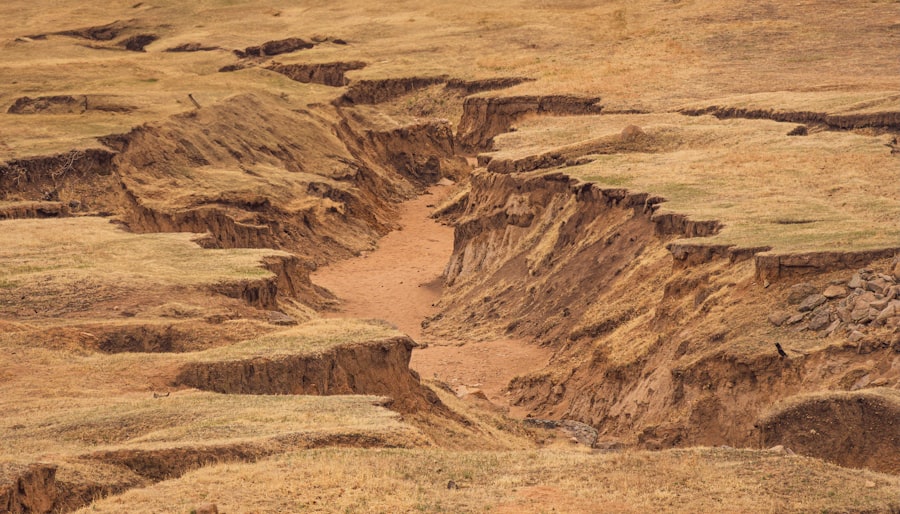
As the documentary moved into its final act, it delved into the complex and often conflicting theories that scholars have proposed to explain the Bronze Age Collapse. The filmmakers presented a nuanced view, acknowledging that no single factor likely accounts for such a widespread and profound transformation.
The Orchestrated Chaos: Multiple Causative Factors
The film strongly argued against a single, simplistic explanation. Instead, it presented a compelling case for a convergence of multiple factors. The documentary explored the interplay of environmental stress, such as prolonged drought, with internal societal weaknesses, such as political instability and social unrest. The impact of external pressures, including the raids of the Sea Peoples and potentially other migratory movements, was also considered a crucial element. The filmmakers used expert interviews and animated reconstructions to illustrate how these different pressures could have interacted, creating a perfect storm that overwhelmed the resilience of Bronze Age civilizations. For instance, a drought could weaken a state, making it more vulnerable to internal dissent or external aggression. Similarly, the arrival of new groups could further strain already depleted resources.
The Search for the Missing Links: Ongoing Research and Debate
“Unraveling the Mystery” also highlighted the ongoing nature of archaeological and historical research. The documentary featured archaeologists at work, carefully excavating new sites and re-examining existing evidence with modern techniques. The film emphasized that our understanding of the Bronze Age Collapse is constantly evolving as new discoveries are made and new interpretations emerge. The debate over the precise role and identity of the Sea Peoples was presented as a prime example of this ongoing scholarly engagement. The filmmakers acknowledged that some theories are more widely accepted than others, but the spirit of inquiry and the pursuit of definitive answers remained a central theme. The use of advanced scientific methods, such as radiocarbon dating and isotopic analysis, was presented as crucial for refining our timelines and understanding ancient migration patterns.
The Legacy of the Collapse: A Transformative Period
The documentary concluded by reflecting on the profound and lasting impact of the Bronze Age Collapse. While it marked the end of an era, it also paved the way for new beginnings. The film suggested that the collapse led to the fragmentation of large empires, the rise of smaller, more localized political entities, and the eventual emergence of new cultural and linguistic groups. The “Dark Age” that followed in some regions, characterized by a decline in material culture and literacy, was seen not as an end but as a transitional period. The eventual re-emergence of complex societies in the Iron Age, with new technologies and different political structures, was presented as a direct consequence of the transformations brought about by the Bronze Age Collapse. The documentary subtly suggested that the lessons learned from this ancient crisis – about the fragility of complex systems, the importance of resilience, and the interconnectedness of human societies – remain relevant even today. The collapse, while devastating, ultimately served as a catalyst for innovation and adaptation.
The final images of the documentary showed the remnants of ancient cities, standing as silent witnesses to a period of immense change. “Unraveling the Mystery: Bronze Age Collapse” left its audience with a deep appreciation for the complexity of the past, the enduring power of historical inquiry, and the ongoing quest to understand the forces that shape human civilization. It was a journey into darkness, yes, but also a journey that illuminated the remarkable capacity of humanity to endure, adapt, and ultimately rebuild from the ashes of destruction.

How an Entire Civilization Collapsed
FAQs
What is the Bronze Age Collapse?
The Bronze Age Collapse refers to the sudden and widespread decline of advanced civilizations in the Eastern Mediterranean region around 1200 BCE. This collapse led to the end of the Mycenaean, Hittite, and Egyptian empires, among others.
What caused the Bronze Age Collapse?
The exact cause of the Bronze Age Collapse is still debated among historians and archaeologists. Some proposed factors include invasions by the Sea Peoples, internal rebellions, climate change, and economic collapse due to the disruption of trade routes.
What impact did the Bronze Age Collapse have on the affected civilizations?
The Bronze Age Collapse had a profound impact on the affected civilizations, leading to the destruction of cities, widespread population displacement, and the loss of technological and cultural knowledge. Many of the once-thriving civilizations never fully recovered from the collapse.
What evidence supports the theories about the Bronze Age Collapse?
Archaeological evidence, including the destruction of cities and the abandonment of settlements, supports the theories about the Bronze Age Collapse. Additionally, ancient texts and inscriptions from the period provide some insight into the events that unfolded.
Are there any modern parallels to the Bronze Age Collapse?
While the Bronze Age Collapse was a unique event in history, some historians draw parallels between its causes and the potential for similar collapses in modern times. These parallels include the impact of climate change, economic instability, and geopolitical conflicts on advanced civilizations.