The Bronze Age, a period of burgeoning civilizations and intricate trade networks, met a sudden and catastrophic end around 1200 BCE. For centuries, massive empires like the Hittites, Mycenaeans, and the Egyptian New Kingdom flourished, connected by the vital conduits of copper and tin that defined their era. Then, within a remarkably short span, these powerful societies crumbled, leaving behind a fragmented landscape and a profound historical enigma. The reasons for this so-called “Bronze Age Collapse” have long captivated scholars, sparking myriad theories and ongoing debates. Understanding this turning point in human history requires delving into the complex interplay of factors that likely contributed to the widespread societal breakdown.
The Bronze Age was characterized by a degree of interconnectedness that, while fostering prosperity, also created inherent vulnerabilities. These great civilizations, like colossal statues built on increasingly complex foundations, were perhaps more fragile than they appeared. The very systems that facilitated their growth also contained the seeds of their downfall.
The Rise of Centralized Power and its Discontents
During the Late Bronze Age, powerful centralized states had emerged across the Aegean, Anatolia, the Levant, and Egypt. These monarchies controlled vast resources, amassed significant military power, and engaged in extensive diplomatic and trade relations. However, this centralization came at a cost. Local elites and burgeoning merchant classes may have chafed under the authority of distant kings, fostering internal dissent and regional autonomy movements. The intricate hierarcies, while efficient in peacetime, could prove brittle when faced with significant external or internal shocks.
Economic Interdependence and Supply Chain Vulnerabilities
The hallmark of the Bronze Age was its reliance on long-distance trade, particularly for tin, a crucial component of bronze. This mineral was not widely available, forcing civilizations to depend on complex and often precarious supply chains stretching from as far away as Afghanistan and Cornwall. Disruptions to these trade routes, whether due to piracy, political instability in transit regions, or the collapse of a key intermediary power, could have had cascading effects, crippling economies and undermining military capabilities. The intricate web of exchange, while a testament to ingenuity, also meant that the failure of one node could reverberate throughout the entire system.
Agricultural Dependence and Environmental Stress
The large populations supported by Bronze Age civilizations were heavily reliant on agricultural surplus. Climate shifts, droughts, or prolonged periods of unfavorable weather could have led to widespread famine, social unrest, and a weakening of state authority. Evidence suggests that the period preceding the collapse may have experienced significant climatic fluctuations, including prolonged droughts, which would have put immense pressure on already strained agricultural systems. The inability to feed one’s population is a fundamental threat to any civilization, and the Bronze Age was certainly not immune to this ancient vulnerability.
The Bronze Age collapse remains one of the most intriguing periods in ancient history, marked by the sudden decline of several advanced civilizations around the Mediterranean. Archaeologists continue to explore various factors that may have contributed to this phenomenon, including climate change, invasions, and trade disruptions. A related article that delves into ancient navigation and its potential impact on trade and cultural exchange during this era can be found at Unraveling the Ancient Navigation Mystery. This piece offers insights into how maritime skills may have influenced the interconnectedness of Bronze Age societies and their eventual fates.
External Shocks: The Unseen Forces of Destruction
While internal weaknesses undoubtedly played a role, the Bronze Age Collapse appears to have been exacerbated by a confluence of external pressures, often acting in concert. These were not isolated incidents but rather a series of interconnected challenges that overwhelmed the already stressed systems of the Late Bronze Age world.
The “Sea Peoples” Phenomenon: A Maritime Menace
Perhaps the most dramatic and widely cited external factor in the Bronze Age Collapse is the enigmatic emergence of the “Sea Peoples.” These groups, whose exact origins remain a subject of intense debate, are depicted in Egyptian inscriptions and reliefs as a formidable force that devastated coastal regions across the Eastern Mediterranean. Their raids and migrations seem to have targeted major cities and trade centers, contributing to the destruction of several significant civilizations, most notably the Mycenaean world and the city of Ugarit. The sheer scale and nature of their attacks suggest a coordinated effort or a widespread movement of peoples seeking new lands and resources.
Invasions and Migrations: A Domino Effect
Beyond the Sea Peoples, other groups may have capitalized on the existing instability. Theories abound regarding migrations of various peoples into the weakened regions. Whether driven by famine, environmental disaster in their homeland, or simply by the opportunity presented by collapsing defenses, these movements would have further strained resources and contributed to the general chaos. The idea of a domino effect, where the collapse of one society emboldens or displaces other groups, is a compelling framework for understanding the widespread nature of the destruction.
The Eruption of Warfare and its Devastating Consequences
The Late Bronze Age was not a period of perpetual peace, but the scale and intensity of warfare may have escalated dramatically during the collapse. Evidence of widespread destruction, burning, and abandonment of cities points to a period of intense conflict. The breakdown of established political order and the rise of opportunistic raiders and migrating groups likely fueled a cycle of violence that further destabilized the region. The complex fortifications of many Bronze Age cities, while impressive, were ultimately unable to withstand the combined pressures of invasion and internal breakdown in many instances.
The Technological Shift: The Iron Age Emerges from the Ashes
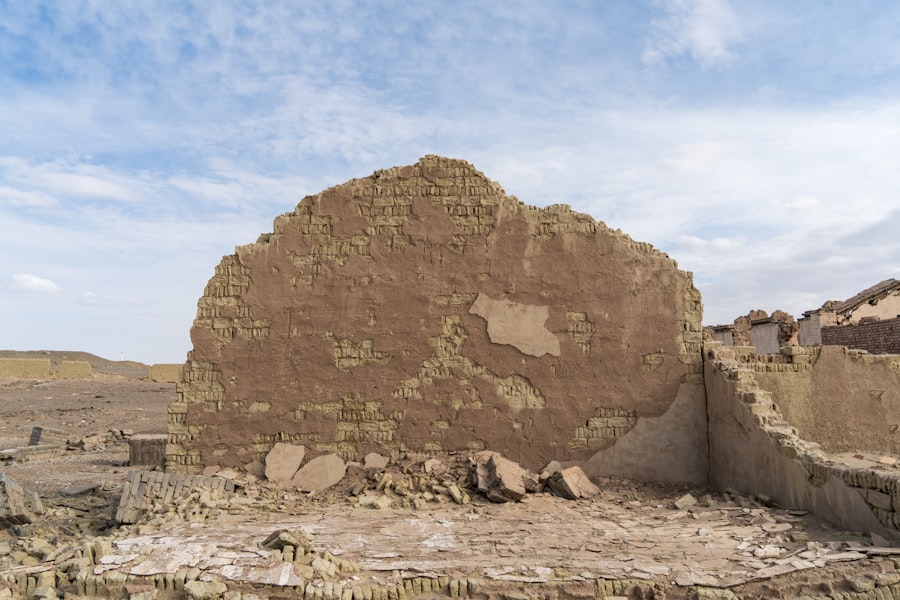
The end of the Bronze Age was not the end of civilization itself, but rather a profound transformation. From the ashes of the old order, a new era emerged, characterized by a significant technological shift: the widespread adoption of iron. This transition, while initially appearing as a step backward from the superior qualities of bronze, ultimately proved to be a catalyst for a more egalitarian and resilient form of civilization.
The Limitations of Bronze and the Advantages of Iron
Bronze, for all its strength and ability to hold a sharp edge, was a material that depended on complex and geographically restricted trade networks. The scarcity of tin, in particular, made its production and widespread use a privilege of the wealthy and powerful. Iron, on the other hand, was a far more abundant metal, found in many more locations. While early iron production was challenging and the resulting metal often brittle, the ability to source this material more locally and bypass the intricate trade routes of the Bronze Age offered significant advantages. The transition to iron was not immediate or universal, but it laid the foundation for a new technological paradigm.
Democratizing Warfare and Production
The greater availability of iron had profound implications for warfare and production. The ability to arm more soldiers with iron weapons rather than relying on the expensive bronze counterparts meant that military power could be more widely distributed. Similarly, the wider availability of iron tools for agriculture and craftsmanship could lead to increased productivity and a more equitable distribution of resources. This shift from a bronzefocused elite to a more iron-enabled populace is a key element in understanding the nature of the societal restructuring that followed the collapse.
The Dawn of a New Era: Resilient and Diverse Societies
The societies that emerged from the Bronze Age Collapse were, in many ways, more fragmented and less grand than their predecessors. The vast, interconnected empires were replaced by smaller, more localized kingdoms and city-states. However, these new entities were often more resilient and adaptable. The reliance on local resources and more decentralized political structures allowed them to weather future storms more effectively. The Iron Age witnessed the rise of new cultures and the strengthening of existing ones, laying the groundwork for the classical civilizations that would later dominate the Mediterranean world.
Unanswered Questions and Ongoing Research: The Persistent Enigma

Despite the accumulation of evidence and the development of numerous theories, the Bronze Age Collapse remains a captivating puzzle. The precise nature and interplay of the contributing factors continue to be debated, and new discoveries constantly reshape our understanding. The mystery endures, fueling ongoing research and challenging scholars to piece together the fragmented narrative of this pivotal moment in history.
Archaeological Evidence: Piecing Together the Fragments
Archaeological digs across the Eastern Mediterranean and beyond have provided a wealth of evidence for the Bronze Age Collapse. Excavations reveal layers of destruction, abandonment of settlements, and the pervasive presence of fire. The study of pottery styles, weaponry, and architectural remains offers clues about the extent of the disruption and the nature of the societies that flourished and fell. However, the interpretation of this evidence is complex, and different sites offer different pieces of the puzzle, making a unified picture elusive.
Textual Sources: Glimmers of a Lost World
The textual records from the Late Bronze Age, primarily cuneiform tablets and hieroglyphic inscriptions, offer invaluable insights, albeit often fragmented and biased. The Amarna letters, for example, reveal the diplomatic anxieties and the precarious state of affairs among the great powers on the eve of the collapse. Egyptian inscriptions documenting the raids of the Sea Peoples provide dramatic accounts of destruction. However, these texts often focus on the actions of rulers and elites, and the perspectives of ordinary people or the motivations of the “Sea Peoples” themselves remain largely untold.
Scientific Analysis: Unlocking New Secrets
Modern scientific techniques are increasingly being employed to unravel the mysteries of the Bronze Age Collapse. Isotope analysis of human and animal remains can shed light on migration patterns and dietary changes. Paleoclimatic data, derived from ice cores and sediment samples, provides crucial information about environmental conditions. Advanced dating techniques for archaeological materials help to refine timelines and establish the simultaneity of events. These scientific endeavors are providing new evidence and challenging long-held assumptions.
The study of the Bronze Age collapse has revealed fascinating insights into the resilience of ancient civilizations, as discussed in a related article that explores how societies adapted to significant challenges. For a deeper understanding of this topic, you can read more about it in the article on ancient civilization resilience. This exploration highlights the various factors that contributed to the decline and transformation of these societies, shedding light on their remarkable ability to endure and evolve in the face of adversity.
The Lasting Legacy: Lessons from a World Unmade
| Site | Location | Findings |
|---|---|---|
| Troy | Turkey | Destroyed layers of the city dating to the Bronze Age collapse |
| Mycenae | Greece | Abandoned and looted during the collapse |
| Ugarit | Syria | Destroyed by fire during the collapse |
The Bronze Age Collapse serves as a stark reminder of the fragility of even the most advanced civilizations. The interconnectedness that fostered prosperity could also breed vulnerability. The lessons derived from this period continue to resonate, offering insights into the dynamics of societal change, the importance of resilience, and the enduring human capacity for adaptation in the face of profound disruption. The fall of empires, while a tragedy, can also be a catalyst for rebirth, demonstrating that history is not always a linear progression but often a cyclical dance of creation and destruction, from which new forms of human society inevitably emerge. The echoes of the Bronze Age Collapse continue to inform our understanding of the rise and fall of civilizations, offering a timeless perspective on the challenges and triumphs of the human journey.

How an Entire Civilization Collapsed
FAQs
What is the Bronze Age Collapse?
The Bronze Age Collapse refers to the sudden and widespread decline of advanced civilizations in the Eastern Mediterranean region around 1200 BCE. This collapse led to the end of the Mycenaean, Hittite, and Egyptian empires, among others.
What caused the Bronze Age Collapse?
The exact cause of the Bronze Age Collapse is still debated among historians and archaeologists. Possible factors include invasions by the Sea Peoples, internal rebellions, climate change, and economic collapse due to the disruption of trade routes.
What were the effects of the Bronze Age Collapse?
The collapse led to the destruction of major cities, widespread population movements, and the decline of literacy and technological advancements. It also marked the beginning of the Greek Dark Ages and a period of cultural and economic regression in the region.
What evidence do archaeologists use to study the Bronze Age Collapse?
Archaeologists study a variety of evidence, including the remains of destroyed cities, written records from the time, and artifacts such as pottery, weapons, and tools. They also analyze pollen and sediment cores to understand the environmental changes that may have contributed to the collapse.
How did the Bronze Age Collapse impact future civilizations?
The collapse had a lasting impact on the Eastern Mediterranean region, leading to the rise of new civilizations and the reshaping of political and cultural landscapes. It also influenced the development of trade networks and the spread of ideas and technologies in the following centuries.