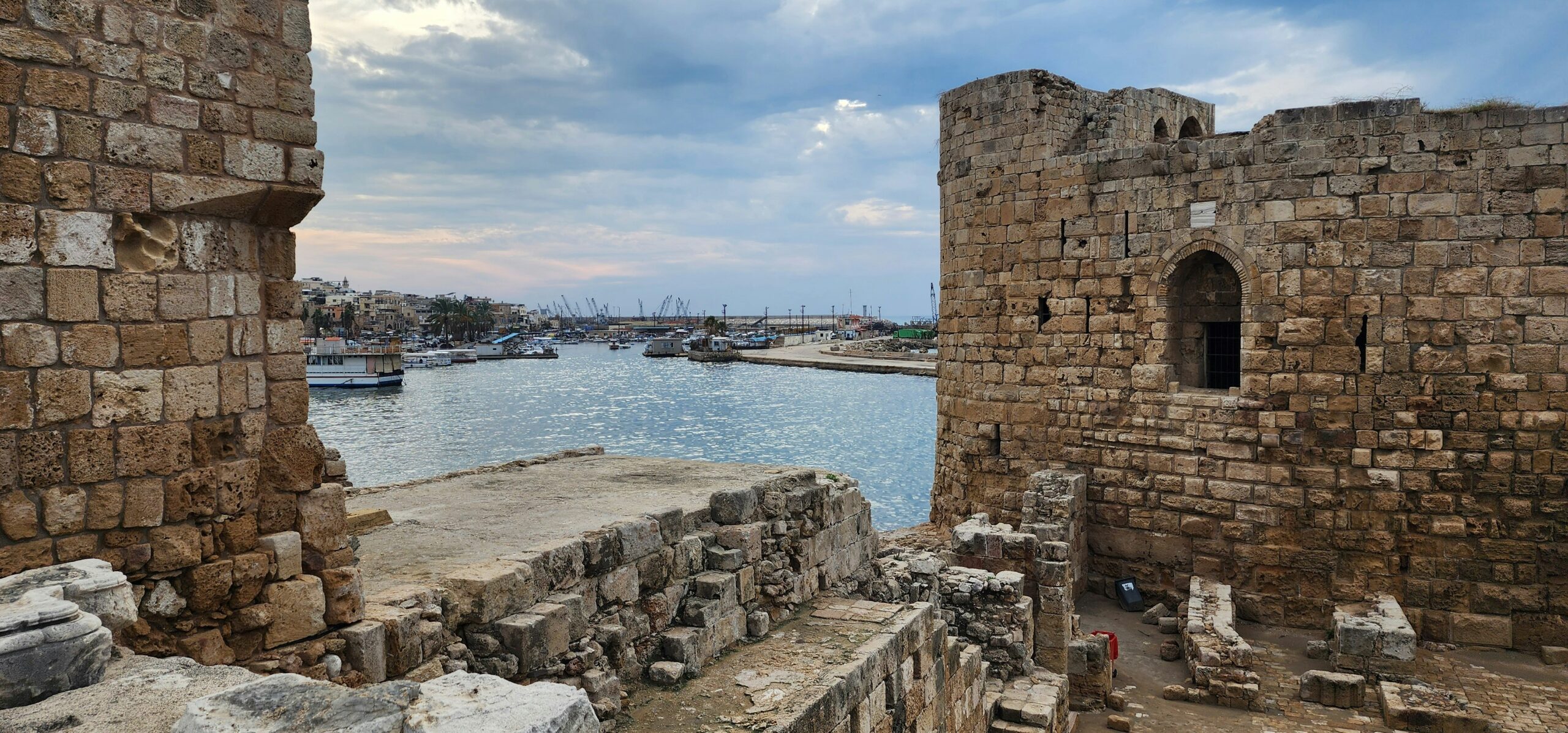
The flickering footage coalesced into a breathtaking panorama, a landscape sculpted by time and wind, whispering secrets of epochs long past. This was the opening salvo of “Unearthing Forgotten Civilizations: A Documentary,” a sweeping ethnographic and archaeological expedition that promises to transport viewers to the very edges of human history. The film eschews the sensationalism often associated with lost cities, opting instead for a measured, deeply respectful exploration of the lives, beliefs, and innovations of societies that have slumbered beneath the dust of millennia. From the sun-baked plains of ancient Mesopotamia to the mist-shrouded peaks of the Andes, the documentary embarks on a global quest, guided by the tireless efforts of contemporary archaeologists and historians, to piece together narratives that were almost entirely erased.
The documentary opens with a poignant reflection on the ephemeral nature of human endeavors. It poses a fundamental question: how do we, from our precarious perch in the 21st century, connect with those who walked the earth thousands of years ago? The answer, “Unearthing Forgotten Civilizations” suggests, lies not just in uncovering material remains, but in understanding the human spirit that animated them.
The Fragility of Memory
The initial segments of the film emphasize the inherent fragility of human memory and the forces that contribute to the erasure of entire cultures. This isn’t merely about lost cities being swallowed by jungles; it’s about the gradual, often insidious, disappearance of languages, traditions, and knowledge systems.
The Power of the Written Word (and its Absence)
The documentary illustrates how written records, while invaluable, are not a universal guarantee of preservation. The destruction of libraries in antiquity, the decay of papyrus under harsh climates, and the very act of conquest can obliterate written histories. Conversely, the absence of widespread written records in certain societies doesn’t signify a lack of complexity, but rather a different system of knowledge transmission, often oral, which is far more susceptible to the ravages of time.
Environmental Cataclysms and Societal Collapse
A recurring theme is the profound impact of environmental shifts on the fate of civilizations. The film showcases examples of societies that thrived for centuries, only to be decimated by prolonged droughts, devastating floods, or geological upheavals. This forces viewers to contemplate the delicate balance between human existence and the natural world, a lesson that resonates acutely in our current era of climate change.
The Weight of Conquest and Assimilation
The documentary also confronts the often-brutal reality of conquest and assimilation. Empires rise and fall, and with them, the cultures they subjugate can be either eradicated or irrevocably altered. The film provides nuanced examples, demonstrating that assimilation is not always a passive process and that remnants of subjugated cultures can persist in unexpected ways.
Archaeology as Detective Work
“Unearthing Forgotten Civilizations” vividly portrays archaeology not as a treasure hunt, but as a painstaking process of scientific inquiry and collaborative deduction. The documentary follows teams of archaeologists as they meticulously excavate sites, analyze artifacts, and interpret the subtle clues left behind.
The Tools of Discovery
Viewers are introduced to the sophisticated technologies that are revolutionizing archaeological fieldwork. From ground-penetrating radar that maps buried structures without disturbing the earth, to lidar that can strip away dense jungle canopies to reveal hidden ruins, the film highlights the fusion of cutting-edge science with age-old fieldwork. The use of DNA analysis to trace migration patterns and dietary habits, and isotopic analysis to understand ancient trade networks, are also presented as crucial tools in deciphering the past.
The Art of Interpretation
Beyond the science, the documentary emphasizes the interpretative skills required to transform mere objects into narratives. The placement of a shard of pottery, the design of a burial ritual, or the layout of a village are all imbued with meaning, requiring archaeologists to draw upon their knowledge of anthropology, linguistics, and comparative cultures to reconstruct the lives of the people who created them.
In exploring the fascinating world of forgotten civilizations, the documentary “Uncovering Lost Ancient Technology” delves into the remarkable achievements and innovations of societies that have long since vanished. This captivating film not only highlights the mysteries surrounding these ancient cultures but also examines the advanced technologies they may have possessed. For a deeper understanding of this intriguing topic, you can read more in the related article available at Uncovering Lost Ancient Technology.
Journeys Through Time and Space: Key Civilizations Explored
The heart of the documentary lies in its detailed exploration of several remarkable, yet often overlooked, ancient civilizations. Each segment is a mini-odyssey, immersing the viewer in the unique contexts and achievements of these forgotten peoples. The film’s strength lies in its ability to move seamlessly between vast geographical regions, demonstrating the diverse tapestry of human ingenuity.
The Sun-Kissed Cities of the Indus Valley
The first major subject is the ancient Indus Valley Civilization, a Bronze Age powerhouse that flourished in what is now modern-day Pakistan and northwest India. The documentary uses CGI reconstructions and expert interviews to bring to life the sophisticated urban planning, advanced sanitation systems, and intricate trade networks of cities like Mohenjo-daro and Harappa.
Urban Marvels of the Bronze Age
The film marvels at the evident foresight of Indus Valley planners. The rectilinear street grids, the elaborate drainage systems that rival those found in modern cities, and the standardized brick sizes speak of a highly organized and technologically advanced society. Viewers are shown how these cities were not merely collections of buildings, but integrated ecosystems designed for efficient living.
The Enigma of the Indus Script
A significant portion of this segment is dedicated to the undeciphered Indus script. The documentary grapples with the challenge of understanding a civilization that left behind a mysterious writing system that has eluded modern scholars. This lack of direct translation forces reliance on material culture and indirect evidence, highlighting the interpretive challenges historians face.
Trade and Cultural Exchange
The documentary details the extensive trade networks that connected the Indus Valley people to Mesopotamia, Central Asia, and the Persian Gulf. Artifacts of foreign origin found at Indus sites, and Indus seals discovered in far-off lands, paint a picture of a bustling cosmopolitan world, where goods and ideas flowed freely.
The Enigmatic Nazca of the Peruvian Desert
The film then shifts its gaze to the arid plains of southern Peru, home to the Nazca culture, renowned for their colossal geoglyphs etched into the desert floor. The documentary explores the scientific and anthropological debates surrounding the purpose and creation of these iconic lines.
The Art of the Sky: The Geoglyphs
The Nazca Lines are presented not just as artistic expressions, but as a monumental undertaking demanding incredible precision and coordination. The documentary delves into theories about their creation, from astronomical calendars to ritual pathways, and the ingenious methods used by the Nazca people to maintain their visibility over vast distances.
Water Management in a Barren Land
Beyond the lines, the film highlights the Nazca’s remarkable mastery of water management in one of the driest regions on Earth. The exploration of their underground aqueducts, known as puquios, reveals a sophisticated understanding of hydrology and an ingenious approach to agriculture in an unforgiving environment.
The Ritual Landscape
The documentary considers the Nazca culture’s deep spiritual connection to their landscape. The geoglyphs are examined in the context of religious ceremonies, pilgrimage routes, and the appeasement of deities who controlled the precious resource of water, offering a glimpse into a worldview profoundly intertwined with the earth.
The Sunken Cities of the Aegean
A journey to the Mediterranean brings the documentary to the Minoan civilization of Crete. Here, archaeologists are uncovering the remnants of a vibrant, maritime society that predates classical Greece. The frescoed palaces, the sophisticated plumbing, and the unique Linear A script offer a window into a culture that was both artistic and highly functional.
Palaces as Centers of Power and Life
The documentary showcases the grandeur of Minoan palaces like Knossos. These were not just royal residences but complex administrative, religious, and economic hubs, illustrating the centralized nature of Minoan society. The vibrant frescoes adorning their walls provide insights into their daily life, their religious beliefs, and their perceived relationship with nature.
The Secrets of Linear A
Similar to the Indus script, the Minoan Linear A script remains largely undeciphered. The documentary discusses the ongoing efforts to unlock its secrets, underscoring the frustrations and the immense potential rewards of such linguistic breakthroughs. The existence of a unique script speaks to a distinct cultural identity.
Maritime Prowess and Trade
The Minoans were masters of the sea. The film details their extensive maritime trade network, through which they exchanged goods and influences across the Eastern Mediterranean. Their ships, depicted in art, and the archaeological evidence of their ports, illustrate their dominance as a seafaring power.
The Human Element: Reconstructing Lives from Fragments
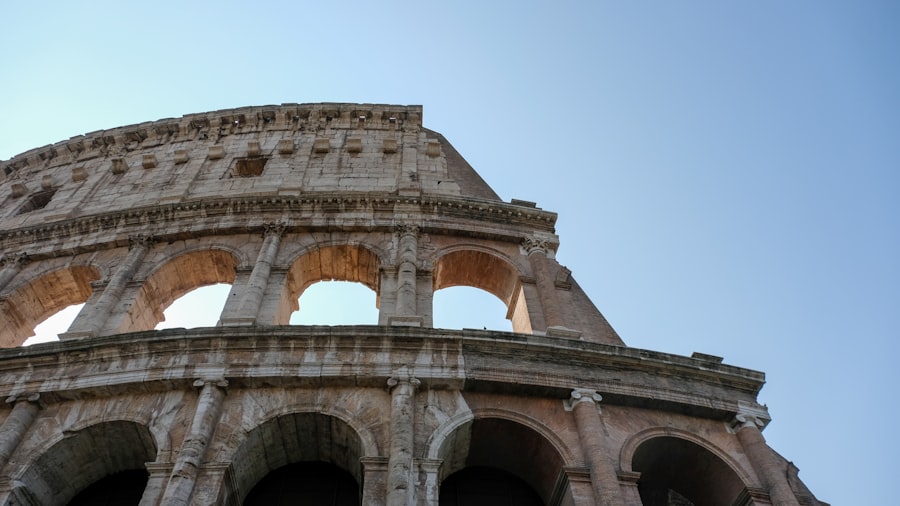
“Unearthing Forgotten Civilizations” distinguishes itself by consistently returning to the human stories that lie beneath the archaeological evidence. The documentary avoids reducing these ancient peoples to mere historical footnotes, instead striving to understand their hopes, fears, joys, and daily struggles.
The Intricacies of Daily Life
The film dedicates segments to visualizing the mundane yet crucial aspects of life in these ancient societies. This includes discussions on diet, clothing, family structures, and forms of entertainment.
Sustenance and Survival
From the agricultural practices of the Indus Valley to the ingenious irrigation of the Nazca, the documentary illuminates how these civilizations sustained themselves. Examining crop patterns, animal husbandry, and the procurement of food provides a fundamental understanding of their daily existence and their relationship with their environment.
Social Structures and Family Units
The analysis of burial sites, domestic architecture, and artistic depictions offers clues about social hierarchies, gender roles, and family dynamics within these societies. The film attempts to move beyond grand pronouncements about kings and queens to understand the lives of ordinary individuals.
Creativity and Leisure
The documentary also explores the artistic and cultural expressions of these forgotten peoples. The music implied by ancient instruments, the games played, and the stories woven into their art fragments are all pieced together to paint a richer picture of their lives.
Belief Systems and Spiritual Worlds
Understanding ancient belief systems is central to grasping the motivations and worldview of these civilizations. The documentary explores their religious practices, their encounters with the divine, and their understanding of the afterlife.
Temples, Shrines, and Sacred Spaces
The architecture of religious structures, the artifacts found within them, and the iconography present in art all provide evidence of their spiritual lives. The film investigates the relationship between the sacred and the mundane, and how religious beliefs shaped societal norms.
The Afterlife and Ritual Burials
The documentary often focuses on burial practices as a direct window into beliefs about death and the afterlife. The rituals surrounding death, the grave goods included, and the positioning of the deceased offer profound insights into their hopes for what lay beyond this life.
Myth, Legend, and Folklore
While direct textual evidence may be absent, the documentary explores how archaeological findings can be used to infer aspects of their mythology and folklore. The recurring motifs in art, the symbolic representations, and the comparative analysis with other cultures help reconstruct these intangible elements of their belief systems.
Challenges and Controversies: The Evolving Understanding of the Past
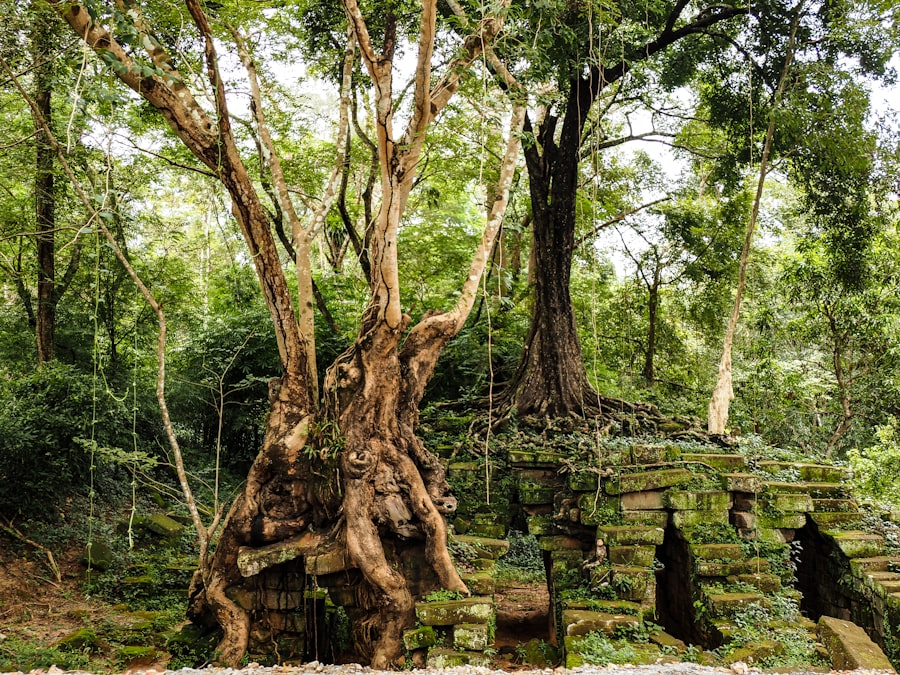
“Unearthing Forgotten Civilizations” does not shy away from the complexities and ethical considerations inherent in archaeological fieldwork and historical interpretation. The film acknowledges that knowledge is often incomplete and subject to revision.
The Ethics of Excavation
The documentary presents the ongoing ethical debates surrounding archaeological digs. Issues such as the preservation of cultural heritage, the repatriation of artifacts, and the involvement of local communities are addressed, prompting viewers to consider the responsibility that comes with unearthing the past.
Looting and the Illicit Antiquities Trade
A somber but important segment discusses the pervasive problem of looting and the illegal trade in antiquities. The film highlights how this illicit activity not only robs us of invaluable historical knowledge but also destroys context and the potential for responsible scientific study.
Collaboration with Descendant Communities
The documentary emphasizes the growing importance of collaboration with descendant communities or indigenous groups who have ancestral ties to the sites being studied. This approach moves away from a colonial model of extraction and towards a partnership that respects local perspectives and knowledge.
The Subjectivity of Interpretation
The film candidly discusses how archaeological interpretations are often subjective and can evolve as new evidence emerges or as theoretical frameworks change. This acknowledges that history is not a settled entity but a dynamic field of study.
The “Myth” of the Lost Civilization
“Unearthing Forgotten Civilizations” critically examines the popular romanticism surrounding “lost civilizations.” The documentary argues that these societies were not necessarily “lost” due to some sudden cataclysm, but rather faded, transformed, or were absorbed into larger cultural currents. The term “forgotten” is often more accurate, reflecting the loss of memory rather than complete annihilation.
Reinterpreting Artifacts and Evidence
The film showcases instances where previously held interpretations of artifacts have been revised in light of new discoveries or advancements in analytical techniques. This demonstrates the scientific rigor and intellectual humility that underpins genuine archaeological inquiry.
In exploring the mysteries of forgotten civilizations, one can find intriguing parallels in the rise and fall of societies throughout history. A fascinating article that delves into the implications of technological advancements and their potential impact on societal stability can be found here. This piece highlights how the evolution of artificial intelligence may echo the patterns observed in ancient cultures, shedding light on the lessons we can learn from the past. For those interested in understanding the broader context of civilization’s trajectory, the article offers valuable insights into the challenges we face today. You can read more about this thought-provoking topic in the article on societal collapse.
The Enduring Legacy: Lessons for the Present
| Civilization | Location | Time Period | Contributions |
|---|---|---|---|
| Egyptian | Egypt | 3100 BC – 332 BC | Pyramids, hieroglyphics, mummification |
| Mesopotamian | Mesopotamia (Iraq, Kuwait, Syria, Turkey) | 3500 BC – 500 BC | Cuneiform writing, wheel, irrigation systems |
| Indus Valley | India, Pakistan | 3300 BC – 1300 BC | Urban planning, sewage systems, advanced metallurgy |
| Minoan | Crete | 2700 BC – 1450 BC | Palaces, vibrant frescoes, advanced trade network |
The documentary concludes not with an ending, but with a profound sense of continuity. “Unearthing Forgotten Civilizations” argues that understanding these ancient societies offers invaluable lessons and perspectives for navigating the challenges of our own time.
Parallels Between Ancient and Modern Challenges
The film draws striking parallels between the struggles and triumphs of ancient civilizations and those faced by humanity today. Issues such as resource management, environmental sustainability, social inequality, and the impact of technological advancement are shown to have ancient roots.
The Importance of Resilience and Adaptation
The documentary highlights the remarkable resilience and adaptability of past societies in the face of adversity. Their ability to innovate, reorganize, and find solutions to complex problems serves as an inspiration and a source of practical wisdom.
Understanding Our Place in the Human Story
Ultimately, “Unearthing Forgotten Civilizations” is an exploration of our shared human heritage. By digging into the past, the documentary encourages viewers to reflect on their own origins, to appreciate the vast and intricate tapestry of human experience, and to recognize that we are all part of a continuum, shaped by those who came before us and shaping the world for those who will follow. The film leaves a lasting impression, a deep sense of wonder, and a renewed appreciation for the enduring quest to understand who we are by understanding where we came from.

How an Entire Civilization Collapsed
FAQs
What is the Forgotten Civilizations Documentary about?
The Forgotten Civilizations Documentary explores ancient civilizations that have been largely overlooked or forgotten in mainstream historical narratives. It delves into the history, culture, and achievements of these civilizations, shedding light on their significance and impact on the world.
Which civilizations are featured in the documentary?
The documentary features a diverse range of civilizations from different parts of the world, including the Indus Valley Civilization, the Mesoamerican civilizations such as the Olmec and Zapotec, the ancient civilizations of Africa such as the Nubians and the Kingdom of Kush, and many others.
What makes these civilizations “forgotten”?
These civilizations are considered “forgotten” because they are often overshadowed by more well-known ancient civilizations such as the Egyptians, Greeks, and Romans. Their contributions to human history and culture have been overlooked or downplayed in traditional historical narratives.
Who is the target audience for the Forgotten Civilizations Documentary?
The documentary is aimed at anyone with an interest in history, archaeology, and ancient civilizations. It is also suitable for educators, students, and anyone who wants to gain a deeper understanding of the rich tapestry of human history.
Where can I watch the Forgotten Civilizations Documentary?
The documentary may be available for streaming on various platforms such as streaming services, educational websites, or through purchase as a DVD or digital download. Check with your local libraries, educational institutions, or online retailers for availability.