
The thundering hooves of chariots, the gleam of bronze on the battlefield, the intricate goldwork adorning regal tombs – these are the echoes of Mycenaean Greece, a civilization that rose from humble beginnings to dominate the Aegean world only to vanish mysteriously. For centuries, their legacy was confined to the dust and whispers of archaeology, their stories obscured by the passage of time. Today, thanks to the diligent work of scholars and explorers, the epic saga of the Mycenaeans, from their ascendance to their eventual demise, can be pieced together, offering a glimpse into a truly remarkable, yet ultimately fragile, Bronze Age power.
The Late Bronze Age (roughly 1600-1100 BCE) witnessed the emergence of what we now call the Mycenaean civilization. Their name derives from the archaeological site of Mycenae, one of their most prominent centers, unearthed by the pioneering archaeologist Heinrich Schliemann in the late 19th century. However, the Mycenaean sphere of influence was far broader, encompassing major centers like Tiryns, Pylos, Thebes, and Athens, among others, scattered across mainland Greece and extending to the islands of Crete and the Cyclades. This civilization did not spring forth fully formed; rather, it evolved from earlier Minoan-influenced cultures on mainland Greece.
The Minoan Shadow and Mycenaean Adaptation
The preceding Minoan civilization, centered on Crete, had reached a remarkable level of sophistication. Their palaces, like Knossos, were centers of administration, religion, and economic activity, decorated with vibrant frescoes and boasting advanced plumbing systems. The early Mycenaeans, initially less developed, were undoubtedly influenced by Minoan culture. They adopted aspects of Minoan art, architectural styles, and even their writing system, Linear A. However, the Mycenaeans were not mere imitators. They adapted these influences to their own cultural context, imbuing them with a distinctly militaristic ethos.
The Rise of Elite Tombs and Grave Goods
One of the most striking indicators of the Mycenaean rise to power is the emergence of exceptionally rich burial sites. The Shaft Graves, discovered at Mycenae, yielded a breathtaking array of gold artifacts, including death masks, intricate jewelry, and elaborate weaponry. The “Mask of Agamemnon,” though misattributed by Schliemann, is a testament to the immense wealth and artistry of the Mycenaean elite. These burials, dating from around the 16th century BCE, mark a significant shift, signaling the consolidation of power by a warrior aristocracy capable of amassing and displaying considerable treasure.
The Development of Fortified Centers
Unlike the relatively unfortified Minoan palaces, Mycenaean centers were characterized by their formidable fortifications. Massive stone walls, often constructed using cyclopean masonry – huge, irregular blocks of stone fitted together without mortar – encircled their citadels. Gates, such as the iconic Lion Gate at Mycenae, were strategically placed and heavily defended. This emphasis on defense suggests a society facing external threats and internal competition. It also speaks to a centralized power capable of mobilizing significant labor and resources for monumental construction projects.
The history of Mycenaean Greece is a fascinating subject that delves into the complexities of ancient civilizations and their contributions to culture and society. For those interested in exploring related topics, you might find this article on the economic aspects of manufacturing wages in different regions insightful, as it draws parallels between ancient trade practices and modern economic systems. You can read more about it here: Comparing Manufacturing Wages: Mexico vs. China.
The Citadel and the Palace Hub
The focal point of Mycenaean society was the citadel, a fortified hilltop complex that served as the administrative, religious, and economic heart of the region. Within these imposing walls, the palace complex dominated the landscape, a testament to the power and wealth of the ruling elite. These palaces were not merely residences; they were the engines of Mycenaean civilization.
The Megaron: The Heart of Power
The most distinctive architectural feature of the Mycenaean palace was the megaron. This consisted of a large hall with a central hearth, an anteroom, and a porch with columns. It was here that the wanax, the Mycenaean king, held court, received visitors, and conducted official business. The megaron was a symbol of authority and a sacred space, often adorned with frescoes depicting scenes of warfare, hunting, and religious rituals. The smoky hearth in the center of the megaron symbolized the lifeblood of the palace and the community.
Administration and Economy
The Mycenaean palaces were sophisticated administrative centers. The discovery of thousands of clay tablets inscribed with Linear B, a syllabic script derived from Minoan Linear A, has revolutionized our understanding of Mycenaean society. These tablets, essentially administrative records, provide invaluable insights into the palace economy. They detail inventories of goods, agricultural produce, livestock, textiles, and the distribution of rations to various personnel. This suggests a highly organized, centralized economy, with the palace acting as a redistribution center.
Craft Specialization and Luxury Goods
The administration recorded by Linear B also highlights the existence of significant craft specialization. Skilled artisans within the palace precincts, or controlled by the palace, produced a wide range of luxury goods. Goldsmiths crafted exquisite jewelry, bronze workers forged weapons and armor, and potters produced finely decorated ceramics. These expertly crafted items were not only for use by the elite but also served as symbols of status and were likely used in trade and diplomatic exchange.
Religious Practices and Sanctuaries
While the exact nature of Mycenaean religion remains somewhat elusive, archaeological evidence points to the worship of a pantheon of gods, some of whom would later become prominent in the Greek pantheon, such as Zeus and Hera. Small shrines and sanctuaries were present within the palaces, and evidence suggests that religious rituals played an important role in Mycenaean life. Linear B tablets also mention offerings and religious personnel, underscoring the integration of religion into the palatial system.
The Reach of Mycenaean Influence
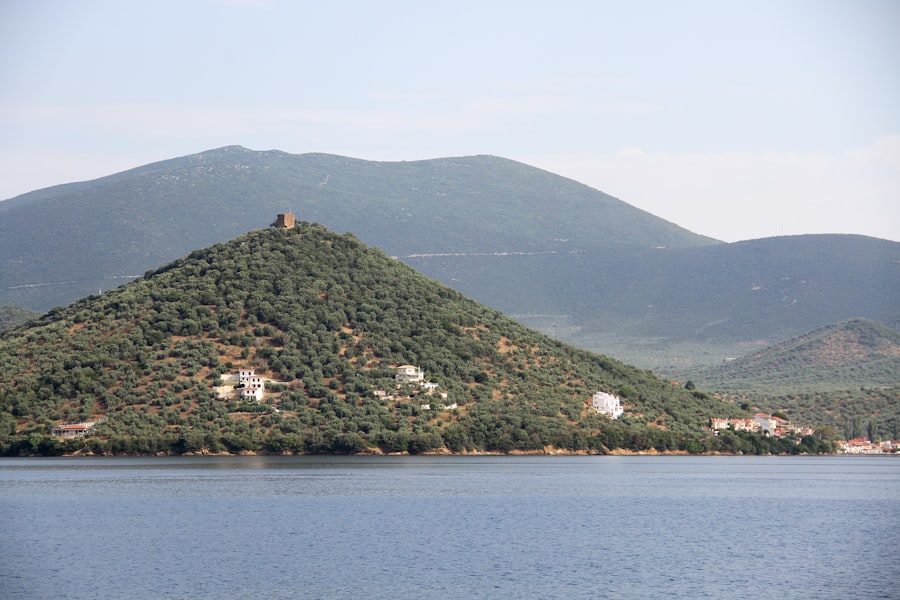
The Mycenaeans were not confined to their mainland strongholds. Their influence extended across the Aegean, impacting, and in some cases, subjugating, other cultures. They were a maritime power, navigating the seas with their advanced shipbuilding capabilities.
Trade Networks and Maritime Dominance
The discovery of Mycenaean pottery and artifacts in distant lands, from Egypt and the Levant to Italy and Sicily, attests to their extensive trade networks. They traded their own manufactured goods, such as bronze tools, weapons, and fine ceramics, for raw materials like tin (essential for bronze production), copper, and precious metals. Their skill at sea allowed them to dominate trade routes, ensuring a steady flow of resources and wealth into their kingdoms.
Colonization and Cultural Diffusion
The Mycenaeans were not just traders; they were also colonizers. They established settlements in strategic locations throughout the Aegean, consolidating their influence and expanding their cultural reach. These colonies served as trading posts, military outposts, and sources of essential resources. The spread of Mycenaean pottery, architectural styles, and even burial customs in these areas demonstrates a significant degree of cultural diffusion. It is believed that they played a role in the eventual decline and absorption of the Minoan civilization on Crete.
The Trojan War: Myth and Reality
The epic poems of Homer, the Iliad and the Odyssey, recount the legendary Trojan War, where a coalition of Achaean (a term Homer uses for Greeks) heroes lay siege to the city of Troy. While the historicity of the Trojan War is debated, many scholars believe that Homer’s epics were inspired by real events and the collective memory of the Mycenaean era. The archaeological discoveries at Troy, showing evidence of warfare and destruction during the Late Bronze Age, lend credence to this theory. The wealth and power depicted in the Homeric epics resonate with the archaeological findings of Mycenaean palaces and their riches.
The Palaces as Centers of Power and Control
The palace was the undisputed center of power, controlling not only its immediate hinterland but also influencing distant settlements and trade routes through its military might and economic organization. The army, comprised of chariotry and infantry, was crucial for maintaining order, defending territories, and projecting power. The intricate administration, as revealed by Linear B, allowed for the efficient mobilization of resources and personnel, further solidifying the palace’s control.
The Seeds of Decline: Internal Pressures
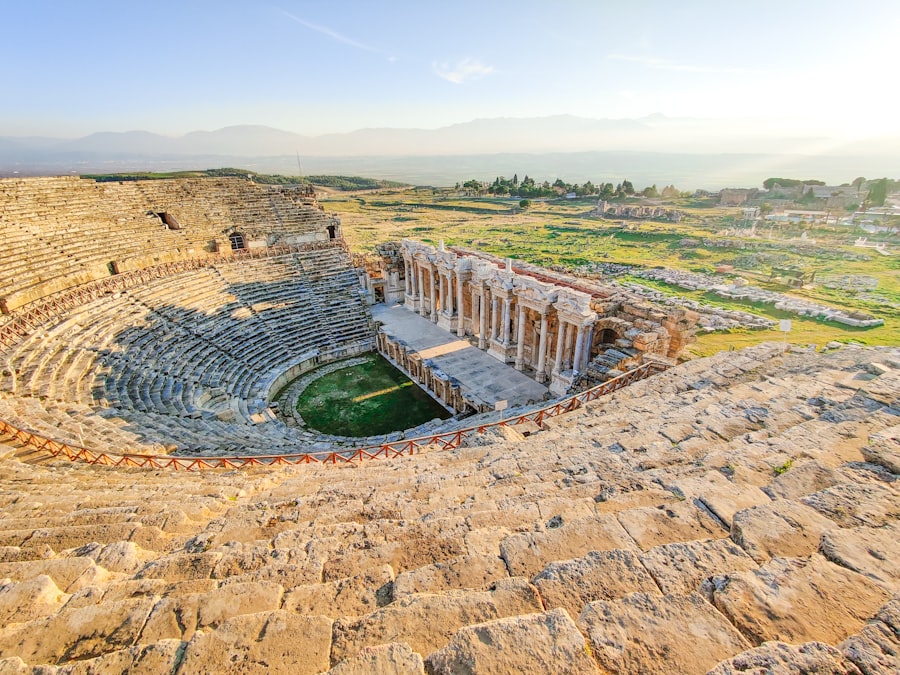
Despite their impressive achievements, the seeds of Mycenaean decline were sown within their own complex societal structure. A number of factors, both internal and external, contributed to their eventual unraveling.
Over-Reliance on Centralized Authority
The highly centralized nature of Mycenaean civilization, with its heavy reliance on the palace, proved to be a potential vulnerability. When the palace system began to falter, the entire structure of society was at risk. The elaborate bureaucracy, while efficient in times of prosperity, could become rigid and slow to adapt to changing circumstances.
Social Stratification and Potential Unrest
While the Mycenaean era was characterized by a warrior aristocracy, it is likely that beneath this elite, there existed a large population of farmers, laborers, and other workers who sustained the palatial economy. While evidence for widespread social unrest is sparse in the archaeological record, it is plausible that underlying social tensions or resentments could have played a role in the eventual collapse of the system, particularly during times of hardship.
Disease and Environmental Factors
As with many ancient civilizations, the impact of disease and environmental factors cannot be overlooked. Plagues could have decimated populations, weakening productive capacity and social cohesion. Changes in climate, leading to crop failures and famine, could have further exacerbated existing stresses within the system. While direct evidence for such events during the Mycenaean collapse is limited, they remain plausible contributing factors.
Warfare and Internal Conflict
The militaristic nature of Mycenaean society also suggests a propensity for warfare, not just against external enemies but potentially between competing palace centers. While the unified front presented in the Homeric epics might be a later idealization, competition for resources, territory, or prestige between different Mycenaean kingdoms could have weakened the overall civilization. Evidence of destruction levels at some Mycenaean sites suggests localized conflicts and betrayals.
The history of Mycenaean Greece is a fascinating subject that reveals much about the early civilizations of Europe. For those interested in exploring how ancient societies laid the groundwork for modern economies, a related article discusses the evolution of trade in different contexts, which can be found here. Understanding the trade networks of Mycenaean Greece can provide valuable insights into the complexities of cultural exchange and economic development that resonate even today.
The Cataclysm and the Dark Age
| Time Period | Events |
|---|---|
| 1600-1100 BCE | Mycenaean civilization flourishes in Greece |
| 1400 BCE | Mycenae becomes a major center of power |
| 1250 BCE | Mycenaean Greece engages in the Trojan War |
| 1200 BCE | Decline of Mycenaean civilization |
| 1100 BCE | Mycenaean Greece collapses |
Around the turn of the 12th century BCE, a series of devastating events swept across the Eastern Mediterranean, leading to the widespread collapse of Bronze Age civilizations, including Mycenaean Greece. The reasons for this cataclysm are debated, but a combination of factors likely brought about the end of this once-mighty culture.
The Arrival of the “Sea Peoples”
One of the most prominent theories for the Mycenaean collapse involves the migrations and invasions of groups known as the “Sea Peoples.” These enigmatic groups, whose origins are debated, are documented in Egyptian records as having attacked Egypt and other parts of the Eastern Mediterranean during this period. They are believed to have disrupted trade routes, sacked cities, and contributed to the general instability that plagued the region. While direct evidence of widespread Sea Peoples invasion in mainland Greece is not definitive, their impact on neighboring civilizations likely had ripple effects.
System Collapse and Socio-Economic Disruption
Whatever the immediate trigger, the Mycenaean world experienced a profound system collapse. Palaces were destroyed and abandoned, major settlements were depopulated, and the intricate administrative and economic network that had supported them disintegrated. Trade routes were severed, leading to a scarcity of essential resources like tin. The sophisticated writing system of Linear B gradually fell out of use.
The Onset of the Greek Dark Ages
The collapse of the Mycenaean civilization ushered in what is known as the Greek Dark Ages, a period characterized by a significant decline in population, material culture, and organized societal structures. Literacy disappeared, monumental architecture ceased, and the sophisticated craftsmanship of the Mycenaean era was lost. For several centuries, Greece entered a period of relative isolation and hardship.
The Legacy Endures
Despite the dramatic demise of their civilization, the Mycenaeans left an indelible mark on the future of Greece. Their rich mythology, their heroic sagas, and the foundations of their language and religion would be carried forward, albeit in a simplified and altered form, into the subsequent Archaic and Classical periods. The archaeological remnants of their once-great citadels and the treasures unearthed from their tombs serve as enduring testaments to their power, ingenuity, and the dramatic rise and fall of this pivotal Bronze Age civilization. The study of Mycenaean Greece continues to offer valuable insights into the complexities of ancient societies and the cyclical nature of civilization.

How an Entire Civilization Collapsed
FAQs
What is Mycenaean Greece?
Mycenaean Greece was a civilization that existed in the late Bronze Age, from around 1600 to 1100 BCE. It was located in the southern part of the Greek peninsula and is known for its impressive palaces, advanced architecture, and extensive trade networks.
What were the major achievements of Mycenaean Greece?
Mycenaean Greece is known for its impressive fortifications, such as the famous Lion Gate at Mycenae, as well as its advanced pottery and metalworking techniques. The civilization also had a writing system known as Linear B, which has provided valuable insights into their society and economy.
What caused the decline of Mycenaean Greece?
The decline of Mycenaean Greece is believed to have been caused by a combination of factors, including internal unrest, invasions by the Sea Peoples, and natural disasters such as earthquakes and famines. These factors led to the collapse of the palace-based society and the eventual transition to the Greek Dark Ages.
What is the significance of Mycenaean Greece in history?
Mycenaean Greece is significant for its influence on later Greek civilization, particularly in terms of art, architecture, and mythology. The Mycenaean period also laid the foundations for the development of the Greek city-states and the eventual rise of classical Greek culture.
What are some famous archaeological sites from Mycenaean Greece?
Some of the most famous archaeological sites from Mycenaean Greece include Mycenae, Tiryns, Pylos, and Thebes. These sites have provided valuable evidence of the Mycenaean civilization, including palaces, tombs, and artifacts that shed light on their culture and society.