
The allure of lost civilizations captivates the human imagination, whispering tales of grand empires and sophisticated societies that have vanished from the face of the Earth. These echoes of the past beckon explorers, archaeologists, and historians alike to embark on a journey through the ancient world, seeking to unravel the mysteries of their rise and dramatic decline. “The Lost Civilizations: A Journey Through the Ancient World” is a testament to this enduring curiosity, inviting readers to traverse time and space, to witness firsthand the ingenuity and ephemeral nature of human endeavor.
The discovery of lost civilizations is rarely a sudden revelation; it is a meticulous process, often spanning decades or even centuries, driven by intellectual curiosity, fortunate accidents, and unwavering dedication. The initial hints of a forgotten society might emerge from ancient texts, oral traditions, or even seemingly insignificant archaeological finds. These fragments then ignite a spark, compelling researchers to investigate further, employing a sophisticated blend of scientific techniques and time-honored methodologies.
The Role of Archaeology in Reconstruction
Archaeology serves as the bedrock of our understanding of lost civilizations. Excavation sites, painstakingly unearthed, reveal the material culture of these past societies: pottery shards, tools, weapons, architectural remains, and human artifacts. Each object, no matter how humble, is a piece of a grand puzzle. Tools speak of their craftsmanship and daily life, pottery offers insights into their artistic sensibilities and trade networks, and architectural ruins reveal their social structures, religious beliefs, and engineering prowess. The careful excavation, cataloging, and analysis of these artifacts allow archaeologists to reconstruct narratives, painting a vivid picture of how these people lived, loved, worshipped, and interacted with their environment.
Deciphering Ancient Scripts and Languages
Beyond the tangible, the decipherment of ancient scripts and languages unlocks the intellectual and spiritual realms of lost civilizations. Hieroglyphs, cuneiform tablets, and undeciphered alphabets hold the key to their philosophies, laws, literature, and historical accounts. The monumental task of cracking these linguistic codes, akin to solving an intricate cipher, has often been the work of brilliant minds, piecing together phonetic values, grammatical structures, and semantic meanings. The Rosetta Stone, with its trilingual inscription, stands as a prime example of a breakthrough that allowed for the translation of Egyptian hieroglyphs, opening a window into a civilization that had been largely silent for millennia. The ongoing efforts to decipher scripts like Linear A or the Indus script continue to promise further revelations about societies that still hold many of their secrets.
Geoarchaeology and Environmental Reconstruction
Understanding the environment in which a civilization flourished and ultimately declined is as crucial as understanding its people. Geoarchaeology, the study of the earth sciences in relation to archaeological research, plays a vital role in this endeavor. By analyzing soil samples, sediment layers, and geological formations, researchers can reconstruct past climates, landscapes, and the availability of resources. Evidence of ancient irrigation systems, agricultural practices, and even the signs of environmental degradation or natural disasters can be uncovered through these methods. This information is vital for comprehending the factors that may have contributed to a civilization’s success or its eventual vulnerability.
Modern Technologies: LiDAR, GIS, and Remote Sensing
In the modern era, technology has revolutionized the process of discovery. Light Detection and Ranging (LiDAR) technology, for instance, can penetrate dense forest canopies, revealing hidden structures and earthworks that would otherwise remain invisible. Geographic Information Systems (GIS) allow for the overlay and analysis of diverse datasets, revealing spatial patterns and relationships between archaeological sites and their environment. Remote sensing, using satellite imagery and aerial photography, can identify large-scale features and subtle anomalies indicative of past human activity. These advancements have dramatically accelerated the pace of discovery and have allowed for the re-examination of known sites with unprecedented detail.
In the fascinating realm of ancient civilizations, the exploration of maritime routes has always intrigued historians and archaeologists alike. A related article that delves into the mysteries of ancient navigation and cartography is available at Exploring Antarctica: Ancient Mariners and Maps. This piece highlights how ancient mariners may have charted their journeys across uncharted waters, shedding light on the sophisticated knowledge and skills possessed by these early explorers.
The Cradle of Civilization: Mesopotamia and Beyond
Nestled between the Tigris and Euphrates rivers, Mesopotamia, often hailed as the “cradle of civilization,” witnessed the birth of some of humankind’s earliest complex societies. From the Sumerians to the Babylonians and Assyrians, this fertile crescent was a crucible of innovation, laying the groundwork for many aspects of modern life.
The Sumerians: Pioneers of Urbanism and Writing
The Sumerians, emerging around the 4th millennium BCE, are credited with some of humanity’s most significant inventions. They developed some of the earliest forms of writing, cuneiform script inscribed on clay tablets, which allowed for the record-keeping of trade, laws, and literature. Their city-states, such as Uruk and Ur, were among the first true urban centers, characterized by organized governance, monumental architecture like ziggurats, and intricate social hierarchies. The Sumerians’ advancements in mathematics, astronomy, and irrigation laid the foundation for subsequent Mesopotamian civilizations.
The Babylonians: Law, Astronomy, and Empire
The Babylonian Empire, under rulers like Hammurabi, rose to prominence, leaving an indelible mark on history. Hammurabi’s Code, one of the earliest comprehensive legal codes, established principles of justice and social order that influenced legal systems for centuries. The Babylonians were also keen astronomers, meticulously observing the stars and planets, developing sophisticated calendars, and making astronomical predictions. Their empire, a hub of trade and culture, represented a significant leap forward in political organization and intellectual pursuit.
The Assyrians: Military Might and Imperial Administration
The Assyrian Empire, known for its formidable military machine and efficient imperial administration, expanded its dominion across the Near East. Their cities, such as Nineveh, boasted magnificent palaces adorned with intricate reliefs depicting scenes of warfare, hunting, and daily life. While often perceived through the lens of their military prowess, the Assyrians were also patrons of learning, establishing vast libraries that preserved considerable amounts of Mesopotamian knowledge. Their ability to manage a vast and diverse empire showcased a sophisticated understanding of logistics and governance.
The Elamites: A Counterpoint in the Ancient East
While Mesopotamia often dominates narratives of early civilization, the Elamite civilization, located to the east in modern-day Iran, presented a compelling counterpoint. Flourishing for millennia, Elam developed its own distinct script and culture, often interacting with, and sometimes challenging, its Mesopotamian neighbors. Their urban centers, like Susa, were centers of trade and artistic production. The Elamites’ independent cultural trajectory offers valuable insights into the diverse tapestry of ancient Near Eastern societies, demonstrating that civilization was not confined to a single river valley.
The Enigmatic Empires of the Indus Valley

Shrouded in mystery and still only partially understood, the Indus Valley Civilization, also known as the Harappan Civilization, stands as one of the world’s earliest urban cultures. Flourishing between 2600 and 1900 BCE, its sophisticated cities, advanced sanitation systems, and standardized weights and measures point to a highly organized and advanced society that vanished, leaving behind tantalizing questions.
Mohenjo-daro and Harappa: Cities of Remarkable Design
The twin metropolises of Mohenjo-daro and Harappa are testament to the Harappans’ remarkable urban planning. Streets were laid out in a grid pattern, buildings were constructed with standardized baked bricks, and sophisticated drainage systems with covered sewers were integrated into the urban fabric. The Great Bath at Mohenjo-daro, a remarkably engineered public bathing complex, suggests a society that valued hygiene and perhaps ritual purification. The sheer scale and uniformity of these cities point to a centralized authority and meticulous organization.
The Undeciphered Script: A Lingering Enigma
Perhaps the most significant challenge in understanding the Indus Valley Civilization lies in its undeciphered script, found on thousands of small seals and pottery fragments. This script, unlike the cuneiform or hieroglyphs of other ancient civilizations, remains a stubborn linguistic puzzle. Until its secrets are unlocked, our comprehension of their language, literature, and potentially their political and religious beliefs will remain incomplete. Speculation abounds about its nature, with varying theories suggesting it may be related to proto-Dravidian languages or possess a unique lineage.
Standardized Trade and Craftsmanship
The evidence of a highly standardized system of weights and measures across a vast geographical area suggests a well-developed system of trade and economic administration. The discovery of seals bearing intricate carved designs, often depicting animals and mythical creatures, points to a sophisticated level of craftsmanship and a potential system of personal identification or ownership. Their mastery of metallurgy, evident in bronze tools and ornaments, further underscores their technological capabilities.
The Decline and Disappearance: Unanswered Questions
The reasons for the decline and eventual disappearance of the Indus Valley Civilization remain a subject of intense debate. Theories range from widespread environmental changes, such as shifts in river courses or prolonged droughts, to seismic activity, invasions, or even epidemic diseases. The lack of definitive evidence for any single cause leaves this chapter of human history shrouded in uncertainty, a poignant reminder of the fragility of even the most advanced ancient societies.
The Sun-Kissed Kingdoms of Ancient Egypt
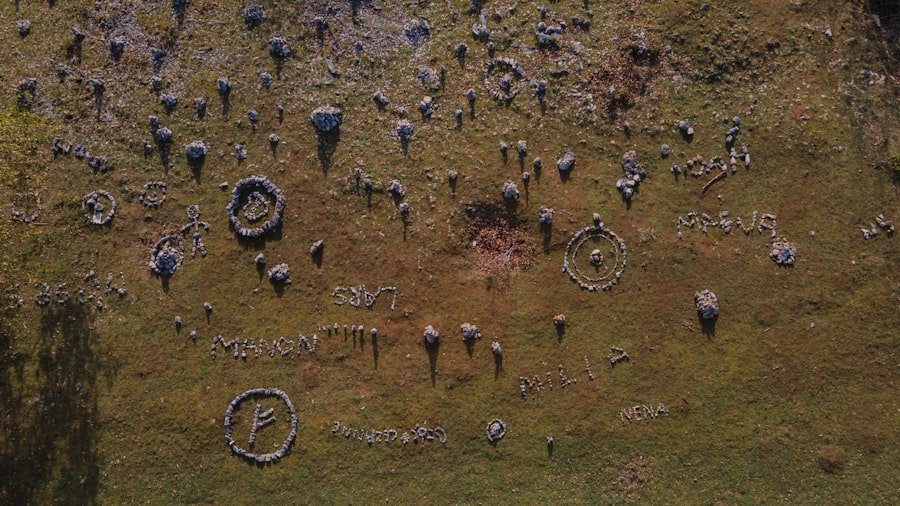
The enduring mystique of ancient Egypt, with its monumental pyramids, inscrutable hieroglyphs, and the captivating tales of pharaohs and gods, continues to fascinate. For millennia, this civilization thrived along the life-giving Nile River, leaving behind a legacy of art, architecture, religion, and scientific achievement.
The Pyramids: Monuments to Eternity and Royal Power
The iconic pyramids of Giza stand as enduring symbols of ancient Egypt’s engineering prowess and the power of the pharaohs. These massive structures, built as tombs for rulers, represent an astonishing feat of organization, labor, and architectural ingenuity. The intricate construction techniques, the vast quantities of stone transported and quarried, and the sheer scale of these monuments continue to inspire awe and fuel ongoing research into their construction methods. Beyond their function as burial sites, they also served as potent symbols of the pharaoh’s divine authority and his connection to the afterlife.
Hieroglyphs and the Sacred Texts: Unlocking Beliefs
The intricate system of hieroglyphic writing, a complex blend of pictograms, ideograms, and phonograms, served as the primary means of recording religious texts, monumental inscriptions, and administrative documents. The decipherment of hieroglyphs, notably through the work of Jean-François Champollion and the Rosetta Stone, unlocked a wealth of knowledge about Egyptian religion, mythology, history, and daily life. The Book of the Dead, for instance, offers profound insights into their beliefs about the afterlife and the journey of the soul.
Religion and Mythology: The Pantheon of Gods
Ancient Egyptian religion was polytheistic, with a vast pantheon of gods and goddesses who governed every aspect of existence. From the sun god Ra to Osiris, god of the afterlife, and Isis, goddess of magic and motherhood, these deities played a central role in the lives of Egyptians. Their intricate mythology explained the creation of the world, the cycles of nature, and the relationship between the divine and the mortal realms. The emphasis on mummification and elaborate burial rituals underscored their profound belief in an afterlife and the importance of preserving the body for the soul’s eternal journey.
The Pharaohs: Divine Rulers and Unifiers
The pharaohs of Egypt were not merely kings; they were considered divine rulers, intermediaries between humanity and the gods. Their absolute authority shaped the political, social, and religious landscape of Egypt for millennia. Dynasties rose and fell, but the concept of the pharaoh as the linchpin of Egyptian society remained constant. Their reigns were often marked by monumental building projects, military campaigns, and periods of great prosperity or turmoil, all meticulously recorded in the annals of Egyptian history.
The study of ancient civilizations often leads to fascinating discoveries that challenge our understanding of history. One such intriguing find is the 1513 map that reveals an ice-free Antarctica, which has sparked debates among historians and archaeologists alike. For those interested in exploring this topic further, the article on the subject provides a comprehensive look at the implications of this map and its connection to ancient world knowledge. You can read more about it in this insightful piece here.
The Echoes of Empires: Rome and Greece
| Documentary Title | Release Year | Duration (minutes) | Rating |
|---|---|---|---|
| Ancient Egypt: Life and Death in the Valley of the Kings | 2013 | 120 | 4.5 |
| Ancient Rome: The Rise and Fall of an Empire | 2006 | 360 | 4.2 |
| The Greeks: Crucible of Civilization | 2000 | 180 | 4.7 |
While often not considered “lost” in the same vein as some other ancient civilizations, the immense influence and subsequent decline of the Roman and Greek empires have left an indelible mark on Western civilization. Their advancements in governance, philosophy, art, and architecture continue to resonate today, and studying their rise and fall offers crucial lessons.
The Roman Empire: Engineering, Law, and Governance
The Roman Empire, a colossus of the ancient world, left an unparalleled legacy in engineering, law, and governance. Their sophisticated road networks, aqueducts, public baths, and amphitheatres stand as testaments to their engineering genius. Roman law, with its emphasis on justice and codified principles, formed the basis of many modern legal systems. Their republic and later empire established complex administrative structures that governed a vast and diverse territory, showcasing an extraordinary capacity for organization and expansion.
The Greek City-States: Democracy, Philosophy, and Art
The ancient Greeks, though often fragmented into independent city-states, laid the foundations for much of Western thought. Athens, in particular, is renowned for its development of democracy, a radical experiment in self-governance that continues to inspire political thought. Greek philosophers like Socrates, Plato, and Aristotle pondered fundamental questions about ethics, metaphysics, and the nature of reality, shaping intellectual discourse for centuries. Their artistic achievements in sculpture, architecture, and drama remain influential, characterized by an emphasis on balance, proportion, and humanism.
The Fall of Empires: Lessons in Decline
The decline of both the Roman and Greek empires offers critical case studies in societal collapse. Internal strife, economic instability, overexpansion, and external pressures all played a role. The vastness of the Roman Empire made it increasingly difficult to administer and defend, while internal corruption and the erosion of traditional values also contributed to its weakening. The Greek city-states, often locked in conflict with each other, lacked the unity to present a formidable united front against external threats. Studying these falls provides invaluable insights into the vulnerabilities of large-scale societies and the factors that can lead to their eventual fragmentation or absorption.
The Legacy of Lost Worlds
The journey through these lost civilizations is not merely an exercise in historical curiosity; it is a profound exploration of the human condition. The rise and fall of these magnificent societies teach us about our own potential for innovation and creation, as well as our susceptibility to the forces of change and decay.
Enduring Influence on Modern Society
The echoes of these ancient worlds are deeply embedded in our modern lives. Our legal systems, democratic principles, philosophical inquiries, artistic styles, and even our languages bear the undeniable imprint of these pioneering civilizations. The advancements in mathematics, astronomy, and urban planning made by our ancestors continue to inform and shape our world, demonstrating a continuous thread of human ingenuity that stretches back through millennia.
The Fragility of Civilization and the Importance of Preservation
The ephemeral nature of even the most advanced ancient societies serves as a stark reminder of the fragility of civilization. Environmental shifts, societal upheaval, or sheer historical chance can lead to the decline and disappearance of even the most powerful empires. This realization underscores the critical importance of preserving our cultural heritage, understanding our history, and learning from the mistakes and triumphs of those who came before us.
A Continuous Quest for Knowledge
The study of lost civilizations is an ongoing quest. New discoveries are made, new interpretations emerge, and the more we learn, the more questions we uncover. The allure of the unknown, the desire to piece together the fragmented narratives of the past, and the profound understanding of humanity’s journey that these investigations provide ensure that the fascination with lost civilizations will continue for generations to come. The ancient world, though silent in many respects, continues to speak volumes, offering invaluable lessons and inspiring us to look both backward and forward with a deeper appreciation for the cyclical nature of human endeavor.

How an Entire Civilization Collapsed
FAQs
What is an ancient world documentary?
An ancient world documentary is a film or video production that explores and educates viewers about the history, culture, and civilizations of ancient societies, such as the Egyptians, Greeks, Romans, and Mesopotamians.
What are the common themes in ancient world documentaries?
Common themes in ancient world documentaries include architecture, art, religion, daily life, warfare, trade, and the achievements and advancements of ancient civilizations.
How are ancient world documentaries researched and produced?
Ancient world documentaries are researched and produced through a combination of historical research, archaeological findings, expert interviews, and reenactments. Scholars and experts in the field of ancient history are often consulted to ensure accuracy and authenticity.
Where can one watch ancient world documentaries?
Ancient world documentaries can be found on streaming platforms such as Netflix, Amazon Prime, and Hulu, as well as on educational channels like National Geographic, History Channel, and PBS. They may also be available for purchase or rental on DVD or Blu-ray.
What are the benefits of watching ancient world documentaries?
Watching ancient world documentaries can provide viewers with a deeper understanding of the origins of human civilization, the development of societies, and the impact of ancient cultures on the modern world. It can also inspire curiosity and a passion for history and archaeology.