The sands of time in Egypt, while preserving a civilization of unparalleled longevity, also hold secrets that continue to baffle archaeologists and historians. Among the most enduring enigmas are the perplexing inscriptions detailing the arrival of a mysterious confederation of peoples collectively known as the Sea Peoples. These cryptic pronouncements, etched in stone and papyrus, offer tantalizing glimpses of a cataclysmic era in the Late Bronze Age Eastern Mediterranean, yet they also raise more questions than they answer about the identity, origins, and ultimate fate of these enigmatic invaders.
The primary source for our understanding of the Sea Peoples comes from Egyptian inscriptions, primarily from the New Kingdom period, a time of imperial strength and vast artistic and architectural output. These records, intended to glorify pharaonic victories and demonstrate their martial prowess, inadvertently preserved the only contemporary accounts of these formidable adversaries. Without these writings, the Sea Peoples would remain an almost spectral presence, their impact felt but their names unknown.
The Medinet Habu Reliefs: A Monument to Victory and Devastation
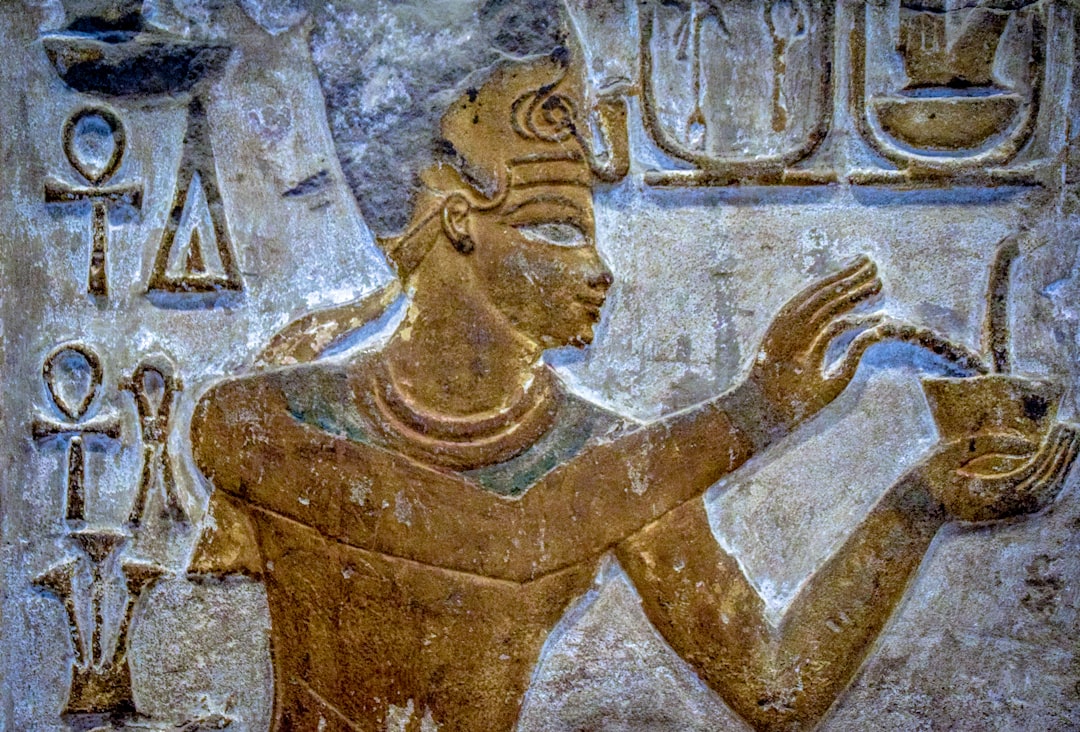
Perhaps the most visually arresting and informative set of inscriptions can be found on the massive temple complex of Ramesses III at Medinet Habu, near Luxor. These reliefs, a visual narrative of war and conquest, depict the pharaoh leading his armies against a composite enemy. The accompanying hieroglyphic texts are explicit, identifying “the nine bows,” a common Egyptian term for foreign enemies, as coming from the sea. They describe harrowing naval battles and land engagements, detailing the ferocity and overwhelming numbers of these invaders.
Deciphering the Hieroglyphs: A Glimpse into Egyptian Propaganda
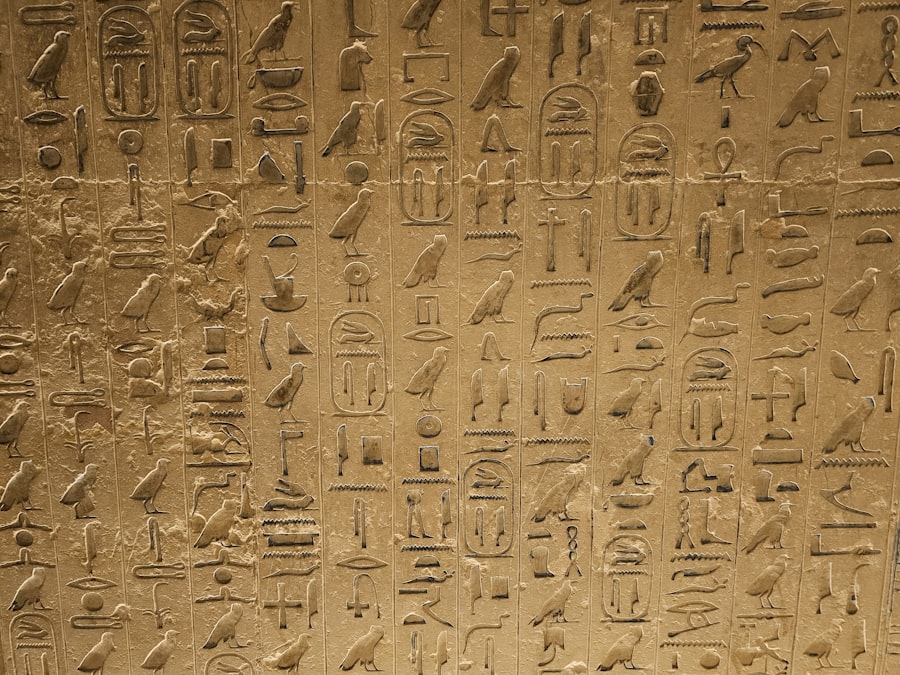
The inscriptions at Medinet Habu are not objective historical accounts but rather triumphant pronouncements designed to bolster the pharaoh’s legitimacy and inspire awe. Therefore, a critical approach is essential when interpreting them. The Egyptians meticulously recorded the defeat of their enemies, assigning them descriptive epithets and, in some cases, phonetic approximations of their foreign names. While the artistic representations are vivid, the textual descriptions offer specific names and locations, which have become the cornerstone of modern research.
The Pylons of Ramesses III: Narratives of Invasion
The Great Hypostyle Hall and the first pylon of the temple at Medinet Habu are adorned with detailed depictions and inscriptions relating to Ramesses III’s campaigns against the Sea Peoples. These portrayals showcase the invaders in various forms: some are depicted as warriors in chariots, others as archers, and still others as families fleeing their homeland. The texts accompanying these images provide the names by which the Egyptians knew these groups and describe their movements, their devastating impact on the Levant, and their eventual repulse by the Egyptian forces.
Papyrus Harris I: The Grand Summary of a Reign
Another crucial document is the Papyrus Harris I, a lengthy funerary papyrus of Ramesses III that provides a historical overview of his reign. This document dedicates significant portions to the Sea Peoples, describing their mass migration, their destruction of cities in the Levant, and their subsequent defeat by the Egyptians. It echoes the narratives found at Medinet Habu but offers a more generalized account attributed to the pharaoh himself.
The Pharaoh’s Own Words: A Scriptural Record
Papyrus Harris I stands out as an attempt to provide a comprehensive legacy for Ramesses III, solidifying his image as a savior of Egypt. The papyrus lists the spoils of war and the foreign peoples subjugated, with the Sea Peoples featuring prominently. The language used is grand and declarative, emphasizing the totality of the Egyptian victory and the restoration of order.
The Scope of the Threat: Beyond the Battlefield
Beyond mere military encounters, Papyrus Harris I also hints at the broader societal disruption caused by the Sea Peoples. It speaks of ruined lands and displaced populations, suggesting that their incursions were not simple raids but a sustained period of upheaval that destabilized the entire region. This allows us to move beyond a purely military interpretation and consider the socio-economic consequences of their arrival.
The study of Egyptian inscriptions related to the Sea Peoples provides valuable insights into the interactions between ancient civilizations and their maritime challenges. These inscriptions often highlight the conflicts and trade relationships that shaped the Mediterranean region during the Late Bronze Age. For those interested in understanding the broader implications of coastal changes on historical societies, a related article can be found at Coastal Erosion: The Threat to Shoreline Stability, which discusses how modern coastal erosion impacts our understanding of ancient settlements and their vulnerabilities.
The Enigmatic Names: Identifying the Sea Peoples
The Egyptian inscriptions list several distinct groups of Sea Peoples, each with a unique name. While often presented as a monolithic force, these names suggest a diversity of origins and affiliations. The consistent reporting of these names across different Egyptian sources provides a crucial, albeit often frustratingly incomplete, puzzle for scholars.
The Peleset: The Most Famous and Feared
The Peleset are arguably the most well-known of the Sea Peoples, their name closely resembling that of the biblical Philistines. Egyptian texts describe them as skilled warriors, some wearing distinctive feathered headdresses. Their presence in the southern Levant after the Bronze Age collapse is widely accepted by many scholars.
Linguistic Clues: Bridging Cultures
The phonetic transcription of “Peleset” in Egyptian script is crucial. Scholars have attempted to correlate these sounds with known languages and place names from the Aegean and Anatolia. The debate over their precise origin, whether from Crete, Anatolia, or elsewhere, continues to fuel research.
Archaeological Connections: Traces on the Ground
The emergence of Philistine material culture in the southern Levant – characterized by distinctive pottery, architecture, and ironworking – is often correlated with the arrival of the Peleset. However, definitively linking specific archaeological sites and artifacts to the Peleset remains a significant challenge.
The Shekelesh: Warriors from the West?
The Shekelesh are another prominent group, often depicted as warriors with distinctive helmets. Their name has been hypothesized to be connected to the ancient city of Sicels in Sicily or possibly to groups originating from the western Mediterranean.
Geographic Speculation: Navigating Ancient Seas
The potential link to Sicily suggests a wider sphere of influence and migration patterns among the Sea Peoples that extended beyond the immediate Eastern Mediterranean. This broadens the scope of our investigation beyond the commonly cited Aegean and Anatolian origins.
The Sherden: Fierce Raiders of the Nile Delta
The Sherden are described as formidable warriors, often depicted with horned helmets and carrying swords and shields. Egyptian accounts suggest they were particularly active in raiding the Nile Delta. Some scholars speculate their origins lie in Sardinia, or possibly in Anatolia.
Military Prowess: A Threat to Egypt’s Coasts
The Egyptians’ focus on the Sherden’s military capabilities highlights them as a significant threat to maritime routes and coastal settlements. Their depiction as fearsome fighters underscores the perceived danger they posed to the Egyptian heartland.
The Denyen: A Mystery Wrapped in an Enigma
The Denyen are perhaps one of the most elusive groups. Their name has been linked to the Teresh, another mentioned group, and some scholars have attempted to connect them to the Danaans of Homeric epics, a legendary people of Mycenaean Greece. However, concrete evidence is scarce.
The Homeric Connection: Myth and History Intertwined
The allure of linking the Denyen to the epic narratives of the Trojan War is strong, but it must be approached with caution. While epics can preserve kernels of historical truth, they are primarily works of literature and not historical records in the modern sense.
The Teresh: Another Enigmatic Faction
The Teresh are mentioned alongside other Sea Peoples, but detailed descriptions of their specific activities or characteristics are less abundant. Their name is often associated with textual variations or possible interpretations of other groups, adding to their enigmatic nature.
Textual Ambiguity: The Challenge of Interpretation
The fragmentary nature of some inscriptions and the potential for scribal errors or variations in transliteration make it difficult to definitively distinguish between certain groups or to ascertain their precise affiliations. This necessitates a careful and comparative approach to all textual evidence.
The Great Collapse: Contextualizing the Sea Peoples’ Arrival
The emergence of the Sea Peoples in Egyptian records coincides with a period of widespread upheaval known as the Late Bronze Age collapse, a cataclysm that saw the decline and destruction of many major civilizations in the Eastern Mediterranean. Understanding this broader context is crucial for comprehending the motivations and impact of the Sea Peoples.
The Crumbling Empires: A Regional Meltdown
The Late Bronze Age (roughly 1600-1200 BCE) was characterized by extensive trade networks and interconnectedness between powerful states like the Hittites, Mycenaean Greece, Ugarit, and Egypt. The collapse, occurring around the turn of the 12th century BCE, witnessed the violent destruction of many cities, the disruption of trade, and the disappearance of established political structures.
The Hittite Empire’s Demise: A Major Power Vanishes
The destruction of Hattusa, the capital of the once-mighty Hittite Empire, is a prime example of the Late Bronze Age collapse. The reasons for this fall are complex, but the pressure from migrating groups, including the Sea Peoples, is considered a significant contributing factor.
The Destruction of Mycenaean Centers: A Shattered World
Similar destruction befell the palatial centers of Mycenaean Greece. While internal factors like social unrest and climate change may have played a role, external pressures, potentially from migrating peoples, are also implicated in their downfall.
Contributing Factors: A Perfect Storm of Disaster
While the Sea Peoples are often presented as the primary agents of destruction, it is likely that multiple factors converged to cause the collapse. These could include:
Climate Change and Environmental Stress: A Harsh Reality
Evidence suggests that periods of drought and famine may have played a role in destabilizing societies, leading to internal unrest and increasing pressure for migration. This environmental stress could have made established populations more vulnerable to external threats.
Internal Strife and Social Unrest: Cracks Within
Economic inequality, political instability, and internal rebellions could have weakened Bronze Age civilizations from within, making them easier targets for invading forces. The complex social structures of these societies were not immune to internal pressures.
The Domino Effect: Interconnected Destinies
The interconnected nature of Late Bronze Age societies meant that a crisis in one region could have ripple effects throughout the Eastern Mediterranean. The fall of one civilization could put further pressure on its neighbors, creating a cascade of collapses.
The Aftermath: Legacy and Lingering Questions

The ultimate fate of the Sea Peoples remains as mysterious as their origins. While Ramesses III’s inscriptions claim decisive victory, evidence suggests that some groups, particularly the Peleset, established themselves in new territories. Their impact reverberated through the region, leaving an indelible mark on the historical landscape.
The Peleset in Canaan: A New Homeland?
The most concrete evidence for the Sea Peoples’ lasting presence comes from the southern Levant, where the Philistines, widely believed to be the Peleset, became a dominant force after the Bronze Age collapse. Their integration into the region, albeit often through conflict, transformed its cultural and political dynamics.
Archaeological Footprints: Evidence on the Ground
The discovery of Philistine cities like Ekron, Gath, and Ashdod, with their distinctive material culture and architectural styles, provides tangible evidence of their settlement. The decipherment of Philistine artifacts and their comparison with Egyptian depictions are ongoing endeavors.
The Book of Joshua and the Philistine Wars: Biblical Narratives
Biblical accounts, particularly in the Book of Joshua and the subsequent books of Judges and Samuel, describe the protracted conflicts between the Israelites and the Philistines. While these narratives are theological in nature, they align with the broader historical context of Sea Peoples’ settlement and the subsequent power struggles in the Levant.
The Disappearance of Other Groups: Fading into History
Other Sea Peoples mentioned in Egyptian inscriptions seem to have vanished from the historical record with less clarity. Whether they were assimilated, destroyed, or simply moved on to new lands remains a subject of speculation.
Assimilation and Integration: Fading Identities
It is possible that many of these groups were absorbed into existing populations or other migrating contingents, their distinct identities gradually eroding over time. The process of assimilation is a common phenomenon in periods of large-scale migration.
Continued Migrations: The Sea as a Thoroughfare
Alternatively, some groups may have continued their wanderings, their names and activities lost to the ebb and flow of ancient history. The Mediterranean was a vast and active waterway, facilitating movement and dispersal.
Egyptian inscriptions provide valuable insights into the interactions between ancient civilizations and the enigmatic Sea Peoples. These inscriptions reveal not only the military conflicts but also the cultural exchanges that occurred during that tumultuous period. For those interested in exploring the broader implications of historical events on modern economies, a fascinating read can be found in an article discussing the potential collapse of the US dollar by 2025. You can check it out here: the impending US dollar collapse. Understanding these ancient narratives can shed light on how past societies navigated crises, much like the challenges we face today.
Decoding the Future: Ongoing Research and New Avenues
| Location | Year | Language | Content |
|---|---|---|---|
| Medinet Habu, Egypt | 12th century BCE | Egyptian hieroglyphs | Depictions of sea peoples’ invasions |
| Karnak, Egypt | 12th century BCE | Egyptian hieroglyphs | References to sea peoples’ attacks on Egypt |
The mystery of the Sea Peoples is far from solved. Modern archaeological techniques, advances in textual analysis, and interdisciplinary collaboration continue to shed new light on this ancient puzzle.
Advances in Archaeology and Genetics: Unearthing New Clues
New excavations and improved dating methods are constantly uncovering fresh evidence. Furthermore, ancient DNA analysis, when ethically and scientifically applied, offers the potential to trace migration patterns and genetic connections that can supplement textual and archaeological data.
DNA Evidence: Tracing Ancestral Threads
The study of ancient human remains can provide insights into the genetic makeup of populations, potentially revealing origins and connections between different groups that were previously unknown. This offers a powerful new lens through which to view ancient migrations.
Underwater Archaeology: Exploring Sunken Histories
The maritime nature of the Sea Peoples suggests that underwater archaeology could play a crucial role in their study. Sunken ships, lost cargo, and submerged settlements could hold invaluable clues to their seafaring capabilities and trade routes.
Interdisciplinary Approaches: Connecting the Dots
Scholars from various disciplines – philology, archaeology, history, genetics, and even comparative mythology – are increasingly collaborating to tackle the Sea Peoples mystery. This holistic approach allows for a more comprehensive understanding of the complex factors at play.
Linguistic Reconstruction: Rebuilding Lost Tongues
Sophisticated linguistic analysis and comparative philology can help reconstruct hypothetical ancestral languages and identify potential linguistic relatives of the Sea Peoples. This can provide further clues about their geographical origins.
Comparative Mythology: Echoes in Ancient Stories
Examining mythological narratives from different cultures may reveal echoes or parallels that could hint at the movements and interactions of the Sea Peoples, even if these stories are not direct historical accounts. Careful comparison can reveal cultural exchanges and influences.
The inscriptions of ancient Egypt, with their grand pronouncements of victory and their enigmatic portrayals of foreign invaders, continue to serve as the primary gateway to understanding the Sea Peoples. While the sands of time have obscured many details, the process of decoding these ancient texts, combined with ongoing scientific and scholarly advancements, promises to further illuminate this enduring mystery of the Late Bronze Age. The Sea Peoples, once a source of pharaonic fear, are slowly but surely emerging from the mists of history, their story, though still incomplete, becoming clearer with each passing generation of dedicated research.

How an Entire Civilization Collapsed
FAQs
What are Egyptian inscriptions related to the Sea Peoples?
Egyptian inscriptions related to the Sea Peoples are ancient writings and carvings found in Egypt that mention the Sea Peoples, a group of mysterious invaders who caused upheaval in the eastern Mediterranean region during the late Bronze Age.
Where are these inscriptions found?
These inscriptions are found in various locations in Egypt, including temples, tombs, and other archaeological sites. Some of the most well-known inscriptions related to the Sea Peoples are found at Medinet Habu, the mortuary temple of Ramesses III.
What do the inscriptions reveal about the Sea Peoples?
The inscriptions reveal that the Sea Peoples were a confederation of different groups, including the Peleset (Philistines), Tjeker, Shekelesh, Denyen, and others. They are depicted as invaders and adversaries of the Egyptians during the reign of pharaohs such as Ramesses II and Ramesses III.
What impact did the Sea Peoples have on ancient Egypt?
The Sea Peoples had a significant impact on ancient Egypt, as they were involved in multiple military conflicts with the Egyptians. Their invasions and attacks contributed to the decline of the Bronze Age civilizations in the eastern Mediterranean, including the Hittite Empire and the Mycenaean civilization.
What can we learn from these inscriptions about the Sea Peoples?
These inscriptions provide valuable historical and archaeological evidence about the Sea Peoples, their origins, their military campaigns, and their interactions with ancient Egypt. They offer insights into the tumultuous period of the late Bronze Age and the complex geopolitical dynamics of the ancient Mediterranean world.