The dust of ages, disturbed by the careful touch of a trowel, can unlock secrets that resonate through millennia. Archaeology, a discipline often romanticized in popular culture, is in reality a meticulous, complex science dedicated to understanding the human story through the material remains of past societies. When coupled with the power of documentary discovery, which encompasses written records, oral histories, and visual evidence, archaeology transcends mere excavation to become a vibrant reconstruction of lost worlds. This intricate dance between the tangible artifacts left behind and the documented narratives of those who created them offers an unparalleled window into the human experience, revealing not just what happened, but why and how it shaped the world we inhabit today.
The fundamental drive behind archaeology is an innate human curiosity about our origins and the civilizations that preceded us. It is the desire to connect with our ancestors, to understand their triumphs and their failures, and to shed light on the evolutionary path that led to modern humanity. This inherent fascination is amplified when archaeological finds intersect with historical records, creating a dialogue between the silent stones and the often fragmented voices of the past. The thrill of discovery lies not only in unearthing a forgotten city or a magnificent artifact, but in the potential for these discoveries to rewrite or enrich our understanding of established historical accounts. It speaks to a primal need to understand our place in the grand tapestry of time.
The Romance vs. The Reality
Popular portrayals of archaeology often conjure images of daring adventurers battling booby-trapped tombs and unearthing treasures. While there are moments of profound excitement, the daily reality of archaeological fieldwork is far removed from this sensationalism. It involves painstaking excavation, meticulous recording, and extensive laboratory analysis. The true romance lies not in fictional peril, but in the intellectual challenge of piecing together a puzzle with missing fragments, where each shard of pottery or inscription offers a clue. Documentary discovery adds another layer, transforming these fragments into a richer, more nuanced narrative, allowing us to understand the context and purpose behind the objects unearthed.
Connecting with Our Ancestors
Archaeology offers a unique and tangible connection to our ancestors. Holding an object that was crafted and used by someone thousands of years ago can evoke a profound sense of empathy and shared humanity. When these artifacts are contextualized by written records, whether they are humble household inventories or grand royal decrees, this connection deepens. We begin to understand not just their tools and their art, but their beliefs, their social structures, and their daily lives. The discovery of a child’s toy alongside written accounts of family life, for example, can paint a far more vivid picture than either element alone.
The Scientific Endeavor
Beyond the inherent human interest, archaeology is a rigorous scientific discipline. It employs a range of scientific techniques, from radiocarbon dating to DNA analysis, to determine the age, origin, and composition of artifacts. The integration of documentary evidence further enhances this scientific approach. Written records can provide crucial chronological anchors, clarify the function of objects, and illuminate the cultural context in which they were used. This synergy allows for a more accurate and comprehensive understanding of past societies, moving beyond speculation to informed interpretation.
In the fascinating realm of history documentary archaeology, the revival of ancient engineering marvels often captures the imagination of both scholars and enthusiasts alike. A compelling example is the article titled “Reviving the Ancient Assyrian Aqueduct of Jerwan,” which delves into the intricate design and historical significance of this remarkable structure. The article explores how modern techniques are being employed to restore and preserve this ancient aqueduct, shedding light on the ingenuity of the Assyrian civilization. For more insights, you can read the full article here: Reviving the Ancient Assyrian Aqueduct of Jerwan.
Excavating the Evidence: The Art and Science of Archaeology
The physical act of excavation is the bedrock of archaeological discovery. It is a meticulous process that requires a deep understanding of stratigraphy – the layers of soil and debris that accumulate over time, each representing a different period of occupation. Archaeologists are not simply digging; they are meticulously removing soil layer by layer, documenting the precise location and context of every artifact. This careful recording is paramount, as the provenance of an object is as important as the object itself. Without proper documentation, an artifact loses much of its scientific value, becoming merely an object without a story.
Stratigraphy: Reading the Layers of Time
Stratigraphy is the archaeologist’s most fundamental tool. Each layer of earth, from the topmost topsoil to the deepest bedrock, represents a specific period in time. Intrusions, such as pits or graves, can break through these layers, providing valuable chronological markers. By carefully excavating and documenting these layers, archaeologists can reconstruct the sequence of events at a particular site, understanding how the landscape and its inhabitants changed over centuries. The correlation of these layers with dated documentary evidence can provide powerful validation and refine our understanding of historical timelines.
The Tools of the Trade
From the humble trowel and brush to sophisticated ground-penetrating radar and lidar, archaeologists employ a diverse array of tools. The trowel, though simple, is the archaeologist’s most trusted implement, allowing for delicate manipulation of soil. Brushes are used for the careful cleaning of artifacts in situ. More advanced technologies, like remote sensing, can help identify potential archaeological features before any digging begins, minimizing disturbance and maximizing efficiency. When these findings are then cross-referenced with historical maps or descriptions, the potential for groundbreaking insights grows exponentially.
The Importance of Context
The context in which an artifact is found is crucial to its interpretation. An arrowhead found in a burial might suggest hunting practices or ritualistic deposition, while the same arrowhead found in a battlefield context points to conflict. Documentary evidence can be instrumental in clarifying these contexts. A written account of a hunting expedition or a battle strategy can illuminate the meaning of the artifacts recovered from corresponding sites. Without this contextual information, even the most spectacular discovery can remain enigmatic.
Beyond the Dig Site: The Crucial Role of Documentary Discovery
While excavation unearths the physical remnants of the past, documentary discovery provides the voices, the narratives, and the frameworks within which these artifacts can be understood. This encompasses a vast array of sources, from ancient texts and inscriptions to more recent visual media and oral traditions. The convergence of archaeological evidence with documentary records marks a significant leap in our ability to reconstruct history with accuracy and depth. It transforms silent objects into active participants in a historical dialogue.
Written Records: Texts, Inscriptions, and Archives
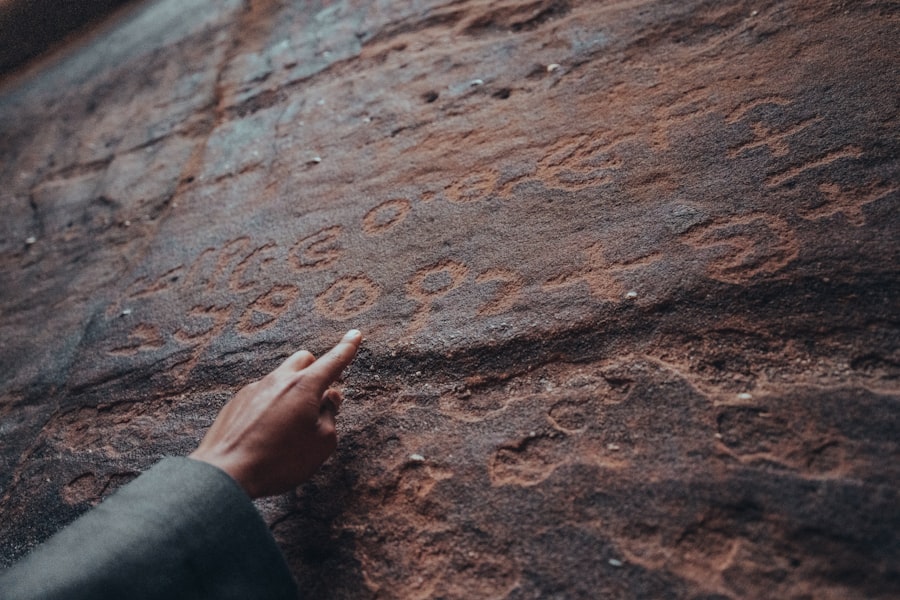
The written word is perhaps the most direct link to the minds of past peoples. Ancient manuscripts, stone inscriptions, papyri, and archived government documents offer invaluable insights into laws, religious beliefs, economic activities, and the daily lives of individuals. When an archaeological find, such as a royal tomb, can be linked to historical chronicles describing the reign of a particular monarch, the significance of both the physical and textual evidence is magnified. For instance, the discovery of Linear B tablets provided the key to understanding an early form of Greek and illuminated the administrative complexity of Mycenaean civilization.
Oral Histories and Folklore: The Living Past
Oral traditions and folklore, while often subject to embellishment and change over time, can offer crucial insights into the collective memory of a community. They can preserve accounts of events, belief systems, and social customs that may not have been formally recorded. When corroborated by archaeological evidence, oral histories can provide a vital link to understanding the cultural context of artifacts. For example, indigenous oral traditions about sacred sites or ancestral wanderings can guide archaeological investigations and help interpret the meaning of unearthed ceremonial objects.
Visual Evidence: Art, Photography, and Film
Artistic depictions, from ancient frescoes to medieval tapestries, and more recent forms like photography and film, offer a visual chronicle of the past. While sometimes idealized or stylized, they provide invaluable glimpses into fashion, architecture, social customs, and significant events. The discovery of a mosaic floor depicting a specific festival, when combined with written accounts of that same festival, offers a powerful visual and textual confirmation of past practices. Similarly, early photographs of archaeological sites can reveal details lost to time and provide a baseline for understanding subsequent changes.
Ephemeral Materials: Maps, Letters, and Diaries
Even seemingly ephemeral materials such as old maps, personal letters, and diaries can be invaluable documentary evidence. Maps can reveal historical landscapes and land ownership, while letters and diaries offer intimate perspectives on personal experiences, social networks, and historical events. An archaeologist investigating a Roman villa might find immense value in a discovered collection of letters detailing the daily concerns of its inhabitants, enriching the interpretation of domestic artifacts found on site.
The Synergy Effect: When Artifacts and Documents Speak Together

The true power of understanding the past lies not in isolating archaeological finds or documentary records, but in recognizing and exploiting their synergistic relationship. When these two distinct forms of evidence are brought together, they often illuminate each other, leading to a far deeper and more nuanced understanding than either could achieve alone. This is where the seemingly disparate elements of history converge to create a richer, more vibrant picture of human endeavor.
Verifying and Enriching Historical Narratives
Archaeological discoveries can serve as powerful validation for written historical accounts, confirming or challenging existing narratives. Conversely, documentary evidence can provide the context and explanation for perplexing artifacts. For example, the decipherment of Egyptian hieroglyphs, a form of documentary discovery, revolutionized our understanding of the artifacts unearthed from ancient Egyptian tombs. The Rosetta Stone’s inscription, a linguistic artifact itself, provided the key to unlocking millennia of Egyptian history previously shrouded in mystery.
Reconstructing Daily Life
While grand monuments and royal decrees often dominate historical records, archaeology excels at revealing the realities of everyday life for the common person. The discovery of domestic tools, food remnants, and simple dwelling structures, when combined with letters or parish records, can paint a vivid picture of diet, housing, and social interactions for ordinary individuals. A set of simple pottery shards found in a landfill, when accompanied by fragmented household accounts detailing purchases, can offer profound insights into the economic realities of a past community.
Understanding Belief Systems and Rituals
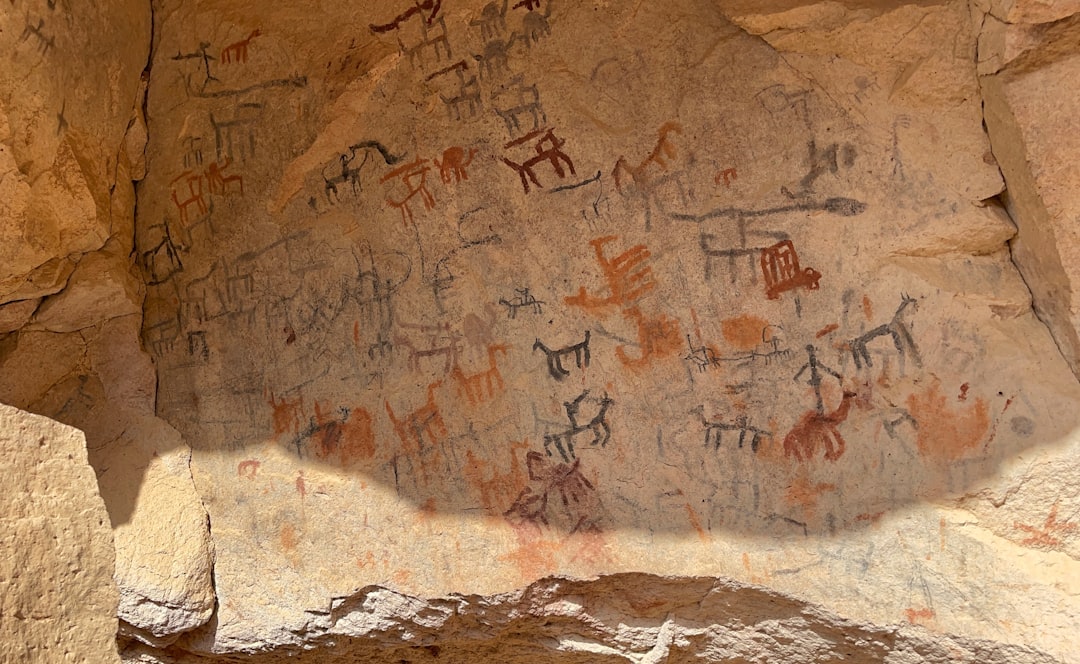
Religious texts, inscriptions, and iconography found through documentary discovery can illuminate the beliefs and practices of past societies. When these are found in conjunction with burial sites, temples, or ritualistic artifacts, a powerful understanding of their worldview emerges. The discovery of texts detailing shamanistic practices, linked to excavated ceremonial regalia and painted cave art, allows for a more comprehensive grasp of ancient spiritual life.
Challenging Prevailing Assumptions
Sometimes, the combined evidence of archaeology and documentary discovery can lead to the radical revision of long-held historical assumptions. The discovery of sophisticated burial practices and complex societal structures in pre-Columbian Americas, when initially lacking extensive written records, challenged Eurocentric views of human civilization. More recently, ongoing discoveries and new decipherments of ancient scripts continue to refine our understanding of early human migrations, technological advancements, and the development of complex societies.
In the fascinating realm of history documentary archaeology, exploring how ancient civilizations managed their resources can provide valuable insights into modern economic strategies. A related article discusses effective methods for safeguarding wealth against hyperinflation, which can be particularly relevant for understanding the economic practices of past societies. For more information on this topic, you can read the article here: strategies for safeguarding wealth. This connection between past and present highlights the importance of learning from history to navigate contemporary challenges.
Challenges and Ethical Considerations in Unearthing History
| Category | Metrics |
|---|---|
| Number of Episodes | 20 |
| Viewership | 5 million |
| Production Cost | 2 million |
| Historical Periods Covered | Ancient, Medieval, Modern |
The pursuit of unearthing history is not without its significant challenges and profound ethical considerations. The potential for destruction, the interpretation of sensitive material, and the rightful ownership of cultural heritage are all critical issues that archaeologists and historians must navigate with care and respect. The allure of discovery must be tempered with a deep sense of responsibility.
The Threat of Destruction
Archaeological sites are inherently fragile and vulnerable. Looting, unmanaged tourism, and development can irrevocably damage or destroy invaluable historical evidence. The race to document and preserve these sites is often a race against time. The careful integration of documentary evidence can help prioritize preservation efforts, focusing resources on sites with the greatest historical significance as identified through both material remains and textual records.
Interpretation and Bias
The interpretation of both archaeological evidence and documentary sources is subject to the biases of the individuals conducting the research. Cultural preconceptions, political agendas, and the limitations of available evidence can all influence how the past is understood. A critical approach, acknowledging potential biases and seeking diverse perspectives, is essential. The corroboration between multiple, independent sources – both archaeological and documentary – can help mitigate the impact of individual biases.
Repatriation and Cultural Heritage
The question of who owns the past is a complex and often contentious issue. The repatriation of cultural artifacts to their countries of origin is a growing movement, reflecting a recognition of the cultural patrimony of indigenous peoples and nations. This involves careful consideration of historical context, the rights of descendant communities, and the potential for shared stewardship of cultural heritage. The interplay between archaeological findings, national archives, and the oral traditions of descendant communities is crucial in navigating these sensitive discussions.
The Future of Discovery
As technology advances, the tools available for archaeological exploration and documentary analysis continue to evolve. Digital archives, advanced imaging techniques, and sophisticated data analysis software are opening new avenues for discovery. The future of unearthing history promises even more exciting revelations as we continue to refine our methods and foster a more inclusive and ethical approach to understanding the human story. The ongoing quest to connect the tangible past with its documented narratives promises to enrich our understanding of ourselves and our place in the grand sweep of human history.

How an Entire Civilization Collapsed
FAQs
What is a history documentary archaeology?
A history documentary archaeology is a film or television program that explores historical events, cultures, and civilizations through the study of material remains such as artifacts, structures, and landscapes.
What is the purpose of history documentary archaeology?
The purpose of history documentary archaeology is to educate and inform viewers about the past by presenting evidence-based research and discoveries in an engaging and accessible format.
How is history documentary archaeology different from other types of documentaries?
History documentary archaeology focuses specifically on the study of material culture and physical evidence from the past, whereas other types of documentaries may cover a wide range of topics such as current events, nature, or biographies.
What are some popular history documentary archaeology series or films?
Some popular history documentary archaeology series and films include “Time Team,” “Secrets of the Dead,” “Lost Worlds,” “The Mummy Roadshow,” and “The Lost City of Z.”
What can viewers learn from history documentary archaeology?
Viewers can learn about ancient civilizations, historical events, cultural practices, technological advancements, and the methods and techniques used by archaeologists to uncover and interpret the past.