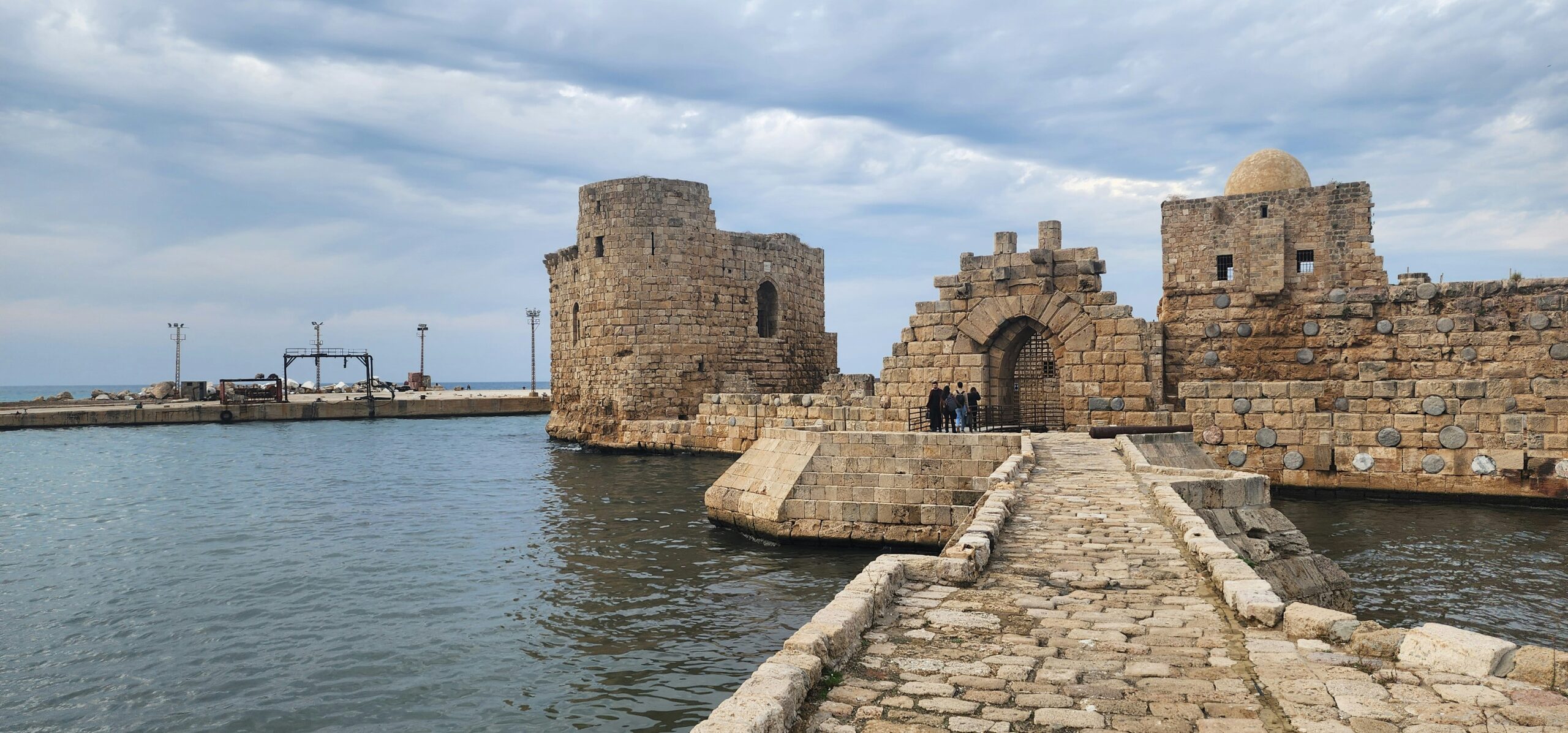
The flickering images on the screen drew viewers in, transporting them across continents and millennia. “The Lost Worlds: Ancient Civilizations” documentary series promised an unparalleled journey into the heart of human history, exploring the rise and fall of societies that shaped the very foundations of our modern world. From the sun-drenched plains of Mesopotamia to the mist-shrouded peaks of the Andes, viewers were treated to a visually stunning and intellectually stimulating exploration of humanity’s most significant ancient achievements. The series unfolded with a compelling narrative, weaving together historical evidence, archaeological discoveries, and expert analysis to paint vivid portraits of cultures long gone but never entirely forgotten.
The inaugural episodes of “The Lost Worlds” series delved into the very cradle of human civilization, charting the initial sparks of innovation and societal organization that characterized the ancient Near East. No other region holds as much significance for the genesis of complex societies as Mesopotamia, and the documentary dedicated ample time to unraveling its mysteries.
The Fertile Crescent’s Gifts: Agriculture and Urbanization
The series masterfully illustrated how the unique geographical advantage of the Fertile Crescent, the land between the Tigris and Euphrates rivers, fostered the development of agriculture. Experts explained the revolutionary shift from nomadic hunter-gatherer lifestyles to settled farming communities. This transition, the documentary argued, was not merely about sustenance but about creating a surplus, a critical factor in the subsequent growth of larger populations and the eventual emergence of cities. The visual reconstruction of early agricultural practices, showcasing irrigation techniques and the cultivation of staple crops like wheat and barley, provided a palpable sense of the monumental effort and ingenuity involved.
Sumer: The First Cities and the Birth of Writing
The focus then shifted to Sumer, the region often credited with building the world’s first cities. “The Lost Worlds” illustrated the development of Uruk, one of the earliest known urban centers, with breathtaking CGI reconstructions. Viewers witnessed the construction of monumental ziggurats, the bustling marketplaces, and the intricate social hierarchies that defined Sumerian society. A particularly compelling segment explored the invention of cuneiform, the earliest known system of writing. The documentary explained how this groundbreaking development, initially used for keeping economic records, evolved to encompass literature, law, and history, providing an invaluable window into their lives and beliefs. The impact of written records, the series emphasized, was transformative, allowing for the accumulation and transmission of knowledge across generations.
Babylon: Law, Astronomy, and an Empire’s Might
The documentary’s exploration of the ancient Near East wouldn’t be complete without a deep dive into the Babylonian Empire. The reign of Hammurabi and his famous code of laws was presented as a pivotal moment in legal history. Experts discussed the significance of codified laws in establishing order and justice within a complex society. The series highlighted aspects of Babylonian civilization that extended beyond governance, with a fascinating segment dedicated to their advancements in astronomy. The intricate calendars, the observation of celestial bodies, and the development of astrological practices were showcased, revealing a sophisticated understanding of the cosmos for their time. The documentary also offered a glimpse into the grandeur of Babylon itself, with animated reconstructions of its Hanging Gardens and monumental architecture, illustrating the power and sophistication of this ancient empire.
In exploring the intricate dynamics of ancient civilizations, one can draw fascinating parallels to modern economic practices, such as those highlighted in the article about Chinese companies exploiting loopholes in Mexico. This contemporary issue reflects the age-old strategies of trade and resource management that were pivotal to the success of ancient societies. For a deeper understanding of how historical practices continue to influence today’s global economy, you can read more in this article: Chinese Companies Exploiting Mexico Loophole.
Architects of the Nile: The Enduring Legacy of Egypt
The allure of ancient Egypt, with its colossal pyramids, enigmatic pharaohs, and intricate mythology, has captivated imaginations for centuries. “The Lost Worlds” series dedicated several episodes to the civilization that flourished along the Nile River, revealing the secrets behind its enduring power and influence.
The Gift of the Nile: Sustenance and Sovereignty
As with Mesopotamia, the documentary underscored the pivotal role of the Nile in the development of Egyptian civilization. The annual inundation of the river, bringing fertile silt, was depicted as the literal lifeblood of the nation, enabling agricultural prosperity. However, the series went further, highlighting how the predictable nature of the Nile also fostered a sense of order and stability, which in turn contributed to the centralized power of the pharaohs. The documentary explored how the Egyptians harnessed the river for irrigation, transportation, and defense, demonstrating a profound understanding of their environment.
Pyramids and Pharaohs: Power, Religion, and the Afterlife
The iconic pyramids of Giza were a central focus, with the series meticulously detailing the engineering marvels and the immense labor required for their construction. Experts discussed the religious significance of these monumental tombs, explaining the Egyptian belief in the afterlife and the pharaoh’s divine status. The documentary offered insights into the role of the pharaoh as not only a ruler but also a spiritual leader, a conduit between the earthly realm and the gods. The elaborate burial rituals, the mummification process, and the rich symbolism embedded within the tomb decorations were all brought to life through stunning visuals and clear explanations.
Hieroglyphs and Papyrus: Preserving Knowledge and Culture
The decipherment of hieroglyphs, a monumental achievement in itself, was presented as a key to unlocking the vast repository of ancient Egyptian knowledge. “The Lost Worlds” explored the intricacies of this pictorial writing system, explaining how it was used for religious texts, historical records, and administrative purposes. The use of papyrus, the world’s first known paper, was also highlighted, illustrating its importance in the dissemination of information and the preservation of culture. The documentary showcased examples of ancient Egyptian literature, from hymns to the gods to medical treatises, demonstrating the breadth of their intellectual achievements.
Empires of the Aegean: Minoans, Mycenaeans, and the Foundations of the West
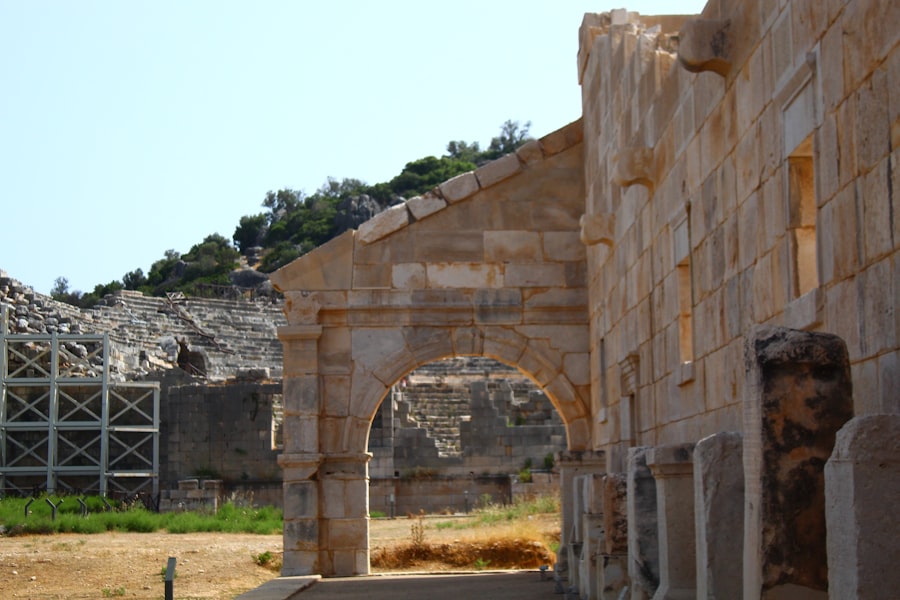
The narrative of ancient civilizations then shifted to the Aegean, where the foundations of Western thought and culture were being laid. The series explored the enigmatic Minoan and Mycenaean civilizations, whose legacies continue to resonate today.
Crete’s Maritime Power: The Enigma of the Minoans
The Minoan civilization, centered on the island of Crete, was depicted as a vibrant and sophisticated Bronze Age society. “The Lost Worlds” showcased the breathtaking frescoes of the Palace of Knossos, revealing a culture deeply connected to nature, marine life, and, perhaps, ritualistic practices involving bull-leaping. Experts discussed the Minoans’ advanced naval power, their extensive trade networks, and their unique Linear A script, which remains largely undeciphered, adding to their alluring mystery. The documentary effectively conveyed the sense of a prosperous and artistic society that existed in relative peace.
The Warrior Kings of Mycenae: Legends and Discoveries
The transition to the Mycenaean civilization, located on mainland Greece, marked a shift towards a more militaristic culture. The series explored the imposing Lion Gate at Mycenae and the tholos tombs, testaments to the wealth and power of their warrior kings. The documentary delved into the archaeological evidence that linked the Mycenaeans to the tales of Homer, suggesting that the epics of the Trojan War might have roots in historical events. The decipherment of the Linear B script, an early form of Greek, provided crucial insights into their administrative and economic systems, revealing a society organized around powerful palace centers.
The Dark Ages and the Rise of the Polis
“The Lost Worlds” then thoughtfully addressed the collapse of these Bronze Age civilizations and the subsequent period often referred to as Greece’s “Dark Ages.” The series explained how this era of upheaval and decline eventually gave way to the emergence of the polis, the independent city-state, which would become the defining characteristic of classical Greece. The documentary laid the groundwork for understanding the unique political and social structures that would soon revolutionize philosophy, democracy, and the arts.
The Crucible of the Mediterranean: Greece and Rome

The subsequent episodes of “The Lost Worlds” delved into the two ancient powers that arguably had the most profound and lasting impact on Western civilization: Greece and Rome. The series meticulously charted their rise, their innovations, and their eventual empires.
The Athenian Golden Age: Democracy, Philosophy, and Art
The soaring achievements of classical Athens were a major highlight. The documentary explored the birth of democracy, explaining its revolutionary principles and its limitations. The intellectual giants of the age, Socrates, Plato, and Aristotle, were introduced, with experts discussing their groundbreaking philosophical ideas and their enduring influence. The flourishing of Athenian art and architecture, exemplified by the Acropolis and the Parthenon, was showcased with stunning visuals, emphasizing the pursuit of beauty, harmony, and proportion. The series effectively conveyed the vibrant intellectual and artistic atmosphere that characterized this pivotal era.
The Roman Republic and Empire: Law, Engineering, and Expansion
The documentary then turned its attention to the inexorable rise of Rome. The series traced the evolution from a small city-state to a vast republic, and ultimately to a sprawling empire. The documentary emphasized Roman contributions to law and governance, exploring the development of Roman legal principles that continue to shape legal systems today. The awe-inspiring feats of Roman engineering, from aqueducts and roads to the Colosseum, were presented as testaments to their practical ingenuity and organizational prowess. The expansion of the Roman Empire, its military might, and its cultural assimilation of conquered peoples were all explored, highlighting its immense influence on the Mediterranean world and beyond.
The Foundations of the West: A Shared Heritage
“The Lost Worlds” concluded its exploration of Greece and Rome by emphasizing their interconnectedness and their profound impact on the development of Western civilization. The series argued that the foundations of our political systems, our legal frameworks, our philosophical traditions, and our artistic sensibilities can all be traced back to these ancient cultures. The documentary provided a compelling argument for understanding these civilizations not as distant relics but as the very bedrock upon which modern society has been built.
In exploring the fascinating world of ancient civilizations, one cannot overlook the intricate power dynamics that shaped their societies. A related article delves into the debate surrounding ancient power sources, shedding light on how these early cultures harnessed energy to fuel their advancements. For those interested in understanding the complexities of these ancient systems, the article can be found here: unraveling the debate on ancient power sources. This resource provides valuable insights that complement the themes presented in many documentaries about our historical past.
Worlds Beyond the Mediterranean: The Americas and the East
| Documentary Title | Release Year | Duration | Main Civilization |
|---|---|---|---|
| Ancient Egypt: Life and Death in the Valley of the Kings | 2013 | 60 minutes | Egyptian Civilization |
| The Greeks: Crucible of Civilization | 2000 | 120 minutes | Ancient Greek Civilization |
| Lost Worlds: The Story of Archaeology | 2000 | 180 minutes | Various Ancient Civilizations |
While the Greco-Roman world often dominates discussions of ancient history, “The Lost Worlds” commendably expanded its scope to explore other equally significant and complex civilizations, demonstrating the rich tapestry of human ingenuity across the globe.
The Maya and the Aztecs: Calendars, Cities, and Cosmic Visions
The series ventured into the lush rainforests and sprawling highlands of Mesoamerica to explore the remarkable Maya civilization. The documentary showcased their sophisticated calendar systems, their advancements in mathematics and astronomy, and their awe-inspiring city-states like Tikal and Palenque. The intricate hieroglyphic script and the detailed understanding of celestial cycles were presented as evidence of their intellectual prowess. The series then transitioned to the Aztecs, detailing their formidable empire, their capital city of Tenochtitlan, and their complex religious beliefs and practices. The resilience and ingenuity of these cultures, thriving in challenging environments, were powerfully conveyed.
The Inca: Empire of the Sun and the Andes
The final frontiers of “The Lost Worlds” took viewers to the majestic Andes Mountains, home to the Inca Empire. The documentary highlighted their incredible feats of engineering, particularly their vast network of roads and their magnificent citadel of Machu Picchu. Experts discussed their sophisticated agricultural techniques, including terracing and irrigation, which allowed them to sustain a large population in a challenging mountainous terrain. The series also explored their unique social organization, their religious beliefs centered around the sun god Inti, and their intricate system of knots, quipu, used for record-keeping. The sheer scale and organization of the Inca Empire, built without the wheel or a written alphabet, left viewers with a profound sense of wonder.
The Enduring Echoes of Lost Worlds
In its comprehensive sweep, “The Lost Worlds: Ancient Civilizations” series achieved a remarkable feat: it made the distant past feel immediate and relevant. By weaving together cutting-edge archaeological findings with engaging storytelling and stunning visuals, the documentary successfully illuminated the triumphs, the innovations, and the eventual declines of some of humanity’s most influential early societies. The series left viewers with a deeper appreciation for the enduring legacy of these lost worlds, recognizing how their achievements continue to shape our present and inspire our future. The echoes of ancient Mesopotamia, Egypt, Greece, Rome, Mesoamerica, and the Andes resonated long after the final credits rolled, a testament to the power of human curiosity and the enduring quest to understand our origins.

How an Entire Civilization Collapsed
FAQs
What is an ancient civilizations documentary?
An ancient civilizations documentary is a film or video production that explores the history, culture, and achievements of ancient societies such as the Egyptians, Greeks, Romans, Mayans, and others.
What can viewers expect to learn from an ancient civilizations documentary?
Viewers can expect to learn about the daily life, religious beliefs, architectural achievements, technological advancements, and political systems of ancient civilizations. These documentaries often provide insights into how these societies have shaped the modern world.
Where can one find ancient civilizations documentaries?
Ancient civilizations documentaries can be found on streaming platforms, such as Netflix, Amazon Prime, and Hulu, as well as on educational channels like National Geographic, History Channel, and PBS. They may also be available for purchase or rental on DVD or Blu-ray.
Who are some renowned experts in the field of ancient civilizations featured in documentaries?
Renowned experts in the field of ancient civilizations who are often featured in documentaries include archaeologists, historians, anthropologists, and scholars specializing in specific ancient cultures. Some well-known figures include Dr. Zahi Hawass, Dr. Sarah Parcak, and Dr. Michael Scott.
Why are ancient civilizations documentaries important?
Ancient civilizations documentaries are important because they help to preserve and share knowledge about the achievements and legacies of past societies. They also provide valuable insights into human history, cultural diversity, and the development of civilizations over time.