
The Bronze Age, a period spanning roughly from the 3rd to the 2nd millennium BCE across vast swathes of Eurasia, Africa, and parts of the Americas, marks a pivotal transition in human history. It is characterized by the widespread adoption of bronze – an alloy of copper and tin – for toolmaking, weaponry, and decorative objects. Beyond this technological shift, the Bronze Age economy witnessed profound changes in how societies organized themselves, produced goods, and exchanged them. Unraveling the intricate threads of this ancient economic system requires a comprehensive examination of its fundamental components, from resource acquisition to the complex networks that facilitated trade and the social structures that underpinned it all.
The bedrock of any ancient economy rested upon its ability to extract resources from the environment and transform them into usable goods and sustenance. The Bronze Age was no different, with agriculture forming the primary engine of wealth generation for most societies. However, the Bronze Age also saw a significant increase in the demand for and exploitation of specific raw materials crucial for the burgeoning metalworking industries.
Agricultural Innovations and Intensification
The Bronze Age agricultural landscape was largely defined by the continued and often intensified use of established crops and animal husbandry. Cereals like wheat and barley, along with legumes, remained staple foods across many regions. However, the development and diffusion of more efficient agricultural tools, often made from bronze itself (though stone and wood remained prevalent for many applications), likely contributed to increased productivity.
The Role of Irrigation and Land Management
In many fertile river valleys, such as Mesopotamia, Egypt, and the Indus Valley, sophisticated irrigation systems were already in place and continued to be maintained and expanded. These systems allowed for more reliable food production, supporting larger populations and freeing up a portion of the workforce for specialized tasks. Beyond large-scale irrigation, evidence suggests improvements in land management techniques, such as crop rotation and manuring, to maintain soil fertility and optimize yields. The ability to produce a consistent surplus of food was the fundamental prerequisite for the development of more complex economies.
Animal Husbandry for Sustenance and Labor
Animal husbandry played a crucial role, providing not only meat, milk, and wool but also essential traction for plows, enabling the cultivation of larger fields. Cattle, sheep, and goats were common across diverse Bronze Age cultures. The domestication of the horse, while not universal during the early Bronze Age, became increasingly significant for transportation and warfare in later periods, impacting trade and communication networks.
The Quest for Essential Resources: Metals and Beyond
The defining characteristic of the Bronze Age was undoubtedly the mastery of bronze metallurgy. This technological leap necessitated a far more complex and far-reaching system of raw material acquisition than in preceding periods.
The Vital Importance of Copper and Tin
Copper, the primary component of bronze, was relatively more accessible than tin. Deposits of copper ore were found in various regions, and mining techniques, while rudimentary by modern standards, were developed to extract this vital metal. However, tin, a less common element, posed a greater challenge. The scarcity and localized nature of tin deposits meant that the procurement of this metal often involved extensive trade networks, connecting distant communities. The control and movement of tin became a critical factor in the political and economic power of Bronze Age societies.
Timber and Other Essential Materials
Beyond metals, various other raw materials were essential for Bronze Age economies. Timber was vital for construction, fuel for smelting, and the production of chariots, boats, and tools. Quarrying for stone, particularly for monumental architecture and tool production, also remained an important activity. The acquisition of these resources, whether through local extraction or trade, shaped settlement patterns and economic dependencies.
The Bronze Age economy was characterized by complex trade networks, the emergence of urban centers, and the development of specialized crafts, which laid the groundwork for future civilizations. For a deeper understanding of how these economic systems influenced urban planning and societal structures, you can read the related article on ancient city planning disasters at this link. This article explores how economic factors played a crucial role in the successes and failures of ancient cities during the Bronze Age and beyond.
The Engine of Exchange: Trade, Networks, and Specialization
The Bronze Age witnessed a dramatic expansion of trade, both on local and long-distance scales. This burgeoning exchange of goods and resources was facilitated by improving transportation technologies and the development of increasingly specialized production centers.
The Rise of Long-Distance Trade Networks
The need to acquire rare and essential materials, particularly tin, gave rise to extensive long-distance trade networks that crisscrossed continents. These networks were not simply informal exchanges but often involved established routes, intermediaries, and even a nascent form of standardized weights and measures.
Maritime Trade Routes
Coastal areas and river systems became arteries of commerce. The Mediterranean Sea, the Black Sea, and the Persian Gulf, for instance, witnessed a vibrant maritime trade, connecting communities from Mesopotamia to the Aegean and beyond. Ships, increasingly capable of carrying larger cargoes, facilitated the movement of bulk goods and luxury items alike.
Overland Trade Routes and Caravans
On land, trade routes, often following natural pathways or developed for military purposes, connected inland settlements. The use of pack animals, and later the wheeled cart, allowed for the transport of goods across considerable distances. Caravans, organized groups of traders and their animals, became a common sight along these routes, braving the challenges of the terrain and potential dangers.
The Emergence of Specialized Production Centers
As certain regions became major sources of key raw materials or developed particular expertise, specialized production centers emerged. This specialization led to increased efficiency and the production of high-quality goods that could then be traded.
Metalworking Hubs
Areas rich in copper or tin deposits, or those with advanced metallurgical knowledge, became centers for bronze production. These hubs not only produced tools and weapons for local consumption but also manufactured goods for export. The discovery of large workshops with evidence of organized smelting, casting, and finishing points to a sophisticated level of craft specialization.
Other Craft Specializations
Beyond metalworking, other forms of specialization flourished. Pottery production, textile manufacturing (using wool, flax, and other fibers), woodworking, and lapidary (gemstone working) all developed specialized centers that served wider markets. The quality and distinctiveness of goods from certain regions often indicated their origin and reputation.
The Role of Luxury Goods and Prestige Items
While the everyday needs of the population were met through subsistence activities and local exchange, the movement of luxury goods played a significant role in Bronze Age economies, particularly at the elite level. Objects made from precious metals, intricately carved stones, fine textiles, and exotic materials signified wealth, status, and power. The trade in these items fostered connections between ruling elites and stimulated economic activity.
The Mechanisms of Exchange: Currency, Barter, and Obligation

While the concept of modern currency was largely absent, the Bronze Age saw the development of various mechanisms to facilitate the exchange of goods and services. These ranged from direct barter to more abstract forms of value representation.
Barter as the Primary Exchange System
For most day-to-day transactions, barter, the direct exchange of goods and services without the use of money, was the dominant system. A farmer might exchange grain for pottery, or a craftsman might trade his tools for food. The efficiency of barter was limited by the “double coincidence of wants” – the need for both parties to desire what the other has to offer.
The Challenges and Limitations of Barter
Barter systems, while functional, could be cumbersome. Determining fair exchange rates between diverse commodities could be complex, and the divisibility and portability of certain goods could present challenges. This often led to the development of certain commodities acting as proto-money.
The Rise of Commodity Money
As trade expanded and societal complexity grew, certain commodities began to emerge as widely accepted mediums of exchange, effectively serving as a form of commodity money. These were goods that were intrinsically valuable, desirable, and relatively portable.
Precious Metals in Ingot or Granule Form
In many societies, particularly in the Near East, standardized weights of precious metals like silver and gold, often in the form of ingots or granules, began to function as a proto-currency. While not minted coins, these metals held intrinsic value and could be recognized and accepted across different communities. The recording of transactions involving specific weights of metal in cuneiform tablets from Mesopotamia provides strong evidence for this.
Other Forms of Commodity Money
In different regions and cultures, other items might have served a similar purpose. Cattle, for example, were a unit of wealth and exchange in many pastoral societies. Grain, due to its fundamental importance for sustenance, could also be used as a store of value and medium of exchange in agricultural communities.
Systems of Reciprocity and Obligation
Beyond direct exchange, many Bronze Age economies were underpinned by complex systems of reciprocity and obligation, particularly within kinship groups and social hierarchies. Gift-giving, feasts, and elaborate feasting rituals served not only social functions but also acted as mechanisms for redistributing wealth and reinforcing social bonds.
The Role of Feasts and Gift-Giving
The hosting of elaborate feasts by chieftains or rulers was a way to display wealth and generosity, thereby solidifying their power and influence. The reciprocal nature of these exchanges meant that recipients were often expected to reciprocate in kind or through future service.
Obligations to Elites and the State
In more stratified societies, the populace often owed obligations to ruling elites or nascent states, which could include labor, agricultural produce, or tribute. These obligations formed a crucial part of the economic system, providing resources for public works, military campaigns, and the maintenance of the elite class.
The Social and Political Dimensions of the Bronze Age Economy
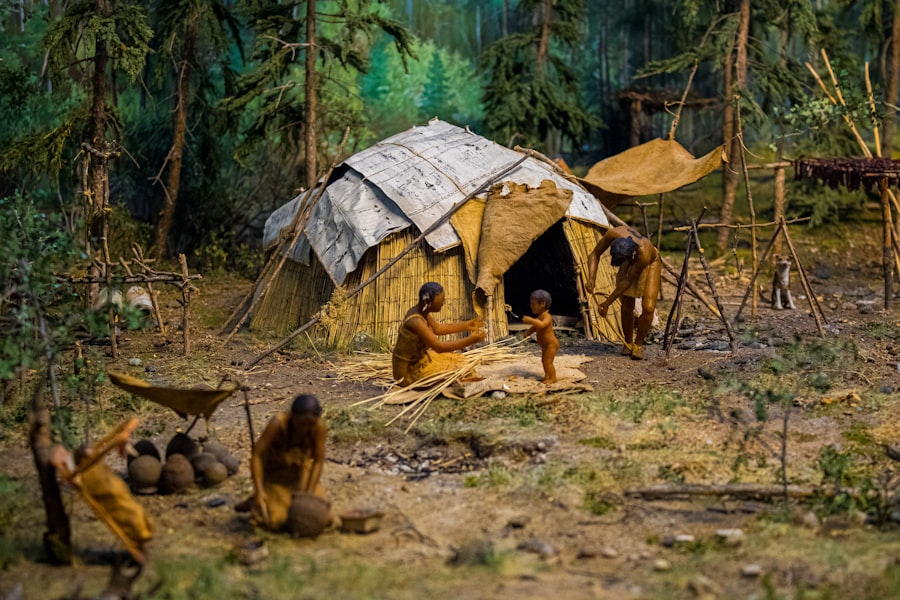
The economic structures of the Bronze Age were inextricably linked to its social and political organization. The accumulation of wealth and the control of resources were often concentrated in the hands of elites, who leveraged these advantages to maintain and expand their power.
The Rise of Elites and Social Stratification
The ability to control land, manage resources, and organize labor led to the emergence of distinct social classes. Wealthy landowners, skilled artisans, successful merchants, and religious leaders often formed an elite class that enjoyed a higher standard of living and greater political influence.
Control of Resources and Labor
The concentration of wealth often translated into control over vital resources like arable land, mines, and trade routes. This control allowed elites to extract surplus from the labor of others, whether through rent, tribute, or wages. The organization of large-scale labor projects, such as the construction of monumental tombs, temples, and irrigation systems, further highlighted the power wielded by these groups.
The Role of Warfare and Conquest
Warfare played a significant role in shaping Bronze Age economies. Conquest could lead to the acquisition of new territories, resources, and even enslaved labor. The spoils of war, including precious metals and other valuables, could be redistributed among the victorious elite, further reinforcing their power. The development of bronze weaponry and chariots also influenced military strategies and the economic resources required to maintain armies.
The Development of Early States and Administration
In many parts of the Bronze Age world, particularly in Mesopotamia, Egypt, and the Indus Valley, early forms of states began to emerge. These states possessed centralized administrative structures that played a crucial role in managing economic activities.
Bureaucracy and Record-Keeping
The development of writing systems, such as cuneiform and hieroglyphs, was instrumental in the administration of these early states. Scribes meticulously recorded economic transactions, inventories, tax collections, and land ownership. This record-keeping allowed for more efficient management of resources, taxation, and trade.
Infrastructure and Public Works
Early states often undertook large-scale infrastructure projects, such as building and maintaining irrigation canals, roads, and defensive walls. These projects not only served practical purposes but also acted as visible manifestations of state power and contributed to the overall economic well-being of the region by facilitating agriculture and trade.
The Impact of Religion and Ideology
Religion and ideology also played a significant role in shaping Bronze Age economies. Religious institutions often controlled vast amounts of land and wealth, and religious beliefs could influence economic practices and decisions.
Temples as Economic Centers
In many ancient societies, temples were not just religious centers but also significant economic institutions. They owned land, employed labor, and engaged in trade. The wealth accumulated by temples often contributed to the broader economy through investment and redistribution.
Ideological Justification for Social Hierarchy
Religious and ideological beliefs often served to legitimize social hierarchies and the accumulation of wealth by elites. Concepts of divine kingship or the mandate of the gods could be used to justify the existing social order and the economic privileges of the ruling class.
The Bronze Age economy was characterized by the emergence of trade networks and the development of metallurgy, which significantly influenced societal structures. For those interested in exploring how ancient civilizations adapted to their environments and the economic systems they established, a fascinating article can be found here: uncovering the unknown past. This piece delves into the broader context of ancient economies and their impact on human development, providing valuable insights into how these early societies functioned.
The Legacy of the Bronze Age Economy
| Aspect | Explanation |
|---|---|
| Agriculture | The Bronze Age economy was primarily based on agriculture, with the cultivation of crops such as wheat, barley, and legumes. |
| Trade | There was an increase in long-distance trade during the Bronze Age, with the exchange of goods such as metals, pottery, and textiles. |
| Metallurgy | The development of metalworking techniques led to the production of bronze tools and weapons, which played a significant role in the economy. |
| Social Structure | The economy was influenced by a hierarchical social structure, with elites controlling resources and trade networks. |
The economic transformations of the Bronze Age laid the groundwork for many subsequent developments in human history. The specialization of labor, the expansion of trade networks, the emergence of proto-currency, and the development of early state administration all represented significant leaps forward.
The Precursor to Later Economic Systems
The Bronze Age economy, with its emphasis on resource extraction, specialized production, and organized exchange, can be seen as a crucial precursor to the more complex economies of the Iron Age and beyond. The foundations for mercantile capitalism and state-controlled economies were being laid during this period.
The Enduring Impact on Civilization
The ability to produce a surplus of food, to mobilize resources for large-scale projects, and to exchange goods over long distances allowed for the growth of cities, the development of writing, and the flourishing of complex civilizations. The Bronze Age economy was not merely a system of production and exchange; it was a driving force behind the very fabric of early civilization.
Lessons from the Past
Studying the Bronze Age economy offers valuable insights into the fundamental principles that govern human economic activity. The interplay of resource availability, technological innovation, social organization, and political power continues to shape economic landscapes today. Understanding how ancient societies managed their resources, facilitated exchange, and organized their labor provides a broader perspective on the enduring challenges and opportunities inherent in economic development. The unraveling of the Bronze Age economy is an ongoing process, constantly enriched by new archaeological discoveries and analytical approaches, revealing a remarkably dynamic and complex economic world that shaped the trajectory of human civilization.

How an Entire Civilization Collapsed
FAQs
What was the Bronze Age economy based on?
The Bronze Age economy was primarily based on agriculture, with the cultivation of crops and domestication of animals playing a central role in sustaining the population. Additionally, trade and the production of bronze tools and weapons also contributed to the economy during this time.
How did trade function in the Bronze Age economy?
Trade in the Bronze Age economy was conducted through the exchange of goods such as metals, pottery, textiles, and food items. This trade network extended across regions, allowing for the exchange of resources and the spread of cultural ideas and technologies.
What role did bronze play in the Bronze Age economy?
Bronze, a metal alloy made from copper and tin, played a crucial role in the Bronze Age economy. It was used to create tools, weapons, and other items that were essential for agriculture, construction, and trade. The production and trade of bronze items contributed to the economic prosperity of Bronze Age societies.
How did social classes impact the Bronze Age economy?
In Bronze Age societies, social classes played a significant role in shaping the economy. The ruling elite often controlled the production and distribution of resources, while the labor force, including farmers and artisans, contributed to the overall economic productivity.
What were the major factors that led to the decline of the Bronze Age economy?
The decline of the Bronze Age economy was influenced by various factors, including environmental changes, political instability, and the disruption of trade networks. Additionally, the depletion of natural resources and the emergence of new technologies also contributed to the transition from the Bronze Age to the Iron Age.